





Related: Forecast of Fuel Prices in 2021
Low Demand Flattens Fuel Prices in 2020
The largest fleet operating expense is fuel, which traditionally represents approximately 60% of all operating costs. However, the decreased miles driven by fleets during the pandemic was the No. 1 factor contributing to keeping fuel costs flat in 2020.
November 3, 2020
Photo: AAA
5 min to read
The largest fleet operating expense is fuel, which traditionally represents approximately 60% of all operating costs. However, the decreased miles driven by fleets during the pandemic was the No. 1 factor contributing to keeping fuel costs flat in 2020.

Wood
[EMPTY CREDIT]
“The 2020 calendar-year began with oil prices remaining steady with late 2019 levels; however, when COVID-19 hit, prices dramatically decreased. To protect the safety of the public, many states went into lockdown, which had a direct impact on many fleets and the overall economy,” said Lindsay Wood, product manager for Wheels. “When states began to open back up, we saw a steady increase in demand, which helped drive prices back up to near pre-pandemic levels but they have not fully recovered. The Energy Information Administration (EIA) expects that gasoline prices will decrease through the rest of the year.”
One key factor driving down fuel prices at the pump was the overall decline in fuel consumption in both the retail and fleet markets.

Dudeck
[EMPTY CREDIT]
“Overall, the cost per gallon is down nearly 15% year-over-year and fuel consumption is down nearly 18%. We see a larger impact to our customers that are in the retail sales sectors versus the manufacturing industry being more directly impacted,” said Justin Dudeck, product director, analytics, consulting and transformation for LeasePlan USA.
Despite the initial lower price of fuel at the pump, overall fleet fuel economy (mpg) decreased based on data captured by onboard vehicle telematic devices.

Wuich
[EMPTY CREDIT]
“Interestingly, and counter-productive to a cost mitigation strategy, we have found that the pandemic has resulted in overall lower fuel economy. There are two reasons for this,” said John Wuich, vice president of strategic consulting services for Donlen. “First, the mix of vehicles on the road since March shifted toward more service-type vehicles. These vans and trucks tend to have lower fuel economy than passenger fleet vehicles, more of which were grounded. Also, engine idle percent has actually risen within many fleets, as more workers are using the vehicle as an office and means of social distancing. With some new vehicles equipped with a hot spot, we are finding that the vehicle engine must be on in order for the vehicle’s network to be used, working to further increase idle percent.”
In many ways the declining price of fuel coincided with the economic shutdown to “bend the curve” of the spread of COVID-19 and subsequent rising prices coincided with the increased business activity as the lockdowns were lifted.
“Fuel prices were a parallel indicator for the economy during this pandemic year. That is, prices fell quickly as COVID spread and businesses shut down. And price volatility closely followed a volatile economic recovery,” said Wuich of Donlen.

Atchley
[EMPTY CREDIT]
Making a similar observation was Enterprise Fleet Management. “Prior to COVID-19, fuel pricing was relatively flat as expected before dropping to historic lows. The balance of 2020 has allowed fuel prices to return to stable levels and experience modest growth,” said Mark Atchley, senior supply chain manager for Enterprise Fleet Management.
In reaction to the lockdowns and people’s concern about contagion, virtual meetings arose as an alternative to in-person meetings, eliminating the need to drive to these meetings, contributing to the decline in overall fuel consumption.
The overwhelming majority of companies were pleasantly surprised that corporate productivity did not suffer when the majority of their employees started working from home. In addition, most employees embraced the idea of working at home.

Donckers
[EMPTY CREDIT]
“Stay-at-home orders have had an impact on fuel consumption and thus fuel prices. As people conduct business from home with virtual meetings and events, their vehicles are moving considerably less,” said Steven Donckers, director, service center for LeasePlan USA.
Lower fuel consumption and decreased user demand were the catalysts triggering lower prices at the pump.
“Demand was driven down by stay-at-home orders rolling out across the nation in February-March, especially concerning was fleets typically roll into peak season of demand around April. Fleets have benefited from the lower at-the-pump costs in 2020, but with lower utilization, profit loss within fleets have no doubt had a larger impact where fleets were not able to operate at full or anticipated capacity,” said Emily Candib, director – fleet products for Merchants Fleet. “Also, more frequently this year, some fleets are also reviewing options for fuel hedging than in prior years and additionally more are seriously reviewing opportunities to house fuel in bulk on-site to dispense for vehicles that operate out of a single yard location.”

Candib
[EMPTY CREDIT]
While fuel consumption declined for many fleets, it increased for other fleets, in particular those designated as essential businesses.
“The pandemic forced many businesses to suspend operations and as you can imagine, with most fleet vehicles parked for some period of time, fuel consumption certainly dropped,” said Andy Hall, manager, fuel & GMS products for ARI. “Conversely, for some organizations, particularly essential service and last-mile delivery fleets, miles driven jumped to near record highs and their fuel costs likely increased significantly. So, while the cost of fuel itself remained fairly consistent throughout the year, how the pandemic impacted an organization certainly influenced its overall fuel spend.”
While fuel prices have been relatively stable for the past several years after earlier years of ongoing price volatility, some saw a reemergence of volatility as fuel prices reacted to the pandemic.

Hall
[EMPTY CREDIT]
“A big difference in 2020 as compared to 2019 is simply the volatile nature of fuel costs, largely impacted by the global oil pact negotiations early in the year and followed immediately by the pandemic. This volatility, coupled by equally volatile shifts in fleet mileage and vehicle use put fleet planning in some industries on hold and made forecasting fuel spend especially challenging,” said Wuich of Donlen.
Subscribe to Our Newsletter
More Fuel
Fuel Prices Surge in September | September Fuel Update
September brought major fuel price swings, including diesel crossing $6 a gallon. Here’s how gas and diesel prices changed throughout the month, and where they stood heading into October.
Read More →
Turning Fleet Payment Data into Executive Insights
Ramel Lindsay of U.S. Bank Voyager discusses how fleets can transform payment and transaction data into actionable intelligence to reduce costs, improve oversight, and support executive decision-making.
Read More →
Why the IRS Raised Its Mileage Rate in the Middle of 2026
Fuel-price volatility drove the rare increase to 76 cents per mile, the fifth midyear adjustment since 2000.
Read More →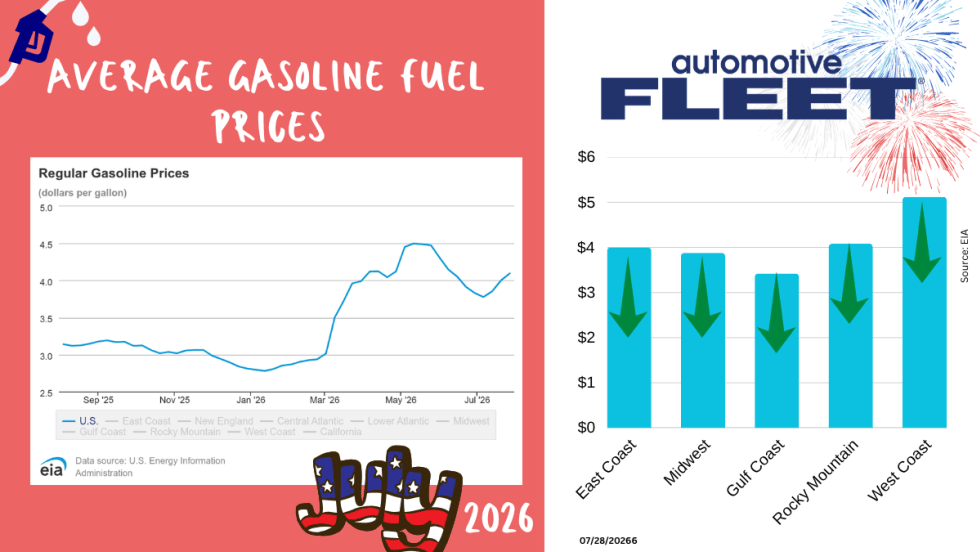
July Fuel Update: Prices Keep Rising in Light of More Conflict
Gas prices continue to rise as more and more conflicts do, too.
Read More →
Bob Adamsky on Fuel Volatility: "Don't Panic, Have a Plan."
When it comes to up and down fuel prices, Adamsky has a message for fleets: “Don’t panic.”
Read More →
How Fleets Can Gain Control of Non-Fuel Spend
Fuel often gets the spotlight, but non-fuel expenses can have a major impact on fleet costs. Ramel Lindsay of U.S. Bank Voyager discusses how fleets can gain better visibility and control over these often-overlooked expenditures.
Read More →
Fuel is Just the Start: How Middle East Tensions are Driving Up Fleet Maintenance Costs
The Middle East conflict is doing more than pushing up fuel prices. It’s also raising the cost of key maintenance products your fleet depends on, from motor oil to tires to windshield wipers. Here’s what you need to know about this budget-busting situation.
Read More →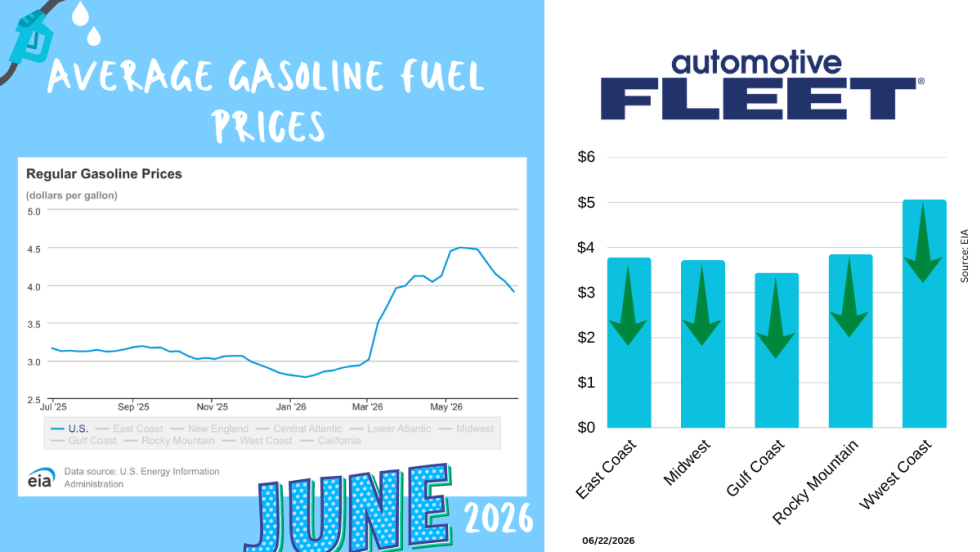
June Fuel Update: Prices Fall Below $4
Drivers are finally getting some relief at the pump. The national average gas price has dropped below $4 a gallon for the first time in months, with prices falling in 47 states as oil markets react to developments in U.S.-Iran negotiations.
Read More →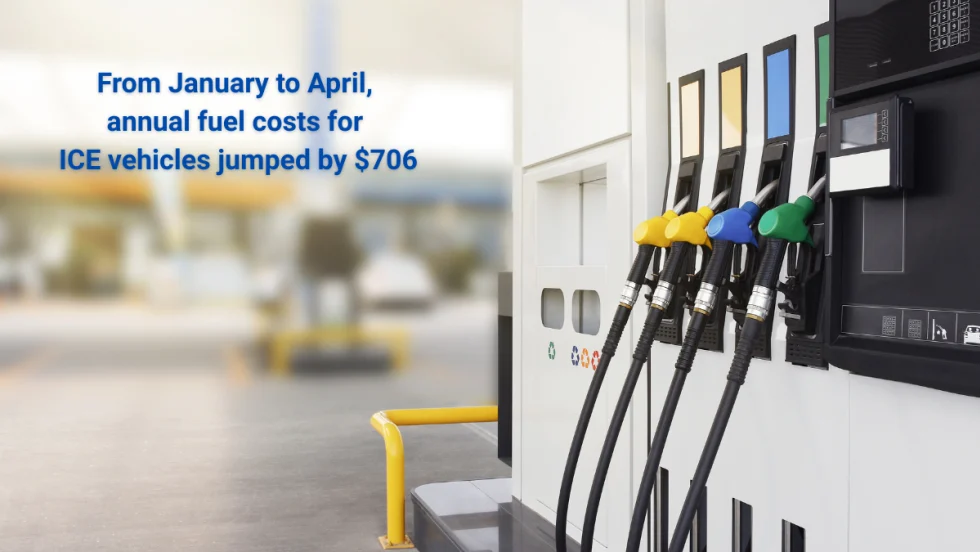
Study: How 2026's Gas Price Hikes Affect Different Vehicle Types
New data from iSeeCars reveals how rising fuel costs have affected different vehicle segments as gasoline prices climbed nearly 46% over the past four months.
Read More →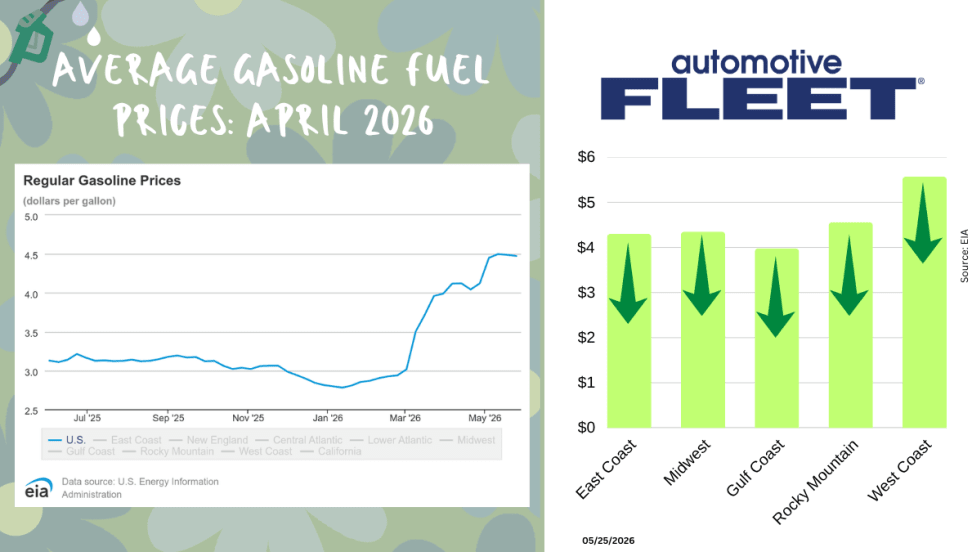
May Fuel Update: All Regions Experience Declines
Gas prices are finally easing in much of the country, but experts warn global tensions could quickly reverse the trend as the national average remains well above last month’s levels.
Read More →