




Looking to the Cloud
Before "reaching for the clouds," fleet managers should understand how this evolving technology can reduce costs and increase productivity.
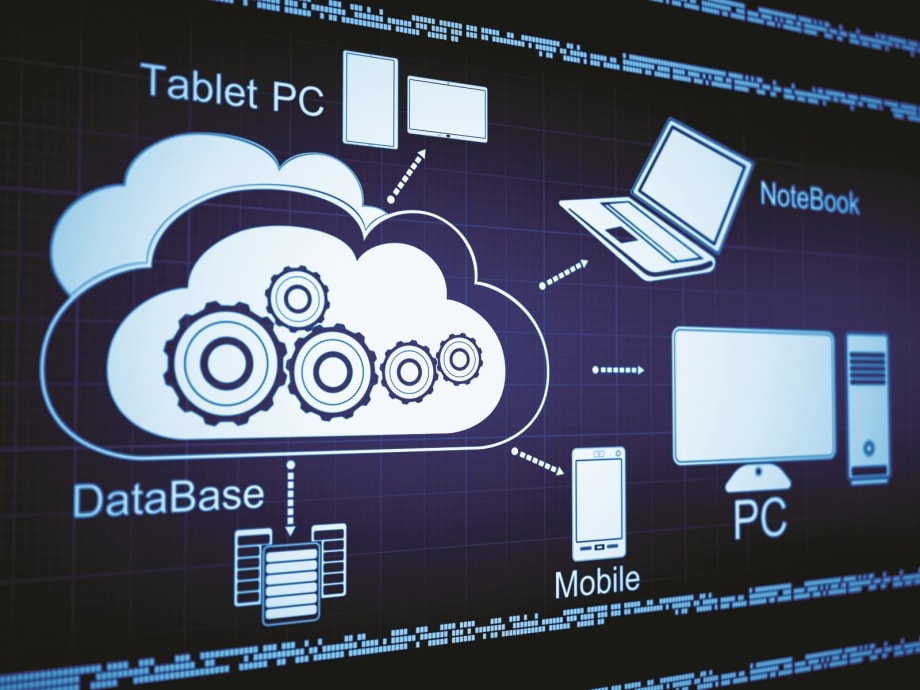
Photo via iStockphoto.com/vertigo3D
Photo via iStockphoto.com/vertigo3D
With computers, their related applications, and all of the hardware evolving at an ever-quickening pace, fleet managers need to know what can help and what can hinder.
One such technology, cloud computing, allows users to store information and software on a virtual server and work from any location.
Automotive Fleet (Business Fleet’s sister publication) spoke with John Edmunds, managing director of cloud solutions at Verizon Enterprise Solutions, about how fleet managers can benefit from adopting this new technology.
AF: What is the current state of enterprise cloud usage/application?
EDMUNDS: It is one of maturity, increased adoption by corporate customers, and one that is under continuous optimization to help customers solve real-world business challenges.
AF: How can fleets utilize the cloud?
EDMUNDS: Fleets have online access to vehicle data and can also use online data management and reporting tools to organize, manage and share vehicle data for informed fleet management decisions.
AF: How can this technology help fleets increase productivity and cut costs?
EDMUNDS: Cloud computing can help the fleet industry by becoming the “engine” that powers the applications. From a productivity standpoint, the enterprise cloud moves the burden of infrastructure management and ongoing maintenance to the solution provider freeing up resources to focus on strategic goals and objectives.
For example, it is becoming common practice to leverage the cloud with most collaboration solutions under a subscription-based model, which allows for more flexibility and agility.
AF: What are some of the options available to fleet managers?
EDMUNDS: The options available stretch across infrastructure as a service in both a self-managed and a fully managed solution on a global basis.
The self-managed solution is available in both a public or within a private, dedicated option. Additional services are being deployed on top of this foundation under a pay-as-you-go model.
AF: What infrastructure needs to be put in place?
EDMUNDS: There is no additional infrastructure required to be put in place. In addition to the existing security, customers are able to bring with them to the environment additional dedicated security technologies, such as intrusion detection/prevention appliances, as well as dedicated networking technology.
AF: What type of fleet-related software/information can be hosted on the cloud?
EDMUNDS: Any industry application can be created or moved to our cloud solution as long as it can be virtualized. In fact, we can enable the migration of an existing application through a one-click provisioning process that protects the data in transit and at rest while in our environment.
AF: What is the return on investment (ROI) for fleet managers?
EDMUNDS: We don’t have specific metrics to share, but on an industry-wide basis we are seeing a 21-percent growth of virtual machines and a 65-percent growth on storage resources.
[PAGEBREAK]
AF: What is the greatest argument in favor of cloud technologies?
EDMUNDS: The greatest argument for the cloud centers around the ability to quickly (within minutes) add and remove resources to keep pace with the corporation’s goals and objectives in serving their end-user customers.
This allows for greater agility, flexibility and efficiencies. As cloud computing has evolved, so has the ability to move applications and workloads to an industry compliant platform.
AF: How can moving to the “cloud” help fleet managers track their vehicles better?
EDMUNDS: Offered as software as a service, which is in the “cloud” available online, telematics provides 24/7 visibility into fleet assets with access to near real-time vehicle data such as mileage, speed, fuel consumption, idle time and diagnostic trouble codes to improve operations and reduce costs.
The system also offers expansive integration capabilities, enabling fleet managers to automate tasks and reduce workload.
Solutions consist of in-vehicle hardware and an online application. Each in-vehicle unit automatically transmits vehicle and asset data over a secure wireless network to the data center.
Users can access the secure website to set and receive vehicle alerts, track vehicles and monitor driver behavior. Using PCs, smartphones or tablets, managers monitor data anywhere to make fleet management decisions.
Originally posted on Work Truck Online
More Global Fleet
Holman Takes Full Ownership of ARIZA in Mexico
Holman is bringing its Mexican fleet management operation fully under its own brand after more than 30 years as a joint venture. The change gives multinational fleet customers a single Holman operation across the U.S., Canada, and Mexico.
Read More →
Proven Ways to Reduce Work Truck Downtime
The age-old problem of downtime will always be a reality, but with new strategies at hand, fleets have more ways to keep trucks on the road longer.
Read More →
The Top 300 Commercial Fleets
The Top 300 Commercial Fleets: See the List
Read More →

Cameras, Safety and Insurance: From Reactive Claims to Real-Time Prevention (Part 2 of 2)
Part Two: Commercial auto remains one of the most challenging and costly lines of coverage for fleet operators and insurers alike. Continue learning more about how to effectively address these issues from Onur Aksan, Enterprise Business Development Executive, Geotab
Read More →
Cameras, Safety and Insurance: From Reactive Claims to Real-time Prevention
Commercial auto remains one of the most challenging and costly lines of coverage for fleet operators and insurers alike. Learn more about how to effectively address these issues from Onur Aksan, Enterprise Business Development Executive, Geotab.
Read More →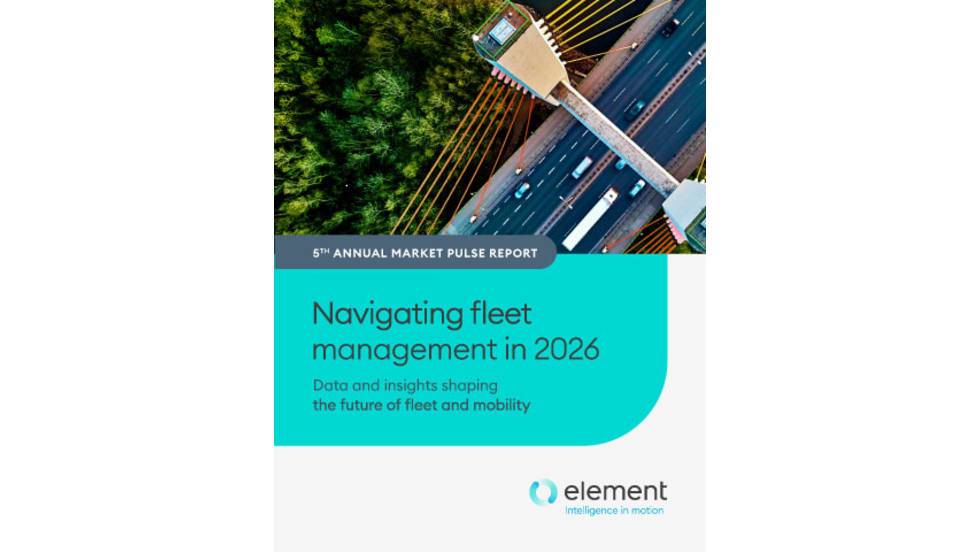
Fleet Costs Are Rising: Here’s How Leaders Are Responding
Fleet leaders are under pressure to reduce costs, adapt to economic uncertainty, and make smarter decisions. See how peers across North America are responding with real data, proven strategies, and forward-looking insights. Download the 2026 Market Pulse Report to benchmark your strategy and uncover where you can gain an edge.
Read More →
Enterprise Fleet Management Surpasses 900,000 Vehicles in U.S. & Canada
Enterprise Mobility connects with mobility solutions around the globe
Read More →
Automotive Fleet's Guide to Fleet Electrification
Unlock the secrets to a successful transition to electric fleets with Automotive Fleet's comprehensive Fleet Electrification Guide!
Read More →
Sumitomo Rubber Industries to Acquire Viaduct
Viaduct will join Sumitomo as an independent subsidiary. Partnership strengthens global reach and accelerates AI-driven innovation for fleets and manufacturing.
Read More →