




Internet Vehicle Ordering Saves Times & Increases Residuals
Hoffmann-La Roche doesn't miss its paper-bused vehicle ordering system. By ordering via the Internet, it has saved five weeks of administrative time, minimized vehicle ordering errors, and increased residuals by $200- $300.
With its old paper-based ordering system, the fall replacement cycle for the vehicles of Hoffmann-La Roche in Nutley, N.J, typically ran for up to 3 months.
With its new Internet ordering program from Wheels Inc., all replacement orders are being processed within 30 days.
"The savings from this program were tremendous," said Michael Bieger, supervisor of Fleet Services for Hoffmann-La Roche. "I estimate that we saved at least five weeks of administrative time, plus several hundred hours of driver time during this order cycle. We had no errors in t h e vehicle order process, in part because this system eliminates handling of paperwork. Whenever paperwork passes from one person to another, you always have a chance for error. And we increased our vehicle residual value by $200 to $300 per vehicle because we were able to resell them faster."
Hoffmann-La Roche operates a fleet of approximately 2,800 vehicles and replaces one-third of its vehicles each year in two separate ordering cycles, one in the spring and one in the fall. Approximately 450 ears are replaced each cycle. For the fall 1098 replacement cycle, all orders were processed through the Wheels Internet program, which was developed at the request of Hoffmann-La Roche. Each Hoffmann-La Roche driver is assigned a specific password. The password enabled the driver to access the well page and also restricted the driver to the types of vehicle he or she was qualified to order. The Hoffmann-La Roche ordering page works with any of the major Internet browsers. The drivers can access the page from any computer with modem and Internet software.
The driver can order the vehicle using a computer at Hoffmann-La Roche, with a laptop on the road, or from his home. The "order anywhere" feature was one of the requests Hoffmann-La Roche had for the system. The program can be modified to restrict ordering to specific computers at corporate, headquarters or district offices.
Once the driver has entered the webpage, easy-to-follow prompts guide the driver through the entire selection process. The driver chooses the basic vehicle, and then outfits according to the various option packages ordered by the carmaker.
Some of the options are paid for by Hoffmann-La Roche, but others are driver-paid. If the driver is planning to purchase the vehicle for his or her personal use when it comes off lease, the driver often upgrades the vehicle with additional features. The cost for these options is billed directly to the driver.
More Operations

Fleet Has a Talent Pipeline Problem. What Comes Next? | AF News Recap
Where will fleet’s next generation of leaders come from? This week, we’re looking at the industry’s talent pipeline, what certification can add to a fleet career, how to build an award-worthy track record, and the return of Automotive Fleet’s Personal Use Survey.
Read More →
Smith System Launches Driver Risk Management Program
Fleets have more driver data than ever, but identifying risky behavior doesn't necessarily correct it. Smith System's new Driver Risk Management program combines monitoring, training, and follow-up coaching to help fleets connect risk signals with driver intervention.
Read More →
Automotive Fleet Opens 2026 Personal Use Survey for Commercial Fleet Managers
Less than two weeks left! Commercial and corporate fleet managers are invited to share how their organizations handle company vehicle personal-use policies, charges, and driver eligibility.
Read More →
From AI Prompts to AI-Generated Safety Songs | AF News Recap
Can better prompts make AI more useful for fleet managers? This week, we’re breaking down smarter fleet analysis, an AI-assisted experiment that turned safety training into music, and what happened to fuel prices in August.
Read More →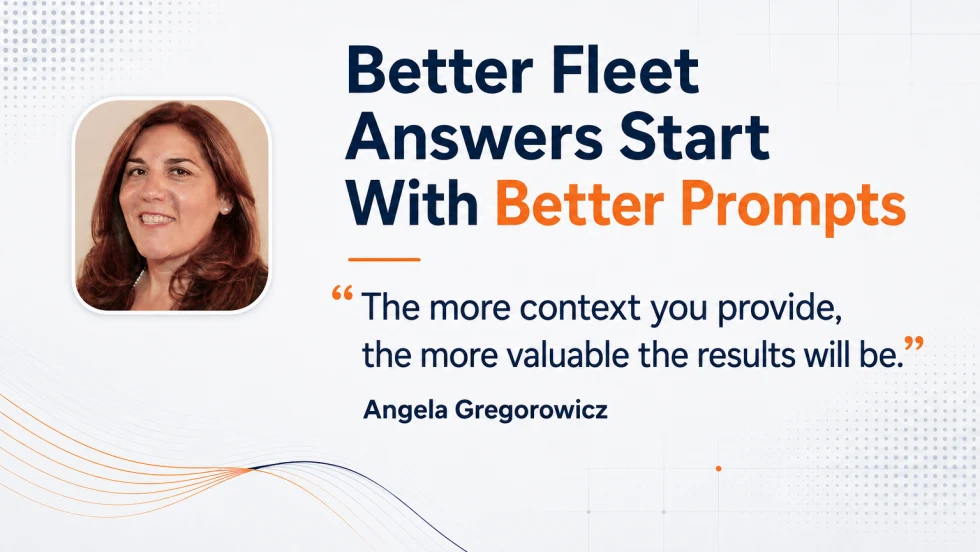
How to Write Better AI Prompts for Fleet Analysis
Include these six elements in your fleet prompts to generate more relevant analysis and accurate answers.
Read More →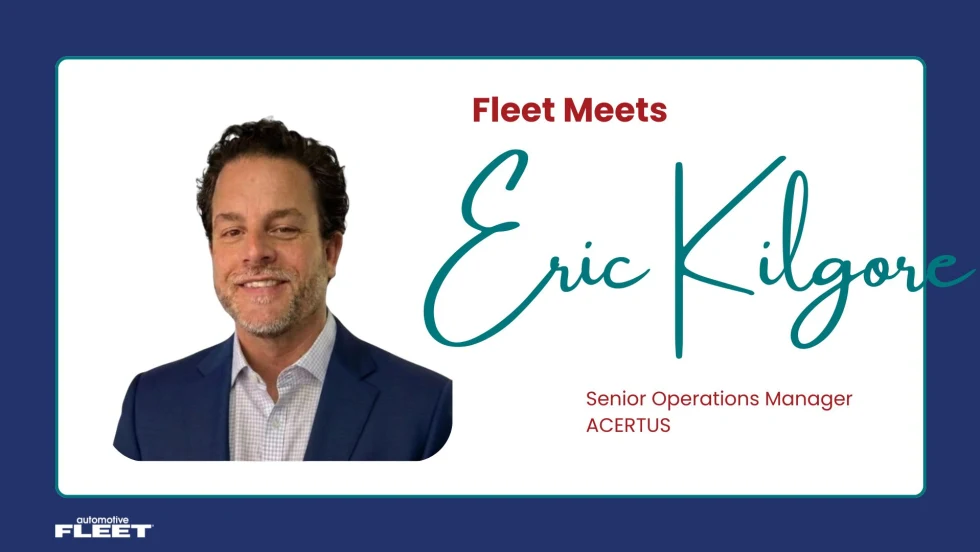
Fleet Meets: Eric Kilgore
This edition of the Fleet Meets series features one of the industry's best leaders driving multi-market and national operations.
Read More →
Why Reactive Fleet Management Is Becoming Too Expensive to Sustain
Research highlights a growing need for proactive management strategies to address rising costs in fleet operations effectively.
Read More →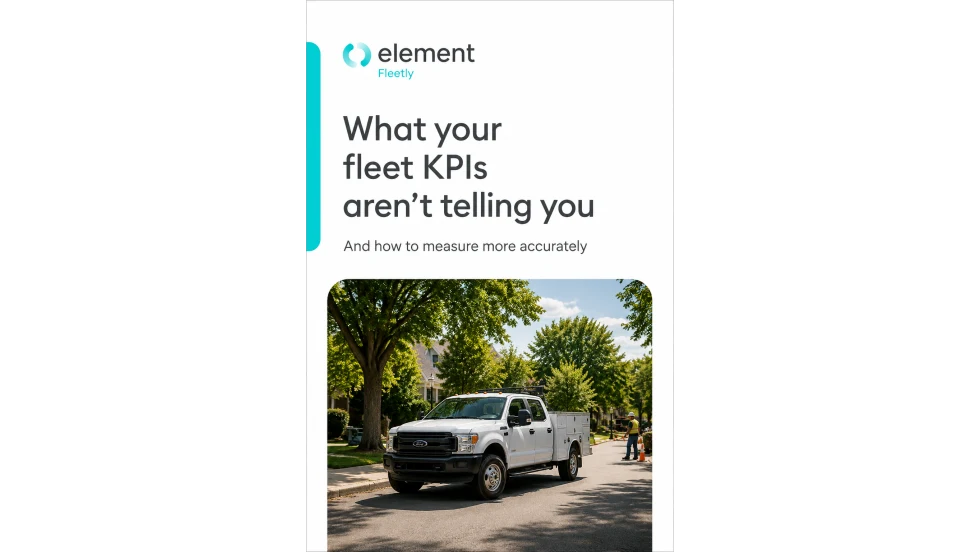
What Your Fleet KPIs Aren’t Telling You
Tracking fleet metrics is only useful when the data leads to better decisions. This guide helps fleet leaders assess cost, utilization, and downtime more accurately, identify performance gaps, and prioritize the actions that can improve operational results.
Read More →
Hidden in Plain Sight: Fleet Compliance Risks
Fleet compliance isn't just about having policies — it's about consistently enforcing them. This practical guide reveals six hidden compliance risks common in public sector and shared fleet operations and outlines proven strategies to improve visibility, accountability, and audit readiness
Read More →
Turning Fleet Payment Data into Executive Insights
Does data alone drive results in operations?
Read More →