




Innovari II: Taxi Of The Future
United States Steel unveils a safety-loaded prototype that may be crowding tomorrow's streets. This five-passenger, climate-controlled cab, features a "uniguard" crash system built into the body shell...
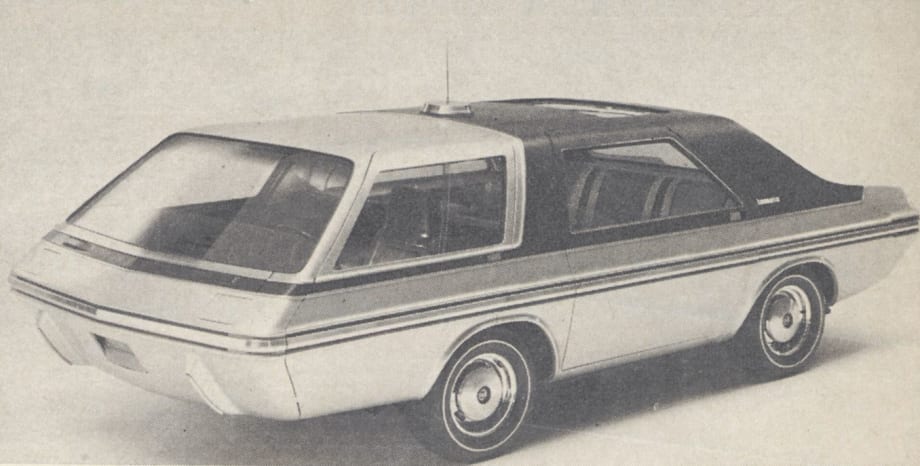
A new breed of taxicab, a showcase of design and engineering ideas, has been unveiled by United States Steel.
Designated the Innovari II, the five-passenger fully operable vehicle has a 90-inch wheelbase to facilitate quick turnarounds in city traffic. It has an over-all length of 198 inches and stands 62.5 inches high.
The cab is completely climate controlled with twin heaters, air-conditioning and an air purifying system. Driver and passenger compartments can be controlled separately. Other passenger comfort features include television, hi-fi stereo and an electrically operated sun roof.
While the body design and interior features are new, the basic frame, engine, power steering and brakes are conventional.
One major structural innovation is a specially designed "uniguard" crash protection system built into the body shell. Concealed within the sides, front and rear of the body above bumper height, is a box section perimeter steel guard which adds protection from impact collisions. The "uniguard" features a wedge action between the doors and pillars, providing a continuous protective beam around the vehicle.
An additional safety feature is built-in roll bars which are welded to the chassis and encircle the body and roof interior over the passenger and driver compartments.
The prototype vehicle has extra wide, easy open doors. Each door swings on a single specially designed, stamped door hinge.
Some of the other features in the futuristic, cab include:
An instrument panel designed to minimize knee and head injuries. Tire instrument cluster is supported on a formed and padded metal panel facing the driver. It can be designed with a rear wall section that is slotted and folded in order to permit a controlled rate of compression on impact.
The roof panel over the driver, forward baggage compartment, and wheel covers, are made of stainless steel.
Luggage compartment in the right front as well as rear of vehicle for more storage.
Fixed partition separating driver and passengers made of a transparent, non-breakable polycarbonate material.
Driver console controls for opening, locking and unlocking all doors.
Jump seats concealed flush within the bulkhead to provide more passenger leg room.
Coin return chute between driver and passenger.
A sturdy inexpensive perforated steel safety panel between trunk and passenger compartment to prevent intrusion of objects from the rear baggage compartment into the passenger area in the event of head-on collisions.
Innovari II, an experimental prototype taxicab, was developed by United States Steel to dramatize the versatility of steel as an automotive design material. Some of the unique concepts embodied in the cab include a high-strength steel "uniguard" crash protection system; roll bars that encircle the body and roof interior; and heavy-duty single steel hinges for doors rather than conventional double hinges. The cab also has such built-in comfort features as air-conditioning, an air purifying system with separate controls for passenger compartment, television, AM-FM stereo, coin return chute between driver and passenger, and retractable sun roof in passenger compartment.
More Operations

Here's When You Should Make an Exception to Fleet Policy
Fleet policies are designed to create consistency, but not every driver or situation fits neatly within standard rules.
Read More →
AI-Native or AI-Acquired: What Should Fleet Managers Look for in an AI Platform?
Six questions can help fleet managers look beyond AI marketing claims to evaluate integration, data access, and real-world operational performance.
Read More →
A buyer's guide to fleet management software in 2027
Buying fleet management software in 2027 means looking beyond features and price. As fleet operations, technology and expectations evolve, this guide explores what today’s fleet professionals should consider when choosing a system that can deliver value now and adapt to what comes next.
Read More →

What Will Shape the Next Era of Fleet Management?
EVs, AI, and autonomous vehicles are reshaping fleet management. Discover what’s ahead—and how fleet leaders can prepare for the next era.
Read More →
How Fleets Can Recruit and Train Veterans for Technician Roles
Here's how the technician shortage has affected uptime for fleets, and what to do about it.
Read More →
Avis Budget Group Deploys Neology Toll Management Technology Across Major Brands
Neology’s neoFleet platform will manage toll transactions and toll-authority operations for vehicles across Avis, Budget, Payless, Budget Truck and Zipcar.
Read More →
Fleet Personal-Use Charges Edge Higher in 2026
Nearly eight in 10 surveyed fleets allow personal use of company vehicles, while just over half of respondents report charging employees for the privilege.
Read More →
The Future of Fleet + What’s Changing Right Now | AF News Recap
Could developments overseas offer a preview of what’s coming for U.S. fleets? This week, we’re looking at the future of AI, autonomy, and electrification, plus Ford Pro’s new certified pre-owned program, smarter vehicle offboarding, and a new way for fleets to manage toll expenses.
Read More →
How to Handle Vehicle Offboarding
What do fleet managers need to do when a driver leaves?
Read More →
Fleet Manager’s Ultimate Playbook: Navigating the New Standard in OEM Connectivity
Rising operating costs, driver safety concerns, and unplanned downtime are putting unprecedented pressure on modern fleets. Discover how fleet managers use embedded OEM connectivity and real-time vehicle data to cut TCO, prevent downtime, and protect drivers without aftermarket telematics hardware.
Read More →