




Identifying Best Practices in Fuel Management
Boost fleet efficiency with a custom fuel management program that cuts costs, improves security, and streamlines driver fueling.
August 1, 2007

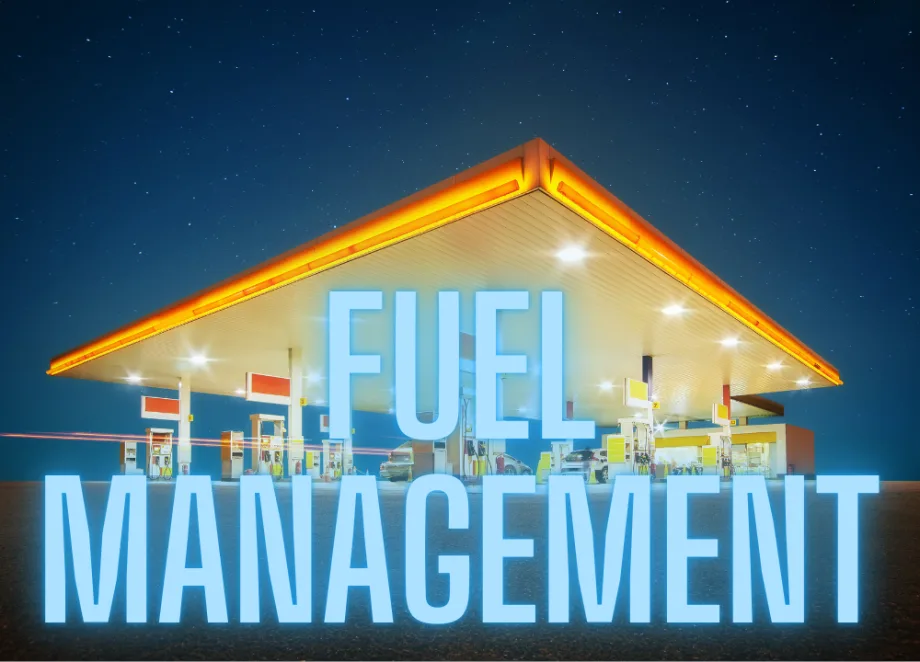
To ensure a productive agreement with a fuel management vendor, request your fleet needs, know why you’re implementing a fuel program, stay flexible, educate yourself about the process, and treat the fuel program as a partnership with the vendor.
Photo: Work Truck
5 min to read
A custom-designed fuel management program allows fleet businesses to control expenses, address problems, and simplify operations effectively.
Increase Fuel Card Benefits by Applying Best Practices
Primary benefits of most fuel programs include:
Reduction or elimination of administrative time and expense associated with fueling vehicles.
Lower fuel prices available at an ever-growing member network of dual-card accepting stations.
Driver convenience.
Increased security through PIN number use.
Electronic transaction capability.
Custom-designed billing (monthly, weekly, or as needed).
Multiple reports review and control every aspect of drivers’ fuel card use.
Exception reports that help pinpoint vehicle performance and maintenance needs, as well as identify problem vehicles.
Tax-exempt fuel services. Most fuel management providers handle adjustments for tax-exempt entities at the pump at the time of purchase.
Direct account access. Customers can view account status directly from their own desktops.
Service staff availability 24/7.
So, what best practices can be used to select, implement, and effectively manage a fuel management program? They include research, reporting, communication, and relationship-building.
Research Fleet and Fuel Needs
Once you decide to move to a fuel management program, be sure to assess your needs accurately. Researching the program you sign up for can help eliminate the wrong choice for your fleet. Designing a program around company requirements leads to greater savings.
The most successful fleet managers do their homework and work with a vendor who can meet their specific needs.
With so many fuel management partners available, it’s critical to detail what you need from a fuel card program.
Start by reviewing current fuel charges, billing, and payment systems. Track each current fuel-related expense to build a baseline from which you can work.
Also, list basic facts about your fleet:
How many and what type of vehicles does your company operate?
How many drivers?
What types of drivers, e.g., executives, sales, and service technicians, and what are their different needs on the road?
How many miles per week/month/year does your fleet travel?
What kind of budget information do you need to manage drivers effectively? How often do you need this information?
How do you currently track fleet fueling procedures?
What fueling controls are in place now? Are they effective?
How do you pay fuel bills?
Reviewing these basic questions helps determine the type of fuel management program needed and will aid in writing a proposal request (RFP) for multiple vendors.
What type of card and account restrictions will best suit your needs? Restricted cards that limit purchases to fuel only may be appropriate for delivery and route drivers. However, your executives or salespeople may need unrestricted cards that allow additional purchases.
Do you need to limit the dollar amount per transaction or the number of transactions per day?
What reporting level will service you best — summary, detailed, or online?
What kind of billing schedule will be most efficient for you? Fuel bill payment can be negotiated at the time you sign up for a managed fuel program and can be structured in a format that best suits your company processes — daily, weekly, monthly.
Accurate, Comprehensive Fuel Reporting is Critical
Reporting is a key element to a successfully managed fuel program, so determining reporting needs up-front is paramount.
Questions to consider include:
Do you need reporting that highlights exceptions and flags questionable purchases?
Do you need online account access to instantly obtain driver and vehicle information, providing the ability to run ad hoc queries of fleet purchases or driver activity?
Do you need full data-capture capability? (Knowing exactly who purchased what, where, and when for any vehicle in your fleet?)
Exception reports also lead to effective fuel management by keeping drivers accountable. These reports help track down card misuse, which means cost savings.
Exception reporting provides complete transaction data by vehicle, including driver, location, date, and time of transaction. Fleets can choose the exceptions they want reported and establish limits for each.
Research All Available Fuel Management Programs
Once you know your fuel management needs, you can select a program from a long list of fuel management suppliers. Fuel companies and major credit card companies all have programs through which a fleet can manage fuel purchases. In addition, some companies specialize only in fleet fuel management.
Meet with several suppliers to see which will most closely match your needs. Do not hesitate to ask for special considerations; most fuel management providers will fine-tune programs for your specific needs.
If you write an RFP at this stage, remember to focus on your specific fleet needs. Keeping an open mind throughout the RFP process increases your chances of choosing the best possible program.
A full demonstration of a supplier’s system allows the fleet staff to ask questions and visually experience the program’s capabilities.
When you’re ready to roll out a new fuel card program, communication to drivers is critical. Supply drivers with a comprehensive fuel card policy document. Determine how your vendor will assist in driver training.
Build and Maintain a Strong Vendor Relationship
Building and maintaining a strong relationship with a fuel card provider can help reduce company costs.
Most problems between vendor and fleet arise out of poor communication and a failure to understand the fleet’s needs and how the vendor will meet those needs. Create open lines of communication from the outset.
It’s important to remember that the most fruitful business partnerships involve some give and take. While you must guarantee that your fleet’s fuel needs are met, it is possible to ask for too much or something that’s beyond a vendor’s control. Failing to recognize these instances increases the risk of a negative experience.
Occasionally, communication must extend to a third party, such as a lessor. When something goes wrong with fuel cards, don’t panic. Immediate communication with the vendor can lead to a quick resolution.
Best Practices Ensure a Successful Program
Successful program research and cost savings leave little doubt about the advantages of managed fuel. Following the best practices described above leads to successful fuel management programs.
To ensure a productive agreement with a fuel management vendor, request your fleet needs, know why you’re implementing a fuel program, stay flexible, educate yourself about the process, and treat the fuel program as a partnership with the vendor.
Subscribe to Our Newsletter
More Fuel
Fuel Prices Surge in September | September Fuel Update
September brought major fuel price swings, including diesel crossing $6 a gallon. Here’s how gas and diesel prices changed throughout the month, and where they stood heading into October.
Read More →
Turning Fleet Payment Data into Executive Insights
Ramel Lindsay of U.S. Bank Voyager discusses how fleets can transform payment and transaction data into actionable intelligence to reduce costs, improve oversight, and support executive decision-making.
Read More →
Why the IRS Raised Its Mileage Rate in the Middle of 2026
Fuel-price volatility drove the rare increase to 76 cents per mile, the fifth midyear adjustment since 2000.
Read More →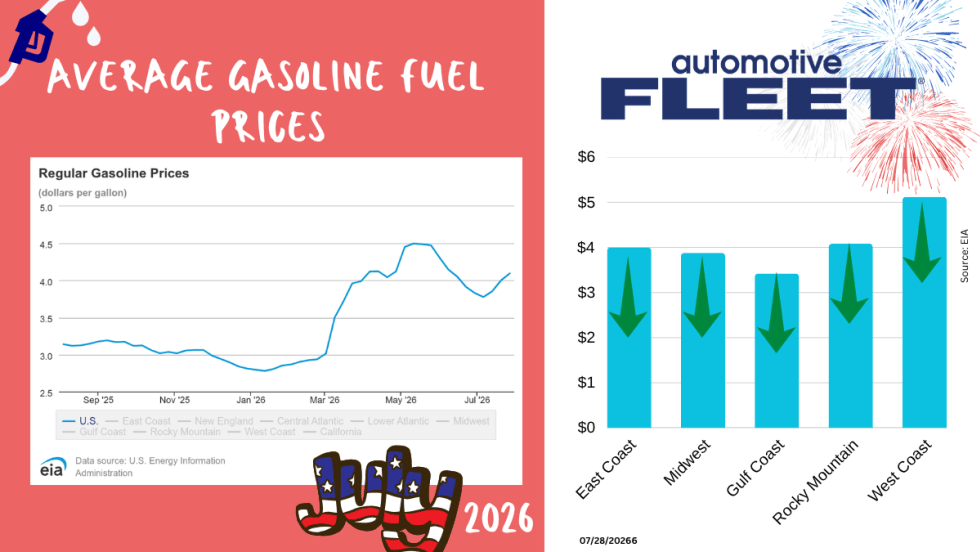
July Fuel Update: Prices Keep Rising in Light of More Conflict
Gas prices continue to rise as more and more conflicts do, too.
Read More →
Bob Adamsky on Fuel Volatility: "Don't Panic, Have a Plan."
When it comes to up and down fuel prices, Adamsky has a message for fleets: “Don’t panic.”
Read More →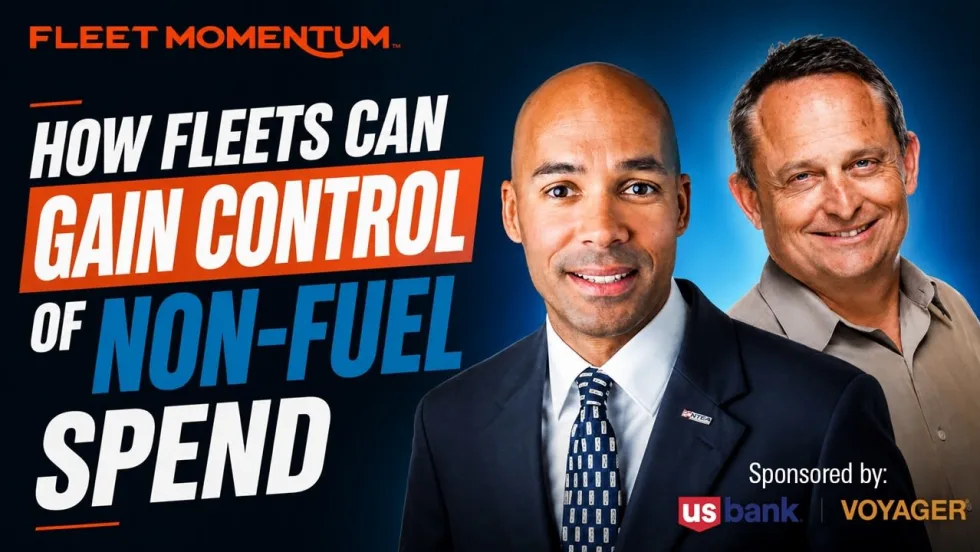
How Fleets Can Gain Control of Non-Fuel Spend
Fuel often gets the spotlight, but non-fuel expenses can have a major impact on fleet costs. Ramel Lindsay of U.S. Bank Voyager discusses how fleets can gain better visibility and control over these often-overlooked expenditures.
Read More →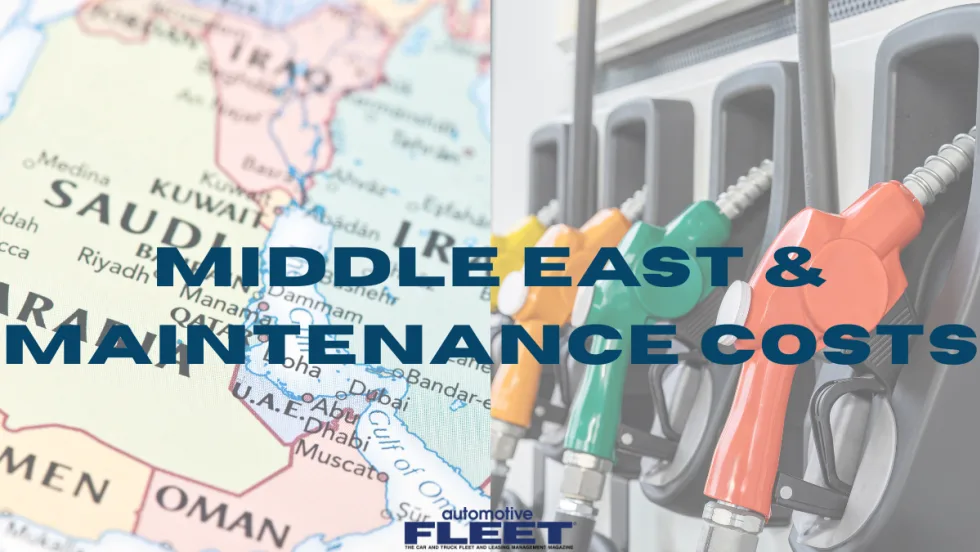
Fuel is Just the Start: How Middle East Tensions are Driving Up Fleet Maintenance Costs
The Middle East conflict is doing more than pushing up fuel prices. It’s also raising the cost of key maintenance products your fleet depends on, from motor oil to tires to windshield wipers. Here’s what you need to know about this budget-busting situation.
Read More →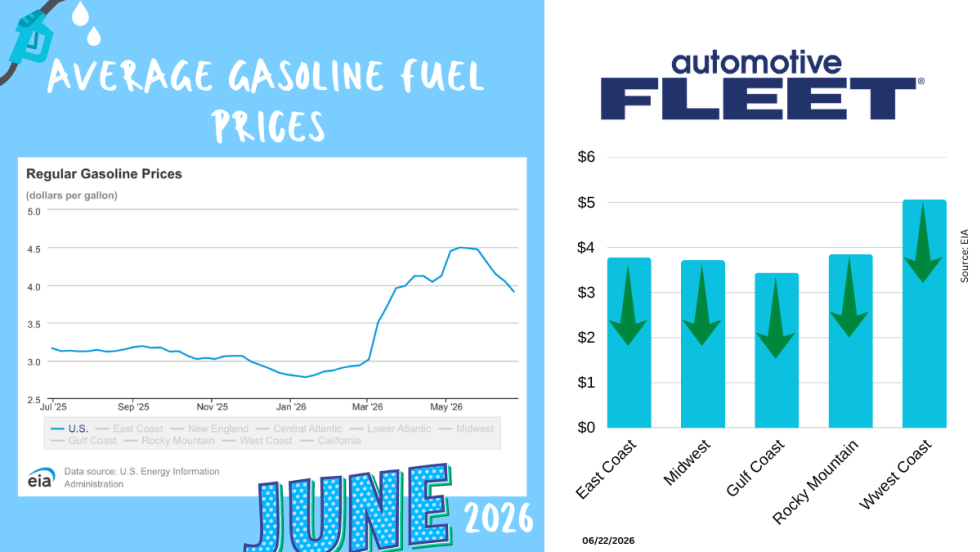
June Fuel Update: Prices Fall Below $4
Drivers are finally getting some relief at the pump. The national average gas price has dropped below $4 a gallon for the first time in months, with prices falling in 47 states as oil markets react to developments in U.S.-Iran negotiations.
Read More →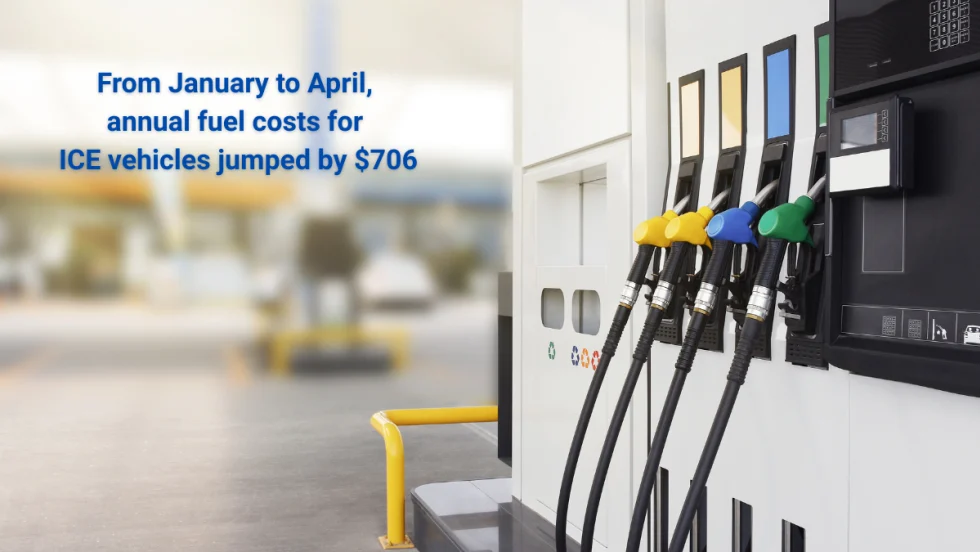
Study: How 2026's Gas Price Hikes Affect Different Vehicle Types
New data from iSeeCars reveals how rising fuel costs have affected different vehicle segments as gasoline prices climbed nearly 46% over the past four months.
Read More →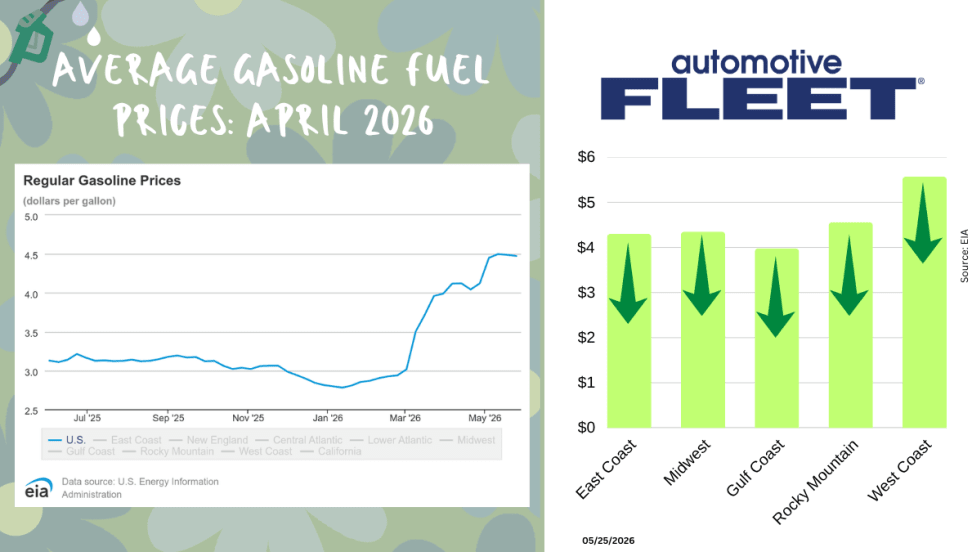
May Fuel Update: All Regions Experience Declines
Gas prices are finally easing in much of the country, but experts warn global tensions could quickly reverse the trend as the national average remains well above last month’s levels.
Read More →