




HVAC Service Fleet Chooses Bi-Fuel Propane Autogas
The Elk Grove Village, Ill., HVAC company recently converted 90 percent of its fleet to gasoline/LPG bi-fuel systems, significantly reducing fuel and maintenance costs.

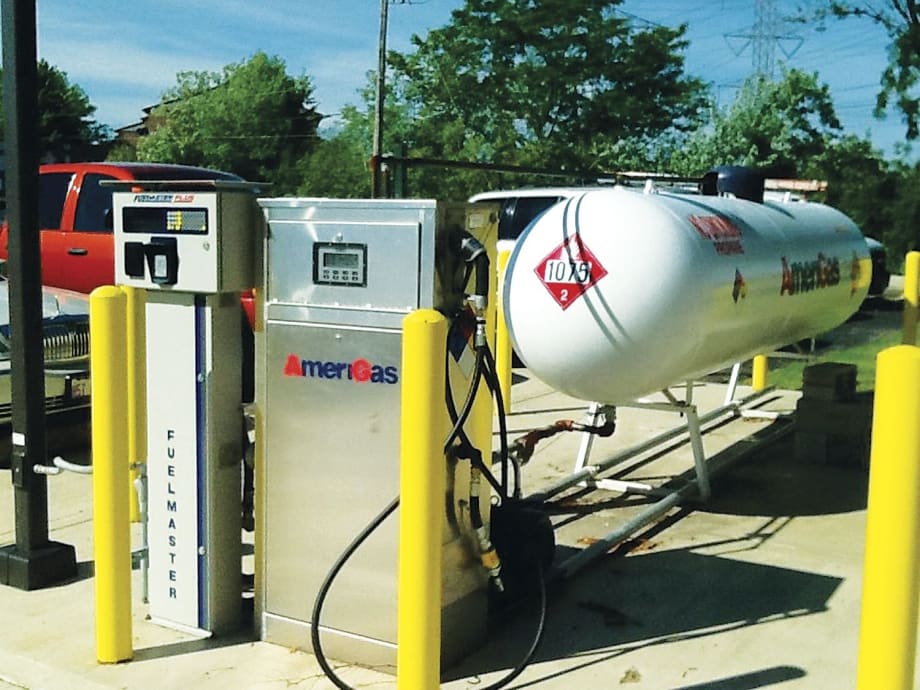
Temperature Service Company spent nearly a year researching its options before deciding to mov forward with gasoline/LPG bi-fuel systems. Photo courtesy of Temerpature Service Company
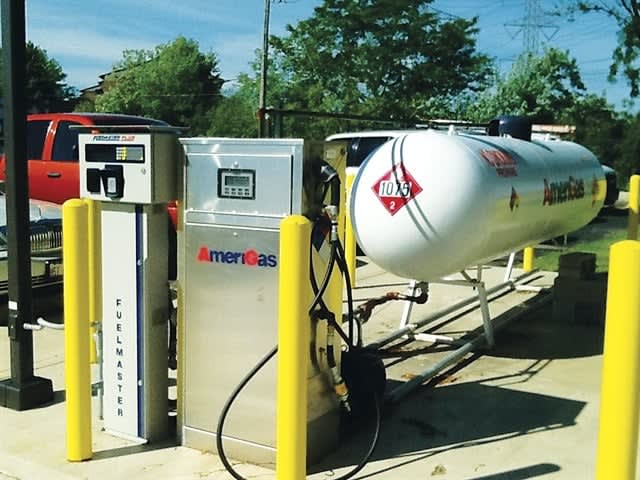
Temperature Service Company spent nearly a year researching its options before deciding to mov forward with gasoline/LPG bi-fuel systems. Photo courtesy of Temerpature Service Company
Between its approximately 50 fleet vehicles, Temperature Service Company was burning about 100,000 gallons of gasoline per year. With prices on the rise, fuel usage seemed like an obvious area for improvement.
“We wanted to keep our costs to a minimum to meet our customers’ fiscal needs as well as our own,” said Scott Templin, president of the 30-year-old commercial/industrial air conditioning, heating, and refrigeration service and installation company located in Elk Grove Village, Ill.
So, the company decided to take aim at its fuel budget. To accomplish its goal, Temperature Service Company decided to convert 90 percent of its fleet — 40 Chevrolet 2500 service vans, three Chevrolet Silverado 2500 pickup trucks, and two Ford Edge sales vehicles — to bi-fuel systems running on both gasoline and liquefied propane gas (LPG), also known as propane autogas. And, the switch has paid off.
“The State of Illinois Environmental Protection Agency (EPA) provided us with an incentive of up to $4,000 per vehicle to switch to propane autogas,” Templin said. “Propane autogas is currently about 50 percent of the cost of gasoline. So, between fuel savings and incentives, our return on investment was about nine months.”
Converting to Meet Company Needs
As is typical for fuel conversions, the change didn’t happen overnight. The HVAC company spent nearly a year researching its options before deciding to move forward with bi-fuel systems, where a single vehicle runs on both gasoline and LPG. Although these systems work independently from each other, the changeover is unnoticeable and is automatically controlled by the vehicle’s internal computer.
“If, for some reason, LPG is not available for refueling, the vehicle runs on gasoline like it always has — without having to do anything other than to fill the fuel tank,” Templin said.
Once the company committed to bi-fuel systems, it took roughly nine months to convert the fleet.
“The largest challenges have been finding a qualified company to perform the installs and being able to refuel the vehicles we put on the road,” Templin said. “Fortunately, we found a company in our area named Natural Fuel Motorworks to perform the installs.”
To minimize refueling stops to once a week or less, the company chose to redesign its vehicles to install maximum capacity fuel tanks holding approximately 50 gallons each.
“We also installed our own refueling system at our shop at a very reasonable cost so employees can refuel 24/7,” Templin said.
Bi-Fuel Paying Off
Although it took time and resources to convert to gasoline/LPG bi-fuel systems, the conversion paid off.
“Our business will run at a lower overhead cost, which we pass along to our customers by way of lower pricing,” Templin said. “Propane autogas also runs cleaner and at a higher octane than gasoline, so I see my fleet running with greatly reduced maintenance costs, and I anticipate getting a 100-percent increase in my engine life, thus increasing the years between replacing the vehicles.”
The company has also negotiated with a local propane autogas supplier to lock in a competitive cost for the alternative fuel for one year; it can renegotiate every year thereafter.
With the benefits of the conversion clear, Templin said the company won’t hesitate to leverage propane autogas in the future.
“We will always be purchasing future fleet vehicles with propane in mind,” Templin said.
Related:
More Fuel
Fuel Prices Surge in September | September Fuel Update
September brought major fuel price swings, including diesel crossing $6 a gallon. Here’s how gas and diesel prices changed throughout the month, and where they stood heading into October.
Read More →
Turning Fleet Payment Data into Executive Insights
Ramel Lindsay of U.S. Bank Voyager discusses how fleets can transform payment and transaction data into actionable intelligence to reduce costs, improve oversight, and support executive decision-making.
Read More →
Why the IRS Raised Its Mileage Rate in the Middle of 2026
Fuel-price volatility drove the rare increase to 76 cents per mile, the fifth midyear adjustment since 2000.
Read More →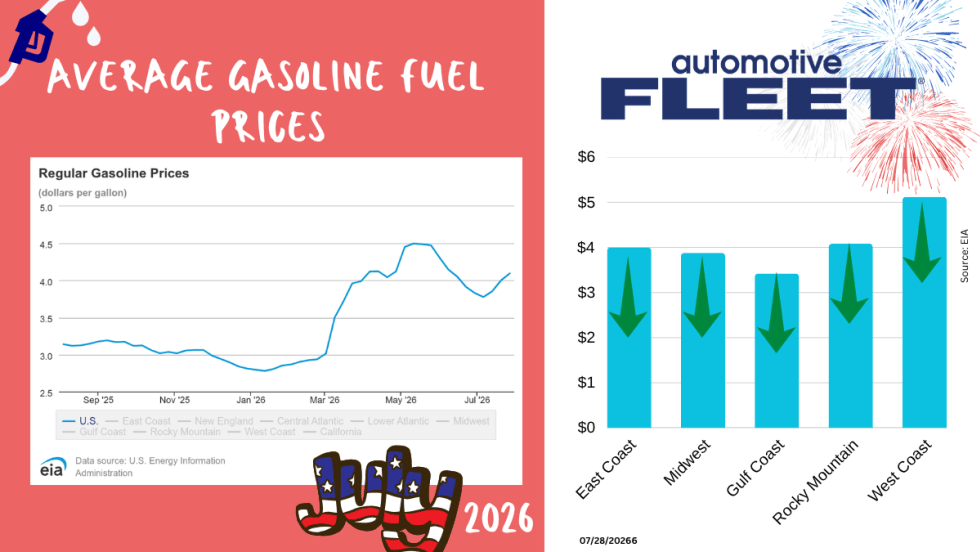
July Fuel Update: Prices Keep Rising in Light of More Conflict
Gas prices continue to rise as more and more conflicts do, too.
Read More →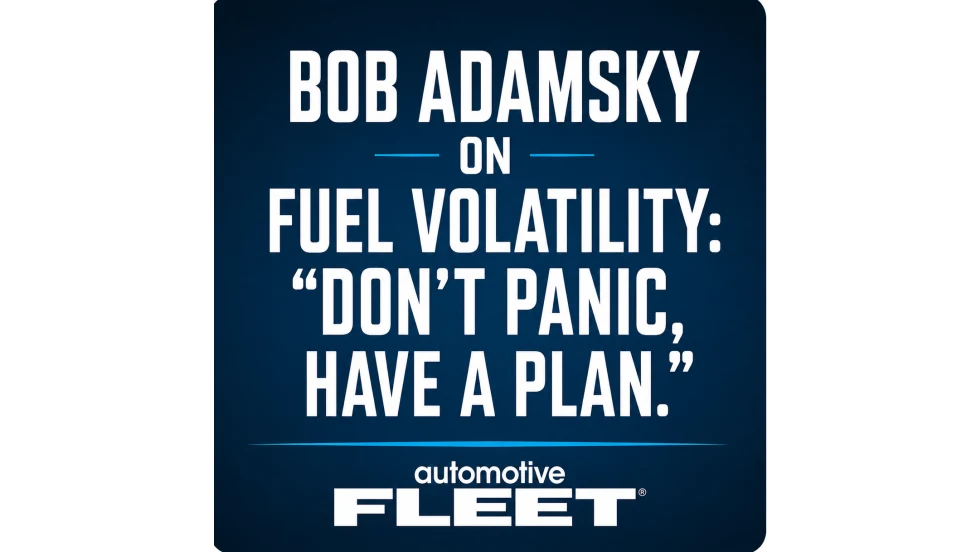
Bob Adamsky on Fuel Volatility: "Don't Panic, Have a Plan."
When it comes to up and down fuel prices, Adamsky has a message for fleets: “Don’t panic.”
Read More →
How Fleets Can Gain Control of Non-Fuel Spend
Fuel often gets the spotlight, but non-fuel expenses can have a major impact on fleet costs. Ramel Lindsay of U.S. Bank Voyager discusses how fleets can gain better visibility and control over these often-overlooked expenditures.
Read More →
Fuel is Just the Start: How Middle East Tensions are Driving Up Fleet Maintenance Costs
The Middle East conflict is doing more than pushing up fuel prices. It’s also raising the cost of key maintenance products your fleet depends on, from motor oil to tires to windshield wipers. Here’s what you need to know about this budget-busting situation.
Read More →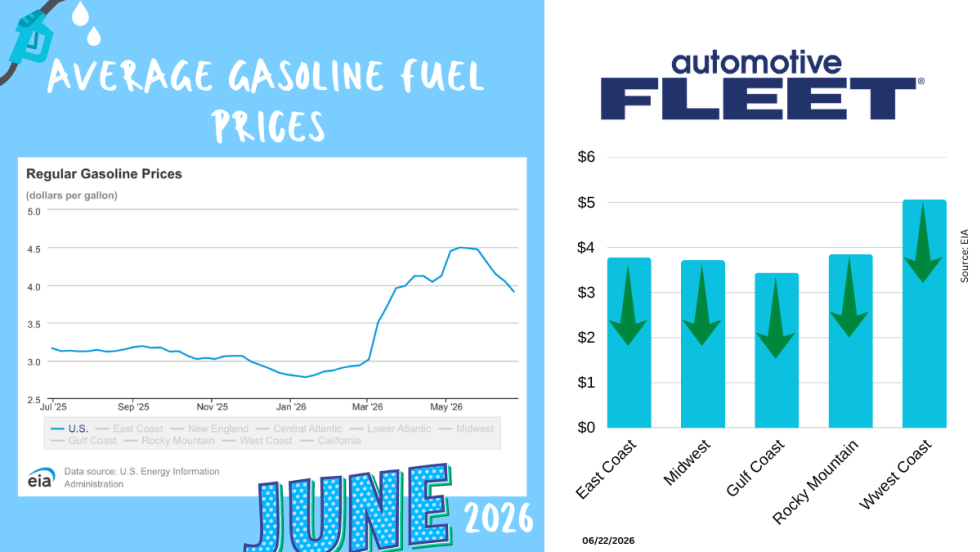
June Fuel Update: Prices Fall Below $4
Drivers are finally getting some relief at the pump. The national average gas price has dropped below $4 a gallon for the first time in months, with prices falling in 47 states as oil markets react to developments in U.S.-Iran negotiations.
Read More →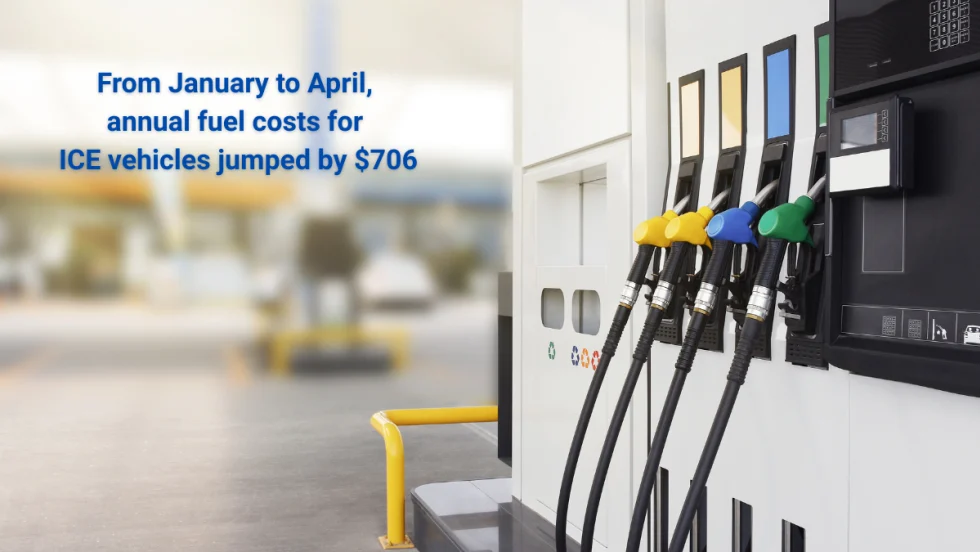
Study: How 2026's Gas Price Hikes Affect Different Vehicle Types
New data from iSeeCars reveals how rising fuel costs have affected different vehicle segments as gasoline prices climbed nearly 46% over the past four months.
Read More →
May Fuel Update: All Regions Experience Declines
Gas prices are finally easing in much of the country, but experts warn global tensions could quickly reverse the trend as the national average remains well above last month’s levels.
Read More →