




How to Properly Implement a Telematics Program
What’s the formula for achieving the greatest ROI on your telematics solution? Taking time up front to get the right solution for your needs and ensuring it’s properly implemented.

Managers should communicate goals for improvement, then thoroughly train employees on achieving them — and most importantly, reward them when they do.
Photo: istockphoto.com/zentilia
A telematics program can be a simple way to gain valuable insight into your fleet — and yields a speedy and ongoing ROI. Up front, it’s a significant investment of company time and dollars. But a careful and considerate approach to implementation at the outset will ensure you get buy-in from leadership and staff, find the right solution, and make the most of your telematics investment.
Start with these key implementation steps.
Define Goals and Set Expectations
Perhaps the most important step when considering making the telematics investment is gaining an understanding of what the return on that investment will be.
Matt Stock, president of U.S. Waterproofing, a basement and waterproofing company, says setting goals is the best place to start. “Reducing labor costs and increasing safety were our goals,” he explained, adding that the company began by looking at safety-related metrics, like speed notifications and labor-related information such as geofencing, which tells management if employees are spending time away from jobs. “Figure out your objectives and make sure vendors can help you meet them,” he said.
As you consider ROI, it’s important to set measurable goals, like reducing idling by 10 percent or saving 5 percent on fuel spend. It’s also important that ROI expectations are realistic. Telematics providers can help fleets understand common benchmarks to aim for.
To quantify actual ROI, fleet managers should compare costs before and after implementing a vehicle tracking system. Start by gathering information on current vehicle utilization and operating expenses before choosing and launching the system. This data should include vehicle usage, idle time, fuel consumption, miles-per-gallon, number of trips per day, and other areas that impact fleet performance. Tracking a fleet’s performance metrics over a period of months prior to installation will allow managers to compare and quantify the ROI.
Stock reminds us that telematics can yield information that isn’t tied directly to ROI — and that while intangible, this information is valuable nonetheless. “Let’s say you don’t want a driver on a certain road or visiting a certain vendor. While there may not be a number tied to it, there’s value in knowing where your fleet is,” he said. “Fleet is a major asset and you want to protect it. It’ll help you sleep better at night, too.”
Once ROI expectations are in place, key performance indicators (KPIs) should be established at the start of the project, as these become the dashboard of success that will drive continuous improvements. Once the program is up and running, continually review KPIs and communicate results to leadership and staff.
Gain Executive Buy-In
Gaining executive buy-in is critical — if executives don’t believe a telematics program is a wise investment, you likely won’t get the dollars to make the investment in the first place.
Fortunately, keeping executives informed at each step of the implementation process will help. Start by figuring out what keeps your CEO up at night. Telematics can address such a wide variety of problems faced by the executive team that it shouldn’t be difficult to match a feature with a pain point. Start at the top and figure out how fleet operations impact overall company goals. Then work backward to demonstrate how your team can make an impact on these goals with the help of telematics. Your argument will be very convincing.
For example, if improving customer service and driving more revenue is important to your CEO, look at better route and territory planning that allows you to better meet tight customer time windows. If the CFO is concerned about cost per case or overall profitability, an MPG improvement program focused on idle and speed reduction or overtime elimination will appeal to the CFO’s senses.
Once your goals and objectives are clearly defined, have a discussion about ROI. Making the business case for a telematics solution will be the tipping point.
Communicating with executives shouldn’t end with getting the go-ahead on a solution. Instead, involve them in the demo. Share how different providers can meet your needs. During a free trial, show them what data is gathered and how you use it to calculate savings. Buy-in shouldn’t be a challenge when proof of the significant savings and productivity gains are right in front of them.
After implementation, show executives how wise they were to have made the investment. Provide them with regular reports on hot button issues, like fuel savings, emissions reduction, or maintenance. For example, reductions in speeding can be correlated to fewer accidents and lower liability. Tracking vehicle diagnostics can be used to show reductions in maintenance costs and vehicle downtime. Track ROI over time and keep communicating it — and your executive team will see telematics dollars are well spent.
Determine Accountability
From the start, you’ll want to determine who will be the primary person to carry out the vision for what the company wants to achieve. A project sponsor will advocate for a telematics solution at every step of implementation and can make sure milestones are completed on time.
Management will need to be responsible for determining the reason for implementation, outlining short- and long-term goals, setting realistic ROI expectations, completing a budget review, communicating with employees, and ensuring the necessary resources are available.
Staff members should also play a role. Involve them in scheduled meetings and updates, mutually determine key criteria and concerns, and seek their input on how to review metrics and performance. “Designate someone to add and remove vehicles and handle reporting,” Stock said. “Decide who will get alerts and how they should act on them.”
Do Your Homework
When considering a telematics solution, it’s tempting to jump in and start contacting providers. But doing some homework before comparing companies will save you time in the long run.
Once you’ve assessed your fleet challenges and identified goals and objectives, research the benefits and features on the market and make a checklist of what you will require your provider to have. Identify what outcomes are important and then measure the vendors on their ability to achieve those outcomes.
You’ll also want to think about where your fleet will be five years from now. Will the technology offer value until 2020? You’ll want to make sure the data sets grow with your business, as some fleets get stuck with a product that restricts their ability to scale and grow. You might find yourself purchasing additional software from different vendors to meet new business requirements, for example, but this can result in crippling overhead costs.
Don’t forget that you may want to integrate data from systems in other areas of the company — think HR, finance, sales — with your telematics data. For that reason, looking for a company that gives you the ability to integrate third-party software applications with telematics solutions will ensure you don’t miss out on the power of sharing data.
Compare Providers
It’s time to compare providers. While cost is clearly a factor, it’s certainly not the only thing to consider. It’s easy to get caught up on the monthly per-unit price, but imagine the cost of getting stuck with the wrong provider — ROI will suffer and you’ll likely be investing in another solution sooner than expected.
“Vendors have different pricing structures and capabilities, so you’ll want to interview a few,” Stock said. “Make sure you really understand what you’re getting because you could be tied to a contract or technology that is hard to divorce yourself of.” Creating a checklist of requirements, then using the same criteria for each provider will make for an accurate comparison.
When searching for a telematics provider, Randy Truette, director of ambulance services for Washington County EMS, researched solutions for about six months before narrowing the list to eight companies. When it came time to choose, he knew which aspects were most important to the fleet.
“Service and support after sale was a top priority,” Truette said. “The solution we chose was one of the only vendors with a local presence, and their monthly costs after the sale were very competitive for the services they offered. Other vendors with similar costs didn’t have diagnostic monitoring or roadside service. It was an easy decision.”
Russell Paine, vice president of Paine’s Inc. Recycling & Rubbish Removal also compared eight providers before making a final selection. Paine and his team interviewed each using the same series of questions. All eight vendors made an onsite visit and provided a hands-on demo and presentation.
“We knew telematics could deliver a great deal of benefits to the company, but we hadn’t pulled the trigger yet,” Paine said. “My General Manager and I did all the interviews, and at the end we looked at each other and realized that there were not going to be any apples-to-apples comparisons.”
Purchasing a telematics solution was different from anything the company had ever bought before. Where the procurement process was usually speedy, selecting a telematics provider was a four-month process. But it was worth it. Paine plans to stay with the provider far into the future.
Get a Demo
Once you’ve narrowed your list of providers, request a demo from each. They’ll show you how the software works and you’ll get a feel for whether it’s intuitive or not. Ask them to walk you through a variety of scenarios, including:
Adding a driver or vehicle
Adding a new job or customer
Creating a territory or route plan or dispatch
Viewing route and stop history
Highlighting speed and idling alerts
How the data collected integrates with back-end systems
A provider should be able to offer a thorough live demo of the solution, answering any of your questions — no matter how stupid you think they might be.
Start a Pilot Program
After months of research and provider comparisons you’ll probably be ready to install the solution across the board and finally get started. But take a baby step first; conduct a pilot program on a subset of vehicles before purchasing the software. This will help you compare it to other solutions and get a feel for the ROI you can expect.
“Allowing us to pilot the product’s quality and accuracy by physically seeing it in action with our own trucks before making a commitment was hugely important to us,” said Joe DiMarco, owner of Quik Pik All Over Towing Inc. “We didn’t want to get stuck with another provider that didn’t cut it, and this allowed us to put it to the test.”
Make an Installation Plan
Installation is a critical part of the implementation process. If devices aren’t installed correctly, you won’t see the intended value of the program. If vehicles aren’t present so devices can be installed on time, installers have to make another trip to finish the job — and that means greater expense on the part of the fleet. To make an installation plan, do the following:
Get to know your installer
Determine locations
Assign devices to vehicles
Commit to a timeline
Keep all parties accountable for their participation
Anticipate challenges that will throw you off scheduleIt’s best to install in groups and to confirm the install was performed correctly before moving on to the next set of vehicles.
Communicate with Employees
Don’t leave employees in the dark when it comes to telematics. Drivers will most certainly have questions about how telematics devices work and what they’ll be used for. Failure to answer them can lead to compliance issues and morale problems.
Instead, communicate with employees before questions arise. Let them know why you’re making the investment in telematics and what results you hope to gain. Be open and honest. Most importantly, let employees know what’s in it for them. Drivers are far more likely to embrace the system if fleet managers emphasize the positive aspects.
“You have to find something that in the end is a benefit to the driver. For instance, will you reinvest the cost savings in the company? Or put it toward employee raises? Let them know that. Find a way they win. If you just say you’ll be terminated if you don’t follow policy, it hurts morale,” Stock said. “I was expecting a more significant morale issue from drivers. But if it’s rolled out properly, drivers will respect it if you tell them what you intend to do and why.”
Often, drivers and other front-line employees consider cost reductions and productivity improvements as the sole responsibility of management. In truth, operating a more efficient fleet is everyone’s job. When employees buy into this concept, you can achieve dramatic improvements in virtually every area of the fleet.
Such is the case for 1-800-GOT-JUNK? franchise in Toronto. “These younger team members come to the job understanding that GPS systems in the vehicle is the norm and to be expected as part of the job,” said Kelly Mack, operations manager for 1-800-GOT-JUNK? Toronto. He added that as telematics technology has become more commonplace, the company gets no pushback from drivers.
Businesses should establish clear company policies so that employees understand how GPS tracking will be used to measure their performance. Then they can explain that the data obtained from the system will be used as a training tool to reduce costs, improve driving habits, and increase driver safety.
Getting Employee Buy-In … And How to Keep It
After the initial announcement goes out about your telematics program, communication with employees doesn’t end there. Managers should communicate goals for improvement, then thoroughly train employees on achieving them — and most importantly, reward them when they do.
For example, if speeding is a problem, the fleet manager should set clear policies regarding acceptable speed limits and set up a process to reward those drivers who comply with the policies. In cases where excessive idling is driving up fuel and maintenance costs, setting specific goals for reducing idling, monitoring results by vehicle, and rewarding those drivers who meet or exceed the goals will be beneficial.
Rewards can come in many different forms, including bonuses, gift cards, time off, or other perks. It also helps to hold company recognition events to publicly recognize drivers who achieve the desired performance levels.
Some fleets take it to the next level, creating friendly competition between drivers, posting scorecards in public places so drivers can see each others’ scores.
Other companies run contests to see which driver idles the least, follows posted speed limits, and gets the best fuel economy. Then, winners are announced on a monthly or quarterly basis. Competing to be the safest, most efficient driver includes drivers in the benefits of telematics and can result in major improvements in driver behavior and key fleet metrics.
Some companies even leverage apps that create incentive-based contests around good driver performance. As drivers engage in the game, they self-manage their performance. As they drive, the mobile app offers tips and tools to increase their performance. With every mile driven, players can see their score at a glance and make adjustments as needed. With every improvement, drivers are safer and companies see increased savings and efficiency.
As you continue to reward drivers, they will continue to work with you to achieve fleet goals.
Conduct Training
Proper training is key to seeing the results you’ve anticipated from your telematics solution. If employees don’t know how to properly use it, it simply won’t be as effective.
Prior to training, create a hierarchy of access levels for users, have usernames and passwords set up, and establish vehicle groups. Then, create a training schedule and let employees know the importance of attendance. Scheduling a few training session options may be necessary to ensure 100 percent attendance, and offering online training will help too.
When you make good use of the training tools available, including live training, webinars, online videos and tutorials, and other resources offered by their vendor, your staff will be comfortable and fluent with the new telematics system in no time.
Leverage Provider Expertise
Just because your telematics solution is purchased and in place doesn’t mean your provider’s job is over. The investment in a telematics program is a partnership, and your provider will offer valuable advice to make sure the system is running smoothly and you’re getting the most out of it.
Providers should offer account reviews to suggest areas in which the fleet can improve. As they develop new technology and make software improvements, they should share those developments with you and help you understand how it might impact your unique business model. Keeping in touch with your provider is time well spent, as leveraging their expertise can easily result in additional cost savings for your fleet.
“It seems like the technology is good already, but companies are still developing more,” Stock said. “In fact, our company continually solicits feedback on how they can improve the experience and user interface. Staying abreast of new reports and alerts that are released can help you make the most of your telematics solution.”
Considering Changing Providers?
Fleets with telematics solutions already in place won’t need to follow quite as many steps to switch providers as those just getting started. You already know how telematics work, you know what goals you want to achieve, and your staff has very little transition to make. Instead, try this shorter list of steps:
Assess what you don’t like about your current provider.
Find out what it is that you expect from a new provider and make sure those expectations are realistic.
Balance the cost of switching with the benefits of changing to a provider better suited to your current and future needs.
Make a short list of companies that have what you are looking for.
Pilot a few to compare side by side and select the company that proves the best ROI and is easiest to work with.
Consider your 2020 strategy and ensure that the technology meets your long-term needs.
Ensure the company is financially stable and will be around for the long term.
If a good fit, consider telematics providers that are hardware agnostic — you’ll be able to keep your existing hardware, reducing the cost and time involved in transitioning to a new solution.
Make sure your vendor will assist with implementation in a non-disruptive manner.
This article originally appeared in the 2014 Connected Fleet Guide supplement.
More Telematics
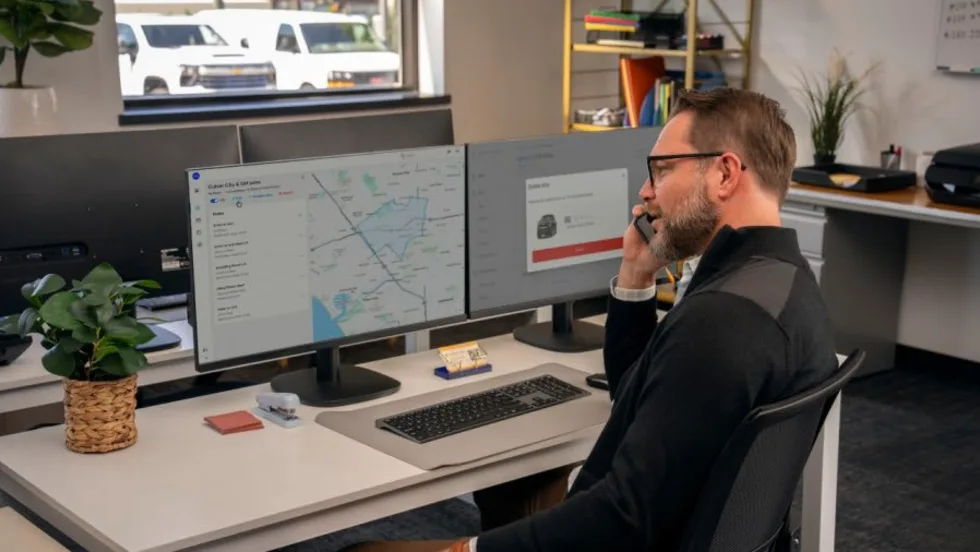
GM Launches OnStar Fleet Intelligence Platform With AI Assistant
The new platform brings vehicle data, order tracking, connected services and fleet analytics into one system, with an AI assistant that can answer fleet questions using natural-language prompts.
Read More →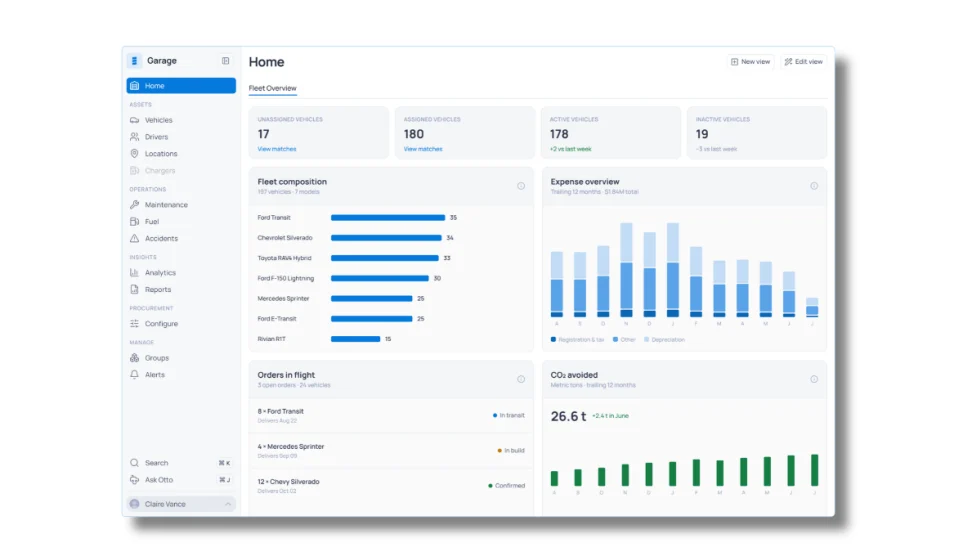
Inspiration Fleet Introduces Garage 2.0 Fleet Intelligence Platform
Fleet managers increasingly have access to data from vehicles, telematics, fuel, charging, and other systems, but those sources don't always communicate with one another. Inspiration Fleet's Garage 2.0 platform brings that information together while letting fleets keep working with different technology and service providers.
Read More →
Inside Inspiration Fleet’s New Platform for Connecting Fleet Data
Inspiration Fleet CTO Chris Getner explains how the new Garage 2.0 platform is designed to connect disparate fleet data and what that could mean for fleet managers in practice.
Read More →
Fleet Manager’s Ultimate Playbook: Navigating the New Standard in OEM Connectivity
Rising operating costs, driver safety concerns, and unplanned downtime are putting unprecedented pressure on modern fleets. Discover how fleet managers use embedded OEM connectivity and real-time vehicle data to cut TCO, prevent downtime, and protect drivers without aftermarket telematics hardware.
Read More →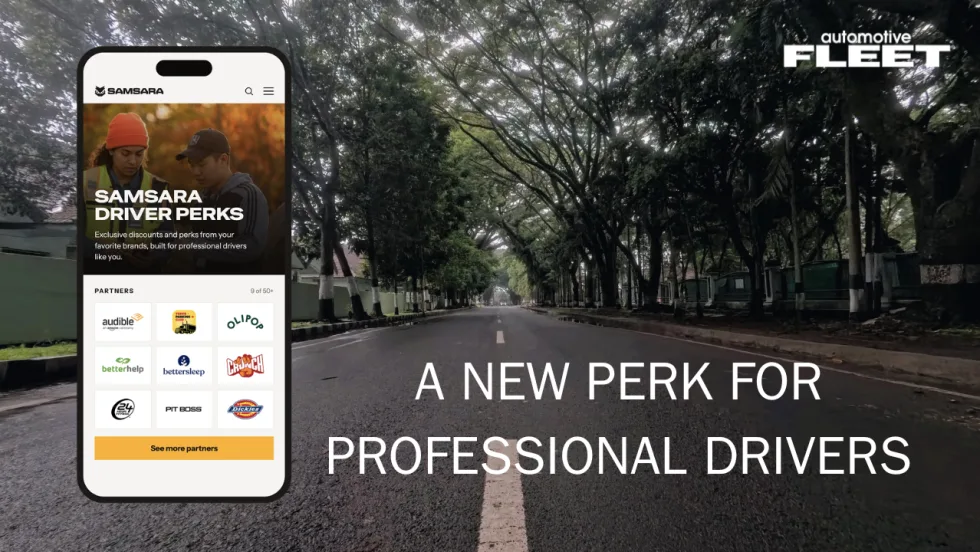
Samsara Driver Perks Adds New Benefit for Corporate Fleet Drivers
The rewards program gives eligible professional drivers access to discounts from more than 50 brands while giving fleets another way to support recruitment, retention, and the driver experience.
Read More →
Inside the Church of Jesus Christ of Latter-day Saints’ Two-Track Telematics Strategy
With 20,000 vehicles and two fundamentally different driver populations, the Church faced a fleet management problem that a single telematics program couldn't solve. How it responded offers a replicable framework for any fleet where one size doesn't fit every driver.
Read More →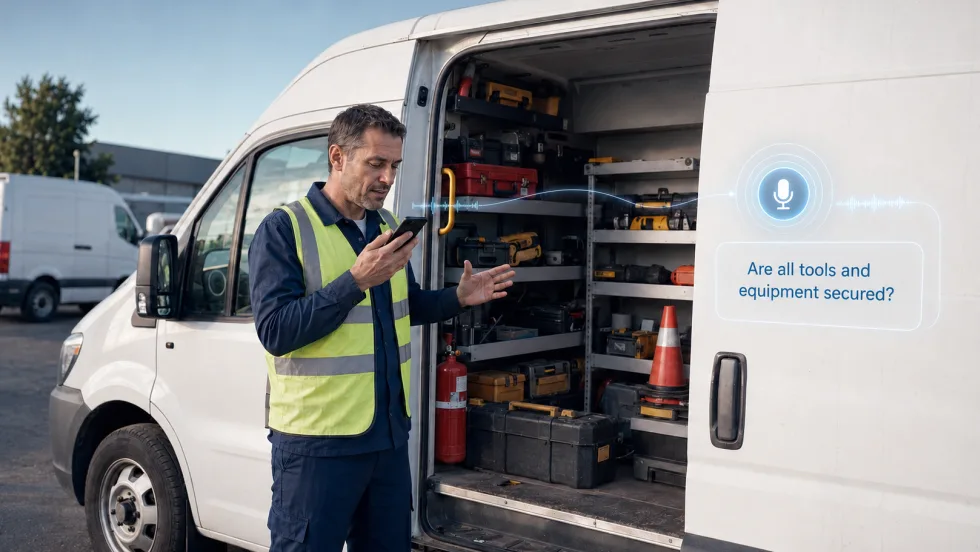
How Conversational AI Can Make Fleet Tasks Easier for Drivers
While most generative AI tools help fleet managers interpret data at their desks, Connex2X is applying voice interaction to tasks behind the wheel.
Read More →
Why Fleets Are Creating Dedicated Fleet Analyst Positions
Are fleet analyst positions the new norm? Listen here to find out.
Read More →
Teletrac Navman Begins Next Chapter as Standalone Private Company
What's new with Teletrac Navman and its new owner?
Read More →
Why Fleets Are Creating Dedicated Fleet Analyst Positions
Telematics, AI, EVs, and connected technologies are generating more fleet data than traditional teams can effectively manage. Reed Jackson explains why dedicated fleet analytics roles are emerging to turn that information into better operational decisions.
Read More →