




How to Introduce Drivers to Telematics
To ease the process of introducing a telematics system, fleet operators need to set up an on-boarding process that includes training, discussions on how the systems work, and how they can be beneficial to both management and employees.

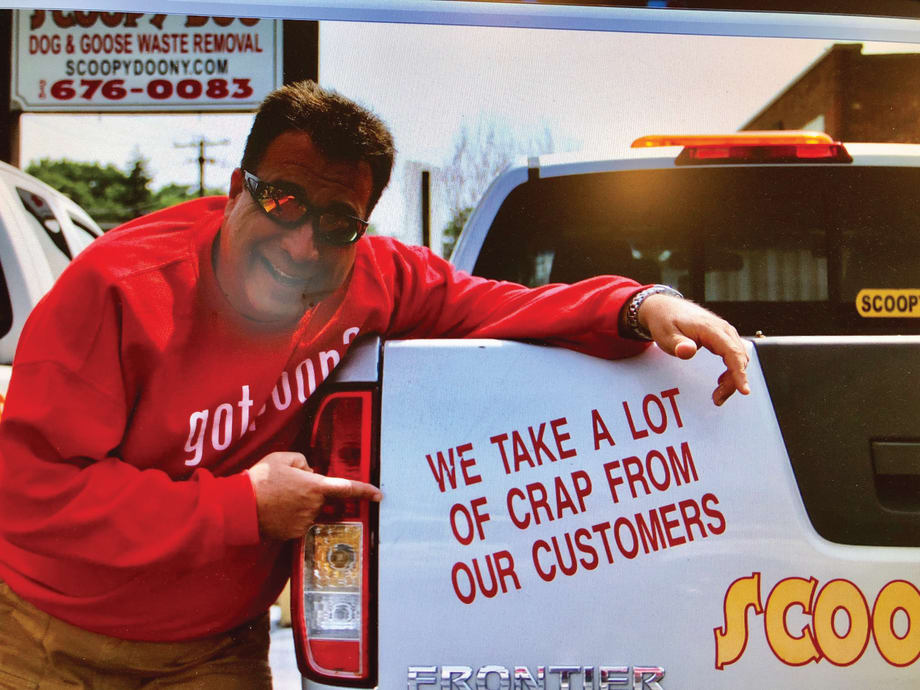
Scoopy Doo owner Jim Coniglione says he emphasized to his drivers that telematics would help make the business more efficient and would be used for customer accountability as opposed to not trusting his drivers.
Photo courtesy of Scoopy Doo.
The use of telematics continues to expand among fleets as companies see the benefits of this technology. Over the years, telematics systems have become a must-have for fleets, and driver acceptance of these systems has grown. But initially telematics wasn’t always well received, especially among drivers.
Jim Coniglione, owner of Scoopy Doo, a pet waste removal service, remembers many of his drivers being apprehensive to the telematics technology when it was first introduced.
“When we first installed telematics, the systems were something new and unfamiliar,” says Coniglione, whose company uses TomTom telematics. “The older drivers didn’t think that they would be able to understand the technology.”
Additionally, many drivers didn’t like the idea of being monitored all the time. “No one likes the ‘Big Brother’ watch,” says Mitch Bower, lead dispatcher at Vancouver Warehouse and Distribution Co.
To help their drivers become more comfortable with the idea of telematics, fleets need to take the time to train drivers and explain the benefits of telematics, including how it can help the company become more efficient.
Initial Conversation
Before installing his company’s telematics systems, Coniglione gathered his drivers for an informational meeting. Scoopy Doo has a fleet of 16 pickup trucks that serve residences in Long Island, Queens, Westchester County, and the Albany area.
“We sat the drivers down and explained that we would be using telematics to make our business more efficient,” he says. “For us, it was more about customer accountability than not trusting our drivers.”
When Scoopy Doo started 18 years ago, drivers filled out paper forms to keep track of each appointment. Not only was it time consuming, but many drivers would also forget to write down how long they were at each appointment, according to Coniglione. “If a customer said that we didn’t show up or filed a dispute, we would have to go through months of paperwork. I had to hope that the driver wrote down that job as well as the timing.”
Vancouver Warehouse, which chose Eroad as its telematics provider, was first drawn to the technology to help with back charging for access time. When presenting the idea of telematics to its drivers, the company emphasized the system’s benefits for serving its customers.
Telematics Introduction: Best Practices
Kelly Zehr, a product manager at Verizon Connect, offers some best practices for fleet managers when introducing telematics to their drivers:
Communicate with drivers. Whether in a group or individual setting, talk with drivers before installing the telematics systems. Give them the opportunity to ask questions or voice any concerns about using telematics.
Impart to your drivers the reasons for integrating telematics into your business. Define your company’s goals for the system; let them know which problems the company is currently facing that can be mitigated with telematics.
Allow drivers to give feedback about how they feel after the initial conversations. Employees want to have a voice in day-to-day operations.
Focus on how telematics will benefit the whole company. Avoid singling out drivers or emphasizing the monitoring aspects of telematics. Show them how the system can be used to benefit them, such as being able to show verifiable data to a customer or third party regarding proof of service or an incident on the road.
Consider implementing an incentive program based on metrics of each driver’s performance. Focus on the positive by rewarding drivers who have the fewest instances of harsh braking, the lowest amount of idling times, etc., on a monthly basis.
Originally a milk delivery company, Vancouver Warehouse offers moving and storage services as well as transportation services. The company runs 19 trucks and serves customers in Vancouver, Wash., as well as in Seattle and Portland.
“We needed a way that showed how long a driver was at each stop,” says Bower. “Telematics would give us concrete evidence. You can’t fool the satellite in the sky.”
Joyride Coffee, a beverage manufacturer and distributor serving customers in New York, Massachusetts, and California, started looking at telematics systems four years ago to help ensure that drivers were operating the vehicles in a safe manner. Before implementing the Fleetmatics system (now Verizon Connect Reveal), Adam Belanich, co-founder and president, talked to his drivers about how the data would be used.
“We presented it as we are planning to use the data to make sure that each driver is responsible and driving the vehicles safely,” says Belanich. “We told them that we wanted them to take their time driving these vehicles safely. When you phrase it that way, it makes it harder to have objections to it.”
Importance of Training
No matter what style of training, these fleets spent time making sure that their drivers were comfortable with the new telematics systems.
Joyride decided to hold its training session in a group format. Belanich wanted his drivers to be physically in the same location to have the opportunity to ask questions and receive answers immediately.
“They had questions on how they would get notifications if they did something to raise a red flag such as harsh braking or acceleration,” he says.
At the meeting, Joyride’s management showed the drivers how the back-end of the telematics systems worked. Additionally, drivers learned more about how they would be interacting with the systems on a daily basis.“
After the training, I didn’t have any pushback from our drivers,” he says. “I think they understood why we had the new systems.”
Vancouver Warehouse also held group training sessions led by a sales executive from Eroad. The executive also made herself available for one-on-one questions afterward. Additionally, Eroad sent a test unit that Bower left out on the dispatch counter.
“The drivers could see the system and ask any questions,” Bower says. “I could show them how it worked. I also had manuals available for them to look over.”
First Class Charter, a charter bus company that operates 12 coaches, included each driver in the process of trying different telematics systems. The company installed a telematics system from GPS Insight to satisfy the ELD mandate and to alleviate paper logs, automating back-office systems.
For its training, the company broke up the drivers into smaller groups, letting each driver go through the electronic record-keeping process, according to Mark Dennis, First Class Charter’s director of sales and business development. The drivers then ran electric logs and paper logs in parallel for a month.
“It’s how you go about it,” says Dennis. “If you take something and shove it down their throat, that’ll never work. We sold it that it would make everyone’s job easier and free up time for more important things.”
A Driver’s Perspective
For Fred Stropple, telematics systems were introduced within a year of him starting as a technician for Scoopy Doo. Before telematics, Stropple and other Scoopy Doo drivers used printed-out sheets to figure out their daily routes.
“It took a little while to adjust to the new telematics systems,” he says. “At first, there was a little trepidation and resistance from the older drivers.”
In addition to being unfamiliar technology, some drivers didn’t like the idea of being tracked. At Vancouver Warehouse, Bower recalls one or two drivers being very vocal about not wanting to use the company’s new telematics system.
“Because telematics was now part of company policy, we told them that they had a choice: either drive the truck with the telematics system or go find another job,” says Bower. “This led to one driver leaving because he refused to use the telematics system. It makes you wonder why the driver is being so obstinate about it.”
Once Stropple realized how telematics could save time during his routes, he says it was easier to embrace the new technology. “I have lived in Long Island my whole life, but the GPS feature guided me down streets that I had never heard of to create more efficient routes.”
For Stropple, the right management style also plays a part in how the driver will treat the technology system.
“I could see how telematics may appear to be intrusive and prevent a driver from doing his best job if he feels like he is being micromanaged,” he says. “But we don’t feel that at our company. Our manager uses the telematics data to help us. The systems help everything go smoothly when you are connected with management and they are connected with you.
“If you are doing your job right, in a way telematics can make you look better,” adds Stropple. “Management can tell if I’m hitting all my marks. And if I need help, the dispatcher knows where I’m located to help.”
Related: 6 Markets, 4 States, 54 Vehicles: How to Manage a Dispersed Fleet
Originally posted on Work Truck Online
More Telematics
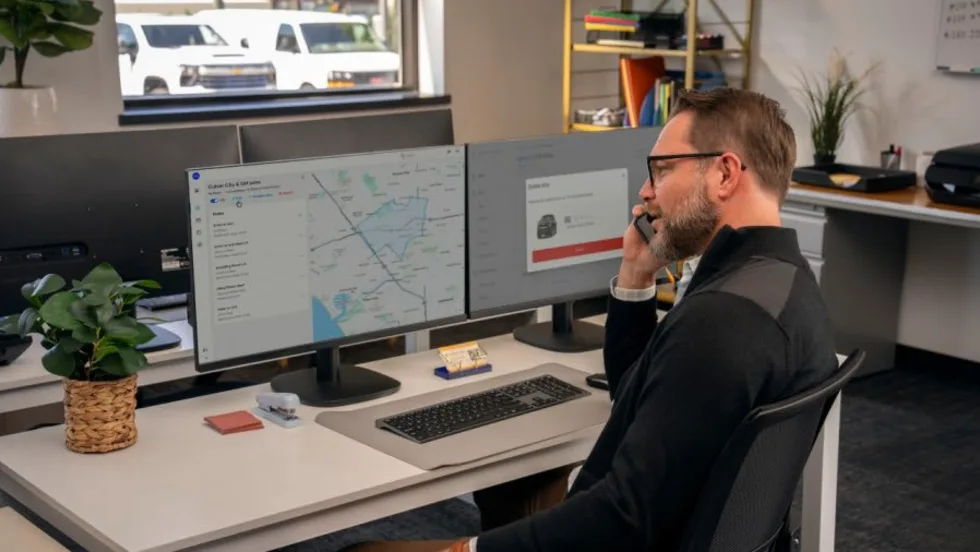
GM Launches OnStar Fleet Intelligence Platform With AI Assistant
The new platform brings vehicle data, order tracking, connected services and fleet analytics into one system, with an AI assistant that can answer fleet questions using natural-language prompts.
Read More →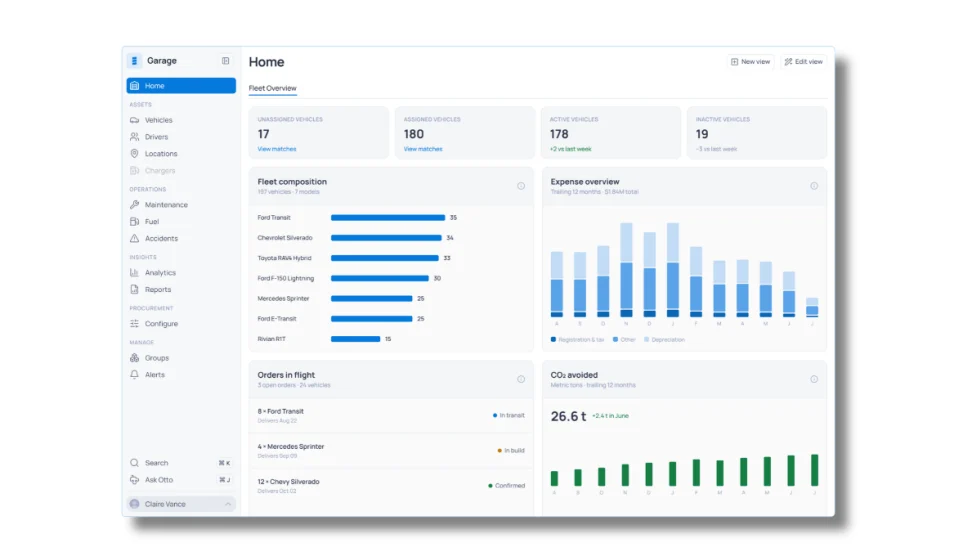
Inspiration Fleet Introduces Garage 2.0 Fleet Intelligence Platform
Fleet managers increasingly have access to data from vehicles, telematics, fuel, charging, and other systems, but those sources don't always communicate with one another. Inspiration Fleet's Garage 2.0 platform brings that information together while letting fleets keep working with different technology and service providers.
Read More →
Inside Inspiration Fleet’s New Platform for Connecting Fleet Data
Inspiration Fleet CTO Chris Getner explains how the new Garage 2.0 platform is designed to connect disparate fleet data and what that could mean for fleet managers in practice.
Read More →
Fleet Manager’s Ultimate Playbook: Navigating the New Standard in OEM Connectivity
Rising operating costs, driver safety concerns, and unplanned downtime are putting unprecedented pressure on modern fleets. Discover how fleet managers use embedded OEM connectivity and real-time vehicle data to cut TCO, prevent downtime, and protect drivers without aftermarket telematics hardware.
Read More →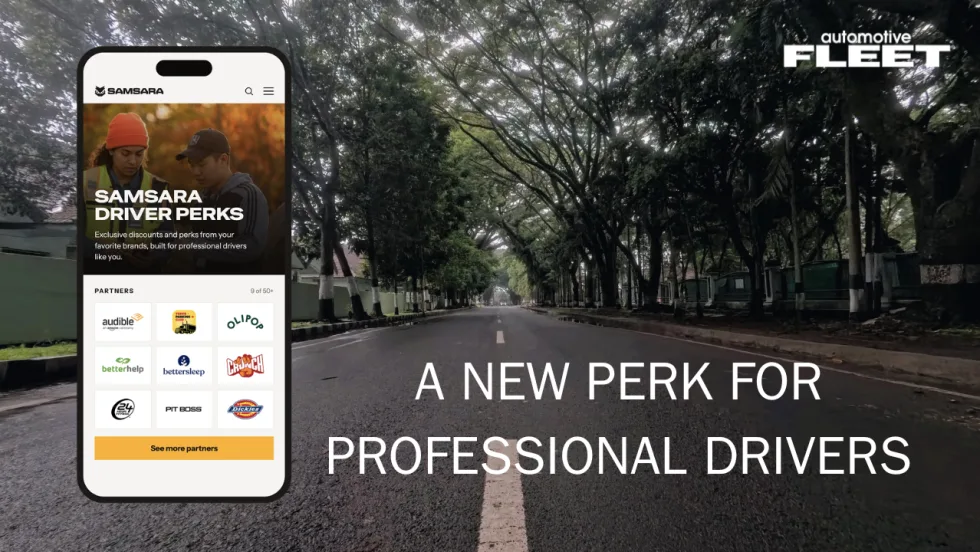
Samsara Driver Perks Adds New Benefit for Corporate Fleet Drivers
The rewards program gives eligible professional drivers access to discounts from more than 50 brands while giving fleets another way to support recruitment, retention, and the driver experience.
Read More →
Inside the Church of Jesus Christ of Latter-day Saints’ Two-Track Telematics Strategy
With 20,000 vehicles and two fundamentally different driver populations, the Church faced a fleet management problem that a single telematics program couldn't solve. How it responded offers a replicable framework for any fleet where one size doesn't fit every driver.
Read More →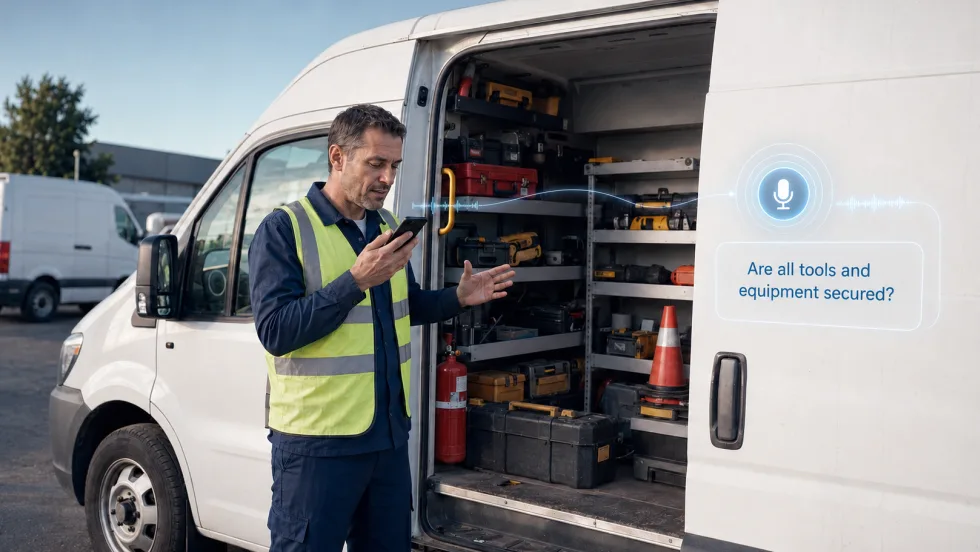
How Conversational AI Can Make Fleet Tasks Easier for Drivers
While most generative AI tools help fleet managers interpret data at their desks, Connex2X is applying voice interaction to tasks behind the wheel.
Read More →
Why Fleets Are Creating Dedicated Fleet Analyst Positions
Are fleet analyst positions the new norm? Listen here to find out.
Read More →
Teletrac Navman Begins Next Chapter as Standalone Private Company
What's new with Teletrac Navman and its new owner?
Read More →
Why Fleets Are Creating Dedicated Fleet Analyst Positions
Telematics, AI, EVs, and connected technologies are generating more fleet data than traditional teams can effectively manage. Reed Jackson explains why dedicated fleet analytics roles are emerging to turn that information into better operational decisions.
Read More →