





CAR 2024 Auction Panel:How Managers Can Drive More Business
How To Improve Dual Physical-Digital Auction Operations
Every strong business practice in-person must correspond with a digital version for online vehicle buyers.
June 25, 2025
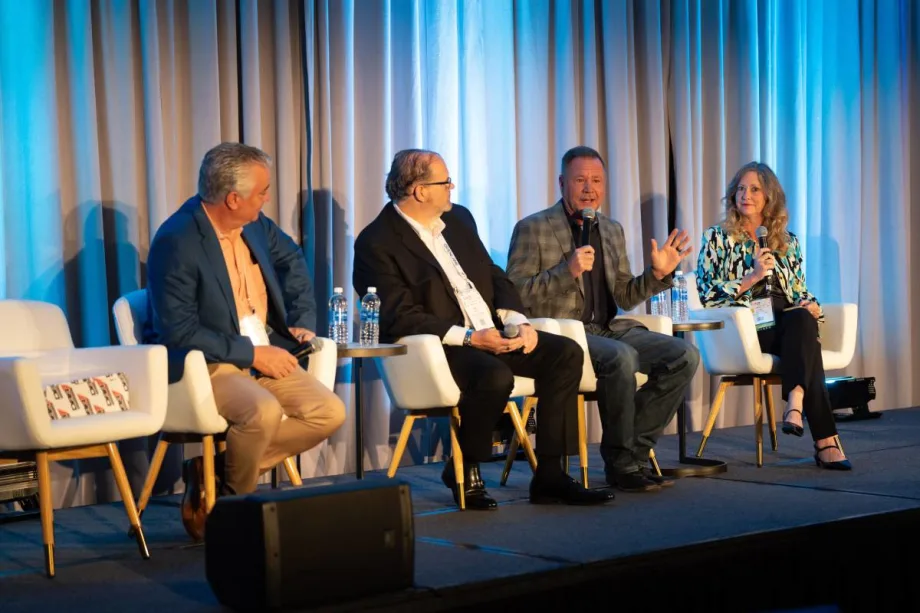
At CAR 2025, moderator Julie Warpool, chief operating officer, Auction Edge, led a discussion with insights from (R to L): Monte Freeman, general manager, America’s Auto Auction / Oklahoma; Ron St. Denis, manager of customer engagement, Auction Edge; and John Swofford, vice president of operations, Dealers Auto Auction Group.
Photo: Ross Stewart / Stewart Digital Media
7 min to read
Whether moving cars in-lane or online, auction operations must thrive in both business environments by building a foundation of strong leadership and customer attention.
An experienced panel of remarketing experts outlined that approach during a session at the 2025 Conference of Automotive Remarketing in March in San Diego. Moderator Julie Warpool, chief operating officer, Auction Edge, led a discussion with insights from Monte Freeman, general manager, America’s Auto Auction / Oklahoma; Ron St. Denis, manager of customer engagement, Auction Edge; and John Swofford, vice president of operations, Dealers Auto Auction Group.
“What do we need to be doing as vendors to recognize the expectations that auctions have of us when they’re trying to take care of their customers?” St. Denis asked. “How do we help take those principles that have succeeded in the physical auction space and replicate, translate, or apply them in the digital space?”
A Leadership Framework Evolved From Auctions
Freeman outlined his approach to leadership informed during a consolidation period at his Oklahoma auction operation. Combining two separate auction locations provided a leadership blueprint that applies to other operations.
Strong leadership begins with absolutes such as clear, non-negotiable personal and professional values, Freeman said. Leadership isn’t about perfection but about consistent, purposeful service.
Each principle reflects a commitment to the people you lead and serve. For example, the maxim “never say no to your customer” doesn’t imply blind agreement; it demands creative problem-solving and empathy. “We’re in the business of serving people,” Warpool said. “Find a way to say yes; never say no to your customer. That’s slightly different from management, but there’s a difference between what you do with the customers and being a strong leader with your employees. Never say it’s not my job. We want to work on things we have the power to control. We want to get it right, not be right. Customers need to feel we will give them whatever it takes.”
Instead of rejecting a buyer’s arbitration claim outside policy guidelines, for example, Freeman prefers to explore alternatives, such as offering to inspect the vehicle, negotiate on repair costs, or re-list the car with premium placement.
This mindset builds trust and deepens customer relationships.
Freeman summed it up: “I have an opportunity and a purpose today. I know not only what we will do but also how we will do it, who we will be, and why we’re doing it. That’s the foundation of everything.”
The panelists agreed that relationships are central to auction operations. Auctions succeed not because of technology alone but because of the human connections that drive loyalty.
Technology serves as a bridge, not a replacement for personal engagement, Swofford said.
Freeman added, “To accomplish what we need, we should be surrounded by the right team. They need to have the freedom to give input and suggestions. And as leaders, we need to be good listeners and give them the chance to speak. It’s about listening and asking questions. Everybody has freedom to be involved, and if you do that often enough with the right people in the room, you will get it right.”
Adopting Core Digital Values and Practices
Many of the panel’s insights revolved around adapting traditional best practices into digital formats. St. Denis recalled the discipline of walking the lot during the pre-sale inspection ritual, during which staff ensured vehicles were clean, correctly labeled, and properly staged.
Today, that vigilance must extend to the online catalog.
Digital presentation is the new lot experience. Everything from consistent thumbnails to accurate odometer photos contribute to buyer confidence.
When online buyers, many of whom never visit the physical location, navigate a listing, their decisions hinge on clarity and professionalism.
St. Denis noted that auctions should consider the digital walk-through as seriously as their in-lane layout.
Swofford shared an inventive strategy for engaging remote buyers through guerrilla marketing. His team uses bidding data to identify active but unsuccessful digital participants. These individuals receive thoughtful gift boxes acknowledging their engagement that feature socks, gloves, or branded messages. These tokens may seem simple, but they reinforce recognition and relationship, even without a purchase. It's a creative way to apply in-lane hospitality to the online environment.

Warpool said, "Never say it’s not my job. We want to work on things we have the power to control. We want to get it right, not be right. Customers need to feel we will give them whatever it takes.”
Photo: Ross Stewart / Stewart Digital Media
Engaging Buyers Through Data and Communication
The panelists underscored how data shapes auction success. In the past, follow-up was reserved for “if” sales. But the digital equivalent of users who bid but didn’t win offers a prospecting pool. These “almost buyers” represent motivated participants, and recognizing their efforts can convert future interactions into sales.
St. Denis suggested reaching out to these users with targeted inventory suggestions or simple thank-you notes. Tools like heat maps and impact bidding reports can help auctions visualize who is buying versus who is trying to buy. This allows auctions to align upcoming inventory with real buyer interest.
Swofford recommends performance reports benchmarking sellers across key metrics: conversion rates, price averages, digital engagement, and geographic bidding patterns. This type of feedback helps sellers pinpoint their strategy and demonstrates that the auction is an attentive partner invested in their success.
One audience member mentioned the need for auctions to monitor real-time chat features within platforms. These channels allow online bidders to ask crucial questions about features, vehicle reruns, or bidding concerns, but are often left unanswered during hectic sale days.
The panel recommended designating staff to oversee digital chat to answer all messages. This mirrors the level of service given to in-lane guests and extends the auction’s hospitality into cyberspace.
Panelists shared further insights on improving digital auction services:
Setting Up New Standards and Expectations
The shift to digital has created new benchmarks, Swofford said. Modern auctions require earlier preparation and higher visibility. Vehicles must be listed online days in advance with high-quality images and full condition reports. Buyers today expect a seamless research-to-bid journey, and they start looking well before the sale day.
This increased transparency and lead time require more coordination across departments, from operations and recon to marketing. Just as auctions used to line up bumpers in perfect rows for aesthetic appeal, digital listings now require similar discipline in visual presentation. Consistency and attention to detail can greatly affect a buyer’s trust and willingness to engage.
“The auction house is the eyes and ears for our digital buyers,” St. Denis said. “There’s a lot of talk about condition reports and the quality of images, but I think about something even simpler. If they need to communicate with you on a sale day, are your teams tuned to the phones if they're trying to get in touch with you because they have a question about your policies? Is a digital buyer treated like an outsider? You have people at the counter and in the building. Does your team remember that half your audience may be remote and may need some assistance online too?”
Embedding a Culture of Excellence
Performance without purpose will fall short of expectations, Freeman said. He encourages every team member to see their role not as a task, but as a contribution to a greater outcome.
When employees understand the why behind their actions, they elevate their service.
Auction Edge operations, for example, now offer training that includes practices for providing consistent service and meeting customer needs, especially for staff who haven’t worked at a traditional auction.
The goal is to replicate the fast-paced, buyer-focused nature of auction day in every interaction, whether physical or digital.
Panelists agreed that bridging the digital-physical divide isn’t about choosing one model over the other. It’s about recognizing that service principles like purpose, clarity, care, and responsiveness can define both platforms.
“We’re no longer just auto auction companies,” Swofford said. “We’re marketing companies. You have to market the online sales and [follow] them up online quicker.”
When Swofford started in the auction business, workers only had to get a car across the block on sale day and sell it. He recalled how all the information was handwritten.
“Nowadays, we want our cars online 24 hours before the sale, and everything must cross in order. And there are so many rules and hurdles out there for us. There’s even more with digital because it doesn’t start the night or day before the sale. It starts four or five days before the sale, with people searching for vehicles online.”
Subscribe to Our Newsletter
More Remarketing
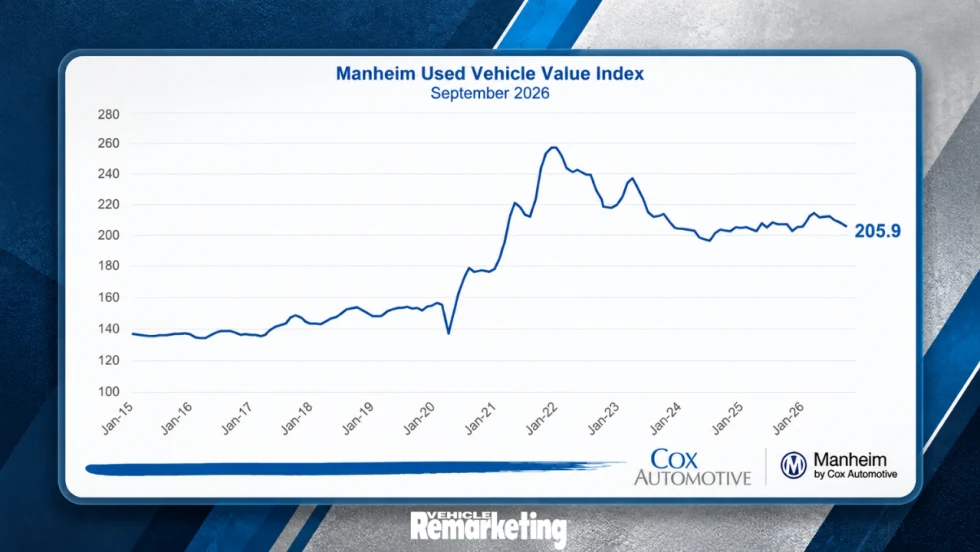
Wholesale Used-Vehicle Values Fall as Cox Automotive Cuts 2026 Forecast
Wholesale used-vehicle prices declined in September as depreciation accelerated, prompting Cox Automotive to lower its year-end forecast.
Read More →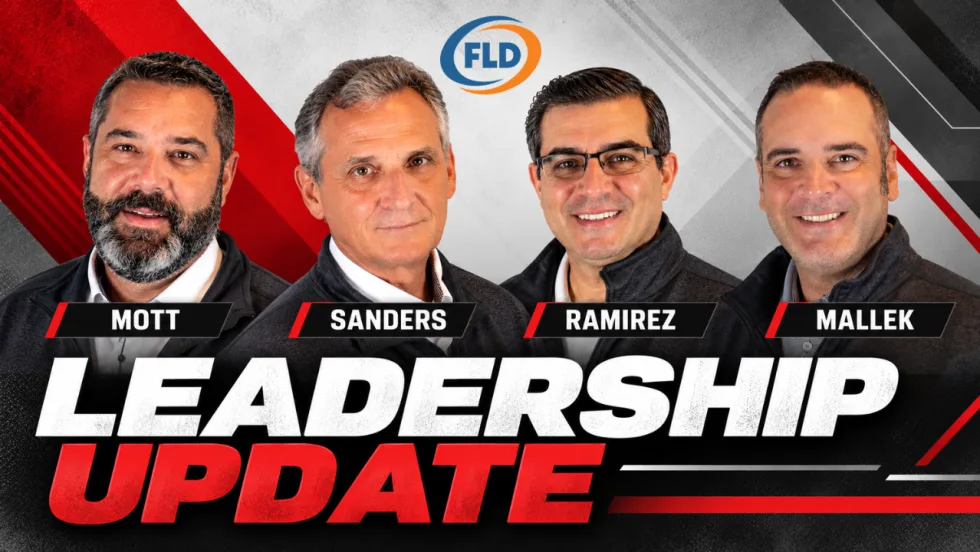
FLD Promotes Three Executives in Leadership Changes
FLD has promoted three longtime executives, naming Gary Mott CEO, Richard Mallek president, and Ron Sanders managing partner.
Read More →
Ford Pro Launches Certified Pre-Owned Program for Commercial Vehicles
Ford Pro Advantage will offer certified pre-owned Class 1-7 commercial vehicles through more than 700 Ford Pro Commercial Vehicle Centers.
Read More →
Copart to Acquire ACV in $1.9 Billion Deal
The acquisition would expand Copart beyond its traditional salvage business into dealer-to-dealer wholesale remarketing while adding ACV’s vehicle data, inspection, and valuation technology.
Read More →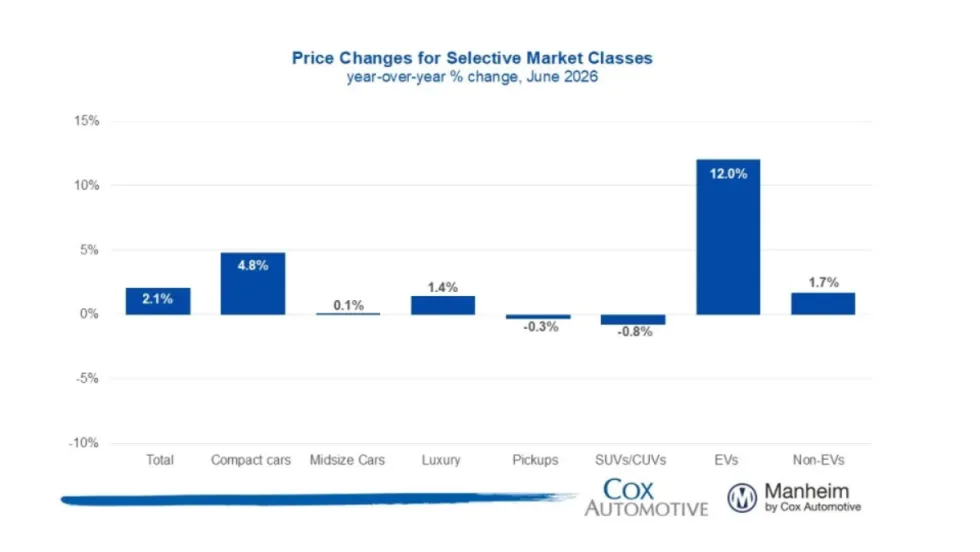
Manheim Index Shows Used-Vehicle Wholesale Prices Up 2.1% in June
The market is seeing stronger appreciation in older used vehicles this year, and the most affordable segments have been among the year’s best performers.
Read More →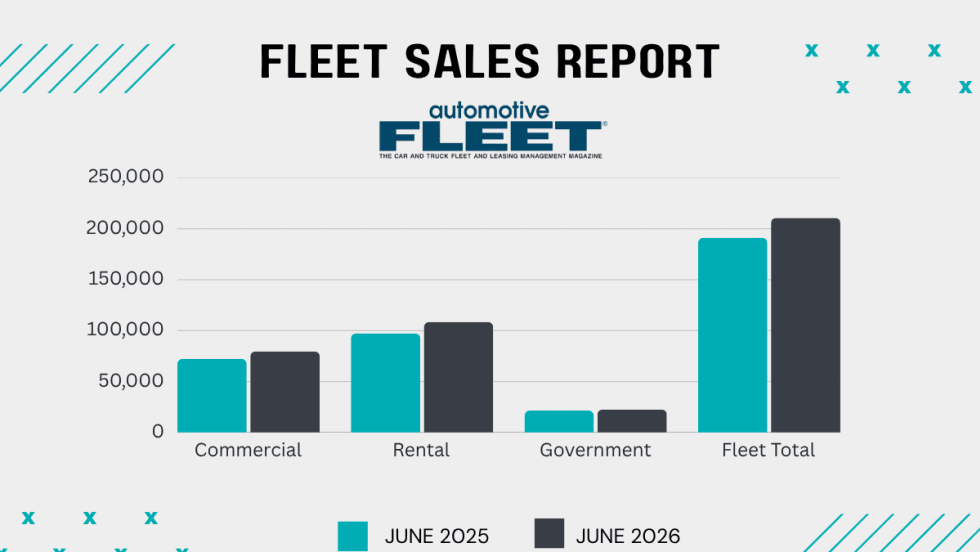
Commercial Fleet Sales Contribute To June, YTD Gains
The fleet sector has boosted its vehicle purchases at a reliable pace in the first half of this year compared with 1H 2025.
Read More →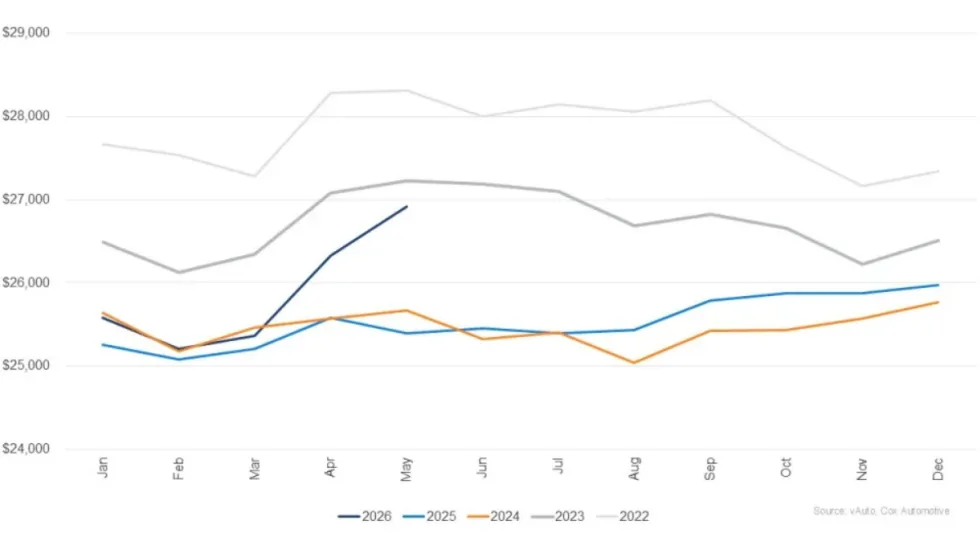
Used Vehicle Prices Climb Higher As Sales Pace Slows
The higher prices at used retail reflect strong wholesale values earlier in the spring, particularly for older, more affordable vehicles.
Read More →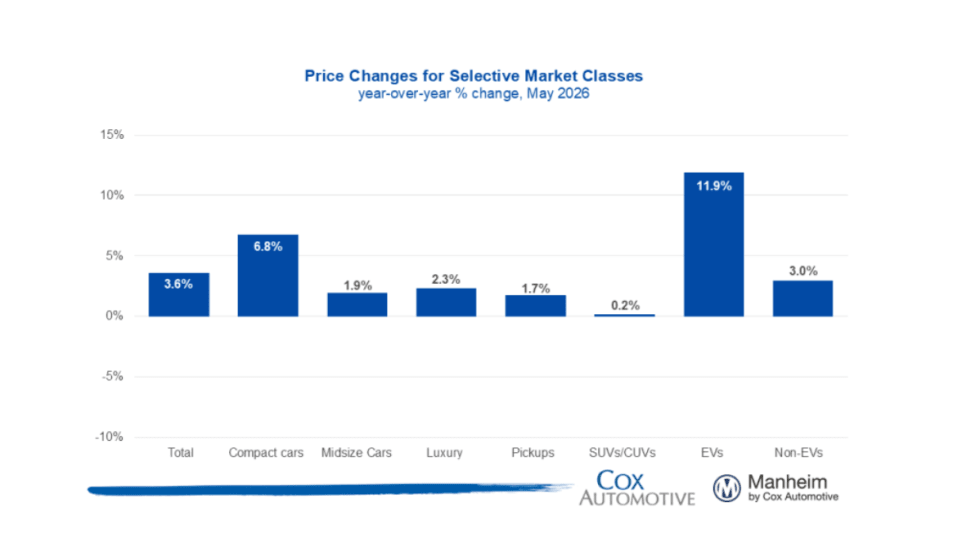
Wholesale Used Vehicle Market Sustains Moderate Rise In Values, Prices
Trends continue to normalize after a strong start to the year, as consumers contend with higher gas prices in the coming summer months.
Read More →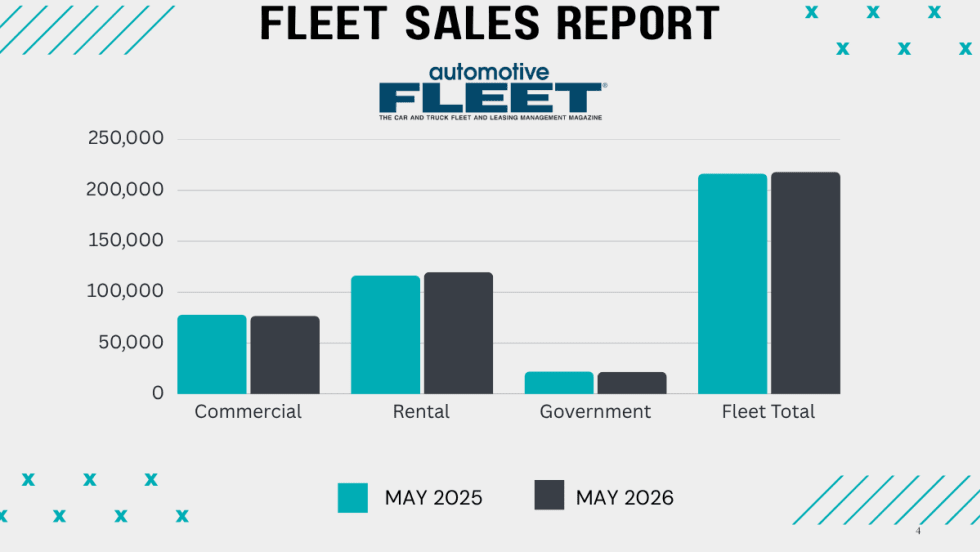
Commercial Fleet Sales Still Lead Sectors Despite May Mini Dip
The U.S. economy's continued growth and positive business investment are creating a favorable environment for fleet vehicle demand.
Read More →
How Connected Vehicle Data Is Lifting Fleet Resale Values
A vehicle health score could improve the value of fleet vehicles at remarketing. The path to a universal standard is forming, and fleets that understand the process early will be better positioned when it arrives.
Read More →