




How to Hire Great Drivers
A decline in the volume of driver applications doesn’t mean you need to sacrifice hiring best practices. Here’s how to ensure potential drivers are the best fit for your company.


While a résumé with line after line of relevant work experience might initially pique a hiring manager’s interest, having numerous places of employment doesn’t necessarily mean the candidate is an experienced driver or a good fit for the company.
Photo via Oregon Department of Transportation/Flickr.
At a time when the driver shortage is an ever-prevalent problem across almost all fleet-related industries, hiring competent, experienced drivers might seem more like wishful thinking than a basic business practice.
While the stories about driver shortages can be cause for concern, there are tactics to employ to make sure that companies hire diligent and passionate drivers for their fleets.
Not Just Pay
Mark Murrell, president of CarriersEdge, provider of driver training solutions, says typically, driver advertisements will lead with the compensation package — when the first order of business should be to identify candidates with a cultural fit.
While sourcing candidates with a number of years’ experience, clean driving records, and the ability to pass medical and skills tests are a given, “The fleets that focus more on who will be a good fit for the company are having better success [in finding the right candidates],” Murrell says. “We’re starting to see a shift to this way of thinking. And yeah, let’s then talk about what the pay package is going to be.”
The same goes for recruiters, says John Elliott, CEO of Load One LLC, a Taylor, Mich.-based transportation and logistics company. While recruiters are incentivized financially to bring in as many candidates as possible, they need to be more focused on retaining drivers, Elliott says.
“Our recruiters [are] salary, and we give them a bonus based on retention,” he says. “So our recruiters are not incentivized to just bring people through the door. If [drivers are] going to turn over, it fares poorly for them, because it will hurt their score. So they’re looking for the right fit versus a body, right out the gate.”
Once recruiters are on board with valuing retention rates over recruitment numbers, hiring managers need to determine if the candidates will add value to the company, and the first stop is looking at résumés.
Elliott says the aspect of a candidate’s résumé that should concern hiring managers the most is job history and stability.
While a résumé with line after line of relevant work experience might initially pique a hiring manager’s interest, having numerous places of employment doesn’t necessarily mean the candidate is an experienced driver or a good fit for the company.
“There are a lot of truck drivers who tend to be job hoppers,” Elliott says. “We tend to avoid them. Acknowledge he has too many [employers] in a short period of time, and that sends a red flag to us. We don’t want to just be a number, or just another one on your list.”
In the Interview
Murrell recommends treating driver candidates like other open positions in the company. “If you’re hiring a bookkeeper, an IT person, or a sales rep, the first things you’re going to talk about are what are you looking for in a position and what is it that you want to do?”
And then if there’s a match, the recruiter can check if the candidate’s qualifications align with the company’s needs.
Regarding what factors to consider during the interview process, “I think attitude is probably one of the biggest ones,” Murrell says. “If we see a person does not have an attitude that we think is conducive for our operation, we won’t waste our time, or theirs.”
Above all though, Elliott believes it comes down to gut instinct to determine if a candidate has a positive attitude and would be the right fit to represent your company on the road.
“With [candidates’] mannerisms, how they interact with staff, recruiters, and the driver administration people, we can normally get a feel pretty quick if that driver is going to work,” Elliott says.
“I’d like to say there’s a test for it,” he adds. “But there really isn’t.”
Understanding the Industry
While candidates may have plenty of experience as a driver, it’s important to note their driving experience based on type of driving job and industry.
“You need to make sure you have a driver that has the understanding of the industry, because not everyone does,” Elliott says.
Load One handles ground expedite, regional, and long-haul trucking — each with unique routing, equipment, and client needs — and thus driver skill sets. Though drivers have the ability to move, Load One hires by division, Elliott says.
Some candidates might look to switch from long hauls to local routes, in which they can come home every night. But that’s not always the right move, Murrell cautions.
“They might want a local job that takes them home every day until they get into that job and discover that it means a lot more interacting with customers, perhaps more physical work, and dealing with traffic,” he says. “And, in a lot of cases, they haven’t considered that maybe their personal life is built around them not being around a lot.”
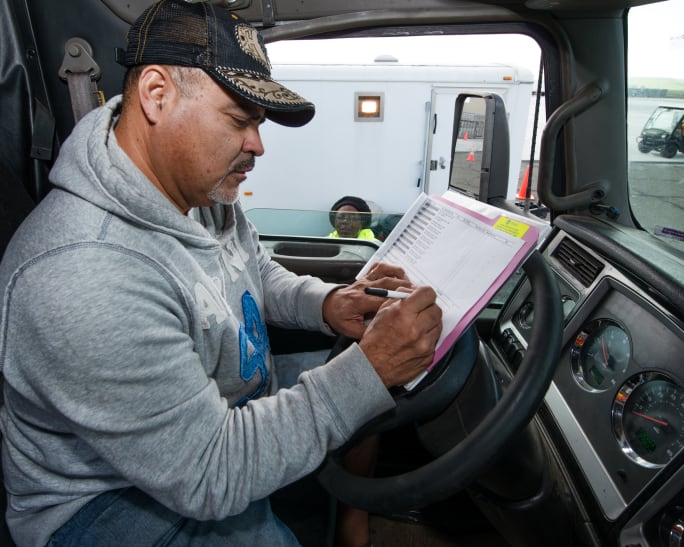
Photo via Louis Briscese/U.S. Air Force.
Elliott says potential hires need to also understand the importance of their physical appearance and people skills to promote the company in a positive manner. Whether the driver interacts with the customer infrequently, such as long-haul routes, or many times a day doing urban deliveries, he or she will oftentimes be the only physical representation of the company that the clients see.
Brian Deninger, CEO of San Francisco-based Incredible Adventures, knows firsthand how important it is that drivers understand the specific industry they’re serving. Operating a tour company that guides travelers through Yosemite National Park, he looks for drivers who are calm, comfortable behind the wheel, and confident.
“If you don’t have confidence and you can’t focus, then you can’t be focused on a job,” he says. “On the road, the last thing you want is someone being timid.”
Of course, he adds, there is a difference between hiring confident drivers and aggressive drivers — a simple motor vehicle record check will invalidate many candidates from the start.
However, once only qualified candidates are left, he recommends watching them behind the wheel of the largest vehicle they’ll need to drive.
“We train towards being aware and confident,” Deninger says. “And I would say 90% of people that don’t make it through their program is because of their confidence while driving.”
A Service Industry
At UPS, where drivers drive the same route for years at a time, how drivers interact with customers can directly determine the customers’ perception of the company as whole. This is also true for companies serving smaller cities, where local business is often more dependent on public perception.
“Our drivers are the ones the customers see every day; they’re the ones who know what our customers’ needs are,” says Dan McMackin, public relations manager for UPS.
When interviewing candidates, McMackin says it’s important to stress the mission of your company and the specific role that drivers play in that mission. This is especially true when talking to younger candidates, as millennials tend to want to work for companies that they see add positive value to the community, McMackin says.
Murrell concurs, particularly as it relates to smaller fleets that serve specific vocations. He references one fleet in the defense industry (“helping the country stay safe”) and another that does charity work and disaster relief.
“It’s not just about picking up loads and delivering them to five other spots,” he says. “It’s about explaining the mission and how we’re helping the greater society — that’s more than just making money.”
“They need to enjoy serving others because when you’re in the service business, that’s just the nature of the job,” he says. “As a delivery driver, you really realize that you’re serving possibly thousands of people on your daily rounds.”
McMackin gives the example of a driver who’s responsible for delivering supplies to a local hospital. If that driver doesn’t understand or value his or her role in the supply chain, he or she may not treat deliveries with the requisite urgency, and those ripple effects could be severe.
“You have to impress upon new hires the fact that what they do is important and there are outcomes,” he says.
Be it for a local delivery fleet, floral service, or construction company, a willingness and desire to serve others is something all hiring managers should strive to bring out in new hires.
“I think it sinks in to a driver really early on that you’re vital to the folks on your route and you’re appreciated,” McMackin adds. “So, I think people figure it out quickly if they’re cut out for that kind of job.”
Originally posted on Work Truck Online
More Global Fleet
GeoFencing Adds to Your Truck Security Arsenal
Geofencing is a familiar fleet tool today, but its early adoption marked a major shift in vehicle tracking, route monitoring, and the debate over employee privacy.
Read More →
Holman Takes Full Ownership of ARIZA in Mexico
Holman is bringing its Mexican fleet management operation fully under its own brand after more than 30 years as a joint venture. The change gives multinational fleet customers a single Holman operation across the U.S., Canada, and Mexico.
Read More →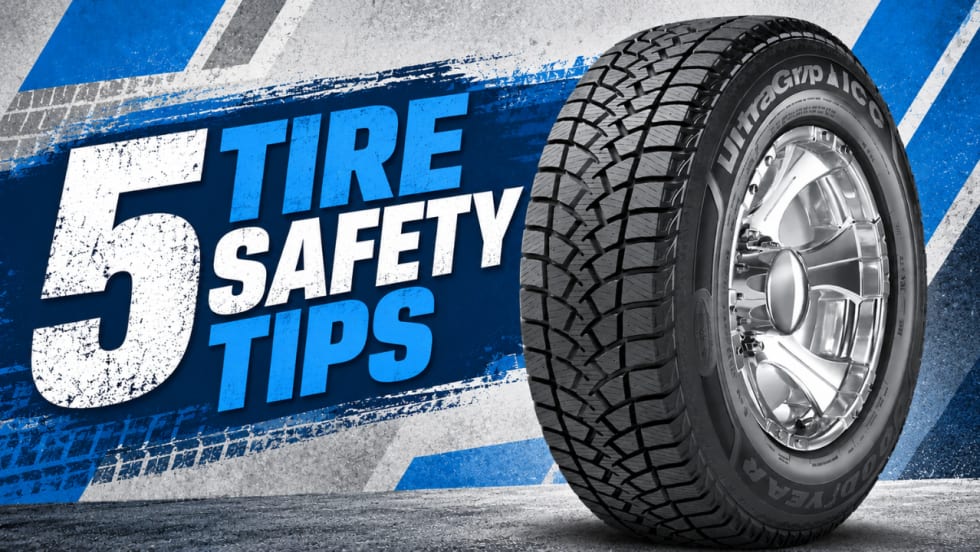
5 Tire Maintenance Tips to Help Prevent Work Truck Downtime
Regular tire checks can do more than extend tread life. These five maintenance practices can help work truck fleets catch problems early, reduce costs, and prevent downtime.
Read More →

Proven Ways to Reduce Work Truck Downtime
The age-old problem of downtime will always be a reality, but with new strategies at hand, fleets have more ways to keep trucks on the road longer.
Read More →


Cameras, Safety and Insurance: From Reactive Claims to Real-Time Prevention (Part 2 of 2)
Part Two: Commercial auto remains one of the most challenging and costly lines of coverage for fleet operators and insurers alike. Continue learning more about how to effectively address these issues from Onur Aksan, Enterprise Business Development Executive, Geotab
Read More →
Cameras, Safety and Insurance: From Reactive Claims to Real-time Prevention
Commercial auto remains one of the most challenging and costly lines of coverage for fleet operators and insurers alike. Learn more about how to effectively address these issues from Onur Aksan, Enterprise Business Development Executive, Geotab.
Read More →
Fleet Costs Are Rising: Here’s How Leaders Are Responding
Fleet leaders are under pressure to reduce costs, adapt to economic uncertainty, and make smarter decisions. See how peers across North America are responding with real data, proven strategies, and forward-looking insights. Download the 2026 Market Pulse Report to benchmark your strategy and uncover where you can gain an edge.
Read More →
Enterprise Fleet Management Surpasses 900,000 Vehicles in U.S. & Canada
Enterprise Mobility connects with mobility solutions around the globe
Read More →