




How One Fleet Is Using AI to Support Vehicle Management
Generative AI and chatbots help this delivery fleet cut costs, coach drivers, and predict risk. CEO Jeb Lopez says, "It's AI or bust!"

Beyond vehicle operations, Jeb Lopez and his Wheelz Up team have turned to AI chatbots like ChatGPT, Google Gemini, and Deepseek to lighten the administrative load.
Photo: Pexels / Automotive Fleet
In a rapidly evolving industry, AI has become increasingly attractive to the fleet management toolkit. However, its application can manifest in ways that differ even from company to company.
Few understand that better than Jeb Lopez, founder and CEO of Wheelz Up, a last-mile delivery company that has integrated artificial intelligence into its fleet operations.
For Lopez, AI is no longer just a tool. It's part of a central strategy in reshaping his business.
"AI has significantly enhanced our fleet management at Wheelz Up by automating real-time decision-making and streamlining operational efficiency," Lopez said.
His team uses commercially available AI-powered software like Fleetio, Linxup, Netradyne, and Geotab. These systems provide predictive maintenance alerts, route optimization, improved asset utilization, and real-time reporting and alerts, all of which help reduce downtime and operating costs.
Beyond vehicle operations, Lopez and his team have turned to AI chatbots like ChatGPT, Google Gemini, and Deepseek to lighten the administrative load.
"[Chatbots] assist us with drafting standard operating procedures, generating client communications, minor legal documents, and even help with driver coaching and training materials," Lopez said. "It has notably improved consistency, reduced administrative burden, and enhanced team communication."
Using AI to Optimize Fuel Spend and Driver Behavior
AI's power is also evident in how Wheelz Up manages fuel usage and driver behavior. With Geotab's AI-driven analytics, the company tracks fuel usage patterns to identify aggressive driving or excessive idling and coaches drivers accordingly.
Lopez also noted that they use eFleet/Voyager to receive weekly reports tracking fuel card spending.
Lopez believes AI will take detection of fuel theft and unauthorized fuel transfers to the next level, though he hasn’t encountered that system yet. With his substantial weekly fuel bill, he’d also like to see a system that goes all in on cash back or credits.
AI Insights Help Wheelz Up Identify the Most Reliable Vehicles for the Job
Fleet acquisition and lifecycle management decisions at Wheelz Up aren't made on a whim. Acquiring new vehicles takes thoughtful planning on optimal cost-efficiency and longevity, which AI can analyze to provide insights into historical data and predictive modeling.
"We use AI chatbots such as ChatGPT to scrape the internet, gathering critical information about past vehicle performance metrics, warranty replacements, technical service bulletins, and overall useful life," Lopez said
The extensive analysis revealed two brands that consistently stood out for the company's specific fleet operations: the 2024 Ford Transit Connect and the retired Nissan NV series.
The latter was produced from 2010 to 2021, which offers a unique obstacle with AI assistance in what time frame the programs pull data. However, it’s proved beneficial for Wheelz Up. Today, roughly 20% of Lopez’s 175-van fleet consists of the Nissan NV, including models like the NV1500, NV2500, and NV200.
“Some of these vans have clocked over 400,000+ miles and are still working daily routes or serving as trusted backups whenever another van is out for maintenance,” Lopez said.
For Lopez, the next best platform to sustain and grow the company’s operations moving forward is the Ford Transit Connect. As real-world experiences have it, he is also keeping an eye on future refreshes for the Ram ProMaster Cargo Van and Chevrolet Express.
Challenges of a Multi-Platform Telematics System
Currently, Wheelz Up uses Linxup and Geotab for telematics. While each provides insights on potential breakdowns or tire wear, Lopez acknowledged that juggling multiple systems can be clunky.
"We currently face challenges due to using multiple systems without APIs or directly communicating with each other," Lopez said. "We manually download and review data across these systems to track driver behaviors, call-outs, and daily work outputs, significantly reducing accidents with proactive intervention."
With Netradyne's AI camera system, Wheelz Up can detect unsafe driving behavior by analyzing real-time driving data. According to Lopez, Netradyne's cameras track every driver's movement, similar to Tesla's Full Self-Driving system, capturing detailed behavior data.
"Although real-time voice prompts are possible, we typically avoid activating them because they can be overly distracting, instead relying on automatic alerts to review driver behavior," Lopez said.
He stressed that younger drivers, often distracted by devices, pose a growing safety risk. Technologies that promote immediate corrective behavior are critical and an added benefit of AI, which now proactively predicts risks, alerting drivers in real-time to potential frontal or rear-end collisions through visual and auditory warnings.
However, Lopez expects industry consolidation, where major players may acquire smaller platforms to create a unified AI platform, eliminating the "swivel-chair approach."
How AI Simplifies Regulatory Reporting, Legal Docs, and Driver Vetting
On the administrative side, AI proves its worth for Lopez in compliance, regulatory reporting, and legal documentation automatically compiled from ELDs, driving logs, and maintenance schedules.
Generally, AI assists Lopez and his team in the preliminary processing of:
Basic contractual documents
Regulatory compliance related to DOT standards
Safety protocols
Training materials
"Rather than relying on lawyers or outside firms, AI tools quickly generate and refine critical legal documentation within minutes," Lopez said. "This approach has saved us substantial time, significantly reduces expenses, and expedites revisions and updates."
The company primarily uses ChatGPT as its “simple interface and basic prompts significantly expedite the drafting and editing processes.”
“While we have experimented with other platforms like Google Gemini and Deepseek, ChatGPT consistently delivers more polished outputs for administrative and compliance documentation,” Lopez said.
AI even plays a role in the company's hiring process to detect inconsistencies or exaggerated claims on resumes compared with other sources like LinkedIn to ensure the most reliable drivers are behind the wheel.
Looking Ahead: Predictive AI, Safer Drivers, and Automation
Lopez sees more significant opportunities for AI in fleet management, specifically in areas like forecasting tools for lifecycle cost analysis and smarter predictive route adjustments.
In an ideal future, Lopez hopes AI will have the ability to automatically turn off smartphone functionality or just the unnecessary apps for driving when a driver enters a vehicle. This could further prevent drivers from checking their messages or scrolling social media at stoplights, which is risky even though the car may be stopped.
Alerts can also go a long way, whether for driver fatigue, dizziness, or illness or for detecting mechanical issues like faulty wiring or tire failure. In all instances, Lopez is looking forward to those alerts becoming more predictive to prompt drivers to return to the station.
"The simplest solution would be NOT to use AI or chatbots at all and perform tasks manually," Lopez said.
Yet, AI's significant advantages in speed and efficiency outweigh some manual duties. AI is here, and, according to Lopez, more innovative competitors could quickly overtake fleet companies or last-mile operators who fail to embrace the technology.
"Simply put, it's AI or bust!" Lopez said.
More Fleet Forward

Chad Edmondson Named 2026 Fleet Safety Award Winner
The VSC Fire & Security fleet director oversees more than 1,100 assets nationwide. His approach to improving driver safety emphasizes collaboration, employee engagement, and building trust with the people behind the wheel.
Read More →
Joseph Lukacs Wins 2026 Global Fleet Manager of the Year
The Sherwin-Williams fleet leader adds another industry honor to his career after being named the 2025 Edward J. Bobit Professional Fleet Manager of the Year.
Read More →
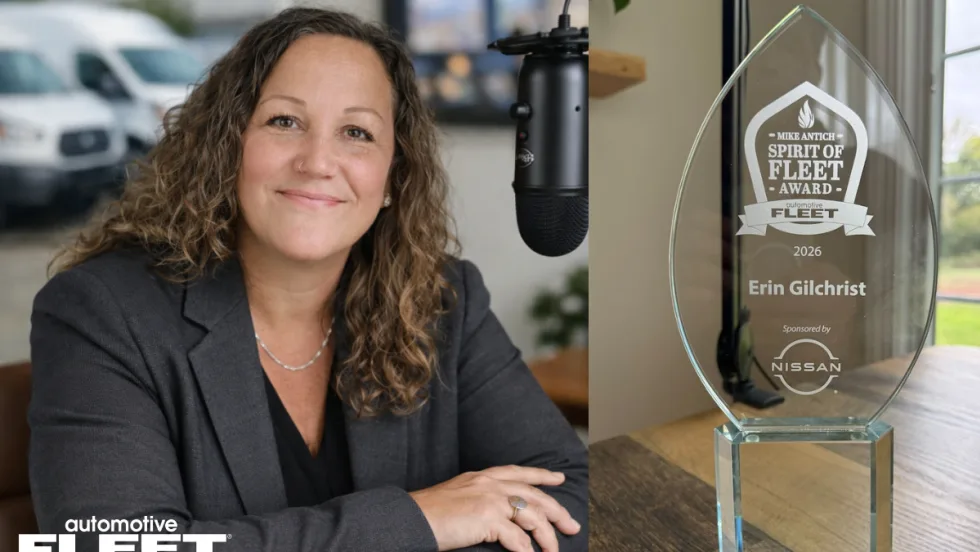
Erin Gilchrist Receives Mike Antich Spirit of Fleet Award
Last week at AFLA in Vegas, Erin Gilchrist received the inaugural, brand-new Spirit of Fleet Award.
Read More →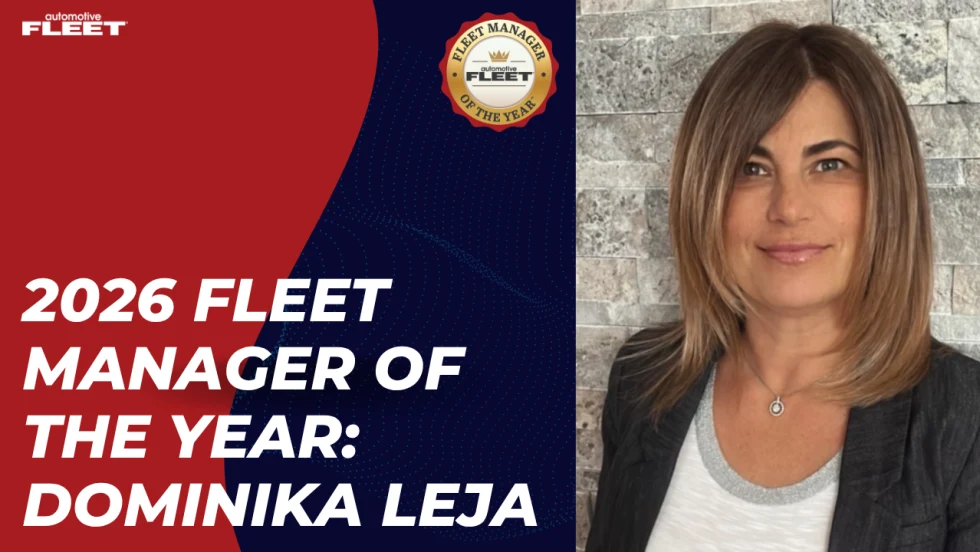
Dominika Leja Named the 2026 Fleet Manager of the Year
The AstraZeneca associate director of fleet was recognized for her leadership in fleet electrification, cost savings, and operational transformation.
Read More →
Jamie McKay Named the 2026 Fleet Visionary Award Winner
The Aptive Pest Control fleet manager was recognized for her approach to operations, data, lifecycle management, and driver needs.
Read More →
Fleet Forward Conference Introduces One-Day Passes for 2026
New one-day registration gives fleet professionals the flexibility to attend Tuesday, Wednesday, or Thursday, with passes available for $199 through Sept. 18.
Read More →
Vibe Coding: When Fleet Managers Become Software Builders
Five fleet professionals — none with programming skills — discuss how they’re using AI to build fleet solutions in-house and in a fraction of the time.
Read More →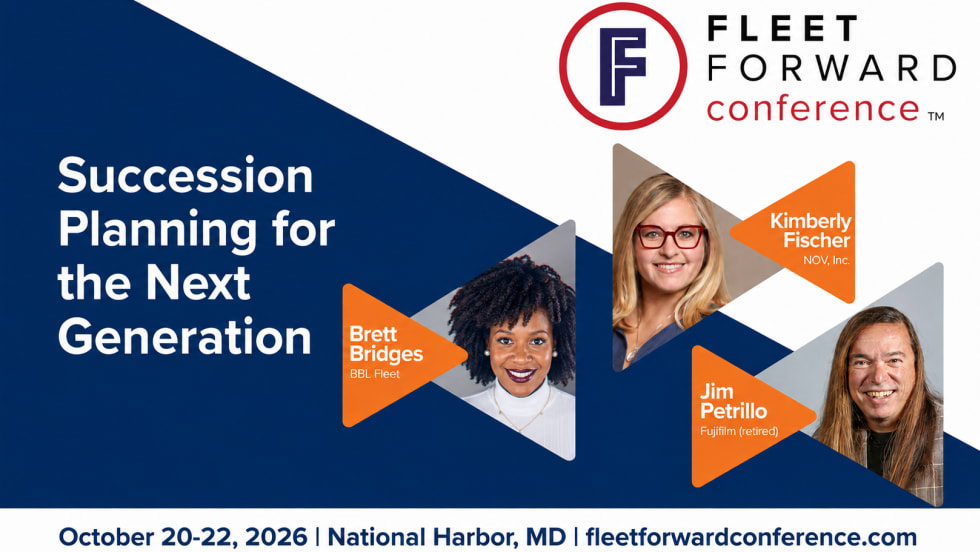
Fleet Forward Conference Tackles Fleet Industry’s Growing Leadership Gap
This session will examine succession planning, knowledge transfer, and the skills the next generation of fleet leaders will need as veteran professionals leave the industry.
Read More →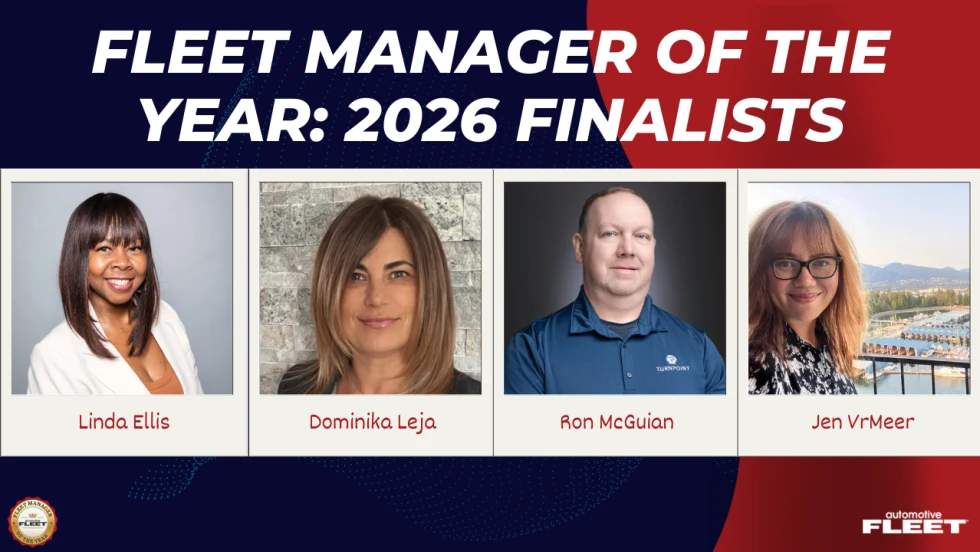
2026 Fleet Manager of the Year Finalists Announced
Who are the 2026 Fleet Manager of the Year finalists?
Read More →