




Hot Takes: Developing the Ecosystem for Electric Commercial Vehicles
We can finally see the horizon for electric trucks and vans, though it will take a range of stakeholders — from funding, infrastructure planning, tech training, and maintenance — to drive adoption.

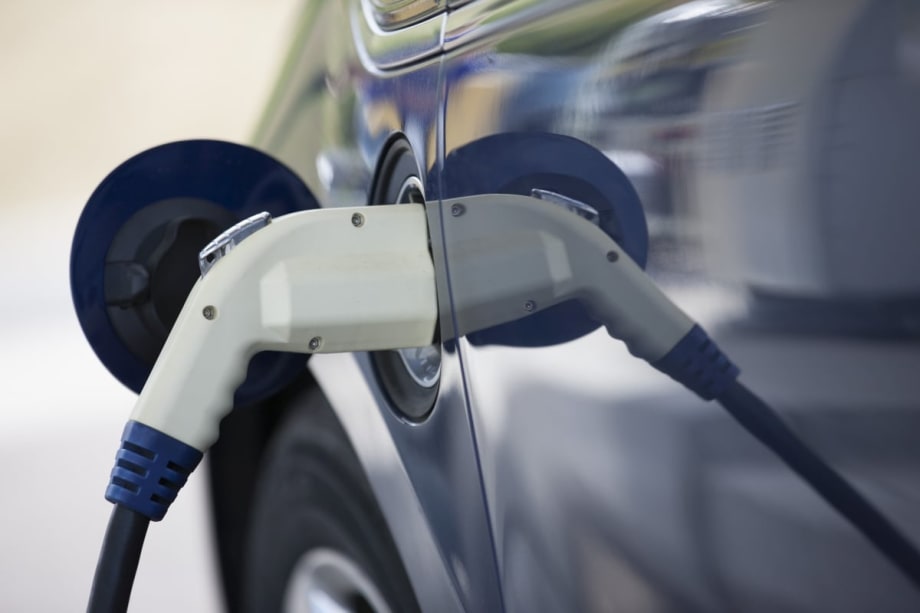
We’re finally starting to see electric commercial vehicles coming to market.
Photo by Matthew Staver / NREL.
While electric passenger cars led the way, the electrification of commercial vehicles initially came in fits and starts. (Who remembers Boulder Electric Vehicle or Smith Electric?) Unlike passenger cars, commercial vehicles need to carry different payloads with vastly different weights — and heavy payloads drain battery juice faster than a pitcher of lemonade on a hot day.
Yet with improving battery technology and with the last-mile delivery market ever burgeoning, electric commercial vehicles with ranges of up to 150 miles can satisfy most daily routes. As such we’re finally starting to see electric commercial vehicles coming to market.
At the massive Commercial Vehicle Show in April in Birmingham, England, Vauxhall’s Vivaro-E van, Mercedes e-Vito van, Peugot’s E-Expert, and an electric van from manufacturer LEVC will be on display.
On the heavy-duty side, Kenworth will collaborate with Meritor on developing an electric powertrain for the Class 8 Kenworth T680E, which will be available as a day cab with operating range of 100 to 150 miles.
More so than passenger cars, commercial vehicles need an ecosystem of stakeholders to drive electrification — from funding, installing, and operating high-voltage on-site charging stations, to technician training, maintenance, and repair.
At a recent event in Southern California, Volvo Trucks North America laid out a roadmap that the OEM and some 15 partners have drawn up for North American fleets to adopt heavy-duty electric trucks.
At the event, attended by Heavy Duty Trucking’s Dave Cullen, Volvo demonstrated several Class 8 electric truck and tractor models and showcased the work of its public and private partners in the Volvo Low Impact Green Heavy Transport Solutions (LIGHTS) project.
More on the electrification ecosystem front: Chanje, an early entrant in the electric van market (founded in 2015, the Mesozoic era in EV chronology) has partnered with BTCPower, a charging system manufacturer, to design a charging system for the commercial last-mile industry.
Meanwhile, a partnership between ChargePoint and NATSO will deploy charging stations at over 4,000 travel plazas and fuel stops.
Out of the gate, the initial cost for electric commercial vehicles could double their ICE counterparts. European countries such as England, Norway, and the Netherlands have generous incentives to cover the premium to electrify commercial vehicles. In the U.S., California leads the way by far. Until now, fleet electrification has been only feasible through testing with high-profile companies. That will change as new vehicles make it to market.
An obstacle for smaller electric vehicle makers is dealer franchise laws, which legally force OEMs into a long and expensive process to incubate dealer networks to sell their vehicles. Legislators, such as the ones behind this bill in Colorado, are more amenable to allowing direct-to-consumer EV sales even as they attract the ire of powerful state dealer associations.
This type of law would help the likes of Canoo, which intends to offer its EV “skateboard” with various bodies on a subscription-only basis. Canoo is partnering with Hyundai to engineer a scalable, all-electric platform for Hyundai and Kia vehicles.
The electric pickup race just got hotter: Nikola, makers of hydrogen fuel-cell electric Class 8 trucks, unveiled the design for the Nikola Badger electric pickup. The Badger is planned to be able to tow 8,000 pounds with a range of blended hydrogen fuel cell and electric propulsion, or 300 miles on electric propulsion only.
Turning to autonomous vehicles (AVs): When can autonomous technology actually save you money? When a police department doesn’t have to buy and install cameras on its police cruisers to monitor the vehicle and vicinity while parked. This Connecticut police department bought Teslas, and is using the built-in cameras in “sentry mode.”
The so-called “stalling of the autonomous vehicle market” was one of the bigger headlines last year. Yet amid AV fatigue, the public testing of autonomous shuttles and delivery services keeps cooking. Sometimes, it’s hard to know the true milestones until you’re able to see with 20/20 hindsight.
These could be gamechangers: Columbus, Ohio — continuing to prove itself as the U.S. capitol of mobility — launched the nation’s first public self-driving shuttle in a residential area. The Department of Transportation has granted the first autonomous vehicle exemption to allow a small, passenger-free delivery shuttle from Nuro to deliver consumer products, groceries, and hot food.
Where will we saw autonomy first? In closed-loop shuttle scenarios and in last-mile delivery, where smaller, slower, delivery bots have less liability around humans.
Finally, if like me you thought that carsharing was poised to take off around seven or eight years ago, yet hasn’t yet realized those expectations, read this blog. I take a look at what happened to carsharing along the way and where it goes from here.
More Fleet Forward

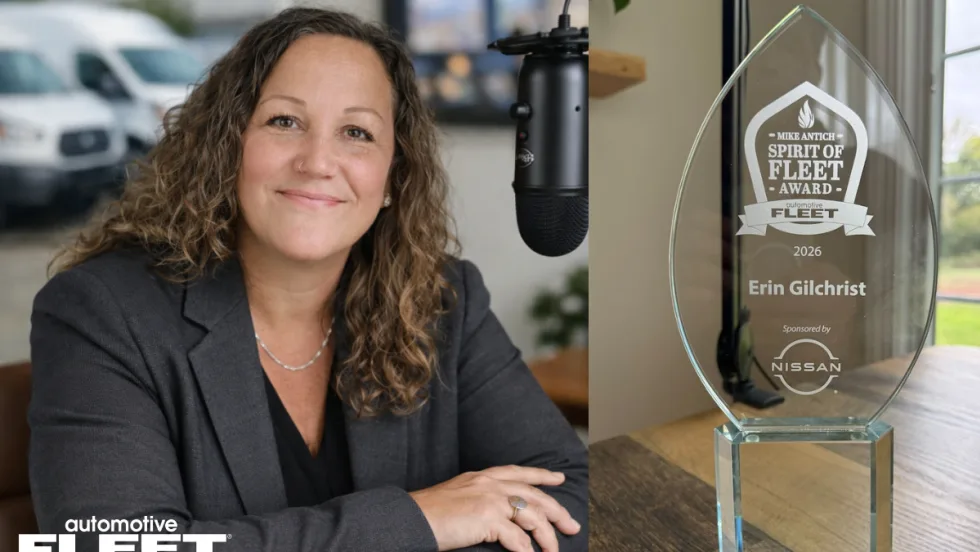
Erin Gilchrist Receives Mike Antich Spirit of Fleet Award
Last week at AFLA in Vegas, Erin Gilchrist received the inaugural, brand-new Spirit of Fleet Award.
Read More →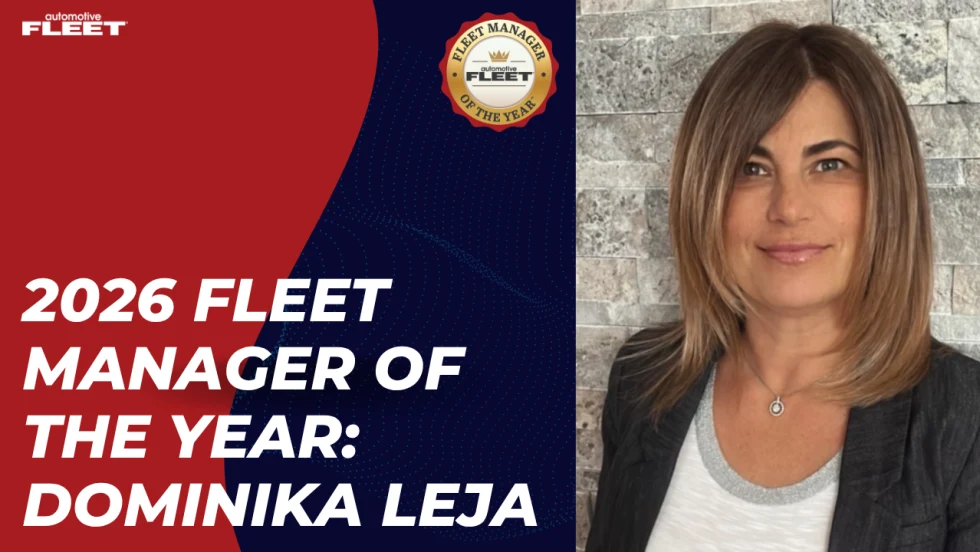
Dominika Leja Named the 2026 Fleet Manager of the Year
The AstraZeneca associate director of fleet was recognized for her leadership in fleet electrification, cost savings, and operational transformation.
Read More →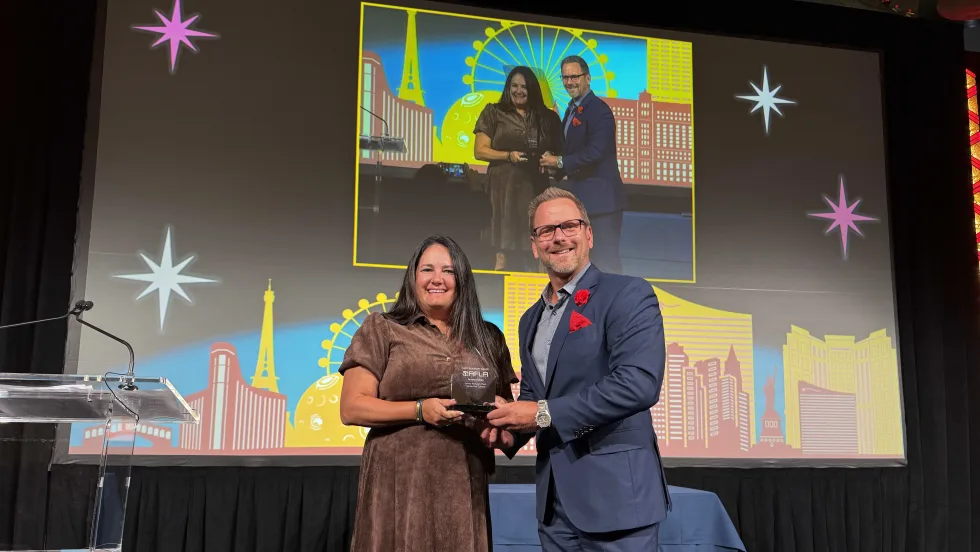
Jamie McKay Named the 2026 Fleet Visionary Award Winner
The Aptive Pest Control fleet manager was recognized for her approach to operations, data, lifecycle management, and driver needs.
Read More →
Fleet Forward Conference Introduces One-Day Passes for 2026
New one-day registration gives fleet professionals the flexibility to attend Tuesday, Wednesday, or Thursday, with passes available for $199 through Sept. 18.
Read More →
Vibe Coding: When Fleet Managers Become Software Builders
Five fleet professionals — none with programming skills — discuss how they’re using AI to build fleet solutions in-house and in a fraction of the time.
Read More →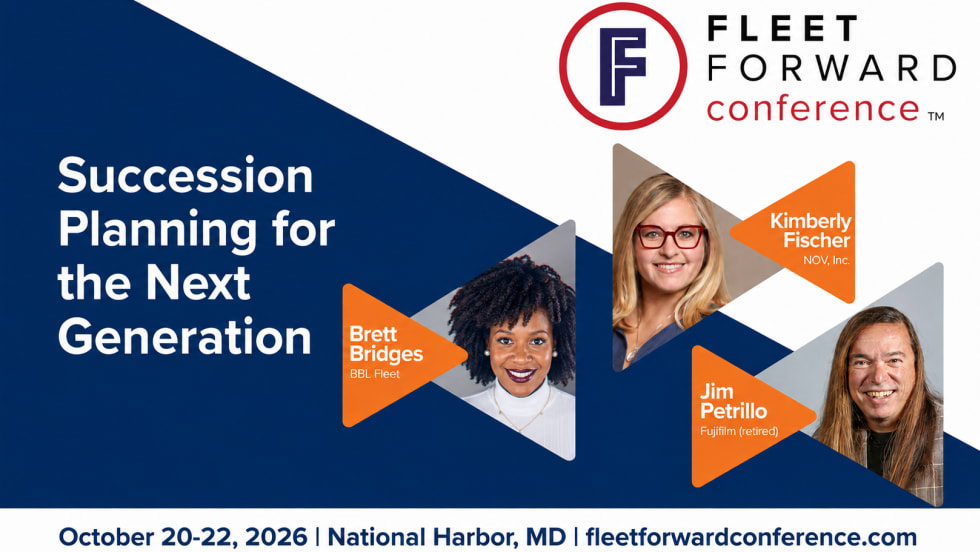
Fleet Forward Conference Tackles Fleet Industry’s Growing Leadership Gap
This session will examine succession planning, knowledge transfer, and the skills the next generation of fleet leaders will need as veteran professionals leave the industry.
Read More →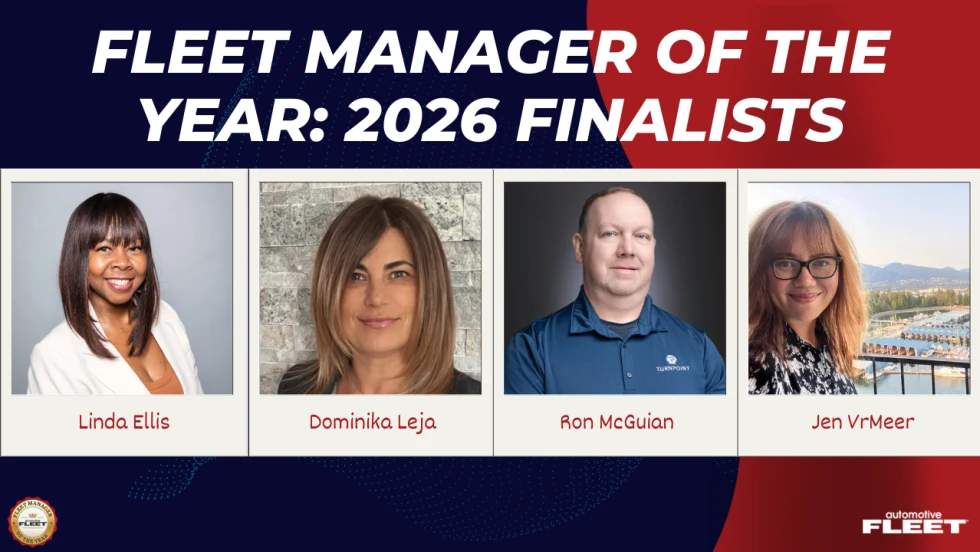
2026 Fleet Manager of the Year Finalists Announced
Who are the 2026 Fleet Manager of the Year finalists?
Read More →
John Rossant to Deliver Opening Keynote at 2026 Fleet Forward Conference
The CoMotion founder will draw on developments across Europe, China, the Middle East, and other international markets to identify trends that could influence how U.S. fleets plan for the coming decade.
Read More →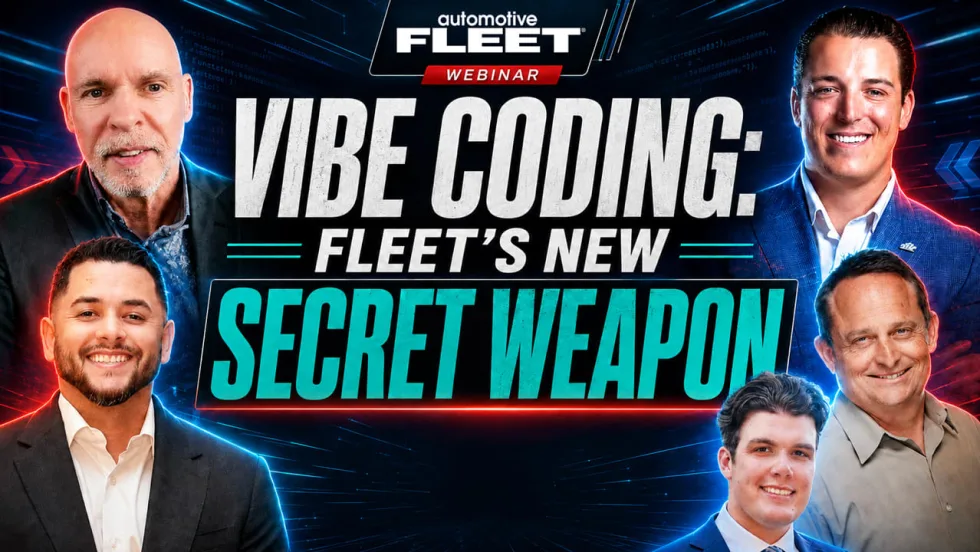
How to Build Custom Fleet Tools With AI and Vibe Coding [Webinar]
A new Automotive Fleet webinar explores how fleet managers are using AI and vibe coding to automate routine work and create simple operational tools without traditional programming skills.
Read More →