




Full Fleet Data Capture Takes Fleet Fuel Cards to the Next Level
Full fleet data capture is simplifying the complex task of monitoring fuel card purchases with its comprehensive list of detailed report information, available immediately at the point of sale.
For growing number of fuel card providers and fleet managers, full fleet data capture is becoming an essential requirement.
"In the future, gas stations will all provide full fleet data," predicts Stuart McGhee, marketing director of Com-Check Fleet Services in Nashville, TN. There are more than 192,000 service stations in the U.S.
Full fleet data reporting as provided by the major card issuers can provide detailed information to fleet managers. The reports are generated whenever a driver uses a card to make a fuel purchase.
Many fuel card providers are also developing systems for authorization prompts which allow for extra security. These systems require that the driver enter information such as a driver ID, VIN number, or license information before any purchase is made. It is nearly impossible for unauthorized persons to use the card, or for the card to be used to fuel a non-company vehicle.
Although full fleet data is essentially the same for all cards at this level of reporting, there are significant differences in the number of sites that honor individual cards, as the chart on the following page indicates. This is a factor to take in to consideration when choosing a fleet card.
Full fleet data capture at the time of purchase is the key to better eon-trolling cost for the fleet manager.
"If you don't capture all the information up front, you can't control it on the back end." said Mike Dubyak, CEO and president of Wright Express.
Electronic transactions with full fleet data capture conducted with Wright Express' Universal Fleet Card are more than 97 percent of all WEX Card transactions.
Although there is currently a wide variation in the level of acceptance among the various card issuers, all are striving to implement full fleet data reporting as quickly as possible.
"The MasterCard Corporate Fleet Card has enjoyed significant growth both in the number of cards and merchant penetration. Strong support from the merchant community has brought data capture to 88,000 locations and authorization prompts to 60,000 in only two years," said Fred Gore, senior vice president of United States Acceptance Group. "MasterCard will aggressively continue to increase the level of support of enhanced data and authorization prompting as numerous merchant commitments have been obtained for 1999."
According to Vicki Carpenter, president of Voyager Fleet Systems, "Voyager is rapidly approaching saturation in terms of Level III full fleet data capture with our petroleum partners."
[PAGEBREAK]
"In 1999, we anticipate a completion of our efforts in the petroleum segment, along with an aggressive recruitment program on the maintenance merchant side of the business. The maintenance market is the area where our customers want, to have the Voyager card accepted," said Carpenter.
There are several levels of reporting available today to fleet managers, with Level I being the most basic and full fleet data capture being the most comprehensive.
At Level I, the report of the purchase includes:
Total purchase amount.
Date of purchase.
Name of merchant.
City and state of merchant.
Debit or credit purchase. Full fleet data capture includes:
Unit cost.
Driver ID.
Discount.
Product description.
VIN number.
Odometer reading.
Cost per mile.
Miles per gallon.
For fleet managers, full fleet data can show which drivers are mis-fueling their vehicles, which are over doing maintenance, or which drivers are missing scheduled maintenance.
More Fuel
Fuel Prices Surge in September | September Fuel Update
September brought major fuel price swings, including diesel crossing $6 a gallon. Here’s how gas and diesel prices changed throughout the month, and where they stood heading into October.
Read More →
Turning Fleet Payment Data into Executive Insights
Ramel Lindsay of U.S. Bank Voyager discusses how fleets can transform payment and transaction data into actionable intelligence to reduce costs, improve oversight, and support executive decision-making.
Read More →
Why the IRS Raised Its Mileage Rate in the Middle of 2026
Fuel-price volatility drove the rare increase to 76 cents per mile, the fifth midyear adjustment since 2000.
Read More →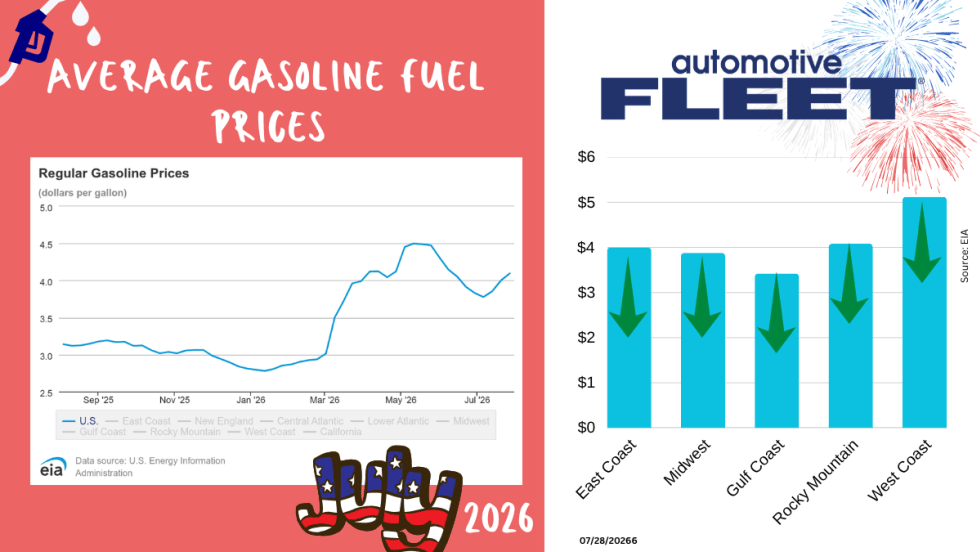
July Fuel Update: Prices Keep Rising in Light of More Conflict
Gas prices continue to rise as more and more conflicts do, too.
Read More →
Bob Adamsky on Fuel Volatility: "Don't Panic, Have a Plan."
When it comes to up and down fuel prices, Adamsky has a message for fleets: “Don’t panic.”
Read More →
How Fleets Can Gain Control of Non-Fuel Spend
Fuel often gets the spotlight, but non-fuel expenses can have a major impact on fleet costs. Ramel Lindsay of U.S. Bank Voyager discusses how fleets can gain better visibility and control over these often-overlooked expenditures.
Read More →
Fuel is Just the Start: How Middle East Tensions are Driving Up Fleet Maintenance Costs
The Middle East conflict is doing more than pushing up fuel prices. It’s also raising the cost of key maintenance products your fleet depends on, from motor oil to tires to windshield wipers. Here’s what you need to know about this budget-busting situation.
Read More →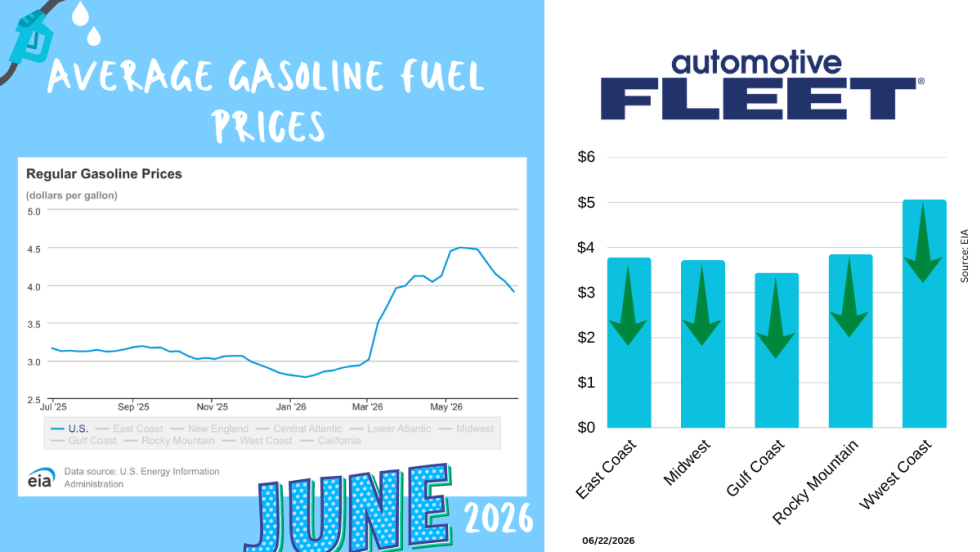
June Fuel Update: Prices Fall Below $4
Drivers are finally getting some relief at the pump. The national average gas price has dropped below $4 a gallon for the first time in months, with prices falling in 47 states as oil markets react to developments in U.S.-Iran negotiations.
Read More →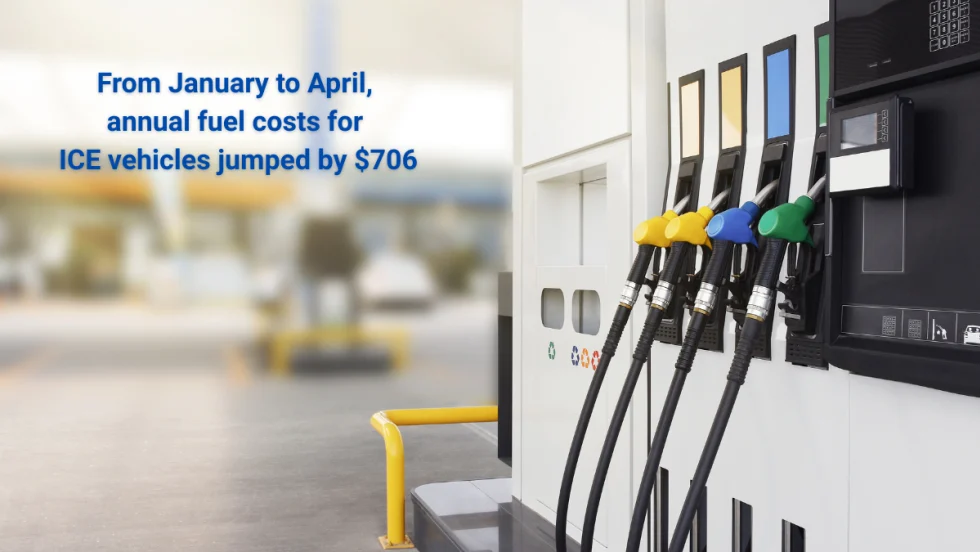
Study: How 2026's Gas Price Hikes Affect Different Vehicle Types
New data from iSeeCars reveals how rising fuel costs have affected different vehicle segments as gasoline prices climbed nearly 46% over the past four months.
Read More →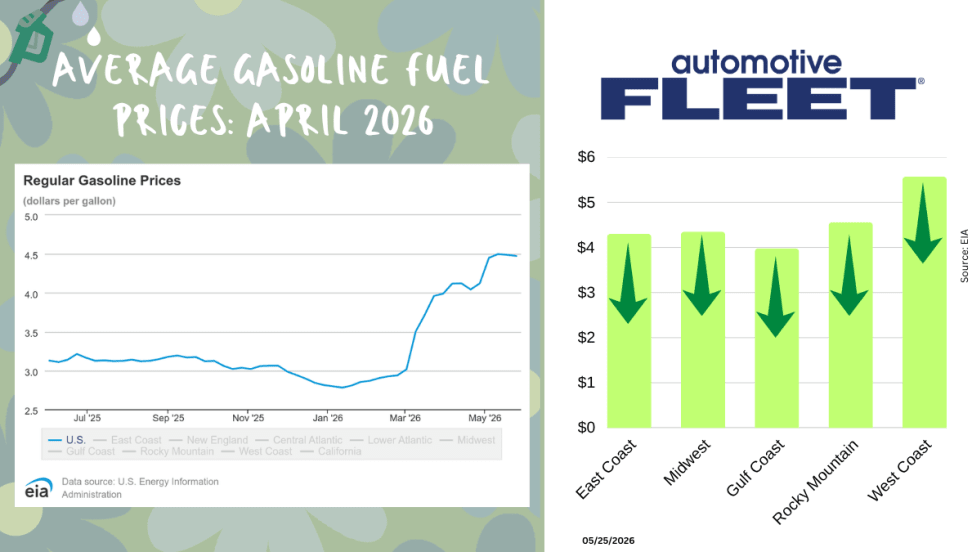
May Fuel Update: All Regions Experience Declines
Gas prices are finally easing in much of the country, but experts warn global tensions could quickly reverse the trend as the national average remains well above last month’s levels.
Read More →