




Forecasting Fleet’s Future at NAFA
Fleet professionals are expecting higher gas prices, tight inventory, longer warranty periods, fuel tax incentives and texting-while-driving bans.

NAFA Fleet Management Association convened in Detroit in April for its annual Fleet Management Institute & Expo. The Expo is ground zero for the latest on manufacturer and fleet news and information.
On the Ground
Companies are putting increasing scrutiny on fleet operations. Right sizing, maintenance costs and fuel volatility are all issues, and metrics and fleet data are increasingly on a "need it now" basis.
Expect fuel prices to rise as the economy improves. Fleets are continuing the move from six- to four-cylinder engines. However, meeting new emissions requirements is increasing fleet costs, especially for 2010 diesel truck models.
Though fleets are increasing acquisitions as pent-up demand is released, well-built vehicles are allowing longer hold times. Led by Hyundai's 10-year, 100,000-mile warranty, look for OEMs to offer longer warranty periods. The typical 36-month, 60,000-mile lease will become a thing of the past.
Inventory remains tight, especially for those buying off dealer lots. For those who order from the manufacturer, do so further out and you'll be OK.
The OEMs' POV
Auto manufacturers reiterated the message that fleet business is good business. GM's vice chairman, Bob Lutz, noted that "fleet is sold first and built first."
While retail sales were up 5 percent in the first quarter of 2010, fleet registrations increased by 47 percent. Much of that came from pent-up rental fleet sales. OEMs are now tightly managing rental fleet sales while focusing on more profitable government and commercial fleet sales.
Volkswagen is now becoming a player in fleet.
The three domestic manufacturers are holding the line on incentives. Bob Lutz said that GM has solved its $8,000 fixed labor cost per car.
Fuel and Powertrain Outlook
Manufacturers used the word "agnostic" regarding what fuel or powertrain will gain greater market share. All are developing multiple alternative-fuel and powertrain technologies.
Biodiesel, ethanol, CNG and propane are niche players but important for fleets that have dedicated routes and fuel availability. Chrysler said its alliance with Fiat will factor in fleet because of Fiat's strength in CNG technology. Honda continues to sell its CNG-powered Civic GX into fleet.
Mercedes, Audi and VW are realizing very good diesel sales. Right now, Volvo has no plans to bring a diesel car model to the U.S.
The mainstream path to energy independence, however, seems to be a move from gas-electric hybrids to all-electric and, eventually, fuel-cell technology.
There is an electricity grid infrastructure issue. However, everyone from the manufacturers and leasing companies to local and state governments and Clean Cities are putting resources toward solving the problem.
OEMs are not giving up on gas power. Manufacturers are squeezing four-cylinder-like miles-per-gallon numbers out of six-cylinder engines with the same six-cylinder horsepower.
Legislative Actions
NHTSA is recalibrating how it rates vehicles under its 5-Star Safety Ratings. Some vehicles that received five stars will be downgraded under the new system.
Expect state legislation on texting while driving to follow recent nationwide orders for a ban on TWD for trucking fleets and federal employees.
Three different versions of a cap and trade bill are circulating. The Environmental Protection Agency may be given the authority to require certain fleets with annual GHG emissions of more than 25,000 metric tons of CO2 to report greenhouse gas emissions. That comes along with fleet funding for electric and plug-in electric vehicles.
Fuel tax incentives for CNG, propane and biodiesel expired at the end of 2009. Legislation to reinstate the incentives has passed the House and Senate, though no timetable for implementation is in place.
There is pending legislation to increase the tax credit for natural gas vehicles; same for medium- and heavy-duty hybrid trucks.
A Fuel Performance Tax Credit is being proposed in an amount proportionate to the new vehicle's excess fuel efficiency above CAFE. If passed, rebates would be substantial: A Toyota Prius owner would receive about $4,000 and a Volt driver would get nearly $8,000.
More Green Fleet
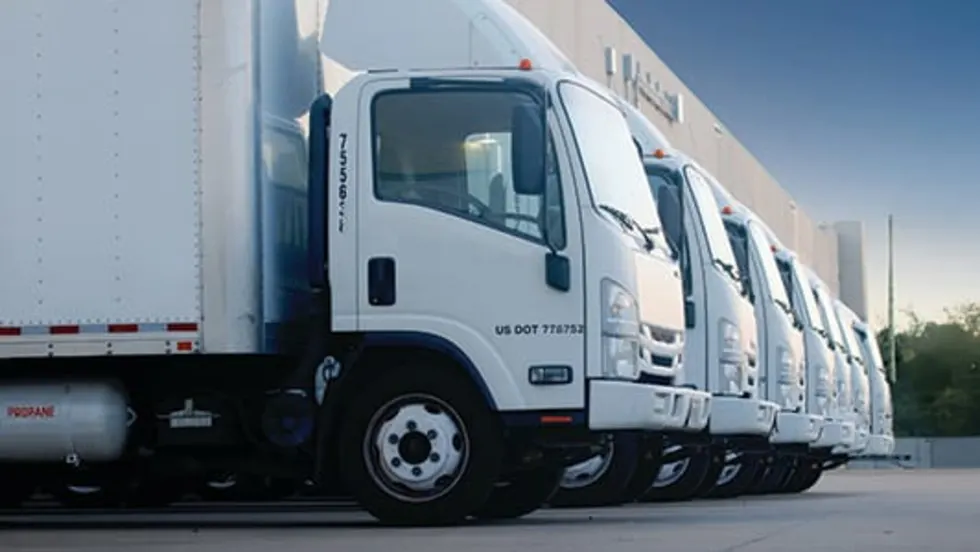
New Propane Autogas Program Offers Fleet Compensation
Qualified commercial fleets can receive $7,500 per eligible propane autogas vehicle and up to $10,000 for new refueling site prep. Learn how the program works and see whether your fleet qualifies.
Read More →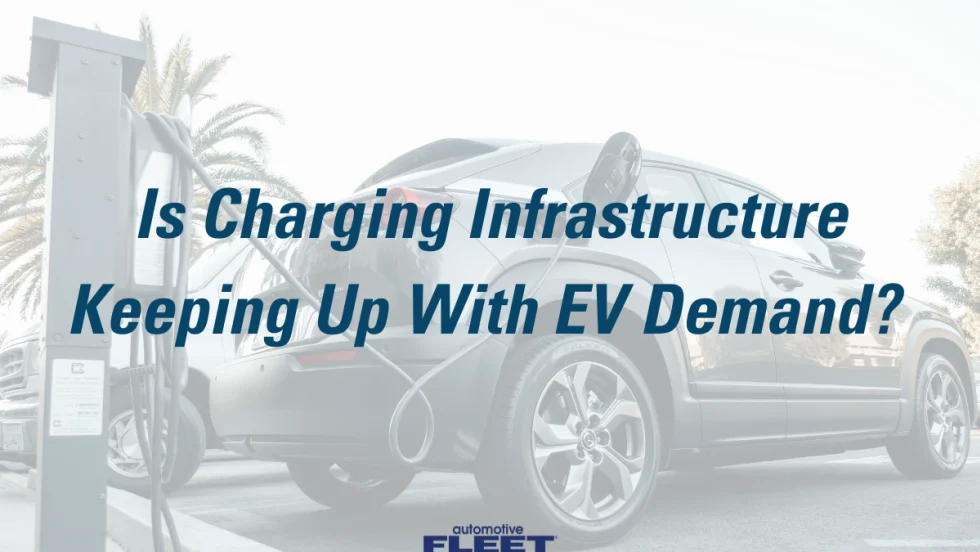
EV Charging Use Is Outpacing Infrastructure Growth
ChargePoint’s 2026 Charging Forward Report points to rising charger use, higher-powered charging, commercial vehicle electrification, and energy-management technology. Here’s what fleets should know.
Read More →
Merchants Fleet Reports 290M EV Miles as Fleets Navigate Changing Electrification Market
From millions in operating savings to hundreds of millions of EV miles, Merchants Fleet’s latest report reveals what’s working and what’s changing in fleet electrification.
Read More →
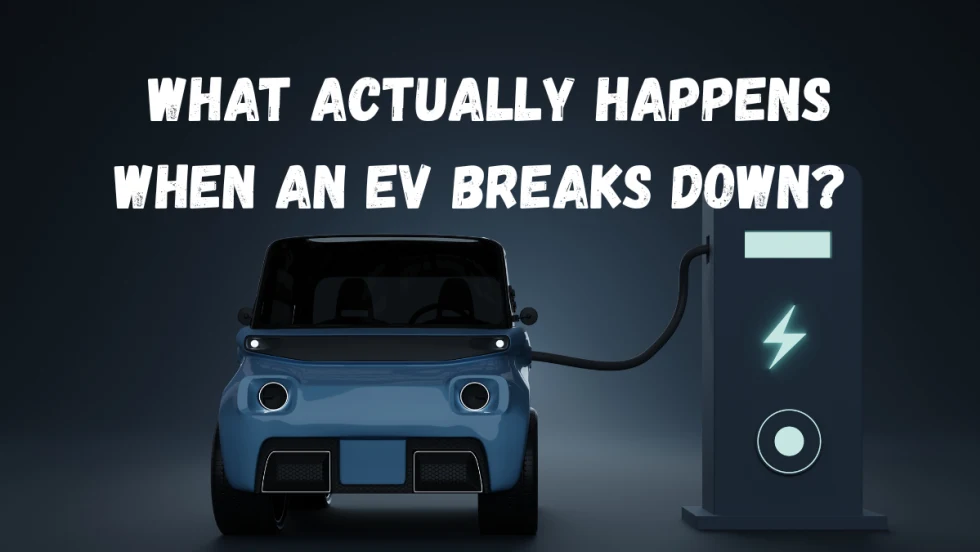
The EV Breakdown Nobody's Talking About: Why Most Electric Vehicle Roadside Calls Aren't Mechanical Failures
Here's why EV breakdowns are widely misunderstood.
Read More →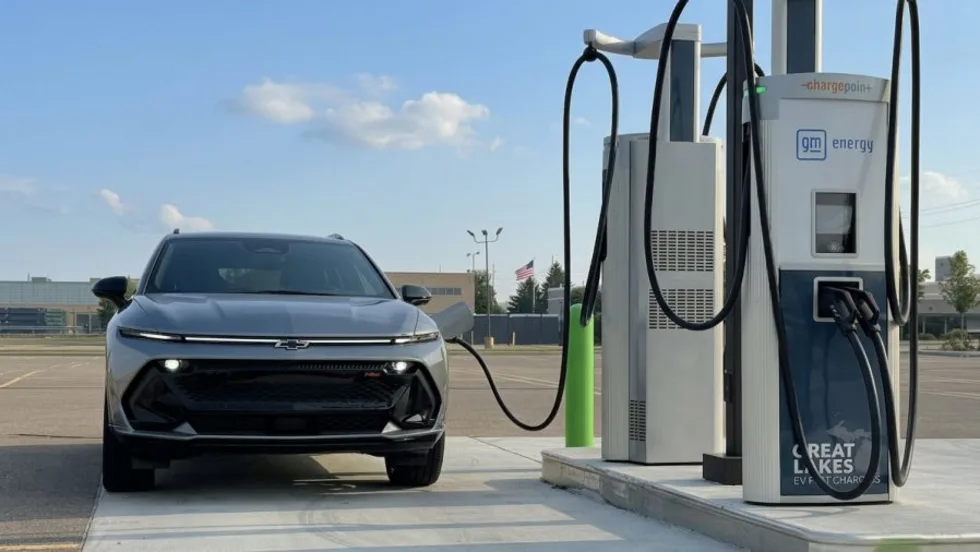
ChargePoint Now Available in Energy Pass
ChargePoint and additional planned charging network integrations were added to GM's Energy Pass.
Read More →

First Look: Slate Auto's Electric Fleet Pickup
Could an affordable, modular EV pickup make electrification more practical for fleets?
Read More →
Slate Debuts Colorful, Unique EV Models
A recent media and client event, studded with electric vehicles dressed up on platforms, planted a new position for the manufacturer in the wider EV market. Fleets will find cost-saving advantages.
Read More →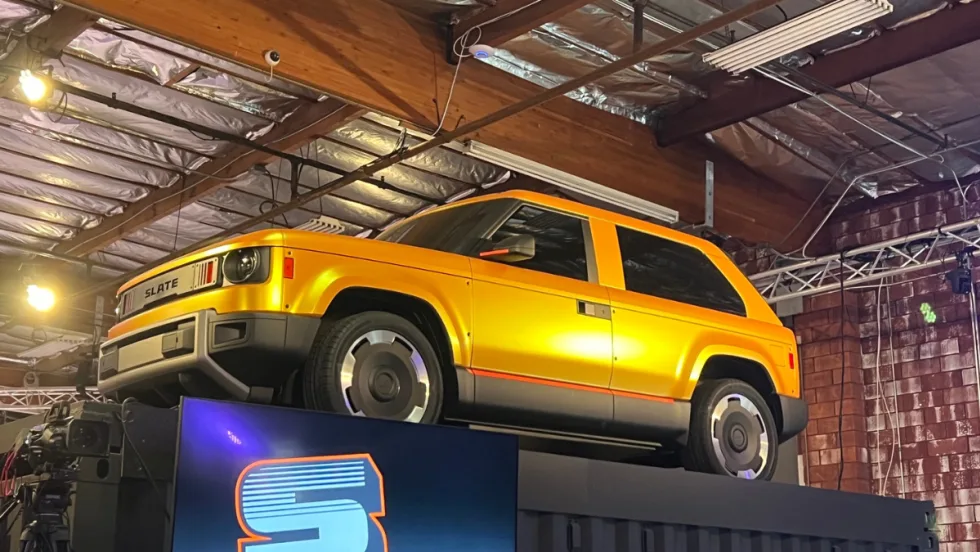
Slate Electric SUV, Pickup Switchable Model Aims For Light-Duty Fleets
Everything about this EV is counterintuitive and understated, making it stand out from the crowd.
Read More →
Inspiration Mobility Acquires Key Electrada Assets
Inspiration Mobility Group has acquired select assets of Electrada, adding the fleet electrification provider's team, technology, and charging infrastructure development capabilities to its energy management business.
Read More →