





Dig Deeper: Ford Ranger Returns for 2019
Ford Ranger Rides into the Sunset
Several fleet management companies look ahead as Ford’s stalwart small pickup ceases production. There are options, but they depend on a number of factors.
March 1, 2012
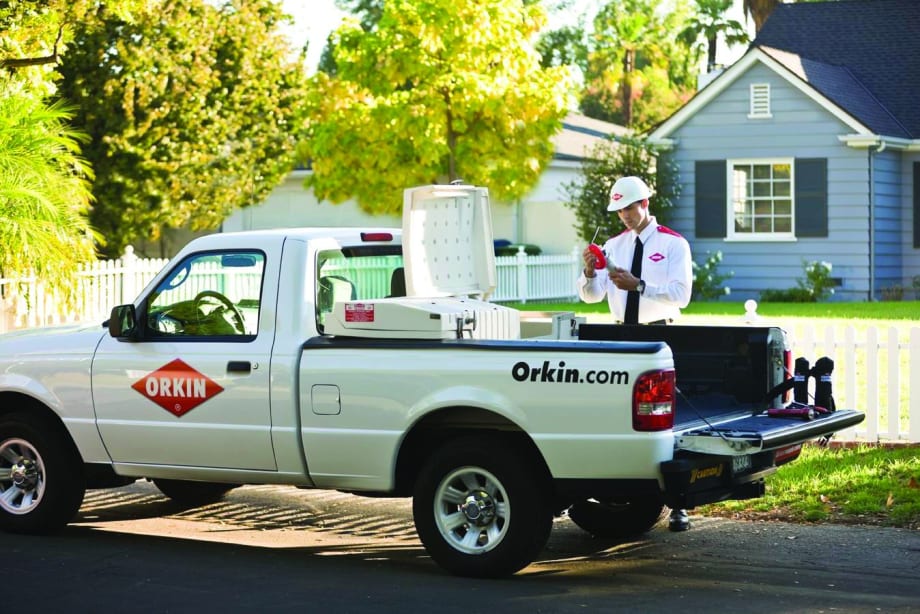
Rollins Inc. is looking into possible replacements for the 5,000 Ford Rangers that comprise its Orkin pest control fleet.
Photo: Rollins Inc.
5 min to read
After a 28-year production run, the last Ford Ranger came off the assembly line in December at the Twin Cities Assembly Plant in St. Paul, Minn., en route to Atlanta-based Rollins, Inc., the parent company of Orkin.
While a new global platform for the Ranger will be built overseas, Ford has no immediate plans to sell the compact truck in the U.S. Industry experts point to shrinking sales and high cost of retooling the Ranger for the U.S. market (pushing the price point closer to the full-size truck level) as factors.
Chris Foster, manager of vehicle acquisition for Automotive Resources International (ARI), said to start by clearly defining how the vehicle replacing the Ranger will be used.
"As you start going through that list [terrain, mileage, destination, payload, drivers, etc.], we can give [fleets] a recommendation as to what's the best step," Foster said.
Use these six factors when evaluating potential Ranger replacements:
Payload capacity. Can the replacement vehicle haul the weight the Ranger carried in the same application?
Cargo capacity. Is an open bed required to handle the load size, or will an enclosed vehicle work?
Safety. Pest control applications, for example, need a distinct separation between cargo and cabin compartments to protect drivers from hazardous chemicals.
Maneuverability. If the truck will operate in tight urban areas, a full-size pickup might create issues.
Pricing. Which offers the greatest price advantage: a small cargo van, a full-size truck, or a compact truck from another automaker?
Lifecycle cost. This includes initial price, fuel economy, maintenance/ repair costs, and depreciation. Which alternative offers the lowest cost over the desired span to keep the vehicle?
Understanding Procurement Strategies
Once the vehicle's application and essential factors for a viable Ranger replacement have been identified, there are three options to consider:
1. Bump up to full-size truck.
"If the small size of the vehicle is not critical to the job, then the Ford F-150 becomes a pretty good replacement, especially with the new engines and good fuel economy," said Foster of ARI.
Another aspect to look into is the available OEM fleet incentive placed on a vehicle. Donlen's Rick Shick, vice president of vehicle acquisition & strategic sourcing, conducted one customer analysis where the full-size F-150 actually made more financial sense than the smaller Toyota Tacoma pickup, from a lifecycle cost perspective, because of the level of incentives from the manufacturer.
Each instance should be evaluated on a case-by-case basis. The Chevrolet Colorado, for example, may fit better for another customer. General Motors announced in October 2011 that the all-new Colorado mid-size pickup will be built and sold in the U.S.
2. Shift to different vehicle type.
"If it's a small delivery parts company, maybe it can work with a Ford Focus or some type of smaller, fuel-efficient hatchback," Shick proposed.
Erik Nelson, truck sales manager - North America, for Wheels Inc., agreed. "A lot of parts companies don't need the physical cubic inch and payload capacity of a pickup. Most aren't hauling an engine or transmission in a lot of cases. They're carrying a box or crate from one place to another. So, perhaps a Toyota Matrix with a hatchback is a better option. The rear seat folds so that if you need to put something in that is a little more substantial, you can," he said.
Foster suggested the Ford Transit Connect for small payloads. "You have the benefit of having the cargo covered and excellent fuel economy. There are plenty of applications where the Transit Connect would fit."
3. Stick with the compact truck, switch OEM.
"There are some industries that absolutely love and thrive with the smaller pickup truck. Pest control is a big one," said Nelson. "They want to keep the chemicals separated from the driver. And, they want a small, easy-to-drive, efficient platform to do it with. We have explored alternatives like the [Ford] Transit Connect and other small cargo vans for them, but you just cannot seal the cargo area effectively enough to guarantee that the driver won't inhale some sort of fumes from the chemicals they use in pest control. So with pest control companies, we've had to look at the remaining OEMs in the [compact truck] segment."
These include the Toyota Tacoma, Chevrolet Colorado/GMC Canyon, and Nissan Frontier.
"One challenge on the small pickup side is that foreign automakers aren't typically as well versed on ship-through logistics to deal with fleet upfitting," Nelson said. "So, you have challenges in terms of getting the vehicle upfitted efficiently and cost-effectively."
So, what's the most viable alternative to the Ford Ranger?
"There's no cookie-cutter answer," Shick said. "It all depends on how the customer is using it, what their lifecycle cost objectives are and any other business issues they might have that we need to be aware of to make that recommendation."
Orkin's Next Vehicle
Rollins Inc., the parent company of Orkin and the recipient of the last Ford Ranger built in the U.S., has more than 5,000 Rangers in its fleet. Now, the company has a big decision to make on a replacement for Ranger.
"While we're open to looking at several different types of vehicles, we really prefer to stay with a small- to medium-size pickup," said Paul Youngpeter, director of fleet for Rollins.
Because pest control companies must comply with the regulatory-required separation barrier between the driver and chemicals carried in the vehicle, Youngpeter said, "the pickup truck provides that natural separation without any upfitting."
In addition, he cited the pickup's accessibility to the truck bed from both the tailgate and over the rail, which enables service specialists to safely reach equipment without ladders or step-ups. "Small trucks also provide better maneuverability and driver visibility than their larger counterparts, which is an advantage in both our commercial and residential service applications."
Youngpeter said Rollins is considering the Toyota Tacoma and the redesigned Chevrolet Colorado/GMC Canyon as possible replacement options.
Originally posted on Work Truck Online
Subscribe to Our Newsletter
More Vehicle Research
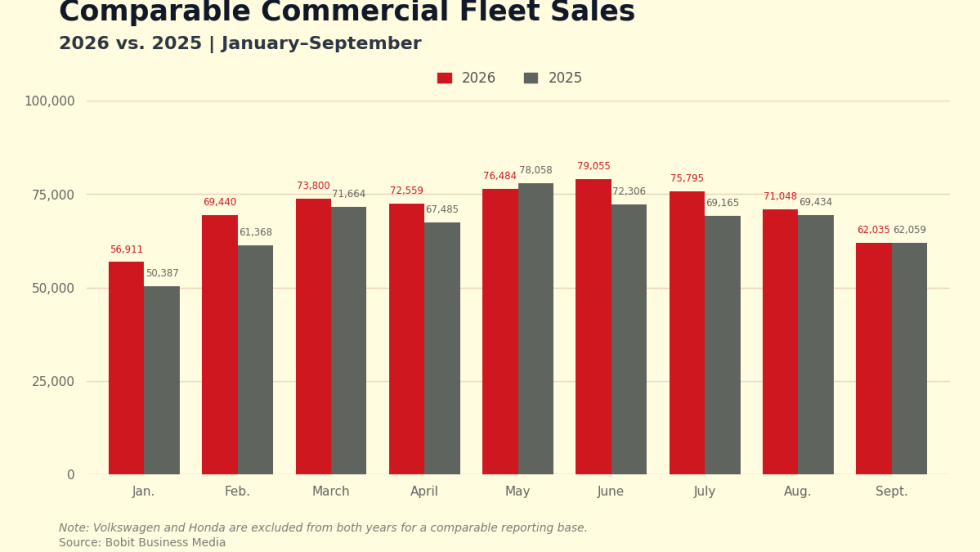
Commercial Fleet Sales Rise 5.8% Through September 2026
September commercial fleet sales were essentially unchanged from a year earlier, slowing year-to-date growth while keeping volume ahead of 2025.
Read More →
Hall of Fame Inductee: John Dmochowsky
The longtime Mondelēz International fleet executive joins the Automotive Fleet Hall of Fame.
Read More →
Hall of Fame Inductee: Lee Miller
After more than four decades at Boehringer Ingelheim, Lee Miller leaves a legacy built on fleet expertise.
Read More →
Hall of Fame Inductee: Mark F. Petersen
From managing fleets of thousands of vehicles to advancing safety and mentoring fellow professionals, Mark F. Petersen made his mark across both the corporate and supplier sides of fleet.
Read More →
When Charger Downtime Becomes a Fleet Availability Problem
As EV deployments move beyond pilot programs, charger reliability can directly affect vehicle readiness, driver productivity and route scheduling.
Read More →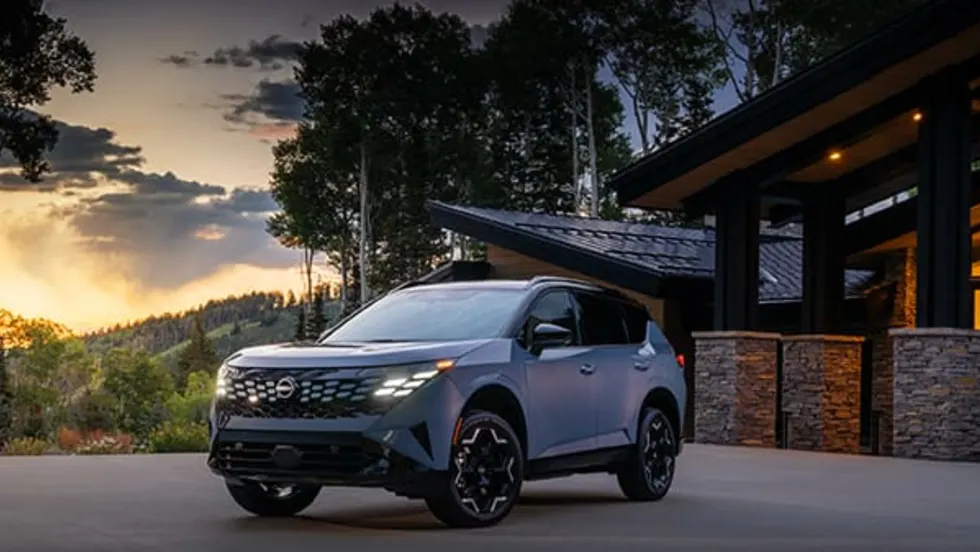
2027 Nissan Rogue Hybrid Adds e-POWER, Standard AWD
The new Rogue Hybrid uses Nissan’s e-POWER system with dual electric motors, offers an estimated 40 mpg and starts at $35,490.
Read More →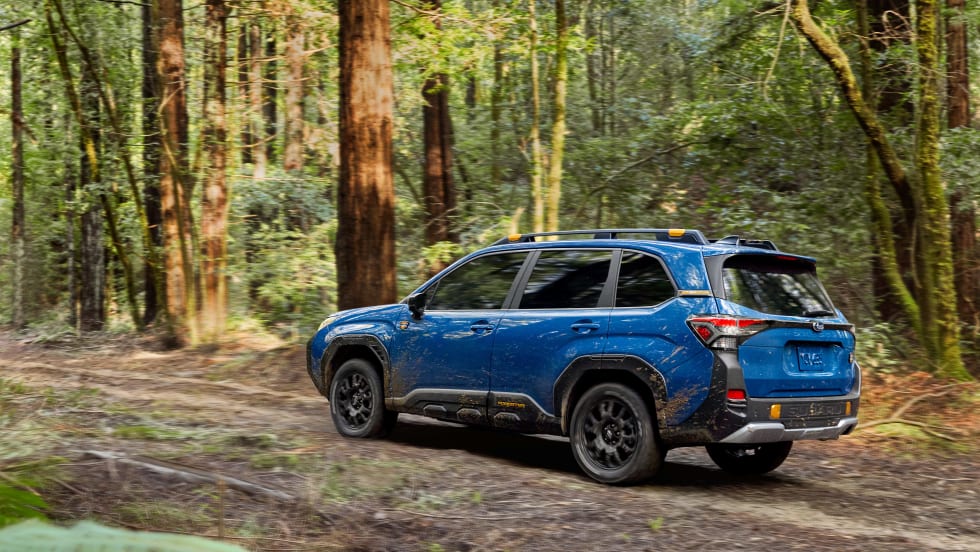
2027 Subaru Forester Adds First Wilderness Hybrid
The 2027 Forester lineup starts at $29,995 and adds a Wilderness Hybrid with 194 combined horsepower and 9.3 inches of ground clearance.
Read More →
EV Realty Names Henrik Holland President as Charging Platform Expands
The former Prologis Mobility and Shell executive will help expand EV Realty’s truck charging business and move its power-first infrastructure model into autonomous vehicle depots and other fleet sectors.
Read More →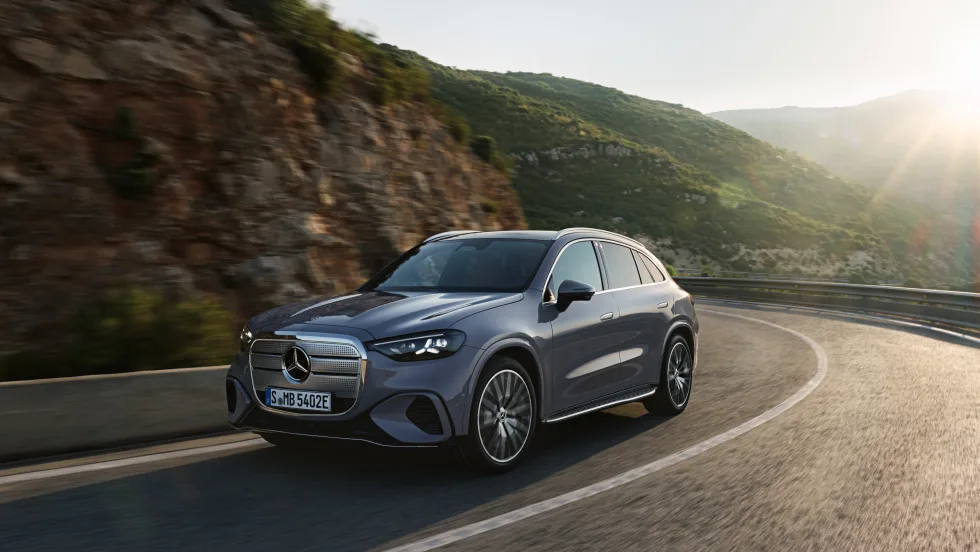
Mercedes-Benz Introduces Electric GLC With Up to 350 Miles of Range
The GLC 400 4MATIC Electric features an 800-volt architecture, 330-kW DC fast charging and a 94-kWh battery, along with Mercedes-Benz's new MB.OS operating system.
Read More →
Fleet Has a Talent Pipeline Problem, not a Talent Problem
Where will the next generation of fleet leaders come from, and what does the industry need to do differently to find them?
Read More →