




Electronic Vehicle Titles Will Revolutionize Title Processing: 8 States Now Recognize E-Titles
An electronic lien and title system, or ELT, is the technology that allows vehicle titles and lien information to be transmitted electronically, much like e-mail, to and from state motor vehicle agencies and lien holders.

Today, ELT is available in 8 states – California, Florida, Idaho, New York, Massachusetts, Pennsylvania, Virginia, and Washington. Currently, there are more than 3 million electronic titles on file.
In 2003, Arizona will become the next state to begin accepting electronic liens and titles. Hawaii (Oahu) and New Hampshire are currently developing and testing ELT systems. In addition, legislation has been signed into law permitting the use of electronic vehicle titles in 10 other states, although they have yet to implement an ELT system.
For lien holders participating in an ELT system, a state will suppress the printing of a physical paper title. Instead of receiving a paper title by mail to store in its title vault, the lien holder, such as a fleet management company, will receive an electronic transaction stating its financial interest in the vehicle.
At the end of the vehicle's lease term, a paper title will be issued to it to transfer ownership to the secondary buyer of the off-lease fleet vehicle. It is important not to confuse ELT with electronic registration and title (ERT), which is a separate program.
The difference between the two is that ERT is the actual filing of the title and registration application. ELT is electronic notification that a lien is listed and replaces the issuance of a paper title. Dealers, fleet management companies, and lenders are the primary users of the electronic registration program.
Currently, there are 12 states that have ERT systems. The next state to conduct a pilot ERT program is Oregon, which will do so in October 2002. (It is also important to realize that a state motor vehicle agency may allow ERT but not ELT or vice versa. There are six states that allow both. Arizona will become the seventh state once it completes development of its ELT system.)
An ERT system provides lessors and rent-a-car companies the capability to remotely hard plate and register vehicles. While the functionality varies from state to state, a typical ERT system electronically connects a lessor to the state motor vehicle agency to register new vehicles; transfer, renew, or cancel registrations; inquire about taxes and violations; and report lost tags and issue replacements.
An Estimated 5% of All Paper Titles Are Lost
Lien holder participation in an ELT program is voluntary. But most lien holders are very receptive. One advantage is that electronic files offer a way to eliminate lost paper titles. Nationwide, among all lien holders, it is estimated that there is an average 5 percent loss of titles stored in lien holder vaults.
If you take a lien holder, such as a financial institution, that has a portfolio of 100,000 titles, that means that at any given time there is an average of 5,000 vehicle titles that are lost. Despite the advantages, that's not to say that there haven't been hiccups in using ELT systems.
In an embarrassing programming snafu, the California DMV inadvertently purged electronic title records with no activity for four-plus years. However, as of Jan. 1, 2002, the state now excludes ELT records from its regular four-year purge criteria, and it is restoring all ELT records purged since March 2002.
More Changes Still Needed
GE Capital Fleet Services is investigating the possibility of using an ELT program to secure its vehicle assets.
"It greatly reduces the exposure of title loss due to a catastrophic event," said Tim Duckworth of GE Capital Fleet Services. "However, until more states accept ELTs, we face difficulties and delays in moving vehicles from an ELT to a non-ELT state."
Other fleet management companies agree that additional changes need to be made to ELT programs. For instance, John Maher, VP of operations for CitiCapital Fleet, said there is the concern that ELT programs are still geared too much to financial institutions rather than fleet owners. Another concern is the time it takes to convert electronic titles to paper documents.
"It takes approximately two weeks to convert electronic titles into paper, which may delay the remarketing and relicensing of vehicles," said Steve Guertler, director of vehicle operations for Wheels Inc. Ultimately, these shortcomings will be addressed. "
Once this occurs, electronic titling will be a godsend to fleet management," said Tim Delaney, manager of license and title for ARI.
Let me know what you think.
More Leasing
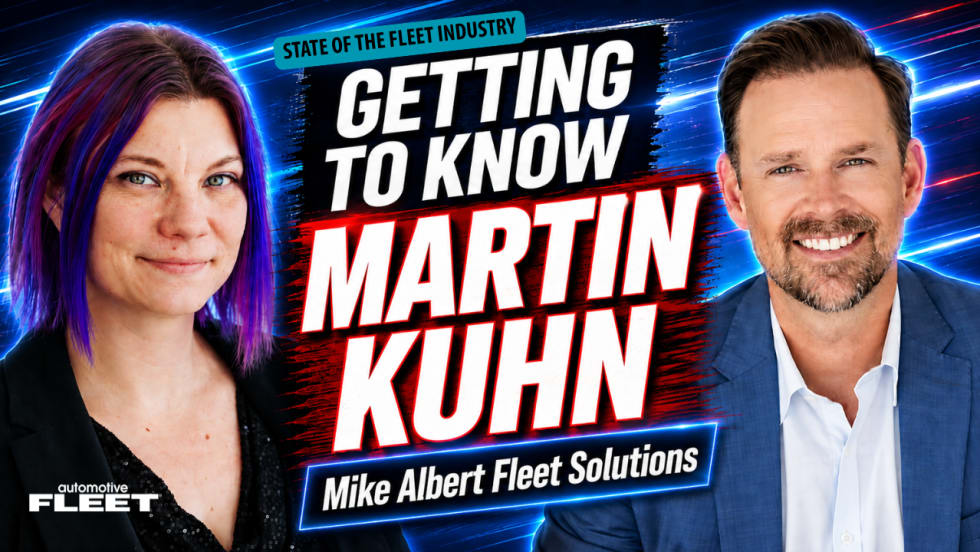
Martin Kuhn on the Future of Mike Albert Fleet Solutions
The new president and CEO explains how Mike Albert Fleet Solutions plans to invest in technology, data, and people without losing the personal service fleet customers value.
Read More →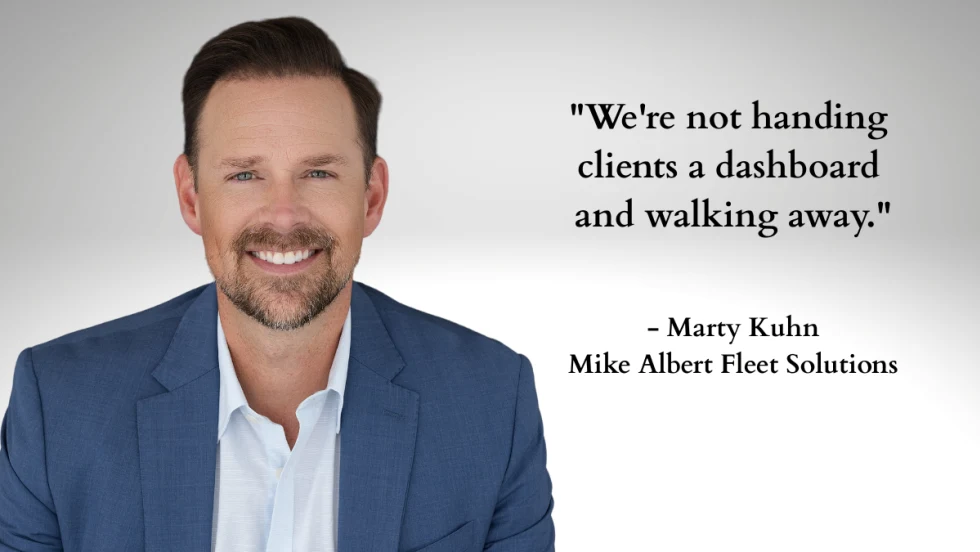
Mike Albert Fleet Solutions Names Marty Kuhn CEO, First from Outside the Family
Kuhn has a theory of what sets the company apart from larger FMCs: depth of partnership over breadth of volume.
Read More →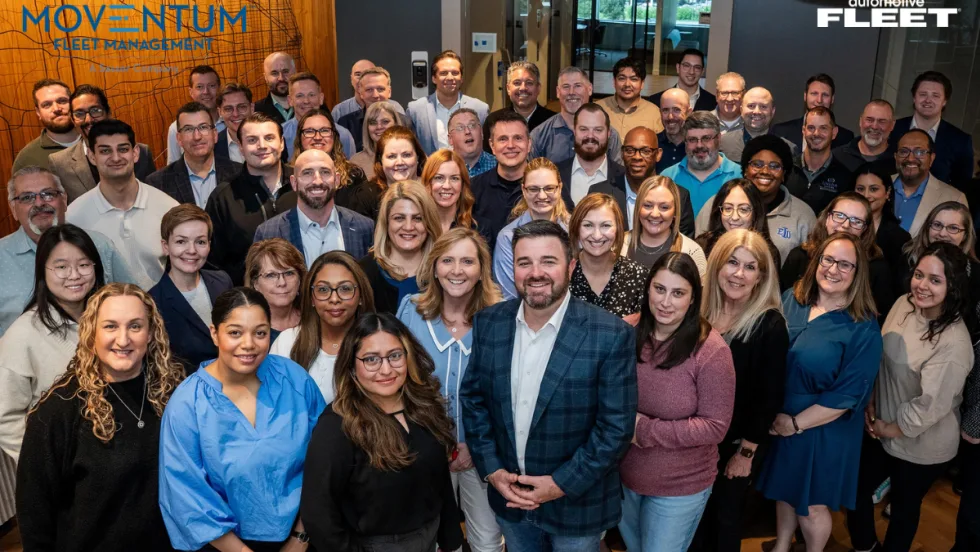
Union Leasing Rebrands as Moventum Fleet Management
The name Moventum reflects the company’s position at the intersection of movement and momentum, with the guiding principle "Keep Work Moving."
Read More →
How Does a Mid-Major FMC Compete? Ask BBL Fleet
This Pittsburgh-based FMC built a technology-first culture, sustained double-digit organic growth, and expanded its Midwest footprint through a recent acquisition. How did it happen?
Read More →
What’s Really Happening in Fleet Supply Right Now
Fleet supply has improved, but not everywhere. Merchants Fleet’s Charles Matthew explains where constraints still exist, what risks are emerging, and why fleets shouldn’t wait to place orders.
Read More →
These Edges Are Measured in Inches — Matt Dyer on Fleet’s New Normal
The Merchants Fleet CEO contends that fleets that drive the business win the inches. In 2026, every one of them counts.
Read More →
Who Gets a Company Car? (In 2026 and Beyond)
As costs rise and scrutiny increases, fleets are refining criteria that govern eligibility for company-owned vehicles.
Read More →
DriveItAway Holdings, Free2move Launch Operations In Nine Cities
The co-branded program with Stellantis’ mobility division scales up leasing and financing options nationwide with more cities to come online in 2026.
Read More →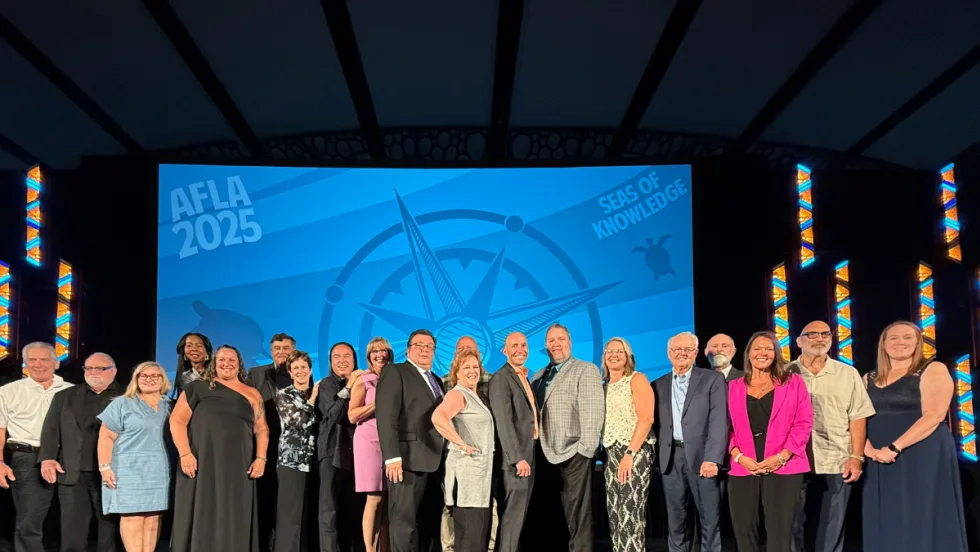
AFLA 2025 Conference in Pictures
Drawing over 640 attendees, the 2025 AFLA Annual Conference was held Sept. 14-17 at the JW Marriott Marco Island Beach Resort in Florida.
Read More →
DriveItAway, Free2move Partner to Expand Vehicle Access for Dealers
The arrangement enables franchise dealers to offer flexible lease-to-own programs with no credit checks, no down payments, and no long-term commitments.
Read More →