




Related: Selecting the Right ELD
ELDs: One Year After the Mandate
It’s been one year since the electronic logging device (ELD) mandate went into effect. Here’s what’s changed, and what’s coming next.

Roselynne Reyes・Senior Editor
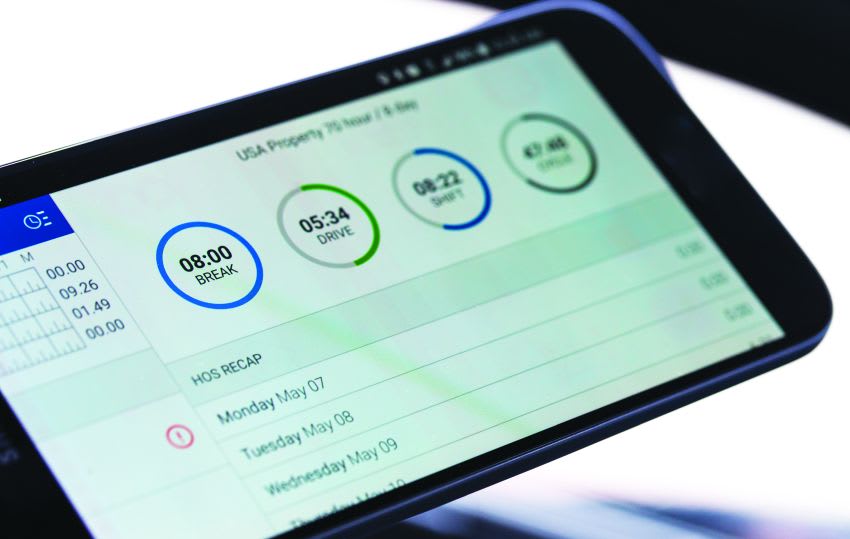
Since adopting electronic logging devices, some fleets have had to adjust their scheduling, but many are seeing the benefits of more data.
Photo courtesy of Getty Images
5 min to read
A lot can change in a year. When the Federal Motor Carrier Safety Administration’s mandate to adopt electronic logging devices (ELDs) first went into effect a year ago, many were unsure if the fleet industry could catch up.
Now, the majority of fleets are following the mandate, with ELDs installed in vehicles or automatic onboard recording devices (AOBRDs), which were grandfathered in when the rule went into effect in December 2017.
And it isn’t over. More change is expected as the next phase of the ELD mandate kicks in at the end of this year.
Work Truck checked in with ELD providers to see how things have changed a year later.
Things are Looking Positive, with Reservations
In a year, the industry’s opinion of ELDs has become more positive, as fleets are beginning to see the benefits of more data and less physical paperwork.
“Drivers and carriers have had their respective frustrations with ELDs, but one year in, most of those have dissipated,” said Ozzie Flores, marketing and product manager for Teletrac Navman. “Many drivers have told me they appreciate how it minimizes the paper record-keeping process and prevents errors and I’ve heard other positive feedback from carriers and industry peers.”
John Gaither, ELD product specialist at GPS Insight, agreed that the outlook is generally positive. But, of course, some still have reservations.
“Fleets that are generally well-managed, compliant anyway, and somewhat technology-friendly are positive about ELDs. They are finding productivity benefits and improving shipper relationships,” Gaither explained. “Some early adopters of AOBRD devices are hesitant to upgrade to the ELD platform. Concerns range from integration challenges to driver training fears.”
Marc Moncion, head of safety, compliance & regulatory affairs at Fleet Complete, agreed that late adopters (or those who still have not made the switch) are less optimistic about ELDs. This may not last, though. He noted that fleets that reluctantly adopted ELDs once the mandate began are now seeing positive results.
“On the positive side, all the form-and-manner violations have vanished. In addition, since logs are to the minute now and not 15-minute increments, there is more time flexibility to get the job done,” Moncion said. “It’s amazing how saving minutes and not 15-minute increments can add up by the end of the day or week!”
The Results So Far
Although industrywide data on adoption is not yet available, some providers have conducted their own surveys.
Teletrac Navman’s Telematics Benchmark Report, based on a survey conducted shortly after the mandate went into effect, found that 64% of fleets installed ELDs to track HOS, with 16% still using AOBRDs.
“Interestingly enough, 31% of organizations report still using paper logbooks, despite noncompliance with the mandate,” Flores added.
MiX Telematics conducted a similar survey in Spring 2018, finding that 29% of fleets subject to the mandate were still not compliant.
Growing Pains
After adopting ELDs, many fleets had to adjust their routines, according to Moncion from Fleet Complete.
Some were small — for example, on a cold winter morning or during heavy rain, drivers couldn’t drive to the other end of the parking lot to pick up breakfast before they started their day because ELDs would record the movement and begin the workday.
Other changes, however, caused a domino effect. Some drivers adjusted their schedule to leave earlier and return home earlier. With drivers arriving earlier, cargo needs to be ready earlier, which means schedule adjustments for load planners, dispatchers, and other administrative staff.
“Some drivers have not been as quick as others to embrace the new technology. Cost and budget pressures have also been a barrier for some, noted Mobeen Khan, assistant vice president of IoT product marketing for AT&T.
More Data, More Technology & More Change
Fleets should expect changes to existing regulations as more data is collected to support rule changes.
“Data is already being used to revisit several current HOS rules, including expanding the 100-air-mile Short Haul exception from 12 hours on duty to 14 hours and revising the current mandatory 30-minute break for drivers after eight hours of continuous driving, based on data points obtained by the FMCSA and Department of Transportation,” noted Flores of Teletrac Navman.
All of this extra data may be overwhelming for some fleets. Chris Ransom, director of solutions engineering at Verizon Connect, said that the ELD mandate has made fleet compliance software more important than ever.
“Software that keeps pace with shifting government regulations can give fleets peace of mind,” Ransom said. “Making compliance simple and stress-free allows fleet managers to focus on providing real business impact in other aspects of the company.”
In addition to software, fleets may look into additional tools to simplify the process noted Reza Hemmati, vice president of product management at Spireon. ELDs, for example, often require a mobile app to use, and hiring tech-savvy drivers may be a challenge within a driving shortage already widespread.
“Companies will become focused on more creative ways to make the drivers’ lives easier with technology tools bundled with an ELD solution,” Hemmati said.
Khan with AT&T echoed the importance of software to support ELDs, especially as the fleet industry continues to evolve.
“Electric vehicles, the integration of solutions inside and outside the vehicles, and the use of data analytics will drive the next wave of transformation,” Khan said. “Now is the time for fleet managers to embrace a digital transformation that can help enable them to operate with better efficiency.”
The Next Steps
The next phase of the ELD mandate comes December 2019, when AOBRD exceptions end and all fleets will need to make the full switch to an ELD.
“This transition will be every bit as large and significant as the initial deadline of December of 2017 for the industry,” said Scott Sutarik, associate VP of commercial vehicle solutions for Geotab.
“In the next year or so, the pains and frustrations that fleets had with the various ELD providers out of the gate will diminish and fleet operations will go back to business as usual. This is primarily because marginal products will go out of business and drivers and admins will get used to operating the solutions they have implemented,” Gaither from GPS Insight said.
Originally posted on Work Truck Online
Subscribe to Our Newsletter
More Telematics
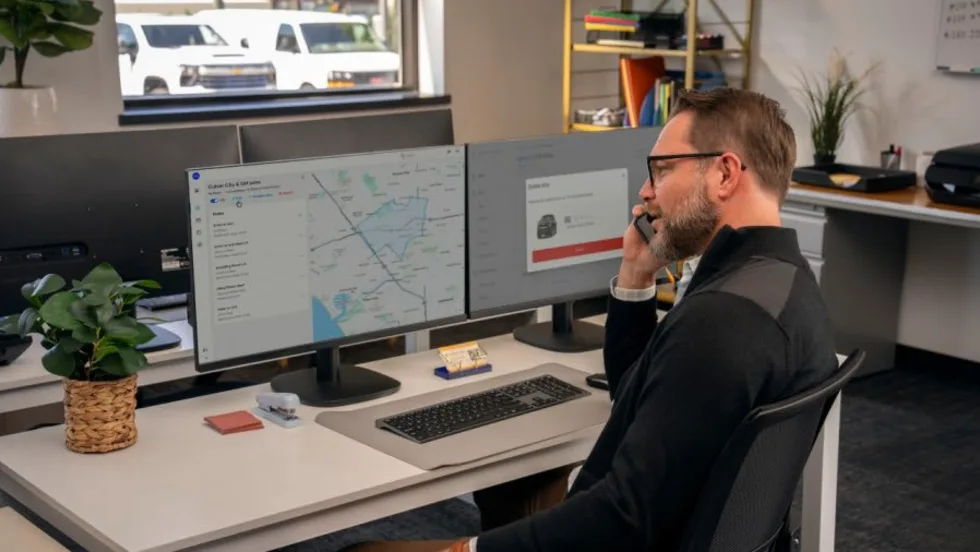
GM Launches OnStar Fleet Intelligence Platform With AI Assistant
The new platform brings vehicle data, order tracking, connected services and fleet analytics into one system, with an AI assistant that can answer fleet questions using natural-language prompts.
Read More →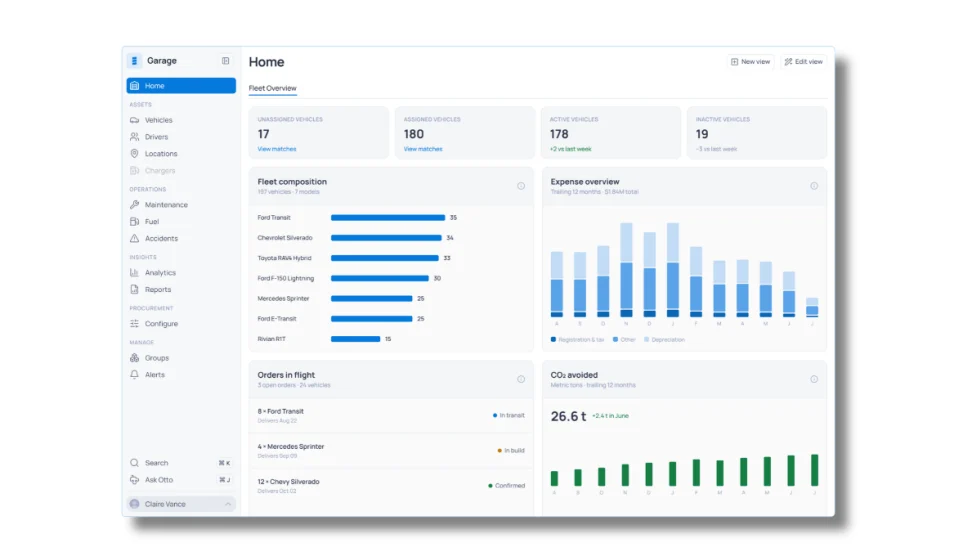
Inspiration Fleet Introduces Garage 2.0 Fleet Intelligence Platform
Fleet managers increasingly have access to data from vehicles, telematics, fuel, charging, and other systems, but those sources don't always communicate with one another. Inspiration Fleet's Garage 2.0 platform brings that information together while letting fleets keep working with different technology and service providers.
Read More →
Inside Inspiration Fleet’s New Platform for Connecting Fleet Data
Inspiration Fleet CTO Chris Getner explains how the new Garage 2.0 platform is designed to connect disparate fleet data and what that could mean for fleet managers in practice.
Read More →
Sponsored•October 1, 2026
Fleet Manager’s Ultimate Playbook: Navigating the New Standard in OEM Connectivity
Rising operating costs, driver safety concerns, and unplanned downtime are putting unprecedented pressure on modern fleets. Discover how fleet managers use embedded OEM connectivity and real-time vehicle data to cut TCO, prevent downtime, and protect drivers without aftermarket telematics hardware.
Read More →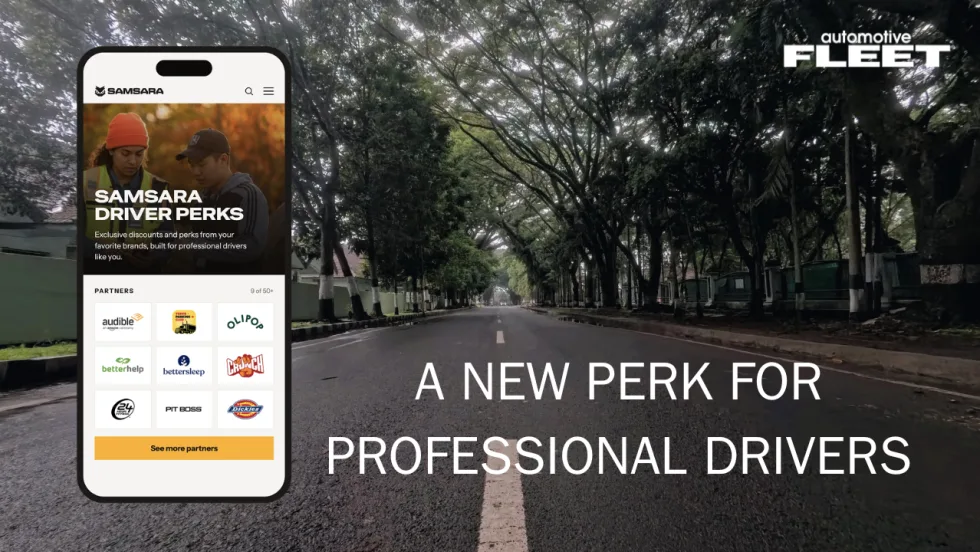
Samsara Driver Perks Adds New Benefit for Corporate Fleet Drivers
The rewards program gives eligible professional drivers access to discounts from more than 50 brands while giving fleets another way to support recruitment, retention, and the driver experience.
Read More →
Inside the Church of Jesus Christ of Latter-day Saints’ Two-Track Telematics Strategy
With 20,000 vehicles and two fundamentally different driver populations, the Church faced a fleet management problem that a single telematics program couldn't solve. How it responded offers a replicable framework for any fleet where one size doesn't fit every driver.
Read More →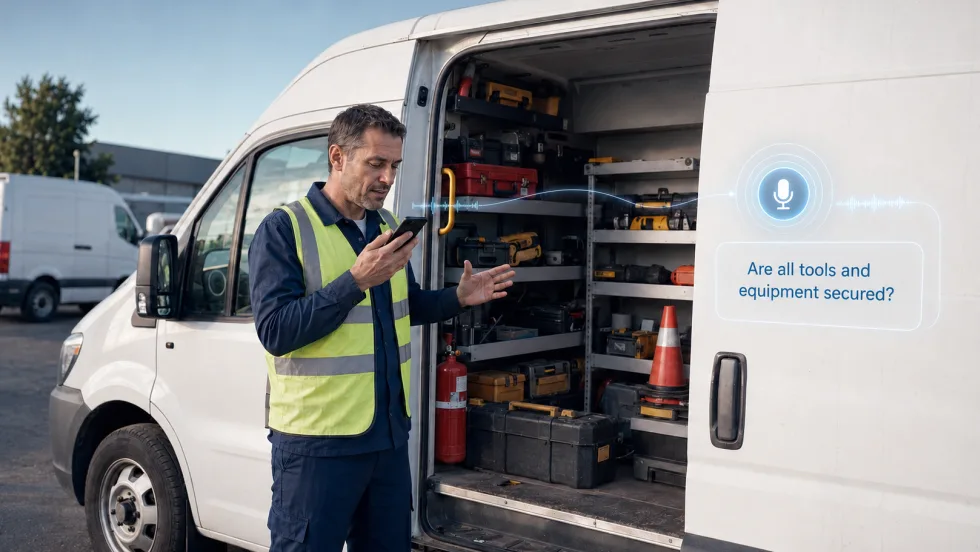
How Conversational AI Can Make Fleet Tasks Easier for Drivers
While most generative AI tools help fleet managers interpret data at their desks, Connex2X is applying voice interaction to tasks behind the wheel.
Read More →
Why Fleets Are Creating Dedicated Fleet Analyst Positions
Are fleet analyst positions the new norm? Listen here to find out.
Read More →
Teletrac Navman Begins Next Chapter as Standalone Private Company
What's new with Teletrac Navman and its new owner?
Read More →
Why Fleets Are Creating Dedicated Fleet Analyst Positions
Telematics, AI, EVs, and connected technologies are generating more fleet data than traditional teams can effectively manage. Reed Jackson explains why dedicated fleet analytics roles are emerging to turn that information into better operational decisions.
Read More →