





Fleet Tips: How to Select the Right Truck Suspension
Air Brakes or Hydraulic Brakes for Truck Fleets?
Choosing the right brakes for a medium-duty truck can make spec’ing complex; however, there are clear-cut reasons to use both, depending on payload and work environment.
March 1, 2012

Being able to stop safely and effectively is critical for fleet drivers operating medium-duty trucks. The choice of hydraulic or air brakes requires looking at a number of complex operational factors.
Photo: Canva
6 min to read
Medium-duty Class 3 through Class 7 work trucks are available with two very different brake systems: hydraulic brakes or air brakes, which adds complexity to the truck specification process.
What brake system is more appropriate for a medium-duty truck's size and duty cycle? This is an important question because the answer directly impacts vehicle safety, pricing, available driver pool, and operational costs.
An overview of the available truck brake systems - how they work, the appropriate vehicle size and application, and other considerations - is provided to guide the brake selection process.
All About Hydraulic Brakes for Trucks
How do hydraulic brakes work? Hydraulic brakes use fluid to power the brakes. When the driver presses the brake pedal, the hydraulic fluid pressure increases to the point that it forces the brake pistons at each wheel to push the brake pad against the drum (or rotor with disc brakes), causing friction, slowing the wheels, and, eventually, halting the vehicle entirely.
"The technology [for hydraulic brakes] is very similar to that used by passenger cars," said Tony Moore, director, brake and safety systems for Mechatronics Engineering of Daimler Trucks North America (the parent company of Freightliner Trucks). "The difference is that the components are much larger to handle the higher weight ratings."
Top Truck Size for Hydraulic Brakes
Why do trucks use hydraulic brakes? It's all about truck size. A maximum gross vehicle weight rating (GVWR) of 33,000 pounds. In most cases, hydraulic brakes are used on trucks up to 26,000-pounds GVWR.
Top Applications for Hydraulic Brakes
"We recommend using hydraulic brakes in lighter GVWRs where the duty cycle is not too severe," Moore advised. "Applications, such as van delivery trucks, are a good example of recommended hydraulic brake application. Hydraulic brakes do very well in stop-and-go applications where the vehicle speed is not too great. One problem with hydraulic brakes is that they are sometimes pushed beyond their capacity, resulting in greatly reduced performance."
Todd Kaufman, F-Series chassis cab marketing manager for Ford Motor Company, draws the line between hydraulic and air brakes based on a truck's duty cycle, stops per day, and payload requirements.
"In the lighter applications from 19,501 to 26,000 pounds, hydraulic brakes do well to serve the market. You might even stretch it as high as 29,000 pounds; but, usually, when going above 26,000 pounds loads are substantially heavier, which may overload the hydraulic brakes, causing them to wear sooner and diminish stopping performance," he said.
All About Air Brakes for Trucks
How do air brakes work? Instead of using fluid, air brakes, as the name implies, use air to generate stopping power. When the air tanks are fully pressurized, the brakes are disengaged.
When the driver presses the brake pedal, air fills the brake chamber, pushing the chamber diaphragm, which turns the "S-cam," and then pushes the brake pads against the brake drum, stopping the vehicle.
Then, when the brake pedal retracts, the air is released allowing the brakes to release and the wheels to roll. The compressor increases air pressure back to the system's original state.
Top Truck Size for Air Brakes
Why do trucks use air brakes? It depends on truck size. Air brakes work on trucks 26,000 to 33,000 pounds and larger.
"While hydraulic brakes are standard on our Class 5 and Class 6 vehicles and air brakes on Class 7 and greater, we do allow a crossover where air brakes can be spec'ed on lighter vehicles [under 33,000-pounds GVWR]," Moore said.
Top Applications for Air Brakes
Moore recommends air brakes for heavy vocational applications and noted they should always be used in heavy towing applications.
A significant reason why air brakes are preferred in heavier trucks (above 26,000-pounds GVWR), compared to hydraulic systems, is their robust stopping power when they work - and when they fail. For example, if there's a leak in the brake line of an hydraulic system, fluid pressure can lower to the point where there isn't sufficient force on the brake pads to create the friction needed to slow the wheel.
Eventually, if the leak is not repaired, the truck can lose braking power in that portion of the system, reducing the ability to stop in the same distance. With air brakes, the opposite happens. If there is a leak in the air brake lines, the air pressure decreases, which actually activates the brakes at the wheels and brings the vehicle to a safe stop.
However, a truck air brake system comes at a premium price. According to Kaufman of Ford, the air brake system costs approximately $2,500 more than hydraulic brakes, because of the extra components to operate the system.
"When you compress air, you have moisture, and you have to get rid of that moisture so you're adding air dryers as part of the initial purchase. But, if you're going to keep the vehicle for more than five years - maintenance costs tend to go more vertical after year five and get really expensive. After that, I think air brakes pay for themselves," he said.
Another factor with a truck air brake system is how they impact a fleet's available driver pool. Even if the truck is under 26,000-pounds GVWR, which would normally not require a commercial driver's license (CDL) to operate, if it is equipped with air brakes, the driver may have to carry a CDL, depending on the state's laws, which limits the number of drivers qualified to operate the truck.
"Air brakes, for lack of a better description, are either 'on' or they are 'off.' If you've never driven an air brake truck, the first few times you press the brake, you feel like you're putting yourself through the windshield. Unlike hydraulic brakes, which modulate more intuitively, the operator has a lot to do with actively modulating the air brakes to make the stopping process smoother. That's something the driver learns," Kaufman noted.
Other Truck Brake-Related Considerations
In addition to the hydraulic versus air brake decision, there are other braking technologies fleet managers should familiarize themselves with as they specify medium-duty trucks. These include:
Anti-Lock Braking Systems (ABS). Standard for most medium-duty truck manufacturers for both hydraulic and air brakes, ABS automatically adjusts pressure to the brakes during severe braking to prevent wheel lockup, helping a driver maintain control of the vehicle. Most insurance companies offer discounts for trucks that are ABS equipped.
Exhaust Brakes. Available only with diesel engines, the exhaust brake closes off the exhaust manifold from the engine, creating backpressure in the engine cylinders, slowing the engine's pistons and, eventually, the vehicle as a whole. Since the exhaust brake works off the engine and not the wheels, it helps prolong the life of both hydraulic and air brake systems.
The Bottom Line
With trucks in the 26,000 to 33,000-pound range, there is much to consider when spec'ing brakes. When vehicle duty cycle, cost-benefit analysis of a truck air brake system, and CDL driver availability are factored, valuable insight will be gained regarding the optimal brake system for the vehicle and fleet operations.
Editor's Note: Updated January 27, 2023
Topics:Medium-Duty TrucksExhaust BrakesABSHeavy-Duty TrucksTruck BrakesMaintenanceSafety & ComplianceAir BrakesVehicle ResearchOperationsGlobal Fleet
Originally posted on Work Truck Online
Subscribe to Our Newsletter
More Vehicle Research
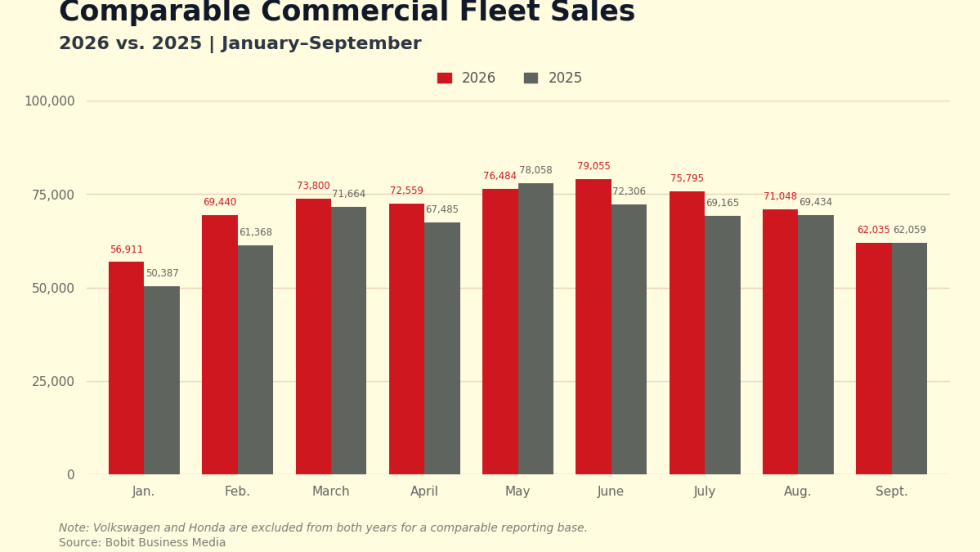
Commercial Fleet Sales Rise 5.8% Through September 2026
September commercial fleet sales were essentially unchanged from a year earlier, slowing year-to-date growth while keeping volume ahead of 2025.
Read More →
Hall of Fame Inductee: John Dmochowsky
The longtime Mondelēz International fleet executive joins the Automotive Fleet Hall of Fame.
Read More →
Hall of Fame Inductee: Lee Miller
After more than four decades at Boehringer Ingelheim, Lee Miller leaves a legacy built on fleet expertise.
Read More →
Hall of Fame Inductee: Mark F. Petersen
From managing fleets of thousands of vehicles to advancing safety and mentoring fellow professionals, Mark F. Petersen made his mark across both the corporate and supplier sides of fleet.
Read More →
When Charger Downtime Becomes a Fleet Availability Problem
As EV deployments move beyond pilot programs, charger reliability can directly affect vehicle readiness, driver productivity and route scheduling.
Read More →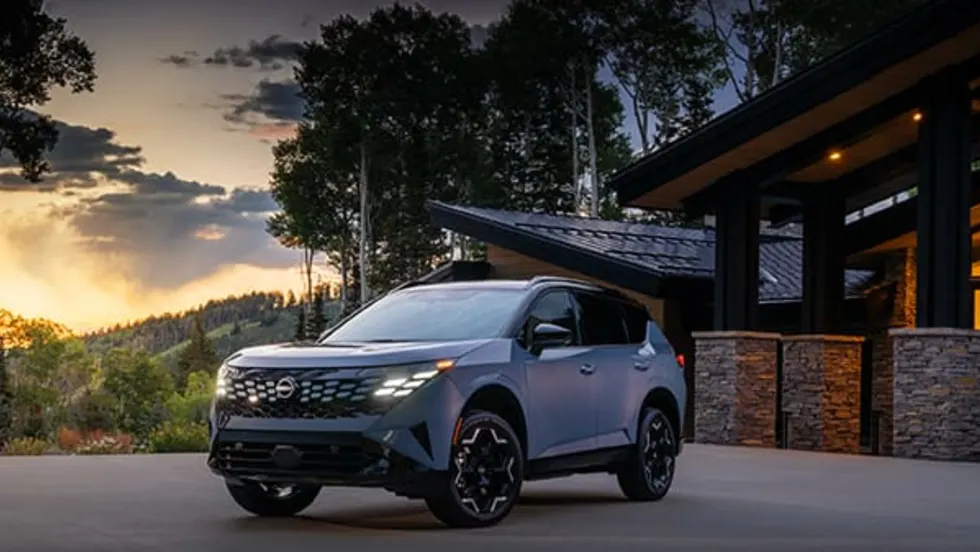
2027 Nissan Rogue Hybrid Adds e-POWER, Standard AWD
The new Rogue Hybrid uses Nissan’s e-POWER system with dual electric motors, offers an estimated 40 mpg and starts at $35,490.
Read More →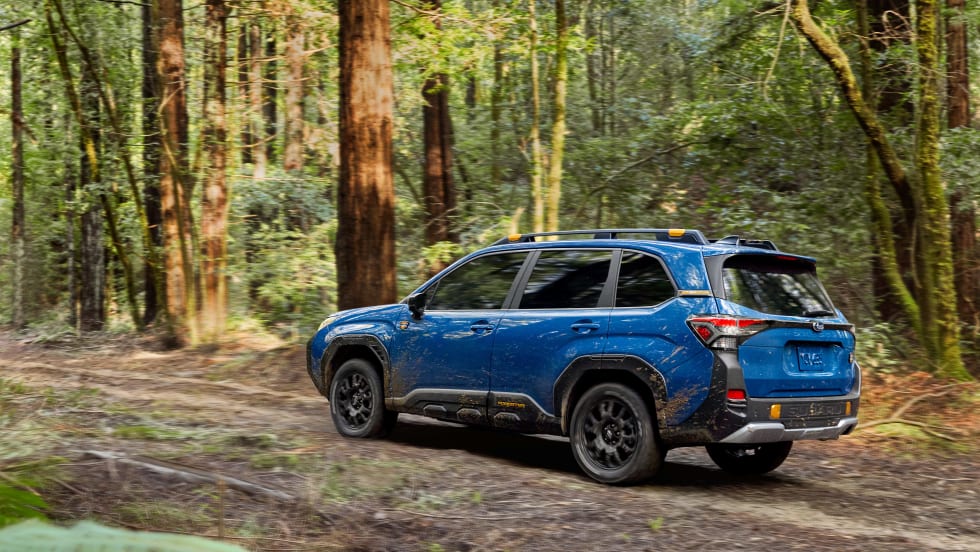
2027 Subaru Forester Adds First Wilderness Hybrid
The 2027 Forester lineup starts at $29,995 and adds a Wilderness Hybrid with 194 combined horsepower and 9.3 inches of ground clearance.
Read More →
EV Realty Names Henrik Holland President as Charging Platform Expands
The former Prologis Mobility and Shell executive will help expand EV Realty’s truck charging business and move its power-first infrastructure model into autonomous vehicle depots and other fleet sectors.
Read More →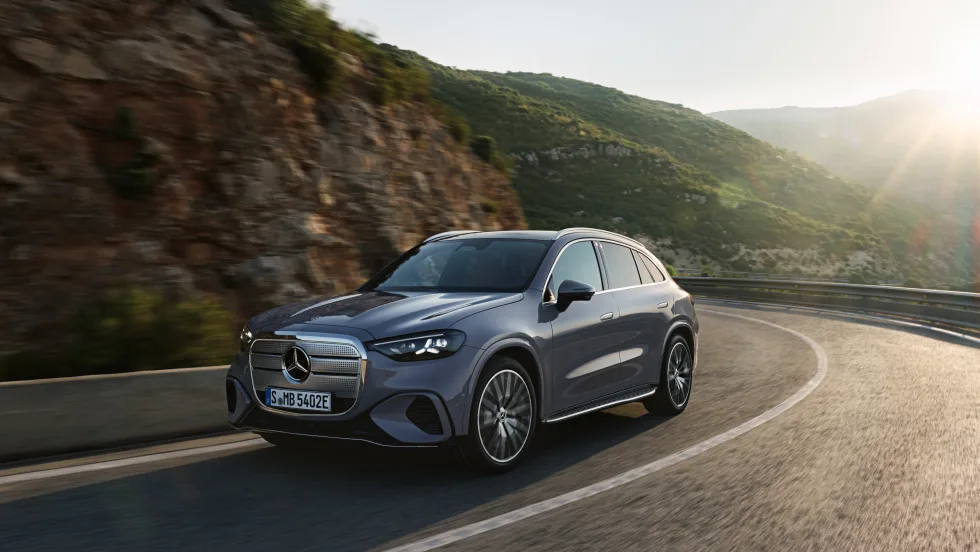
Mercedes-Benz Introduces Electric GLC With Up to 350 Miles of Range
The GLC 400 4MATIC Electric features an 800-volt architecture, 330-kW DC fast charging and a 94-kWh battery, along with Mercedes-Benz's new MB.OS operating system.
Read More →
Fleet Has a Talent Pipeline Problem, not a Talent Problem
Where will the next generation of fleet leaders come from, and what does the industry need to do differently to find them?
Read More →