




7 Technology and Connectivity Predictions for 2022
Fleets need to be aware of these connected car technologies, new digital services, and latest ways to reap vehicle-related data that are coming in the near future.
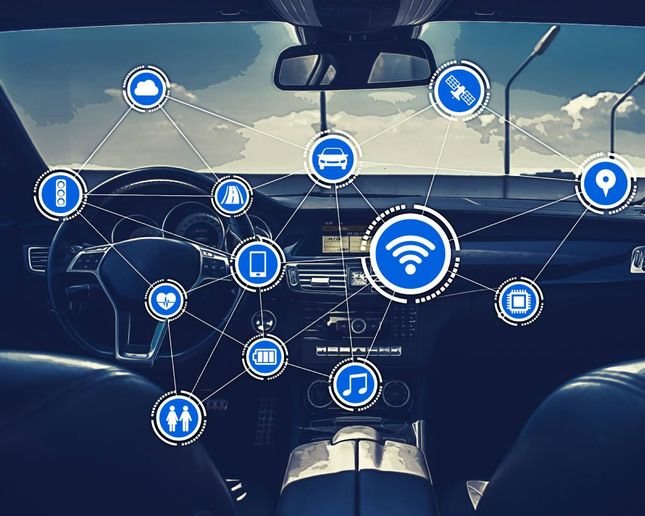
Anand Rau, chief technology officer, CalAmp explains that Cellular Vehicle-to-Everything (C-V2X) technologies will enable use cases such as safety and traffic efficiency, hazard or road construction warnings, platooning and cooperative driving, and toll collection and fuel charge automation.
Image via www.vpnsrus.com
Personalized connectivity solutions for EVs, emerging Cellular Vehicle-to-Everything use cases, friction between OEM-held data vs. dealer data, and potential safety issues arising from the 3G sunset: These and other emerging trends will start impacting fleets in the year ahead.
Subject-matter experts from CalAmp and CalAmp subsidiaries LoJack and Tracker weigh in on predictions for the new connected car technologies, digital services, and ways to reap vehicle-related data that are coming soon.
Emergence of Cellular Vehicle-To-Everything Technology
As automotive and vehicle technologies continue to advance and become increasingly autonomous, Cellular Vehicle-to-Everything (C-V2X) technologies and the ecosystem surrounding this specification are gaining significant traction and momentum with automotive OEMs, electronic module/chip suppliers, and roadside and city infrastructure manufacturers.
Based on LTE, this cellular technology helps vehicles communicate with each other and other city infrastructure as well as to cloud services. Many automakers are already embracing this technology in the cars they produce today, and it is also being evaluated for use with construction and other yellow iron equipment.
C-V2X is expected to become ubiquitous and will be used for varied applications in transportation networks and will complement the increasing evolution of autonomous vehicles — enabling use cases such as safety and traffic efficiency that encompasses collision avoidance, hazard or road construction warnings, platooning and cooperative driving, as well as other use cases such as toll collection and fuel charge automation.
In addition, construction vehicles will begin utilizing this technology in hazardous sites where they are operated in a non-line of sight autonomous manner. C-V2X technologies in such use cases will be an ideal complement to other autonomous technologies, like radar, lidar, cameras etc. to ensure safe operation of these vehicles in hazardous terrain.
— Anand Rau, chief technology officer, CalAmp
3G Sunset Will Impact Supply Chain Visibility
In 2022, we’ll see carriers, including AT&T, T-Mobile/Sprint, and Verizon, complete their 3G sunsets to make way for 5G networks. However, once these 3G networks go dark, any device that relies on a 3G cellular connection will stop transmitting data. This includes telematics gateways installed in trucks, tractors and trailers, as well as the sensor devices that communicate with those gateways.
Organizations that are still reliant on 3G devices to track, monitor, and manage their supply chains will thereby lose visibility, to the detriment of transportation efficiency, ongoing asset tracking and compliance.
For instance, fleets transporting environmentally sensitive cargo, such as vaccines and pharmaceuticals, will lose access to data from environment-sensing tags that report on ambient conditions like temperature and humidity. This could potentially put the safety and integrity of these critical shipments at risk and create cold chain compliance issues. Organizations need to start taking proactive steps to upgrade their portfolios of devices to 4G to ensure continuity of data collection and transmission.
Smart Trailers Will Help Fleets Do More with Less
Supply chain disruptions will persist into 2022 not only due to the global semiconductor shortage but also the shortage of trailers necessary to transport commodities and cargo across the last mile. Namely, trailer manufacturers are grappling with shortages in materials and component supplies, as well as struggles to hire factory employees. These manufacturers simply can’t maintain the production levels necessary to meet the current demand for road freight transportation.
Due to the lack of trailers, fleet owners and operators will be looking for ways to “do more with less” and optimize the use of their available supply. In turn, we can expect to see an increased interest in smart trailer platforms in 2022. These solutions unify data from multiple sensors and telematics devices installed on trailers, providing real-time visibility into each trailer’s location, health, and cargo. Fleet owners and operators can gain a holistic view of their trailer operations to optimize trailer utilization, improve safety and protect against theft.
For example, cargo sensors affixed to the inside of a trailer roof can provide real-time intelligence about the percent of cargo space left in a trailer, in total and by zone. With these insights, owners and operators can make smarter decisions to fully leverage each trailer’s capacity and get more goods delivered per shipment, effectively preventing underutilization and potential overfill.
— Kinana Hussain, vice president, product management, CalAmp
EVs Usher in New Digital Services
Drivers purchasing EVs will need to adapt their driving and usage patterns, such as one-pedal driving for regenerative braking. In turn, we’ll see the transition from ICE vehicles to EVs accelerate disruption in the automotive industry, including in digitalization and connectivity, as well as service, products and even business model innovation. Namely, connected car services that can provide greater intelligence into the vehicle owner’s behaviors, including when driving, maintaining, and charging EVs, will be vital to streamlining the transition.
Dedicated services, like updates on state-of-charge status, real-time route optimization, and gamification of daily usage to enable a seamless and enjoyable driver experience will be a main competitive advantage for all players in the industry.
Advanced connectivity solutions for EVs, such as personalized contextual advertising based on driving routes, shared mobility, pay-per-mileage, and other vehicle usage–oriented business models will drive this trend further.
New Partnerships Enable Data Revenue Streams
We'll see the mobility ecosystem extending further, both in the variety of offerings and coverage along the entire customer journey, especially in mature markets. Within the mobility ecosystem, players offering car-related services have been joined by ADAS technology and infotainment providers, and this will extend through lifestyle service providers. We can expect many smaller players and start-ups to facilitate new innovations.
Meanwhile, we’ll see other market leaders extend their services into mobility, including tech giants like Google and Apple, as well as players in telecommunications, the media, and retailing. Many of these players would be able to improve their business results with car-related data.
Collaboration among these multiple and diverse players within the ecosystem will be necessary to capture its full value, and thus increase customers' willingness to pay for additional services. Therefore, the new ecosystem will require integrated data to follow customers across their entire journey with data intelligence to understand their unique preferences and predict their needs, along with service partnerships to maximize their experience and gain their loyalty.
As carmakers and other players start to leverage the potential of more lifestyle-focused products and data integration, they will create new revenue streams and opportunities that will help shape the future of the mobility industry.
— Evrim Sengules, product manager, connected cars, LoJack Italia
Connected Car Data: OEMs vs. Dealers
In the connected car space, we will see friction between OEM-held data vs. dealer data, especially among large dealer groups with shareholders who know data is power. This will be prevalent in the multi-brand used car market.
These dealers are keen to get information about the cars they sell — mileage, crash reports, engine codes, etc. — so they can stay in touch with customers for additional after-sales opportunities. Many OEMs now have this information through pre-embedded telematics devices.
Therefore, to get this data, dealers will need to integrate and negotiate with multiple brands. An aftermarket device can help these dealers to integrate across all brands and own the data themselves. But friction may come from OEMs looking to provide the data directly into fleet applications or indeed delivering the information to customers themselves.
The Insurance Industry Will Adapt and Evolve
Next year, we will see an increased awareness of the value of Very High Frequency (VHF) technology for the recovery of luxury vehicles that are often the target of theft. Some big insurers, such as Liverpool Victoria, are currently refusing to insure Jaguar Land Rover cars due their frequency of theft and infrequency of recovery. Others will follow suit.
We will see theft rates only increase and grow beyond pre-COVID levels — with a particular focus in the leisure segment as more people choose to staycation in the United Kingdom.
In regard to insurance policy, pay-per-mile and restricted mileage policies will see growth. This comes as more people are working from home and thereby commuting less but then taking longer trips on the weekend, which presents different risks to insurers.
Subscription or short-term insurance will be popular for the same reasons. COVID-19 restrictions also meant a delay in young drivers taking their lessons and license tests. But now, there will be an influx of these new drivers on the road, which should also lead to strong growth in Usage-Based Insurance (UBI) volumes.
We can also expect more insurers to offer multi-line policies, such as bundling car and home insurance together for consumers at a volume discount. In doing so, their goal is to improve customer loyalty and retention by being their single, go-to insurer.
— Mark Rose, managing director, Tracker
About the authors:CalAmp is a connected intelligence company helping businesses and people track, monitor and recover assets with real-time visibility and insights.
More Operations

A buyer's guide to fleet management software in 2027
Buying fleet management software in 2027 means looking beyond features and price. As fleet operations, technology and expectations evolve, this guide explores what today’s fleet professionals should consider when choosing a system that can deliver value now and adapt to what comes next.
Read More →
What Will Shape the Next Era of Fleet Management?
EVs, AI, and autonomous vehicles are reshaping fleet management. Discover what’s ahead—and how fleet leaders can prepare for the next era.
Read More →
How Fleets Can Recruit and Train Veterans for Technician Roles
Here's how the technician shortage has affected uptime for fleets, and what to do about it.
Read More →

Avis Budget Group Deploys Neology Toll Management Technology Across Major Brands
Neology’s neoFleet platform will manage toll transactions and toll-authority operations for vehicles across Avis, Budget, Payless, Budget Truck and Zipcar.
Read More →
Fleet Personal-Use Charges Edge Higher in 2026
Nearly eight in 10 surveyed fleets allow personal use of company vehicles, while just over half of respondents report charging employees for the privilege.
Read More →
The Future of Fleet + What’s Changing Right Now | AF News Recap
Could developments overseas offer a preview of what’s coming for U.S. fleets? This week, we’re looking at the future of AI, autonomy, and electrification, plus Ford Pro’s new certified pre-owned program, smarter vehicle offboarding, and a new way for fleets to manage toll expenses.
Read More →
How to Handle Vehicle Offboarding
What do fleet managers need to do when a driver leaves?
Read More →
Fleet Manager’s Ultimate Playbook: Navigating the New Standard in OEM Connectivity
Rising operating costs, driver safety concerns, and unplanned downtime are putting unprecedented pressure on modern fleets. Discover how fleet managers use embedded OEM connectivity and real-time vehicle data to cut TCO, prevent downtime, and protect drivers without aftermarket telematics hardware.
Read More →
U.S. Bank Adds Verra Mobility Toll Management to Voyager Fleet Platform
The integration allows U.S. Bank Voyager fleet customers to manage toll payments and violations alongside fuel, EV charging and maintenance expenses.
Read More →
ADAS Prevents Crashes. But Repairs Cost More | AF News Recap
ADAS-equipped vehicles may crash less often, but they can cost more when they do. This week, we’re breaking down what that tradeoff means for fleets, plus Subaru’s first Forester Wilderness Hybrid, Nissan’s new e-POWER Rogue, and why Calstart has become Catalyst Mobility.
Read More →