




6 Tips to Surviving the Semiconductor Chip Shortage
With an expected drop in vehicle supply, fleet operators must reassess maintenance practices, driver training, and vehicle policies while looking to alternative vehicle sources to keep business moving.
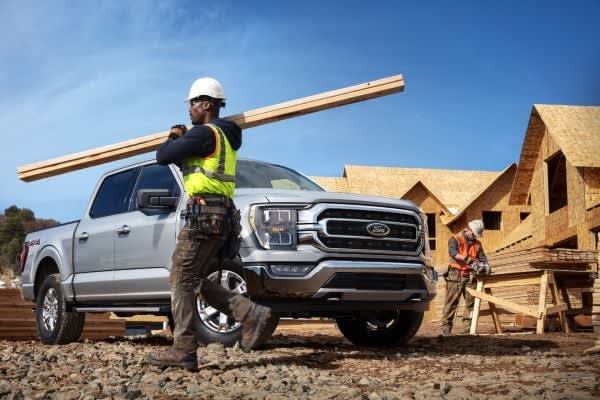
Getting a fleet vehicle where it needs to be, when it needs to be there, is easier said than done — especially with a shortage of supply.
Photo courtesy of Ford Motor Co.
Whether you’re needing to order a taxi or a two-ton cab and chassis, semiconductors are critical components that propel iron down the road. But semiconductors are not only used in autos — consumer electronics has seen a surge in demand throughout the pandemic and accounts for a much larger piece of the pie than the auto manufacturers do. Semiconductor manufacturers have allocated production toward customers of consumer electronics over their automotive manufacturing counterparts.
The shortage has forced several automakers, including Volkswagen, Ford, Subaru, Toyota, General Motors, and Nissan to cut vehicle production. Many other auto manufacturers are expected to have to do the same.
Any organization that operates a fleet of vehicles will be affected by this shortage. Demand for many commercial industries has seen a surge since the pandemic; this will now be coupled with a drop in supply. It doesn’t take an economist to see how those forces will affect the price of these vehicles.
This is compounded by the fact that 2020 was plagued with parts and labor shortages at repair facilities across the country. Unfortunately, we have yet to see much change in 2021.
Fleet managers across the globe are measured on their ability to source the right equipment, at the right time, and in the most cost-effective way possible. But getting a vehicle where it needs to be, when it needs to be there, is easier said than done. Especially during a semiconductor shortage.
So, what can be done to ease the burden? Really, these recommendations make sense in “normal” times — but deserve closer attention during a supply shortage.
Lock Down on Preventive Maintenance
With the inevitable dip in vehicle supply, the preservation of existing fleet becomes even more important. A vehicle taken out of the mix unexpectedly due to a preventable cause will be costly to a day-to-day operation.
A good first step is to audit existing maintenance checklists. We suggest starting with oil changes. In recent years, the average maintenance intervals have changed from 4,000 or 6,000 miles to 10,000 miles on new models. Knowing when and how depends on your vehicle requirements, how the vehicle is driven, and the type of oil the vehicle takes. Don’t be afraid to pull out the manual!
Knowing the condition of your tires and getting your oil changed go hand in hand. During a routine oil check, the service provider will inspect your tires’ pressure and tread to see if you need an alignment or your tires replaced completely.
Most tires have a lifespan of 25,000 to 50,000 miles. However, how you drive also helps determine replacement cycles. Keeping an eye on tire health will mitigate unexpected blowouts or flat tires, while minimizing downtime and, most importantly, keep your drivers safe out on the road.
Fleet operators understand the rising costs of fuel and what it takes to strategically reduce costs in any way possible. While it may not rank as high on some checklists, getting into the habit of changing the air filters is essential to fleet maintenance. A dirty air filter limits the amount of air flowing through the vehicle’s engine, making it work harder and burn more fuel.
If you’re not on a regular maintenance schedule, get on one. You leave less room for second guessing what your fleet vehicles need and can move confidently knowing they’re running well. If you cut corners with your preventative maintenance, you can be sure your vehicle will end up in a repair facility for weeks waiting on parts to arrive.
Renew Driver Training
Having well trained drivers during this time will be another key. Avoiding accidents and unnecessary repairs not only keeps drivers safe but keeps vehicles out of the shop and on the road generating revenue.
The difference between the most and least efficient drivers could be as high as 35% when it comes to performance and cost.
Reinforce the basics such as no texting and driving and wearing a seatbelt. Also, let them know how their driving habits can affect your business operations, like:
Accelerating steadily: Aggressive driving can lower highway gas mileage by up to 33%.
Braking slowly: Hard braking can cause brake damage and lower brake lifespans.
Slowing down: Driving at 55 mph saves 28% more fuel than 75 mph.
Investigate GPS Tracking
If the vehicles do not already have GPS tracking devices in place, start vetting a few systems.
Knowing the routes, speeds, and idle times of vehicles in the field give fleet operators an all-access pass to a job site without being everywhere at all times. Inefficient actions can be minimized by knowing the action of vehicles and technicians while on company time.
GPS tracking systems (telematics) allows organizations with fleets to pinpoint the operational health of each vehicle. With a clearer picture of vehicle metrics, including maintenance spend per vehicle, fleet managers can confidently extend vehicle lifecycles when needed.
Reassess Vehicle Take-Home Privileges
Scaling back "take-home vehicles" may be a tough decision to make, but it could help you squeeze a few additional months out of your fleet.
While providing employees a vehicle to drive to and from the office is a great perk, mileage from one's house to the job site or office can quickly add up. The increased mileage also carries the weight of increased maintenance spend.
Evaluate Out-of-Stock Purchases — with Caution
While ordering your fleet is always the best way to ensure proper fleet specs, order-to-delivery time may play a factor in your decision. Lead times from the major OEMs are exceeding 24 weeks in some extreme cases. These harsh lead times can cripple your operation when you rely on vehicles to get the job done. How do you work around a four-to-six-month lead time?
Purchasing trucks and vans directly out of a franchised dealer's inventory can accelerate the buying process, getting you on the road within a few days. However, this luxury comes with a significant cost. When you place a standard order, there is generally room for negotiation because there is little risk for the dealer, being the vehicle is pre-sold.
Purchasing out of stock is a different story. As the semiconductor shortage builds, dealer inventory will become increasingly rare and more expensive, which will make cutting into dealer holdback or haggling over advertising dollars significantly more difficult. You should expect to pay prices near MSRP in the coming months.
Consider Your Rental Options
Most companies who operate fleets small- to medium-sized fleets cannot fight the procurement battle alone. Having a fleet lifeline in the case of demand surges, breakdowns, repairs, and procurement problems is crucial in times of scarce commercial fleet vehicles.
Renting fleet vehicles gives you the flexibility to use vehicles when you need them and put them into service on the same day. When you’re done, just turn in the keys.
With production issues afoot, having the right vehicle at the right time will be more difficult than usual. However, 100% fleet utilization is still attainable with a fleet supplement that specializes in providing work-ready, on-demand equipment.
Shaefer Schuetz and James McKinley are representatives for City Rent A Truck, a family-owned truck and van rental operation that specializes in helping businesses right size their fleets.
Originally posted on Work Truck Online
More Global Fleet

GeoFencing Adds to Your Truck Security Arsenal
Geofencing is a familiar fleet tool today, but its early adoption marked a major shift in vehicle tracking, route monitoring, and the debate over employee privacy.
Read More →
Holman Takes Full Ownership of ARIZA in Mexico
Holman is bringing its Mexican fleet management operation fully under its own brand after more than 30 years as a joint venture. The change gives multinational fleet customers a single Holman operation across the U.S., Canada, and Mexico.
Read More →
5 Tire Maintenance Tips to Help Prevent Work Truck Downtime
Regular tire checks can do more than extend tread life. These five maintenance practices can help work truck fleets catch problems early, reduce costs, and prevent downtime.
Read More →

Proven Ways to Reduce Work Truck Downtime
The age-old problem of downtime will always be a reality, but with new strategies at hand, fleets have more ways to keep trucks on the road longer.
Read More →


Cameras, Safety and Insurance: From Reactive Claims to Real-Time Prevention (Part 2 of 2)
Part Two: Commercial auto remains one of the most challenging and costly lines of coverage for fleet operators and insurers alike. Continue learning more about how to effectively address these issues from Onur Aksan, Enterprise Business Development Executive, Geotab
Read More →
Cameras, Safety and Insurance: From Reactive Claims to Real-time Prevention
Commercial auto remains one of the most challenging and costly lines of coverage for fleet operators and insurers alike. Learn more about how to effectively address these issues from Onur Aksan, Enterprise Business Development Executive, Geotab.
Read More →
Fleet Costs Are Rising: Here’s How Leaders Are Responding
Fleet leaders are under pressure to reduce costs, adapt to economic uncertainty, and make smarter decisions. See how peers across North America are responding with real data, proven strategies, and forward-looking insights. Download the 2026 Market Pulse Report to benchmark your strategy and uncover where you can gain an edge.
Read More →
Enterprise Fleet Management Surpasses 900,000 Vehicles in U.S. & Canada
Enterprise Mobility connects with mobility solutions around the globe
Read More →