




5 Steps to Ensure Safer Drivers
When it comes to safety, the biggest variables facing fleet managers are drivers. And, while no two drivers are alike, safety programs can do quite a bit to make sure that — at the very least — drivers are equally safe.

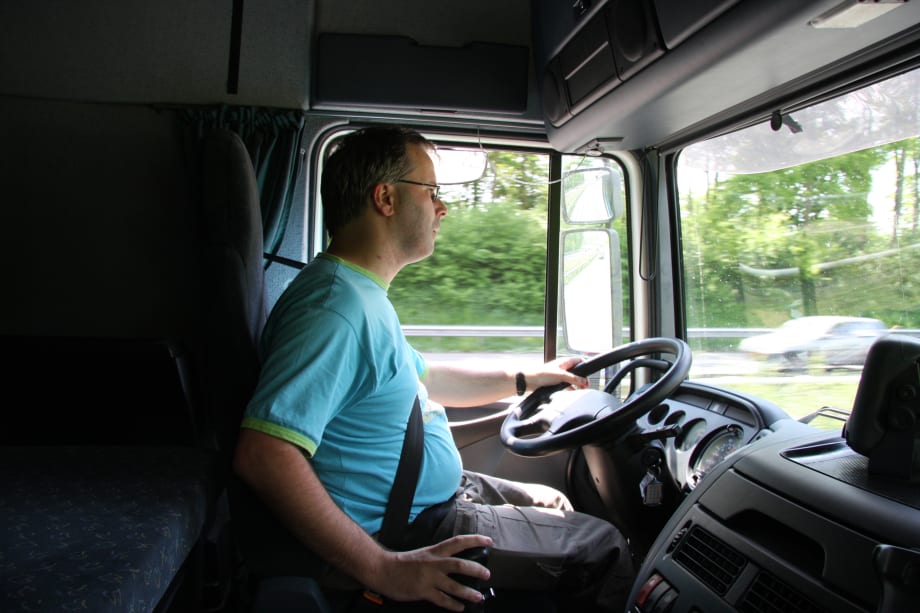
Photo via Wikimedia.
Photo via Wikimedia.
When it comes to safety, the biggest variables facing fleet managers are drivers. And, while no two drivers are alike, safety programs can do quite a bit to make sure that — at the very least — drivers are equally safe.
When focusing on the driver in a fleet safety policy or program, Phil Moser, vice president of Advanced Driver Training Services (ADTS) recommends fleet managers focus on five areas to ensure a comprehensive program.
1. Don't Forget About All Drivers
For a driver to be held accountable for their actions behind the wheel, it is imperative that he or she is educated regarding proper, safe driving techniques.
"For example, how can you hold a driver responsible for a hit-from-behind collision if that driver was not aware of proper techniques that can be used to maintain a safe following distance?" Moser asked. "If a driver receives safe driving instruction, criteria for driver accountability can be established. Accountability is crucial in creating a safe driving culture within any organization."
Moser suggested fleet managers provide all drivers with the important elements necessary for them to avoid collisions. They should be aware of the basic principles of safe driving and have the knowledge necessary to avoid the most common collisions. Educate drivers so they are aware it is their responsibility to drive safely. Driving safely needs to be important to them, not just the company.
2. Understand the Dangers of New-Hire Drivers
Statistically, new-hire drivers have a higher motor vehicle crash rate than other average fleet drivers, according to Moser. Considering these individuals are learning new jobs, driving unfamiliar vehicles, learning new territories, are often overloading their schedules, and are preoccupied with all that is involved with starting a new job, it isn't hard to understand why they are a statistic.
"During initial training, these individuals are taught much of what they need to know to complete their job tasks. It is equally important they learn that the most important task they accomplish is arriving at their destinations safely," he said.
Drivers must put safety first every time they get behind the wheel. Providing a comprehensive classroom and behind-the-wheel training program at the time of new-hire training is an effective way to stress that safety is important.
"This approach has proven to reduce motor vehicle crash rates for many organizations," Moser said.
3. How to Handle High-Risk Drivers
Consistently, there are a small percentage of drivers involved in the majority of fleet crashes. These individuals typically also have a history to of moving violations on their driving records, Moser noted.
It is important to track the driving records and crash history of all fleet drivers. By doing so, it can be determined what drivers are at the highest risk for a crash. Once a high-risk driver is identified, it is imperative to take a corrective action equal to the seriousness of the driver's history.
4. Get Field Managers on Board
Managers who have direct contact with a company's fleet drivers play a vital role in the efforts to reduce fleet crash rates. It is important for these managers to understand that they set the tone for the drivers they manage.
"If field-level managers offer no support to fleet safety initiatives, safety will not be important to the drivers and the initiatives will fail. It is extremely important for these managers to understand that they play an important role," Moser said.
Fleet managers must also convince these managers that they must support fleet safety. Have field-level managers participate in a comprehensive training program. "This accomplishes several things: The managers will improve their own driving habits and skills, they will learn how to conduct a proper ride-along with the people they manage, and they will be motivated to support fleet safety," Moser said.
5. Keep Training Going
Safe driving is a learned skill. Like any other skill, unless correct methods are practiced, the skill level will diminish with time and bad habits will emerge.
"Driver safety must stay in front of drivers. Many companies have achieved great success with their fleet safety initiatives. To maintain those results, they need to provide continued driver safety awareness," Moser said.
More Safety
IIHS Crash Avoidance Tests Reveal Safety Gaps in Cargo Vans and Work Trucks
New crash-avoidance ratings from the Insurance Institute for Highway Safety reveal inconsistent performance among commercial vehicles, with several popular cargo vans and heavy-duty pickups struggling to avoid collisions with other vehicles and pedestrians.
Read More →
What’s Next for Fleet? Safety, AI & Industry Recognition | AF News Recap
Could your company's culture be encouraging distracted driving? This week, we're exploring how workplace expectations affect driver safety, what AI, EVs, and autonomous vehicles could mean for the future of fleet management, and how fleet professionals can strengthen their award nominations.
Read More →
Does Your Fleet's Culture Encourage Distracted Driving?
What happens when the people responsible for enforcing safety rules are the ones setting the wrong example? The answer may reveal why some of the biggest risks to fleet drivers have little to do with what's written in the employee handbook.
Read More →
Fleet Manager’s Ultimate Playbook: Navigating the New Standard in OEM Connectivity
Rising operating costs, driver safety concerns, and unplanned downtime are putting unprecedented pressure on modern fleets. Discover how fleet managers use embedded OEM connectivity and real-time vehicle data to cut TCO, prevent downtime, and protect drivers without aftermarket telematics hardware.
Read More →
From Driver Well-Being to EV Charging | AF News Recap
Mental health belongs in the fleet safety conversation. This week, we’re looking at five ways fleets can support employee well-being before a crisis, plus Holman’s expansion in Mexico, new one-day Fleet Forward passes, and why EV charging demand is outpacing infrastructure growth.
Read More →
Nexar-Nauto Merger Aims to Give Fleets Better Safety Intelligence Through Larger Driving Dataset
Stefan Heck tells Automotive Fleet that combining more than 10 billion miles of driving history with Nexar's AI models will give fleets deeper insights into driver risk and roadway conditions than either company could provide independently.
Read More →
Don't Wait for a Crisis: 5 Ways to Build Mental Health Into Your Fleet Safety Program
For Suicide Prevention Month, fleet and safety leaders have an opportunity to put mental health where it belongs: at the center of workplace safety.
Read More →
How Camera Data Can Strengthen a Fleet’s Insurance Renewal
Insights from a commercial insurance carrier and a broker show how fleets can turn video telematic data, driver coaching, and improved claims results into a stronger case at insurance renewal.
Read More →
The Safest Fleets Aren’t the Ones with the Most Technology
You’ve made the telematics investment. Here’s how to capture the other half of its value and build the safest fleet on the road.
Read More →
Hidden in Plain Sight: Fleet Compliance Risks
Fleet compliance isn't just about having policies — it's about consistently enforcing them. This practical guide reveals six hidden compliance risks common in public sector and shared fleet operations and outlines proven strategies to improve visibility, accountability, and audit readiness
Read More →