




Related: Implementing Driver Engagement Programs That Really Work
5 Service Fleet Challenges Telematics Can Fix
Service fleets have unique fleet safety and efficiency challenges that can be addressed by telematics – yet few service fleets have implemented this technology. But service fleets, such as lawn services and HVAC companies, can see major benefits from a telematics solution.
by Adam Bruttell
April 4, 2019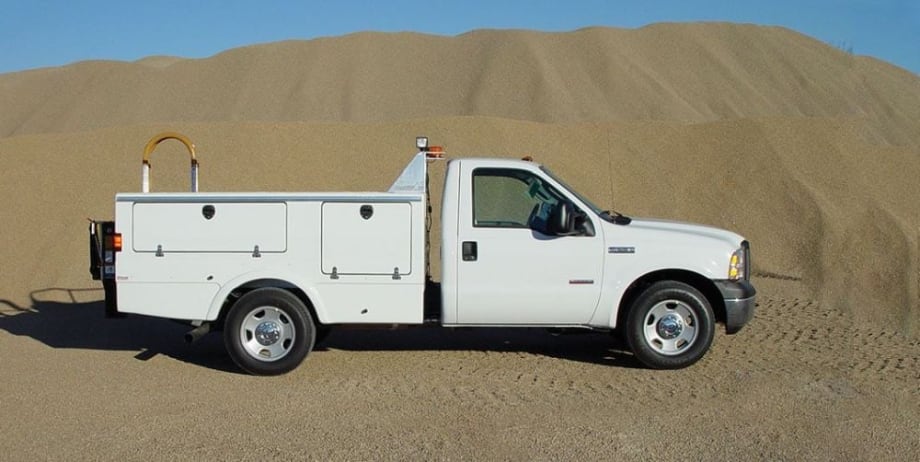
Service fleets come in all shapes and sizes and can benefit in reduced downtime and increased safety from utilizing a telematics solution.
Photo courtesy of Stellar Industries
4 min to read
Service fleets have unique fleet safety and efficiency challenges that can be addressed by telematics – yet few service fleets have implemented this technology. But service fleets, such as lawn services and HVAC companies, can see major benefits from a telematics solution.
- Asset management and vehicle utilization: Service fleets tend to have expensive equipment – not just vehicles, but also (for a lawn service, for instance) equipment such as lawnmowers. Fleet management solutions can help track the location of high-value assets with sensors. With so many assets in the yard, reviewing a vehicle or asset utilization report shows which assets are underutilized. Accurate asset tracking is a critical way that fleet management solutions help service fleets save money.
- Ensure safe driving: Every fleet is concerned about safe driving. Fleet management solutions not only let you monitor driving behaviors, but can also automatically provide in-cab alerts to drivers to curb unsafe driving, and collect data that managers can use to coach drivers on safe driving behavior. Fleet management solutions have proven so effective at improving safety that some insurance companies will provide discounts to fleets that use it, and it gives fleet owners the telematics data necessary to determine if their drivers were at fault in an accident or speeding incident. Gamification is also an excellent way to engage drivers and let service fleets compete on who has the best safety scores from a mobile device.
- Fuel economy: Certain driving behaviors – such as speeding, off-route driving, and excessive idling – lead to wasted fuel. Fleet management solutions help reduce or eliminate those behaviors, leading to better fuel economy and lower costs. Improving fuel economy by just 5% across a large service fleet can save tens of thousands of dollars a year on fuel, and reduce wear-and-tear on vehicles.
- Overtime: Fleet management solutions can leverage geofencing to track when employees enter and leave job sites. One lawn care company experienced excessive overtime. When the company started using geofencing, it realized employees were leaving job sites for excessive (sometimes hours-long) breaks, then coming back to the sites near the end of their shifts to complete jobs at overtime rates. The company was able to use the data to coach employees on proper break times and significantly reduce overtime.
- Vehicle maintenance: Most service fleets perform maintenance only when something breaks; some are more proactive, scheduling maintenance based on time in service or mileage. Fleet management solutions can take that one step farther, alerting fleets when there’s an emerging engine problem that needs to address before a breakdown occurs. Fleets are then able to schedule repair during off hours to keep vehicles (and service teams) on the road, servicing clients.
- Execution manager: This is especially useful for small service fleets. With a fleet management solution a manager can schedule their drivers’ day and give them tasks on how to get to the customer and complete a simple task, and then take a picture of the invoice all from a mobile device. Simplifying the processes for smaller fleets who are time constrained is another way to generate ROI from a fleet management solution.
These benefits apply to any size fleet, small to large. Smaller fleets reported an up to five-times return on investment, mostly from overtime and crash reductions plus better asset tracking. Larger fleets tend to accrue more benefit from fuel economy improvements and better vehicle maintenance. All fleets benefit from safer driving.
If your fleet faces any of the challenges above and hasn’t yet explored fleet management solutions, it may be time. Options range from self-installed hardware and software that runs on any phone to more complex and feature-rich solutions permanently installed in vehicles with dedicated hardware and software.
Reporting also varies widely, from software that lets you enter your fuel purchase and maintenance logs to solutions that automatically track every facet of fleet operations, providing tips on how to improve safety, efficiency, and compliance.
What all these systems have in common is the ability to provide fleets with data that will help them improve operations over time. If you leverage that data to affect change, your system should pay for itself.
About the Author: Adam Bruttell is the vice president of sales and marketing of North America for MiX Telematics.
Topics:Asset TrackingUtilizationMiX TelematicsService FleetsFuel EfficiencyIdle ReductionSafety & ComplianceTelematicsGlobal Fleet
Originally posted on Work Truck Online
Subscribe to Our Newsletter
More Telematics

GM Launches OnStar Fleet Intelligence Platform With AI Assistant
The new platform brings vehicle data, order tracking, connected services and fleet analytics into one system, with an AI assistant that can answer fleet questions using natural-language prompts.
Read More →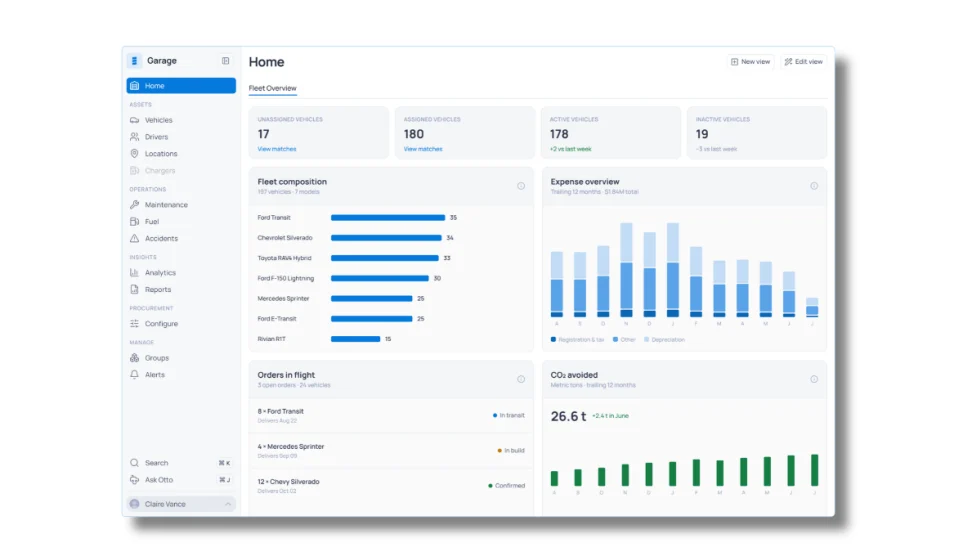
Inspiration Fleet Introduces Garage 2.0 Fleet Intelligence Platform
Fleet managers increasingly have access to data from vehicles, telematics, fuel, charging, and other systems, but those sources don't always communicate with one another. Inspiration Fleet's Garage 2.0 platform brings that information together while letting fleets keep working with different technology and service providers.
Read More →
Inside Inspiration Fleet’s New Platform for Connecting Fleet Data
Inspiration Fleet CTO Chris Getner explains how the new Garage 2.0 platform is designed to connect disparate fleet data and what that could mean for fleet managers in practice.
Read More →
Sponsored•October 1, 2026
Fleet Manager’s Ultimate Playbook: Navigating the New Standard in OEM Connectivity
Rising operating costs, driver safety concerns, and unplanned downtime are putting unprecedented pressure on modern fleets. Discover how fleet managers use embedded OEM connectivity and real-time vehicle data to cut TCO, prevent downtime, and protect drivers without aftermarket telematics hardware.
Read More →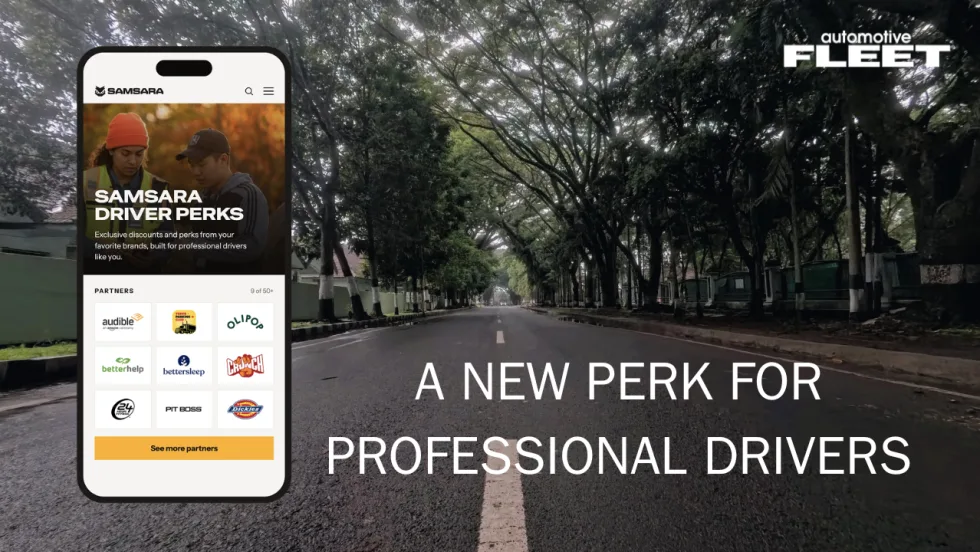
Samsara Driver Perks Adds New Benefit for Corporate Fleet Drivers
The rewards program gives eligible professional drivers access to discounts from more than 50 brands while giving fleets another way to support recruitment, retention, and the driver experience.
Read More →
Inside the Church of Jesus Christ of Latter-day Saints’ Two-Track Telematics Strategy
With 20,000 vehicles and two fundamentally different driver populations, the Church faced a fleet management problem that a single telematics program couldn't solve. How it responded offers a replicable framework for any fleet where one size doesn't fit every driver.
Read More →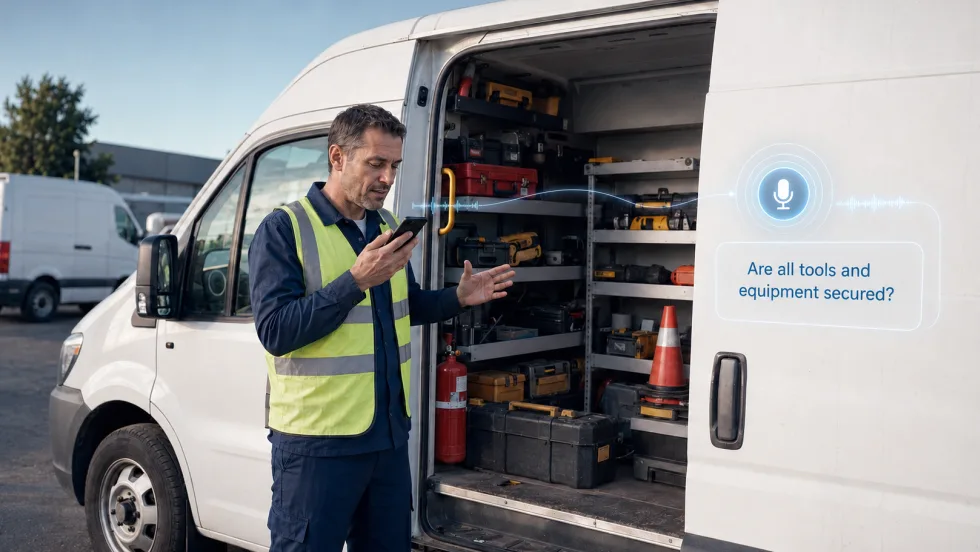
How Conversational AI Can Make Fleet Tasks Easier for Drivers
While most generative AI tools help fleet managers interpret data at their desks, Connex2X is applying voice interaction to tasks behind the wheel.
Read More →
Why Fleets Are Creating Dedicated Fleet Analyst Positions
Are fleet analyst positions the new norm? Listen here to find out.
Read More →
Teletrac Navman Begins Next Chapter as Standalone Private Company
What's new with Teletrac Navman and its new owner?
Read More →
Why Fleets Are Creating Dedicated Fleet Analyst Positions
Telematics, AI, EVs, and connected technologies are generating more fleet data than traditional teams can effectively manage. Reed Jackson explains why dedicated fleet analytics roles are emerging to turn that information into better operational decisions.
Read More →