





Is Video Telematics for You? Video telematics systems can assess risk, improve driving behaviors, and mitigate crashes. Check out steps to decide whether it is the right solution for you and understand the key factors for success.
4 Steps to Take Before Implementing Telematics
Making the transition to telematics is a big step that shouldn’t be taken lightly. There are the four steps you need to take before implementation can begin.
June 11, 2019

Photo: Getty/Creative-Touch
5 min to read
Over the past decade, telematics technology has increasingly become a crucial tool in the fleet toolbox. It has provided transparency into every aspect of fleet operations from vehicle health to driver behavior, driving efficiency, and bottom-line savings.
While a fleet and its company may be hard pressed to come up for a reason not to implement a GPS tracking solution, the decision to add this game-changing technology shouldn’t be taken lightly or rushed. Here are the four steps that you can take today to lay a foundation for a successful telematics implementation.
#1 Identify Your Technical Fleet Needs
Even with about 45% of U.S. fleets using a telematics solution, according to Deloitte research, this doesn’t mean that your organization must jump on the technological bandwagon.
Work with company stakeholders and decision makers to determine if the challenges facing your organization warrant implementing a telematics solution. With its extensive functionality from routing to vehicle health diagnosis to the ability to remotely manage field personnel, it is likely telematics will be a fit to help you address your fleet and even your organization’s most pressing operational pain points.
During this initial step, however, it’s important to prioritize the problems you want to solve. This will help you zero in on how you will address them. For example, if you want to cut fuel expense, it may be through a combination of idle reduction and monitoring driving behaviors running in parallel with rigorously enforced policies and comprehensive training.
Remember, telematics is not a panacea. It is simply one of many tools available to fleet managers, and should be used in concert with every technique and technology appropriate to meet a challenge head on and solve it.
Knowing what challenges you need to address will help narrow down the field of providers to those that are the best fit for your organization.
#2 Research Providers
When you begin your research, the first thing you’ll learn is that there are many providers on the market today. This is why it is crucial to both identify your challenges and take time to evaluate telematics providers. Not every telematics provider is created equal, and not every provider will be the right partner to help you solve your problem.
Beyond having a technological compatibility, it’s important to choose a partner whose business principles align with your vision. Fundamentally, your goal should be to choose a partner with an established reputation and proven ability to provide consistent coverage, innovative solutions, and an ability to grow with you as the needs of your organization evolve and new technologies are made available.
While it might be tempting to make your choice based on price alone, it can be risky to settle on a low-cost fleet tracking system that could result in the need to switch providers, replace solutions, and re-start a lengthy (and expensive) implementation process.
An established provider may cost more initially, but the investment is sure to pay off through benefits, including reliable and ongoing customer training and support, a progressive mindset that inspires innovation, the ability to offer the latest solutions, and a proven track record that gives you peace of mind.
Read more about Choosing a GPS Tracking System.
{incontentformtoken}
#3 Take the Solution for a Test Drive
Before making a final decision, ask the provider to either perform a comprehensive demonstration for you, your team, company stakeholders, and drivers to determine if the solution will:
Meet the needs of the fleet and the company: Does the solution solve the challenge the fleet is trying to solve today?
Is user friendly and intuitive: Is it easy to use by drivers and back-office personnel alike? Is there training available?
Has display and reporting features that are relevant to the day-to-day needs of the fleet and the company: Can reports be customized? Are they created automatically or do they need to be created manually from raw data?
Is reliable and robust: If the solution goes down, will the provider support it?
Has the functionality to integrate with other fleet management solutions: How will the telematics solution interface with the company’s other fleet management and office solutions?
If possible, you may want to consider doing a pilot your top two or three provider finalists using a small, randomly selected, but statistically significant number of your vehicles. The pilot should be designed specifically to address one or two of the specific challenges your fleet is facing, e.g., idling or harsh acceleration, during a period that’s long enough to get relevant data.
Review the results of the pilot to identify if the solution addressed your specific challenges, if it identified any other areas of inefficiency, and how well the provider supported the product, your drivers, and back-office staff.
During this period, you should also ask the provider for customer references who will honestly discuss their experience with the solution and the provider. You should also read online reviews and check with the better business bureau for any complaints against the provider.
Doing your due diligence before implementation is crucial for long-term success.
#4 Plan for the Future
Meeting the challenge of today is important, but you have to anticipate the needs of tomorrow. This is why it is crucial to plan for the future, including:
Anticipating growth of the fleet
Growth of the business
Changes in business goals and direction
You’ll need to make sure that your finalist providers can scale up with you. Do they have the same resources (or more) as your company to meet the demands of growth? Can they put you in touch with customers that have scaled up their operations? What were the challenges that company faced during this process and did the provider meet these needs?
From a business relationship perspective, does your provider have a future and in it for the long haul? This is an important question to answer, since it gets to the heart of the whether the telematics provider is the right fit for your operation. If you get a sense that the provider is simply trying to “move” product without supporting it and, more importantly, viewing its business relationships as anything more than transactional, you should probably look elsewhere for a solution.
A provider who is invested in its fleet customers for the long run will create a win-win environment for both provider and customer.
Get Going and Keep Going
While you shouldn’t rush into implementing a telematics solution, at the same time the days of “wait and see” are over.
If you decide to delay, your competition likely won’t leveraging the real-time alerts, customized reporting, electronic record-keeping, automated scheduling and dispatch, route optimization, and other features that make telematics crucial for fleet operations and its company’s bottom line.
Subscribe to Our Newsletter
More Telematics
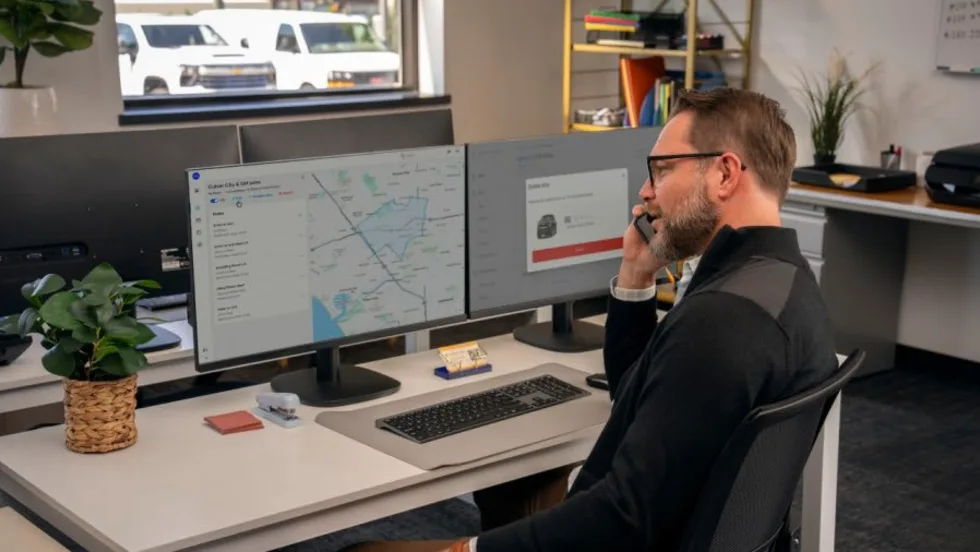
GM Launches OnStar Fleet Intelligence Platform With AI Assistant
The new platform brings vehicle data, order tracking, connected services and fleet analytics into one system, with an AI assistant that can answer fleet questions using natural-language prompts.
Read More →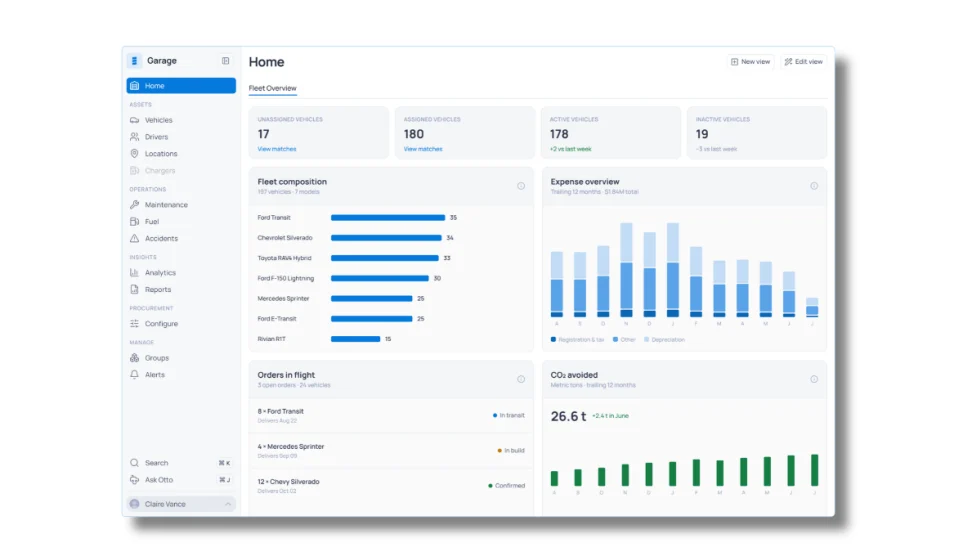
Inspiration Fleet Introduces Garage 2.0 Fleet Intelligence Platform
Fleet managers increasingly have access to data from vehicles, telematics, fuel, charging, and other systems, but those sources don't always communicate with one another. Inspiration Fleet's Garage 2.0 platform brings that information together while letting fleets keep working with different technology and service providers.
Read More →
Inside Inspiration Fleet’s New Platform for Connecting Fleet Data
Inspiration Fleet CTO Chris Getner explains how the new Garage 2.0 platform is designed to connect disparate fleet data and what that could mean for fleet managers in practice.
Read More →
Sponsored•October 1, 2026
Fleet Manager’s Ultimate Playbook: Navigating the New Standard in OEM Connectivity
Rising operating costs, driver safety concerns, and unplanned downtime are putting unprecedented pressure on modern fleets. Discover how fleet managers use embedded OEM connectivity and real-time vehicle data to cut TCO, prevent downtime, and protect drivers without aftermarket telematics hardware.
Read More →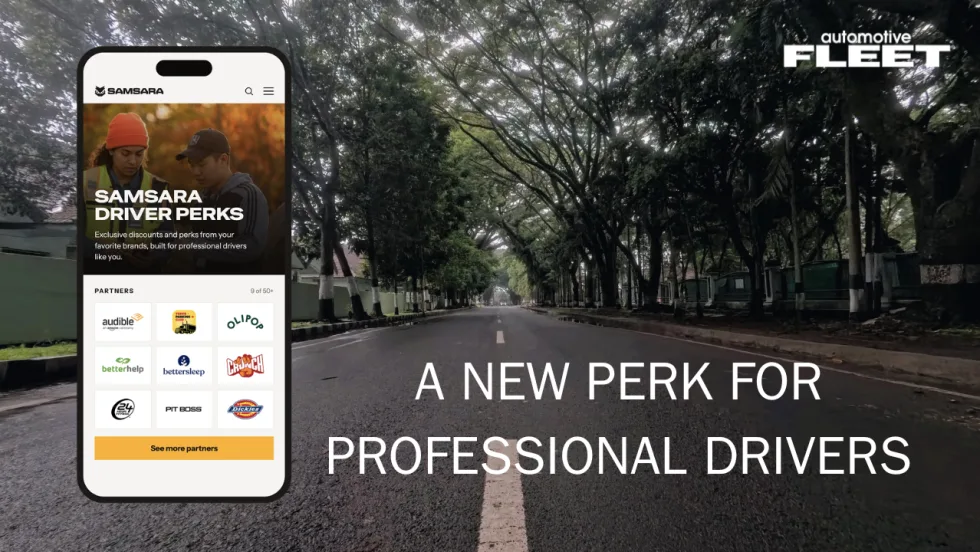
Samsara Driver Perks Adds New Benefit for Corporate Fleet Drivers
The rewards program gives eligible professional drivers access to discounts from more than 50 brands while giving fleets another way to support recruitment, retention, and the driver experience.
Read More →
Inside the Church of Jesus Christ of Latter-day Saints’ Two-Track Telematics Strategy
With 20,000 vehicles and two fundamentally different driver populations, the Church faced a fleet management problem that a single telematics program couldn't solve. How it responded offers a replicable framework for any fleet where one size doesn't fit every driver.
Read More →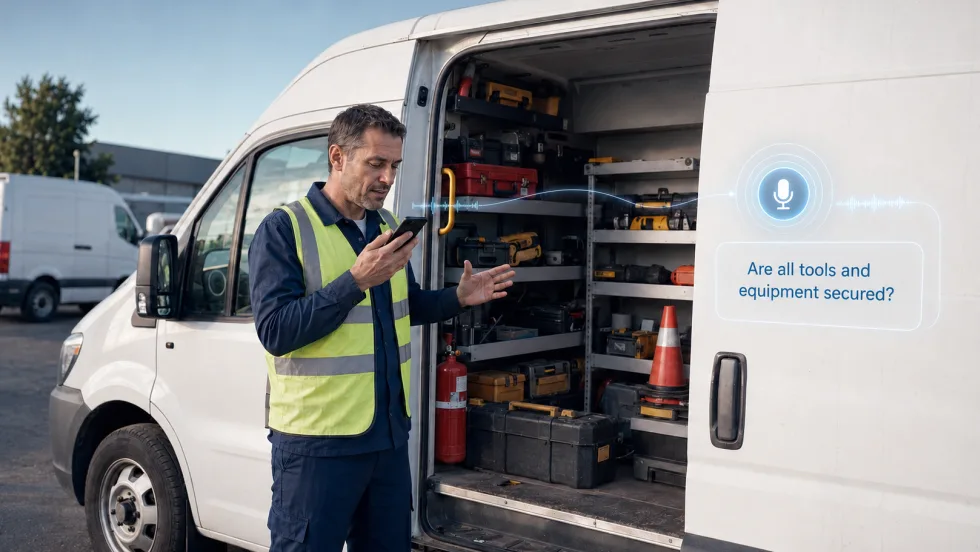
How Conversational AI Can Make Fleet Tasks Easier for Drivers
While most generative AI tools help fleet managers interpret data at their desks, Connex2X is applying voice interaction to tasks behind the wheel.
Read More →
Why Fleets Are Creating Dedicated Fleet Analyst Positions
Are fleet analyst positions the new norm? Listen here to find out.
Read More →
Teletrac Navman Begins Next Chapter as Standalone Private Company
What's new with Teletrac Navman and its new owner?
Read More →
Why Fleets Are Creating Dedicated Fleet Analyst Positions
Telematics, AI, EVs, and connected technologies are generating more fleet data than traditional teams can effectively manage. Reed Jackson explains why dedicated fleet analytics roles are emerging to turn that information into better operational decisions.
Read More →