




2011 Duramax 6.6L Turbo Diesel Now Biofuel-Capable
Powering the redesigned 2011 Chevrolet Silverado and GMC Sierra heavy-duty pickups and Chevrolet Express and GMC Savana full-size vans, the revised engine will offer B-20 capability and meet strict ASTM standards.

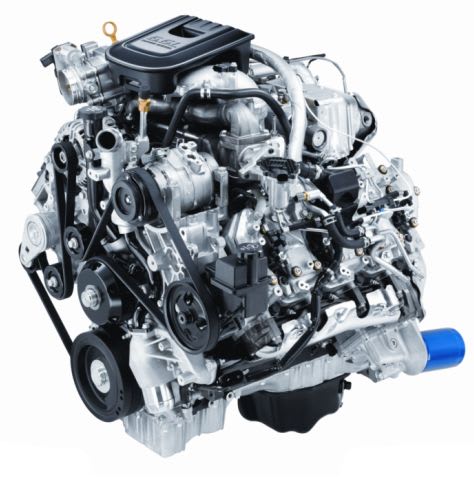
2011 Duramax Diesel 6.6L V-8 Turbo for the Chevrolet Silverado.
Photo: General Motors
General Motor’s 2011 heavy-duty diesel pickups will feature B-20 biodiesel capability. The alternative fuel is a blend of 20-percent biodiesel and 80-percent conventional diesel, which helps lower carbon dioxide emissions and lessens dependence on petroleum, according to GM.
The revised Duramax 6.6L turbo-diesel engine meets strict new emissions standards effective this year. It will power the redesigned 2011 Chevrolet Silverado and GMC Sierra heavy-duty pickups, as well as the Chevrolet Express and GMC Savana full-size vans.
“B-20 capability in our new heavy-duty trucks is the latest addition to a growing number of alternate fuel options offered by GM,” said Mike Robinson, vice president, environment, energy, and safety policy for General Motors.
GM is currently seeking different paths to fuel solutions to maximize efficiency, reduce emissions, and minimize the dependence on petroleum, continued Robinson.
Fuel Validated & Approved
Extensive testing and validation was performed on the Duramax 6.6L, using B-20 that meets American Society for Testing and Materials (ASTM) International standard D7467, which covers biodiesel blends between B-6 and B-20.
“Strict testing and validation was performed to ensure the new engine is B-20-capable; however, approved biodiesel is the only way to guarantee engine performance and longevity,” said Coleman Jones, GM biofuels implementation manager.
To make the Duramax 6.6L and its fuel system compatible with B-20, GM upgraded seal and gasket materials to withstand biodiesel’s ester content and included an upgraded fuel filter that features a coalescing element. According to GM, the filter improves the separation of water that may be present in the fuel, because biodiesel can attract and absorb water. More powerful fuel circuit heating was added to reduce the chance of fuel gelling or waxing that could plug filters.
The Duramax 6.6L’s diesel particulate regeneration system features a downstream injector that supplies fuel for the regeneration process, reducing potential oil dilution.
Biodiesel Use to Grow
Biodiesel is a domestically produced, renewable fuel made primarily of plant matter — mostly soybean oil in the U.S. In pure form, biodiesel lowers carbon dioxide emissions, according to GM.
Estimates by the National Biodiesel Board (NBB) indicate about 700 million gallons of biodiesel were produced in 2008 — up from about 500,000 gallons in 1999. Market fluctuations caused production to decrease in 2009, but it is expected to rise with additional government mandates and the availability of approved vehicles, such as the 2011 Chevrolet Silverado and GMC Sierra heavy-duty trucks.
The new Duramax 6.6L is covered by GM’s 5-year/100,000 mile powertrain warranty.
Originally posted on Work Truck Online
More Operations
A buyer's guide to fleet management software in 2027
Buying fleet management software in 2027 means looking beyond features and price. As fleet operations, technology and expectations evolve, this guide explores what today’s fleet professionals should consider when choosing a system that can deliver value now and adapt to what comes next.
Read More →
What Will Shape the Next Era of Fleet Management?
EVs, AI, and autonomous vehicles are reshaping fleet management. Discover what’s ahead—and how fleet leaders can prepare for the next era.
Read More →
How Fleets Can Recruit and Train Veterans for Technician Roles
Here's how the technician shortage has affected uptime for fleets, and what to do about it.
Read More →

Avis Budget Group Deploys Neology Toll Management Technology Across Major Brands
Neology’s neoFleet platform will manage toll transactions and toll-authority operations for vehicles across Avis, Budget, Payless, Budget Truck and Zipcar.
Read More →
Fleet Personal-Use Charges Edge Higher in 2026
Nearly eight in 10 surveyed fleets allow personal use of company vehicles, while just over half of respondents report charging employees for the privilege.
Read More →
The Future of Fleet + What’s Changing Right Now | AF News Recap
Could developments overseas offer a preview of what’s coming for U.S. fleets? This week, we’re looking at the future of AI, autonomy, and electrification, plus Ford Pro’s new certified pre-owned program, smarter vehicle offboarding, and a new way for fleets to manage toll expenses.
Read More →
How to Handle Vehicle Offboarding
What do fleet managers need to do when a driver leaves?
Read More →
Fleet Manager’s Ultimate Playbook: Navigating the New Standard in OEM Connectivity
Rising operating costs, driver safety concerns, and unplanned downtime are putting unprecedented pressure on modern fleets. Discover how fleet managers use embedded OEM connectivity and real-time vehicle data to cut TCO, prevent downtime, and protect drivers without aftermarket telematics hardware.
Read More →
U.S. Bank Adds Verra Mobility Toll Management to Voyager Fleet Platform
The integration allows U.S. Bank Voyager fleet customers to manage toll payments and violations alongside fuel, EV charging and maintenance expenses.
Read More →
ADAS Prevents Crashes. But Repairs Cost More | AF News Recap
ADAS-equipped vehicles may crash less often, but they can cost more when they do. This week, we’re breaking down what that tradeoff means for fleets, plus Subaru’s first Forester Wilderness Hybrid, Nissan’s new e-POWER Rogue, and why Calstart has become Catalyst Mobility.
Read More →