




2010 Prius Raises More than Its Roof
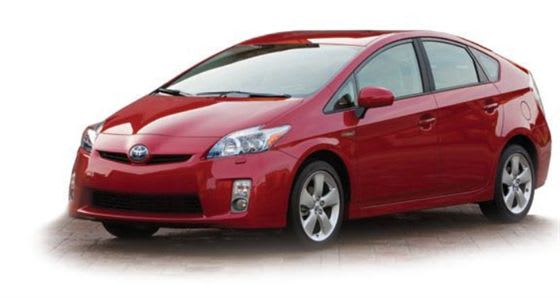
In addition to a newly shaped roof designed to provide more headroom for backseat passengers, the 2010 model also boasts a higher combined fuel economy of 50 miles per gallon.

Click here for PDF of full article.
Launched this spring, Toyota Motor Sales' third-generation 2010-MY Prius raises everything but its fuel consumption. Achieving a combined EPA-estimated 50 mpg rating, the company estimates 180,000 units of the new model will be sold for the full 2009 year.
With EPA-estimated 50 mpg city and 49 mpg highway ratings while driving in standard mode, the vehicle's fuel efficiency can be pushed to even greater limits when driving in Eco Mode, one of three additional modes available, which also include EV and Power Modes.
Eco Mode helps "take the lead foot out of the lead-foot driver," while the quietness enabled by EV Mode works well for neighborhood driving," said Chris Risdon, senior product education and development administrator, University of Toyota. The Power Mode "puts the sportiness back in the Prius" - particularly in conditions such as driving on mountain roads and freeway acceleration.
A full hybrid system, the vehicle can run on gasoline or electric power, or a combination of both, said Bob Carter, group vice president and general manager of the Toyota Division.
Chief Engineer Akihiko Otsuka managed to achieve 62.9 miles per gallon - with minimal effort on his part, he revealed to automotive journalists at the press preview of the new Prius. Otsuka attributed the fuel economy increase to the new beltless 1.8L Atkinson Cycle gas engine, electric water pump and exhaust gas recirculation system, and the entire vehicle design.
Topping it Off
From start to finish, the development of the new, third-generation 2010-MY Prius took four and a half years, Otsuka said.
The shape of the new model has been updated, with the peak of the roof moved back to allow more headroom for backseat passengers. An available solar panel roof helps provide added ventilation.
Inside, the vehicle also offers more rear seat room, with rear seat knee space increased by 0.79 inches for better seating space. The vehicle is a half-inch longer overall, said Risdon. In terms of cargo capacity, storage space is confined to the rear of the vehicle. Other new features include Lane Keep Assist safety technology and Intelligent Parking Assist, which uses sensors on the front and bumper sides to automatically park the vehicle.
A multi-information display panel tracks data to help drivers maximize fuel economy, such as energy use, fuel consumption, past fuel consumption, and trip information.
As of April 2009, more than 707,000 Prius units have been sold in the U.S. since the original first-generation model debuted in 2000. In addition to the new Prius, the Toyota Lexus division expected to launch in summer 2009 its fourth hybrid, the 2010 Lexus HS 250h - the world's first dedicated luxury hybrid vehicle.
More Green Fleet

EV Charging Use Is Outpacing Infrastructure Growth
ChargePoint’s 2026 Charging Forward Report points to rising charger use, higher-powered charging, commercial vehicle electrification, and energy-management technology. Here’s what fleets should know.
Read More →
Merchants Fleet Reports 290M EV Miles as Fleets Navigate Changing Electrification Market
From millions in operating savings to hundreds of millions of EV miles, Merchants Fleet’s latest report reveals what’s working and what’s changing in fleet electrification.
Read More →
The EV Breakdown Nobody's Talking About: Why Most Electric Vehicle Roadside Calls Aren't Mechanical Failures
Here's why EV breakdowns are widely misunderstood.
Read More →
ChargePoint Now Available in Energy Pass
ChargePoint and additional planned charging network integrations were added to GM's Energy Pass.
Read More →

First Look: Slate Auto's Electric Fleet Pickup
Could an affordable, modular EV pickup make electrification more practical for fleets?
Read More →
Slate Debuts Colorful, Unique EV Models
A recent media and client event, studded with electric vehicles dressed up on platforms, planted a new position for the manufacturer in the wider EV market. Fleets will find cost-saving advantages.
Read More →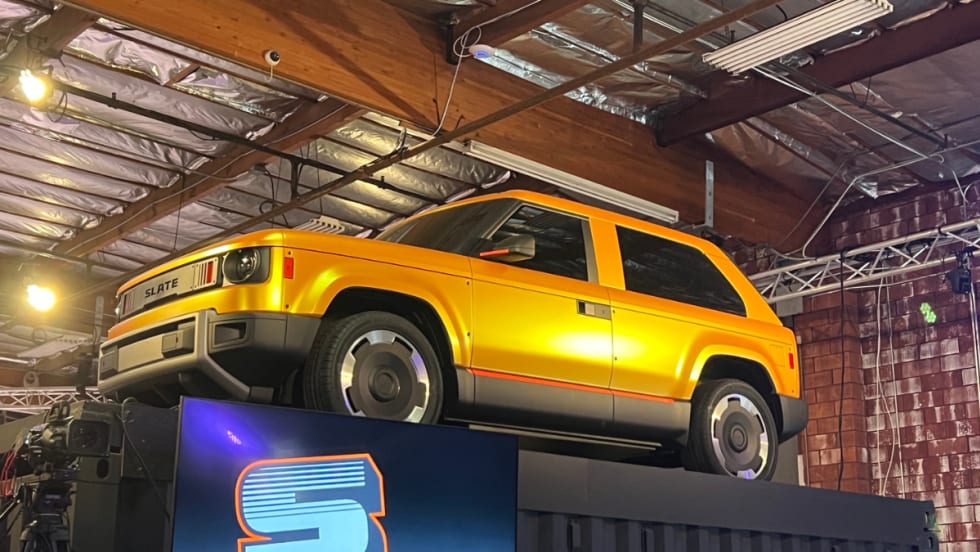
Slate Electric SUV, Pickup Switchable Model Aims For Light-Duty Fleets
Everything about this EV is counterintuitive and understated, making it stand out from the crowd.
Read More →
Inspiration Mobility Acquires Key Electrada Assets
Inspiration Mobility Group has acquired select assets of Electrada, adding the fleet electrification provider's team, technology, and charging infrastructure development capabilities to its energy management business.
Read More →
Turning Connected Vehicle Data Into Decisions That Matter
Fleet leaders have more data than ever, but turning that data into clear, actionable decisions remains a challenge. This white paper shows how leading organizations are using connected vehicle data to improve safety, reduce costs, and optimize fleet performance. Learn how to turn insight into action across your fleet.
Read More →