




10 Ways to Communicate the Value of Fleet Management
It is a refrain that has been a fleet manager's burden for decades, and all too often not without reason: "Management doesn't appreciate or understand what I do." Here are 10 ways to help create understanding.

Illustration courtesy of iStockPhoto.com.

Illustration courtesy of iStockPhoto.com.
Just about every corporate department-level support function is fairly well understood by management. Whether it's benefits, human resources, risk management, legal, or transportation departments, management (up to and including the "C-level") has a fairly good handle on the value of the corporate function.
All too often, this isn't the case with fleet management. Fleet management is just the "car thing," which may just as well have a mechanic with his or her name stitched on a shirt pocket running things. Alternatively, it's the place to go to find out "what's my car worth?" or "is this a good price for that car?" when it's time to buy, or sell, a personal car.
So, how can fleet managers avoid this lack of understanding? What can you do to communicate the complexity and ultimate value of managing a fleet of company vehicles? Here are 10 ways that will help fleet managers get the point across:
1. Get a Head Start
Get out in front of the issue when first taking the job. Whether it is a promotion from within, or if you're hired from the outside, fleet managers are smart to begin communication early.
First, know who the stakeholders are. These can include sales, service, administration, operations, finance, risk management, and whatever departments and functions have a stake in the fleet.
Next, within each area, try to schedule an introductory meeting, or at least a phone call, with the most senior manager there. Prepare a brief synopsis of who you are, what your responsibilities are, and, most important, how the fleet impacts their particular area of responsibility.
Some of them may not even know they're stakeholders, or may have minimized fleet's impact on what they do. Reaching out like this is a good way to begin the communications process, and the development of relationships that will serve a fleet manager well in the future.
2. Understand Fleet vs. Reimbursement
One of the more "sinister" ways senior managers try to minimize the importance of fleet is by championing the elimination of company vehicles and the institution of a reimbursement program. A fleet manager who is forced to face this challenge must be prepared with a good, carefully presented rebuttal.
There are a number of studies and white papers that have treated this subject, but nothing can replace an internal, "real world" comparison between the two.
The first step is to know what the company vehicles cost the company, preferably in dollars per month and in cents per mile (most reimbursement programs are based on one or the other). Use examples of reimbursement programs based both ways for comparative purposes. However, it is also important to include a reimbursement program in the fleet policy; it can be used in many cases where mileage is insufficient to justify the assignment of a company car.
The key point is that there will be frequent instances when a senior executive requires justification for the fleet program, asking "Why don't we just reimburse drivers for using their own vehicles?" The fleet manager who has a well-prepared, carefully constructed case to present will be far better received than one that isn't.
3. Know All About Lease vs. Own
Being well prepared is also key to dealing with the inevitable lease vs. own question. Most companies conduct a lease vs. own study on some regular schedule, and rightly so.
Fleet managers come from varied backgrounds, some of them financial, but more often than not they are from an area completely outside of finance. It isn't always important that a fleet manager be able to conduct the full analysis him or herself, however understanding the concepts behind a complex process will be appreciated, if not expected.
Fleet managers will also be looked to as a source for the assumptive data the finance people need to plug into the analysis, including lease rate information, terminal rate adjustment clause (TRAC) history/assumptions, purchase pricing, including incentives, and more.
Again, as with the fleet vs. reimbursement issue, senior management will have greater respect, and are more likely to view the fleet manager as necessary expert, if you are well prepared and express a thorough understanding of the issue.
4. Schedule a Ride Along
Probably the most direct stakeholder in the fleet operation is the function for which the fleet is provided. Whether it is sales, service, delivery, or even livery, drivers depend on their company vehicles to perform their jobs, and their management, in turn, depends on them to succeed at their own.
That said, the traditional fleet management "ride along," where a fleet manager spends the day accompanying a driver out in the field doing the job, has become more challenging to accomplish, as fleet managers find their resources reduced and the job more time consuming. But, as difficult as it may be for the fleet manager to spend a full day or more out of the office, it is equally important that you do so.
Knowing, understanding, and actually observing the driver during a typical day will provide a fleet manager with insights that will come in very handy when dealing with the senior manager in charge of the driver function. Performing a ride along two or three times each year, and reporting observations to senior management, will help deepen management relationships critical to achieving appreciation for the fleet function.
If the VP of sales, for example, knows the fleet manager has spent time in the field with his or her drivers, he is more likely to support the fleet manager in decision making.
5. Know the Numbers
The story may be apocryphal, but it bears repeating. A fleet manager of a medium-sized, East Coast maker and distributor of food products gets the call to head to the manager's office. There, the fleet manager is confronted by the manager as well as a representative of a fleet service provider, who had arranged a meeting with the manager.
The rep had made a presentation, which included the savings the supplier said would result when its fleet programs were implemented. The manager asked the fleet manager whether the projections were realistic. The fleet manager retrieves the necessary (and up-to-date) cost information, and returned, informing the manager and sales rep the fleet was already operating at cost levels below those projected by the supplier.
The moral of the story: Fleet managers should be accurate and current in all cost data. Not doing so would have been embarrassing and possibly career threatening for the fleet manager in the story above. But, being fluid and knowledgeable in meeting such challenges provides management with a level of understanding and appreciation for what the fleet manager is doing.
6. Focus on Costs
There is nothing more important to management than controlling and reducing costs. While an incremental increase in revenues returns only the percentage of net profit the company achieves, every dollar of cost reduction drops straight to the bottom line.
If, for example, the company's net profit margin is 10 percent, $1 of cost reduction is worth $10 in new revenues.
Fleet managers oversee a cost center — fleet vehicles are a (necessary) cost — and therefore often a target for savings-hungry executives. What is the best way to satisfy that hunger? Show them savings.
Focus on areas where the dollars are, starting with depreciation and fuel, which combined can account for 80 percent or more of total fleet costs. Track costs, note actions taken to control/reduce them, and regularly report results. Also, prepare for senior managers' usual thoughts on how to save, such as "Why don't we use subcompacts?" and "We can reimburse drivers for using their own cars," as previously mentioned.
Don't wait to be asked, or told, about cost reduction. Make it the key focus of your efforts, and there is no doubt it will engender appreciation for what you do.
7. Simplify Communications
Much of what has been covered here involves relationships and communication with management, to ensure they understand not only what the fleet manager does, but how well you do it.
But, such communications must keep in mind that senior managers don't have much time for detail, as their own responsibilities are varied and many. There, the key element of effective communication is simplicity, and fleet managers would do well to use it when dealing with management:
Get rid of spreadsheets. They are great to use internally, but executives don't have time to wade through columns and lines of numbers, and they won't. Instead, use graphics and other visuals. A test: if one can take one look at a report and discern what it is about, use it. PowerPoint is a great tool for creating an effective report using visuals.
Keep text to a minimum. Use bullet points for key results and points. Anything more than a sentence or two won't be effective in getting the point across.
Focus on trends. Executives are less interested in where you are, or where you were, than they are in where you're (and fleet costs) going. Downward trends in costs shown graphically are most effective, as are flat trends where the costs contributing to fleet expense have risen (fuel, for example).
Keep all data up-to-date and handy. If you want to address those "pop quizzes" that management sometimes hits fleet managers with, this is key to ensure you are prepared.
Whenever possible, ask to present reports in person, to allow you to clarify the information presented, and answer questions on the spot. Management will appreciate any manager who is well informed, keeps them well informed, and whose communications are succinct and to the point.
8. Don't Hide Problems
A fleet manager recalls a vice president in his company who told him "My managers don't prove their skills when things are going smoothly; they do so when problems arise." Truer words are seldom spoken.
Executives hate surprises. Hate them, especially when the surprise is bad news. When things are going along well — orders arriving on time, resale markets staying strong, fuel prices continuing to fall — managing is a lot easier than when buildout catches 50 orders unfilled, or the rental companies dump 10,000 of the model you use into the auctions, or fuel prices soar.
That vice president's words carry with them the tacit warning: if there is a problem, make certain I know about it, and what you're going to do to meet the challenge.
Don't hide problems. Don't drag them out, hoping that they'll be solved before you have to tell management. Face them up front and make sure that, before you report "upstairs," you have a solution ready to present along with them.
Remember, there are few better opportunities for a fleet manager to prove his or her mettle than confronting a challenge and overcoming it, and no better way to gain management's appreciation and confidence, either.
9. Stay Informed
One fast way to lose the appreciation and confidence of management is to have an executive ask about a fleet program, or a new model, and the fleet manager is unable to answer the inquiry.
Fleet managers must stay informed about the latest information (e.g. new-model plans, new fleet programs, or competitive lease rates and other fees) and bring to the attention of management anything that might help the company save money, or the fleet to run more efficiently.
And, if presented with something from them, you should be prepared to discuss it, and explain why you didn't believe it relevant or important enough to pass along.
Know also what management, or particular managers with whom the fleet manager interacts, find interesting. Some managers are very "hands on," and an area such as fleet management is of interest to most. To them, it's about cars and trucks, and most everyone has very personal opinions about cars and trucks. And, the fleet manager is often the one an executive goes to with "ideas" on how to run the fleet.
Our new wired world allows fleet managers to keep up-to-date on any and all information related not only to the fleet, but to the automotive industry in general, and senior managers will always appreciate a fleet manager who is well informed.
10. Encourage Participation
An excellent way to get management to appreciate not only what a fleet manager does, but how valuable those skills are to the company is to encourage participation in industry events.
This can range from attendance at a local NAFA Fleet Management Association chapter meeting to a visit to a key fleet supplier, or even attendance at an industry conference. There, managers can meet and network with the fleet manager's peers, and learn what others are doing.
A day spent with a fleet lessor, for example, where the value of fleet management is not only appreciated but encouraged, can open up the executive's understanding of the complexities of the job, why the fleet manager does what he or she does, and how all of it comes together.
The more exposed management is to the industry, the better their appreciation and understanding of the efforts of the fleet manager.
More Leasing

Martin Kuhn on the Future of Mike Albert Fleet Solutions
The new president and CEO explains how Mike Albert Fleet Solutions plans to invest in technology, data, and people without losing the personal service fleet customers value.
Read More →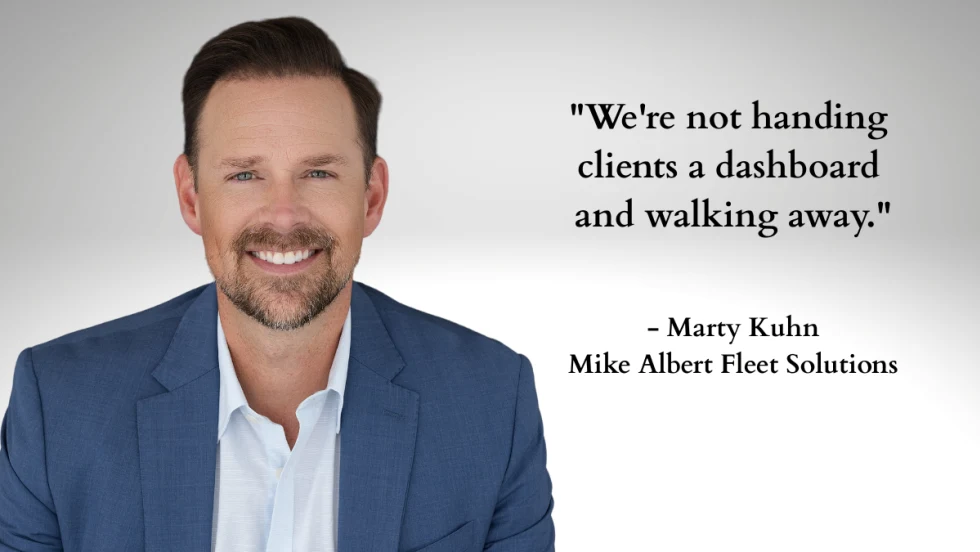
Mike Albert Fleet Solutions Names Marty Kuhn CEO, First from Outside the Family
Kuhn has a theory of what sets the company apart from larger FMCs: depth of partnership over breadth of volume.
Read More →
Union Leasing Rebrands as Moventum Fleet Management
The name Moventum reflects the company’s position at the intersection of movement and momentum, with the guiding principle "Keep Work Moving."
Read More →
How Does a Mid-Major FMC Compete? Ask BBL Fleet
This Pittsburgh-based FMC built a technology-first culture, sustained double-digit organic growth, and expanded its Midwest footprint through a recent acquisition. How did it happen?
Read More →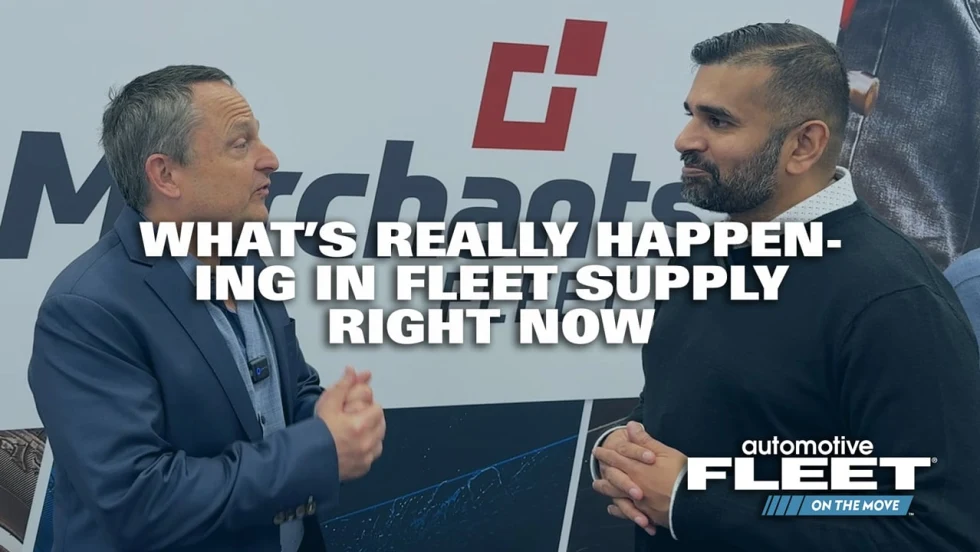
What’s Really Happening in Fleet Supply Right Now
Fleet supply has improved, but not everywhere. Merchants Fleet’s Charles Matthew explains where constraints still exist, what risks are emerging, and why fleets shouldn’t wait to place orders.
Read More →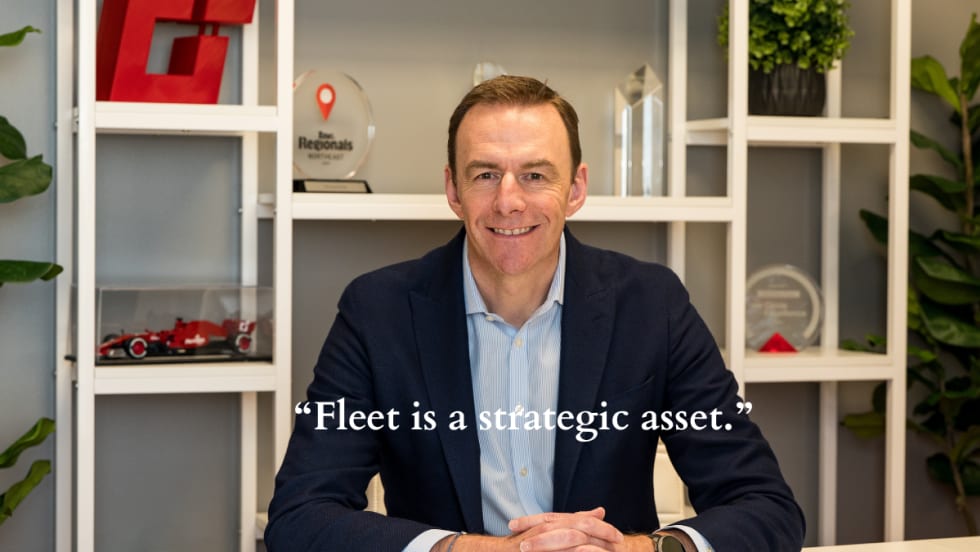
These Edges Are Measured in Inches — Matt Dyer on Fleet’s New Normal
The Merchants Fleet CEO contends that fleets that drive the business win the inches. In 2026, every one of them counts.
Read More →
Who Gets a Company Car? (In 2026 and Beyond)
As costs rise and scrutiny increases, fleets are refining criteria that govern eligibility for company-owned vehicles.
Read More →
DriveItAway Holdings, Free2move Launch Operations In Nine Cities
The co-branded program with Stellantis’ mobility division scales up leasing and financing options nationwide with more cities to come online in 2026.
Read More →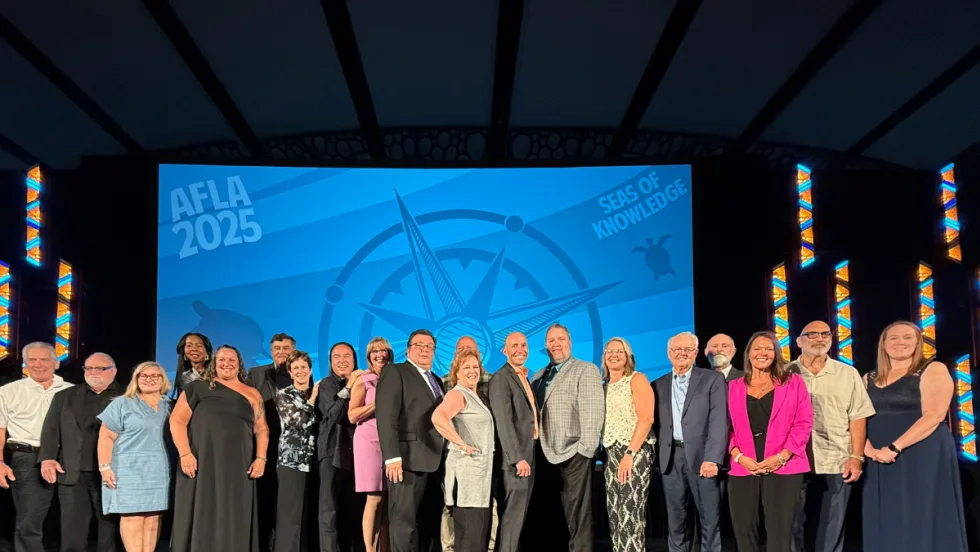
AFLA 2025 Conference in Pictures
Drawing over 640 attendees, the 2025 AFLA Annual Conference was held Sept. 14-17 at the JW Marriott Marco Island Beach Resort in Florida.
Read More →
DriveItAway, Free2move Partner to Expand Vehicle Access for Dealers
The arrangement enables franchise dealers to offer flexible lease-to-own programs with no credit checks, no down payments, and no long-term commitments.
Read More →