




Obama Administration Finalizes 54.5 MPG 2025 Fuel Economy Standards
WASHINGTON – The Obama Administration announced it has finalized the Corporate Average Fuel Economy (CAFE) standards up through model-year 2025. The Administration originally announced the proposed standards in July 2011.
WASHINGTON – The Obama Administration announced it has finalized Corporate Average Fuel Economy (CAFE) standards up through model-year 2025. The new rule sets the standard to 54.5 miles per gallon for the 2025 model-year. The Administration stated that these standards, when combined with the previous standards set for model-years 2011 – 2016 will nearly double the fuel efficiency of vehicles for MY-2025 when compared with those currently on the road. The 2016 standard is 35.5 mpg, according to the National Highway Traffic Safety Administration (NHTSA).
"These fuel standards represent the single most important step we’ve ever taken to reduce our dependence on foreign oil,” said President Obama. “This historic agreement builds on the progress we’ve already made to save families money at the pump and cut our oil consumption. By the middle of the next decade our cars will get nearly 55 miles per gallon, almost double what they get today. It’ll strengthen our nation's energy security, it's good for middle class families and it will help create an economy built to last."
President Obama originally announced the proposed standards in July 2011. A total of 13 automakers have announced their support for the standards, according to the Administration. A number of automakers were involved in the negotiations, including Ford, GM, Chrysler, BMW, Honda, Hyundai, Jaguar/Land Rover, Kia, Mazda, Mitsubishi, Nissan, Toyota, and Volvo. Other stakeholders in the process included the United Auto Workers and the State of California. Federal agencies involved in the process include NHTSA and the Environmental Protection Agency.
The 2017 - 2025 CAFE standards haven’t met with universal approval, and have faced opposition from the U.S. House of Representatives, specifically the House Oversight Committee. That Committee has issued a number of reports critical of the Administration’s process for developing the new standards. A recent report from the Committee stated the new standards will raise the cost of purchasing vehicles and reduce vehicle safety.
Although NHTSA and EPA agree that there will be an increase in the acquisition cost of new vehicles, they disagree that the new standards mean vehicle safety will be compromised. The CAFE standards issued by the Administration provide for a mid-term evaluation to allow federal agencies to review the standards’ effectiveness and make adjustments.
The Administration claims the standards will provide a number of economic benefits, including average fuel savings of more than $8,000 by 2025 over the lifetime of a given vehicle. In addition, for those purchasing a model-year 2025 vehicle, the Administration claims net savings will be comparable to reducing the price of gasoline by roughly $1 per gallon. Lastly, the Administration claims the new standards will save a total of 12 billion barrels of oil and reduce U.S. oil consumption by more than 2 million barrels per day by 2025.
By Greg Basich
More Fuel
Fuel Prices Surge in September | September Fuel Update
September brought major fuel price swings, including diesel crossing $6 a gallon. Here’s how gas and diesel prices changed throughout the month, and where they stood heading into October.
Read More →
Turning Fleet Payment Data into Executive Insights
Ramel Lindsay of U.S. Bank Voyager discusses how fleets can transform payment and transaction data into actionable intelligence to reduce costs, improve oversight, and support executive decision-making.
Read More →
Why the IRS Raised Its Mileage Rate in the Middle of 2026
Fuel-price volatility drove the rare increase to 76 cents per mile, the fifth midyear adjustment since 2000.
Read More →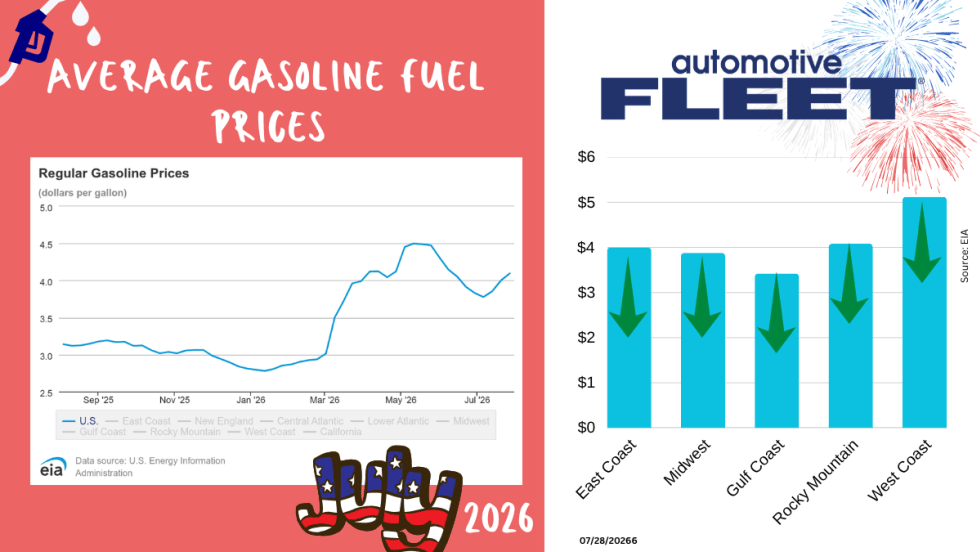
July Fuel Update: Prices Keep Rising in Light of More Conflict
Gas prices continue to rise as more and more conflicts do, too.
Read More →
Bob Adamsky on Fuel Volatility: "Don't Panic, Have a Plan."
When it comes to up and down fuel prices, Adamsky has a message for fleets: “Don’t panic.”
Read More →
How Fleets Can Gain Control of Non-Fuel Spend
Fuel often gets the spotlight, but non-fuel expenses can have a major impact on fleet costs. Ramel Lindsay of U.S. Bank Voyager discusses how fleets can gain better visibility and control over these often-overlooked expenditures.
Read More →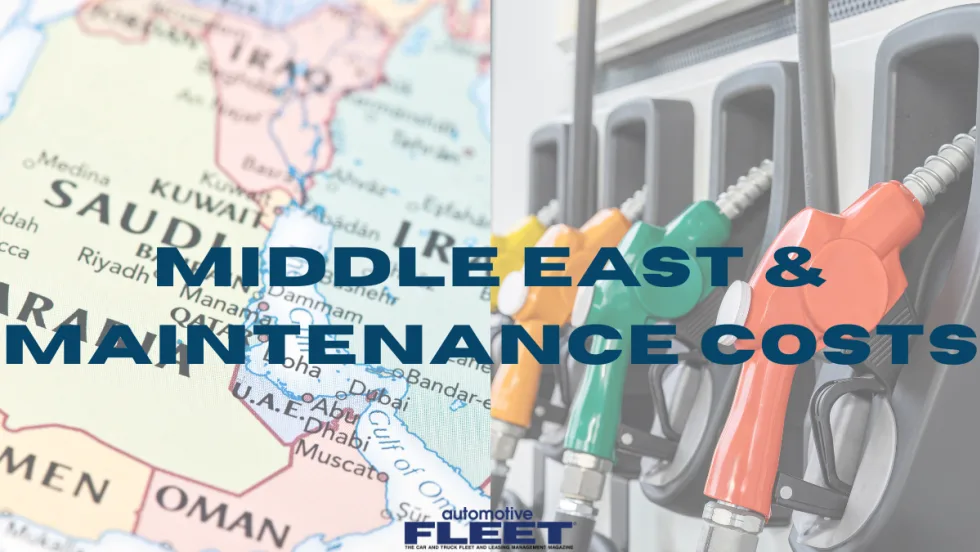
Fuel is Just the Start: How Middle East Tensions are Driving Up Fleet Maintenance Costs
The Middle East conflict is doing more than pushing up fuel prices. It’s also raising the cost of key maintenance products your fleet depends on, from motor oil to tires to windshield wipers. Here’s what you need to know about this budget-busting situation.
Read More →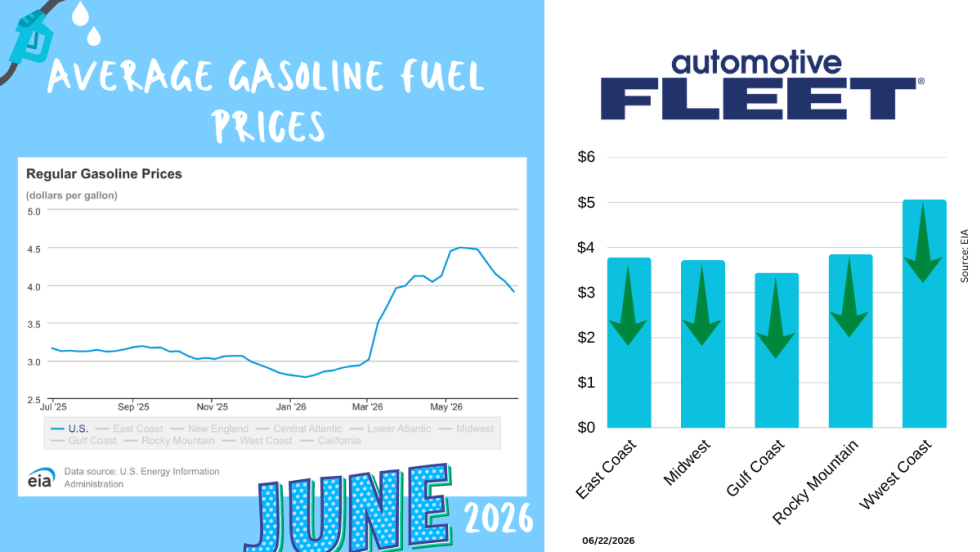
June Fuel Update: Prices Fall Below $4
Drivers are finally getting some relief at the pump. The national average gas price has dropped below $4 a gallon for the first time in months, with prices falling in 47 states as oil markets react to developments in U.S.-Iran negotiations.
Read More →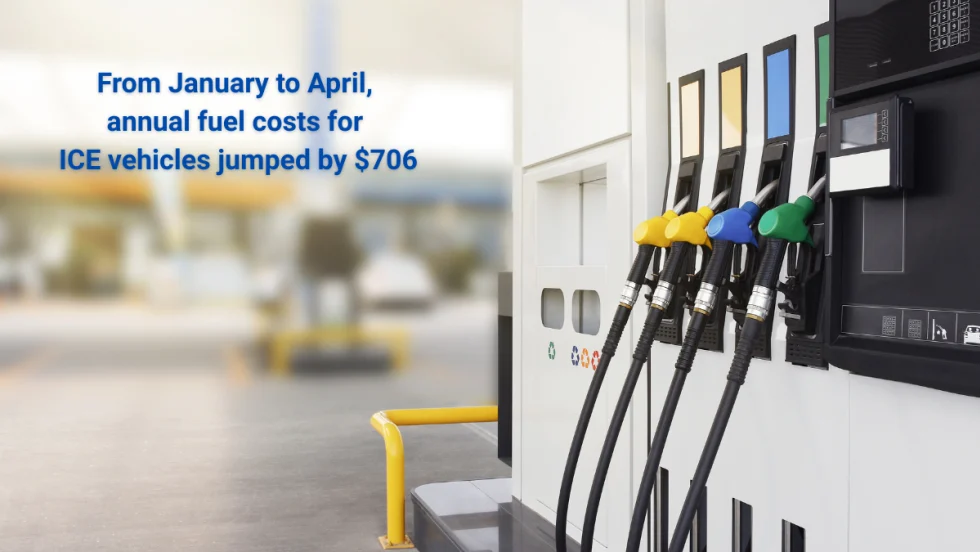
Study: How 2026's Gas Price Hikes Affect Different Vehicle Types
New data from iSeeCars reveals how rising fuel costs have affected different vehicle segments as gasoline prices climbed nearly 46% over the past four months.
Read More →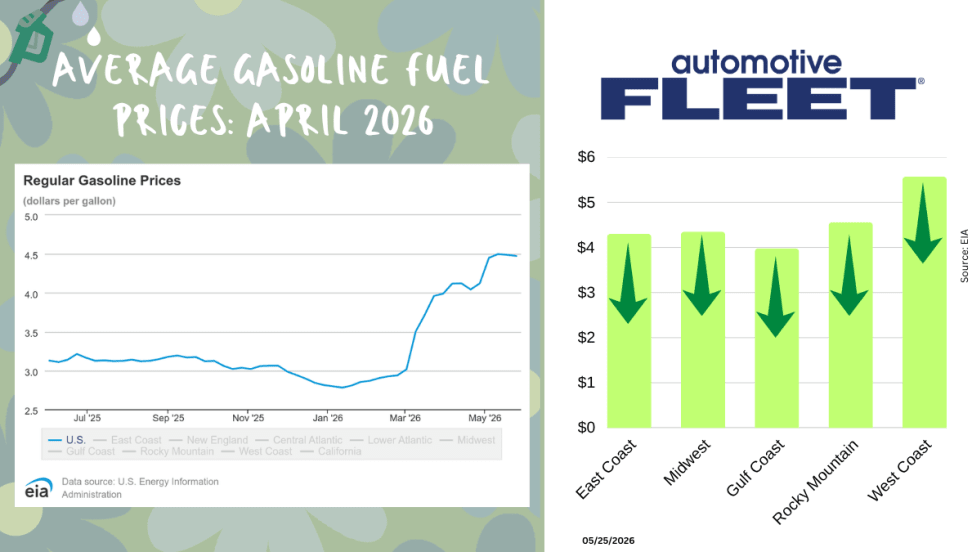
May Fuel Update: All Regions Experience Declines
Gas prices are finally easing in much of the country, but experts warn global tensions could quickly reverse the trend as the national average remains well above last month’s levels.
Read More →