




BMW Four-Cylinder Engines Return to US in 2011
WOODCLIFF LAKE, NJ - The automaker said the engine will arrive in vehicles in 2011, although U.S.-specific model and timing information is yet to be announced.
WOODCLIFF LAKE, NJ - BMW's four-cylinder engine will return to its U.S. lineup of vehicles for the first time since 1999. The automaker said that U.S.-specific model and timing information will follow at a later date but that the engine will arrive in vehicles in 2011. The new 2.0L engine will combine twin-scroll turbocharging with high-pressure direct-injection and BMW's VALVETRONIC intake control and offer 240 hp and 260 lb.-ft. of torque.
The engine achieves its maximum output of 240 hp at 5,000 rpm, 1,500 rpm lower than in the normally aspirated inline-six. The peak torque of 260 lb.-ft., comes on stream at just 1,250 rpm. The four-cylinder engine features an all-aluminum crankcase, making it lighter and more compact than a six-cylinder engine of equivalent power. The turbocharger is a twin-scroll system. The exhaust streams leaving the two pairs of cylinders are kept completely separate as they flow through the exhaust manifold and the turbocharger, taking a spiral path to the turbine wheel. This configuration results in very low exhaust back pressure at low engine rpm, and allows the energy of the exhaust gas pulses to be optimally managed and translated into powerful rotation of the turbine blades, without a delay in throttle response.
The patented BMW VALVETRONIC system with seamlessly variable intake valve lift control manages combustion air mass inside the engine, resulting in much faster response. Pumping losses are kept to a minimum, making the engine more efficient, according to BMW.
The High Precision Injection direct-injection system also helps to improve efficiency. Centrally positioned between the valves, solenoid injectors with a maximum injection pressure of 200 bar (2,900 psi) precisely control the supply of fuel. The fuel is injected very close to the spark plug, resulting in clean and homogeneous combustion, the company stated.
The cooling effect of the injected fuel also allows for a higher compression ratio than might otherwise be possible. This results in further efficiency improvements, according to the company.
More Operations
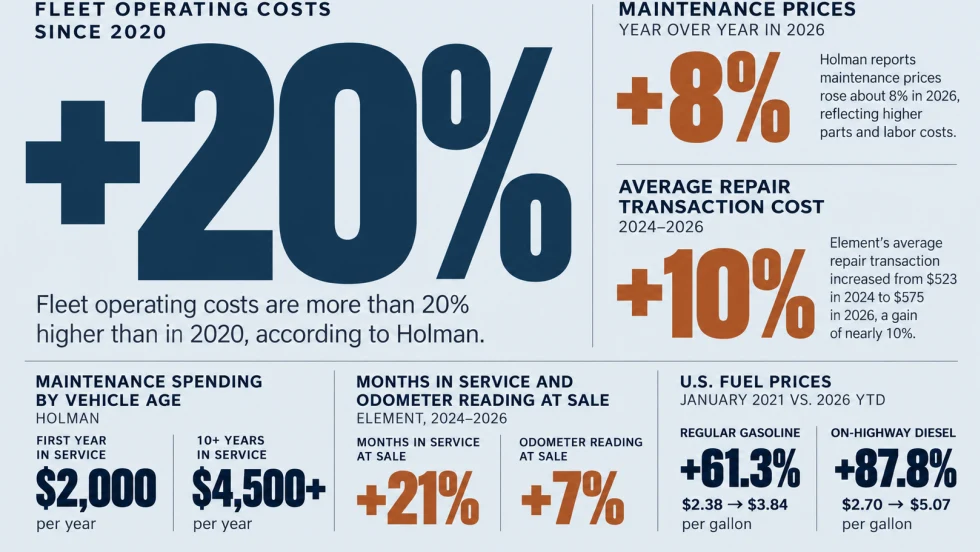
Managing Fleet Costs in an Era of Permanent Volatility
Fleet operating costs have risen more than 20% since 2020, raising a key question: When does extending a vehicle's service life stop making financial sense?
Read More →
The Next Evolution of Fleet Management: Autonomous Operations
This opening keynote session at the Fleet Forward Conference highlights the future of autonomous driving for fleets.
Read More →
How to Reduce the Total Cost of Risk From Catalytic Converter Theft
A stolen catalytic converter can cost fleets far more in downtime and lost productivity than in repairs. A total-cost-of-risk approach can help fleet managers quantify their exposure and prioritize theft prevention.
Read More →

Personal-Use Charges Rise as Vehicle Values Fall | AF News Recap
Personal-use charges are climbing, wholesale used-vehicle values are declining, and commercial fleet sales growth is slowing. This week, we're breaking down the latest fleet data, plus how Element Fleet Management is helping Waymo prepare for its first Canadian robotaxi market.
Read More →
Here's When You Should Make an Exception to Fleet Policy
Fleet policies are designed to create consistency, but not every driver or situation fits neatly within standard rules.
Read More →
AI-Native or AI-Acquired: What Should Fleet Managers Look for in an AI Platform?
Six questions can help fleet managers look beyond AI marketing claims to evaluate integration, data access, and real-world operational performance.
Read More →
A buyer's guide to fleet management software in 2027
Buying fleet management software in 2027 means looking beyond features and price. As fleet operations, technology and expectations evolve, this guide explores what today’s fleet professionals should consider when choosing a system that can deliver value now and adapt to what comes next.
Read More →
What Will Shape the Next Era of Fleet Management?
EVs, AI, and autonomous vehicles are reshaping fleet management. Discover what’s ahead—and how fleet leaders can prepare for the next era.
Read More →
How Fleets Can Recruit and Train Veterans for Technician Roles
Here's how the technician shortage has affected uptime for fleets, and what to do about it.
Read More →
Avis Budget Group Deploys Neology Toll Management Technology Across Major Brands
Neology’s neoFleet platform will manage toll transactions and toll-authority operations for vehicles across Avis, Budget, Payless, Budget Truck and Zipcar.
Read More →