




Study: Texting Raises Crash Risk 23.2 Times
BLACKSBURG, VA - Truck and heavy-vehicle drivers who text-message while driving are 23.2 times more likely to be involved in a crash or near-crash as non-distracted motorists, according to new research conducted by the Virginia Tech Transportation Institute.
BLACKSBURG, VA - Truck and heavy-vehicle drivers who text-message while driving are 23.2 times more likely to be involved in a crash or near-crash as non-distracted motorists, according to new research conducted by the Virginia Tech Transportation Institute.
The research project involved several large-scale driving studies using sophisticated cameras and instrumentation in participants' personal vehicles under natural conditions. Combined, the studies continuously observed drivers for more than 6 million miles of driving.
The research also found that truck and heavy-vehicle drivers dialing a cell phone are 5.9 times more likely to be involved in a crash or near-crash as a non-distracted driver. Interestingly, that statistic falls to 2.8 times when the driver dialing the phone is in a light vehicle or car.
"Given recent catastrophic crash events and disturbing trends, there is an alarming amount of misinformation and confusion regarding cell phone and texting use while behind the wheel of a vehicle," said Dr. Tom Dingus, director of the Virginia Tech Transportation Institute. "The findings from our research at VTTI can help begin to clear up these misconceptions as it is based on real-world driving data. We conduct transportation safety research in an effort to equip the public with information that can save lives."
In VTTI studies that include light-vehicle drivers and truck drivers, manual manipulation of phones -- such as dialing and texting of the cell phone -- leads to a substantial increase in the risk of being involved in a crash or near-crash. However, talking or listening increased risk much less for light vehicles (1.3 times) and not at all for trucks. Text messaging on a cell phone was associated with the highest risk of all cell phone-related tasks.
Eye-glance analyses were conducted to assess where drivers were looking while involved in a crash or near-crash at the same time they were performing cell phone tasks. The tasks that draw the driver's eyes away from the forward roadway are those with the highest risk, VTTI said.
More Safety

Tips for Driving Safely on Halloween Night
This video features a reminder from the Connecticut Department of Transportation (DOT) and the Connecticut Police Chiefs Association, urging drivers to prioritize safety this Halloween.
Read More →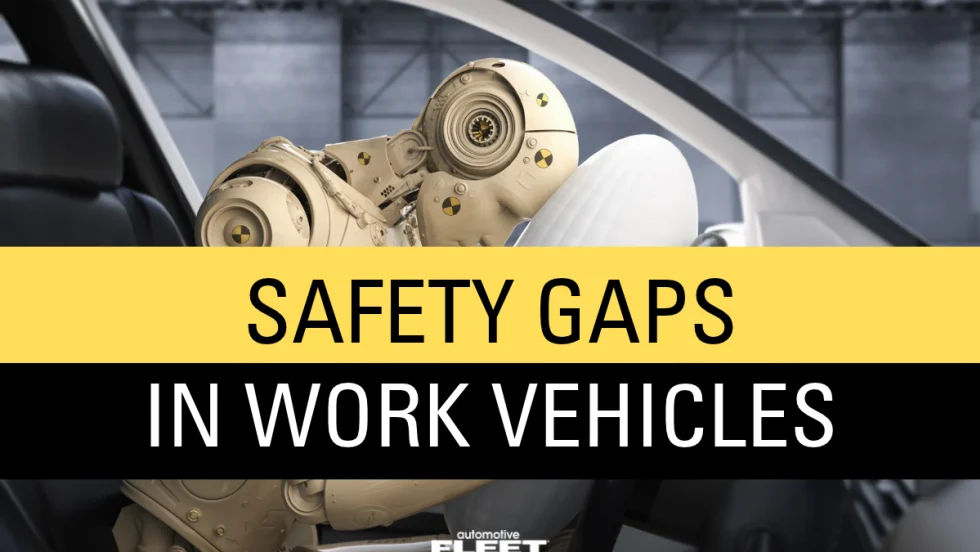
IIHS Crash Avoidance Tests Reveal Safety Gaps in Cargo Vans and Work Trucks
New crash-avoidance ratings from the Insurance Institute for Highway Safety reveal inconsistent performance among commercial vehicles, with several popular cargo vans and heavy-duty pickups struggling to avoid collisions with other vehicles and pedestrians.
Read More →
What’s Next for Fleet? Safety, AI & Industry Recognition | AF News Recap
Could your company's culture be encouraging distracted driving? This week, we're exploring how workplace expectations affect driver safety, what AI, EVs, and autonomous vehicles could mean for the future of fleet management, and how fleet professionals can strengthen their award nominations.
Read More →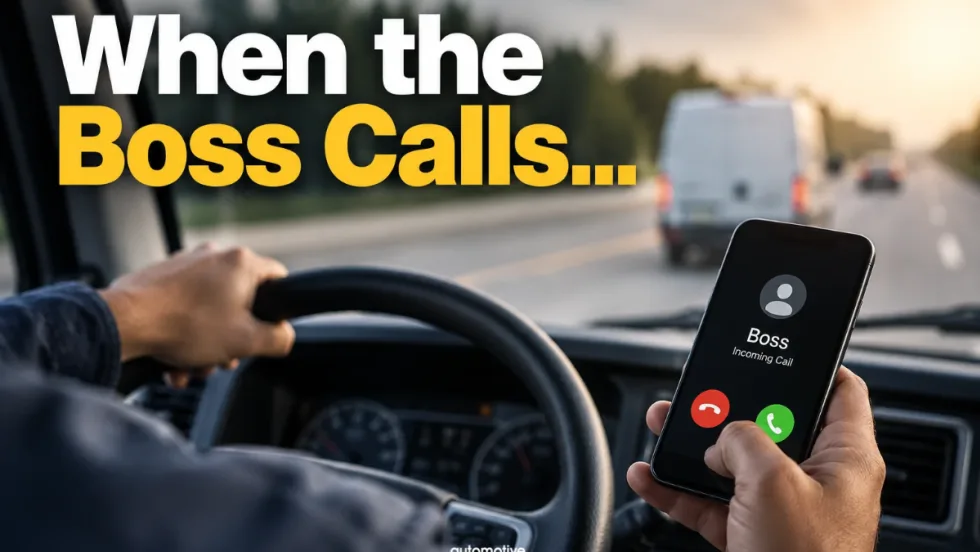
Does Your Fleet's Culture Encourage Distracted Driving?
What happens when the people responsible for enforcing safety rules are the ones setting the wrong example? The answer may reveal why some of the biggest risks to fleet drivers have little to do with what's written in the employee handbook.
Read More →
Fleet Manager’s Ultimate Playbook: Navigating the New Standard in OEM Connectivity
Rising operating costs, driver safety concerns, and unplanned downtime are putting unprecedented pressure on modern fleets. Discover how fleet managers use embedded OEM connectivity and real-time vehicle data to cut TCO, prevent downtime, and protect drivers without aftermarket telematics hardware.
Read More →
From Driver Well-Being to EV Charging | AF News Recap
Mental health belongs in the fleet safety conversation. This week, we’re looking at five ways fleets can support employee well-being before a crisis, plus Holman’s expansion in Mexico, new one-day Fleet Forward passes, and why EV charging demand is outpacing infrastructure growth.
Read More →
Nexar-Nauto Merger Aims to Give Fleets Better Safety Intelligence Through Larger Driving Dataset
Stefan Heck tells Automotive Fleet that combining more than 10 billion miles of driving history with Nexar's AI models will give fleets deeper insights into driver risk and roadway conditions than either company could provide independently.
Read More →
Don't Wait for a Crisis: 5 Ways to Build Mental Health Into Your Fleet Safety Program
For Suicide Prevention Month, fleet and safety leaders have an opportunity to put mental health where it belongs: at the center of workplace safety.
Read More →
How Camera Data Can Strengthen a Fleet’s Insurance Renewal
Insights from a commercial insurance carrier and a broker show how fleets can turn video telematic data, driver coaching, and improved claims results into a stronger case at insurance renewal.
Read More →
The Safest Fleets Aren’t the Ones with the Most Technology
You’ve made the telematics investment. Here’s how to capture the other half of its value and build the safest fleet on the road.
Read More →