




Fleet Policies & Procedures to Minimize COVID-19 Contagion
As fleet manager, your mission is to lower potential infections among those using fleet assets and to minimize the risk of spreading the virus to others with whom drivers interact.


The virus is primarily spread via person-to-person contact; however, it is also possible to be infected by touching a surface, such as a company vehicle, that has living COVID-19 virus on it and then touching your mouth, nose, or eyes.
Photo courtesy of Pixabay.
Fleets are on the front lines dealing with the coronavirus disease 2019 (COVID-19), a new respiratory disease that is now a global pandemic. The Occupational Safety and Health Administration's (OSHA) General Duty Clause requires employers to provide a workplace free from recognized hazards likely to cause death or serious physical harm, under which COVID-19 would fall. For many employees, the company vehicle is their workplace.
As fleet manager, your mission is to lower potential infections among those using fleet assets and to minimize the risk of spreading the virus to others with whom drivers interact. The virus is primarily spread via person-to-person contact; however, it is also possible to be infected by touching a surface, such as a company vehicle, that has living COVID-19 virus on it and then touching your mouth, nose, or eyes.
It is important to wipe down with a sanitizer and/or disinfectant frequently touched vehicle surfaces, such as the steering wheel, gear shifter, radio, armrest, power window buttons, and door handles.
In addition, drivers should sanitize equipment, such as handheld computers, scanners, toolboxes, and cart handles used to haul equipment. However, beware that alcohol- or ammonia-based cleaners may damage the interior dashboard and seats. Ammonia-based cleaners may damage in-cab touch screen terminal displays. On the website for the Centers for Disease Control (CDC) is a link with a list of approved cleaners and disinfectants.
Cleaners are used to remove germs, dirt, and impurities from surfaces. Cleaning does not kill germs, but by removing them, it lowers the risk of infection.
Disinfectants are used to kill germs on surfaces. It does not necessarily clean dirty surfaces, but if used after cleaning, it further lowers the risk of infection.
Personal Hygiene: Drivers should sanitize their hands after the completion of each delivery or service call. Encourage respiratory etiquette by covering a cough or sneeze with a tissue or sleeve to avoid expelling viral secretions on vehicle surfaces. Encourage drivers to sanitize all commonly used surfaces multiple times a day. In a shop setting, some companies timestamp when cleanings occur to reassure that there is a proactive effort to keep things clean.
Transporting Crews: “Social distancing” is the key to slowing the spread of the virus by breaking the chain of transmission. If there are two passengers in a vehicle, some companies ask the passenger to sit in the back seat to practice a degree of social distancing. Fleet policy guidance is recommended when multiple people or work crews drive together to a job site. Some companies are temporarily limiting the number passengers in single vehicle
Sanitizing Pool Vehicles: Instruct drivers to wipe down every touched surface in a vehicles – first when entering the vehicle and second, when they return it. The coronavirus can survive for 72 hours on a surface before dying if the surface is not cleaned.
Tools and Equipment: Discourage workers from using other workers’ phones, desk, office, or other work tools and equipment when possible. If the driver is using a cart or dolly on their route, they should clean and sanitize it. The same is true for tools used by service techs. Mandate cleaning tools if different techs are using the same tools within a 72-hour period. Also, clean and disinfect tool belts and other gear prior to reuse using a cleaner or disinfectant following application instructions on the product label.
Disposable Gloves: If offered, be sure to make latex and non-latex gloves available because some drivers may be allergic to latex.
Refueling: Instruct drivers to wipe down the fuel pump handle and keypad prior to inputting their odometer and driver ID. If you don’t have wipes, then consider using a paper towel to grab the fuel dispenser handle. Ask drivers to wipe down fuel cards, especially if it is a shared card. Consider assigning a fuel card to each driver to avoid sharing. If drivers wear gloves when refueling, be sure to instruct them to dispose of them before re-entering the cab.
Cabin Filters: Consider accelerating the frequency of replacing cabin filters beyond OEM schedules and recommendations.
HIPAA Restrictions: The Health Insurance Portability and Accountability Act of 1996 (known as HIPAA) makes it a criminal act to divulge medical information without the employee’s permission. If you are informed that an employee has tested positive, inform HR and clean the vehicle. Violating HIPAA regulations could legally comprise yourself and your company.
Customer Interaction Guidelines: Some companies do not require a customer to sign for services or invoices. Instead the driver signs on their behalf to avoid the sharing of pens and devices. It is recommended to avoid letting customers use a company phone and to discourage handshaking. Also, establish procedures on how a driver interacts with another party if involved in a street accident.
Personal Use: Consider whether to modify personal use policies to gain tighter control as who is riding in the vehicle. When companies allow spouses and children to use company vehicles, it loses control over who is a passenger in a corporate vehicle.
Mobile Fleet Service Providers: Some fleets are minimizing driver interaction at service centers by transitioning to mobile fleet service providers to minimize the need to take a vehicle to a shop.
Resources: As fleet manager, you need to stay abreast of guidance from governmental health agencies and consider how to incorporate these recommendations into your fleet.
The CDC provides the latest information about COVID-19 at www.cdc.gov/coronavirus/2019-ncov
OSHA offers information specific to workers and employees – www.osha.gov/covid-19
Commit to doing everything possible to protect drivers and the customers with whom they come in contact and their loved ones. Be positive, empathetic, and solutions driven to help fleet users during this uncertain time. Let me know what you think.
More Blog Posts

Fleets Want Trust Restored with Suppliers
During this period of ongoing supply constraints, the trust that fleet managers had with OEMs, upfitters, and dealers has been strained. Fleet managers say they have had too many experiences over the past three years coping with erroneous information, adjusting to multiple price increases, and feeling betrayed by inadequate transparency from suppliers.
Read More →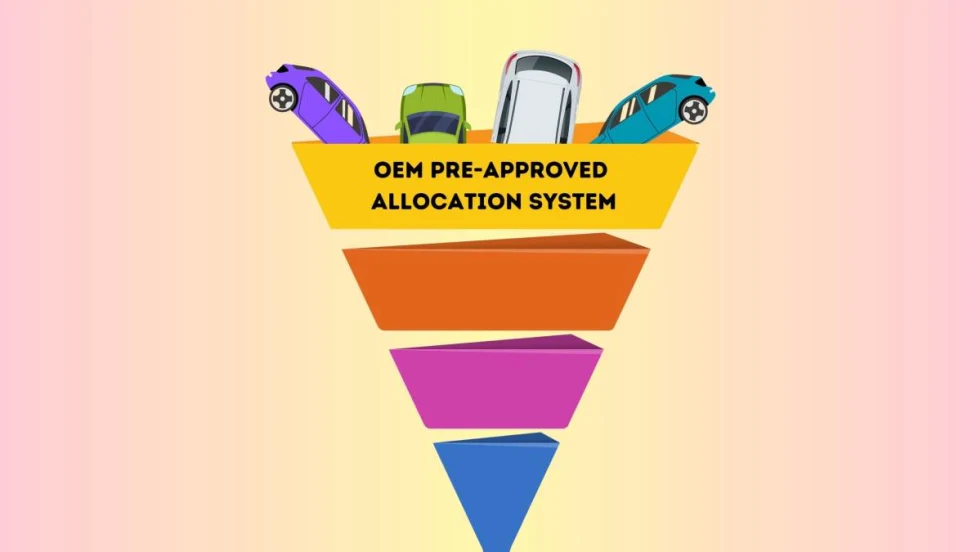
Scheduled Replacement Cycles Are Becoming a Distant Memory
The ongoing difficulty in sourcing replacement vehicles is forcing companies to extend the service lives of vehicles that are unable to be replaced, which, inevitably, increases unscheduled maintenance expenses.
Read More →
Fleet Simplification is the Antidote to Asset Variability
Fleet simplification identifies asset functions to uncover commonality among the equipment and assets. Simplification increases operational efficiency as end-users become accustomed to the controls, displays, and operation of less diverse units.
Read More →
The Dangers of Static Fleet Policies
A fleet policy is a living document, flexible enough to adapt to evolving business priorities, developing industry trends, and changing industry best practices and standards.
Read More →
Short-Term vs. Long-Term Cost Reductions
Corporate procurement staff are often driven by short-term, immediate cost reductions. However, a longer perspective to soft cost savings is critical because fixating on short-term results will hurt a company in the long run.
Read More →
Uptick in Unscheduled Maintenance Increasing Vehicle Downtime
Fleet data analysis can identify recurring downtime issues. It’s important to determine the root causes of downtime so procedures can be developed to minimize such problems.
Read More →
Eliminate Needless Curb Weight to Maximize ICE & EV Efficiencies
Vehicle weight relates directly to fuel economy. In today’s era of electrification, there is also a direct correlation between vehicle weight and battery range.
Read More →
Tech Dependence Risks Dumbing Down Fleet Manager Expertise
The line between creative thinking and problem solving and doing what the data indicates is thin. To lead in fleet management, you need to balance understanding the fundamentals and embracing what smart technology offers.
Read More →
Leverage the Synergy of Safe Driving to Achieve Sustainability and Cost Goals
Safe driving, emission reductions, and cost containment can all be achieved at the same time.
Read More →
The Playbook for Fleet Manager Success
There are many paths to success — most of them involve being flexible, open-minded, and willing to learn.
Read More →