




Related: Know Your Fluids: Coolants and DEF
How to Purchase, Store & Handle Diesel Exhaust Fluid
Diesel engine vehicles can be damaged by using low quality diesel exhaust fluid (DEF). Repairs can be very expensive with long downtime possible, and damage could void the manufacturer’s warranty.
by Jeffrey Harmening
April 26, 2024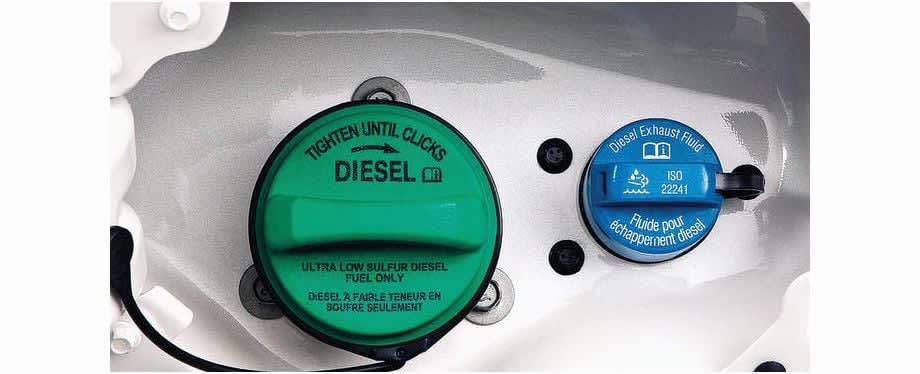
Diesel engines in trucks and other applications sold in the United States must meet stringent U.S. Environmental Protection Agency (EPA) emissions requirements.
Photo courtesy of Picasa
5 min to read
Diesel engine vehicles can be damaged by using low-quality diesel exhaust fluid (DEF). This includes catalyst poisoning, deposits which can restrict equipment from operating, and DEF injector and filter clogging. Repairs can be very expensive with long downtime possible, and damage could void the manufacturer’s warranty. These potential dangers demonstrate why education about using high quality DEF is crucial.
Diesel engines in trucks and other applications sold in the United States must meet stringent U.S. Environmental Protection Agency (EPA) emissions requirements. Many of those engines use selective catalytic reduction (SCR) to meet the requirements. SCR is an emissions aftertreatment technology that converts nitrogen oxides (NOx) in the diesel-engine exhaust stream into nitrogen and water vapor, two natural components in the air we breathe.
Diesel exhaust fluid (DEF) is an essential part of the process. It is injected into the diesel exhaust stream, and the heat from the exhaust, the fluid, and a catalyst convert the NOx into the harmless gases.
DEF is made from a 32.5% solution of technically pure urea with the rest of the mixture consisting of purified water. For the SCR unit to operate properly, the DEF must meet an exacting purity standard established by the International Organization for Standardization (ISO). This ensures that the DEF provides the purity required by diesel engine manufacturers and the quality to preserve the emissions control system and the environment.
Purchasing DEF on the Road
On the road, one of the main challenges for drivers is knowing the brand of DEF they are being sold as many fill up locations don’t identify the manufacturer and brand name on the receipts to their customers. Regulations in many states require this information be provided when bulk DEF is delivered to the location.
Without it, fill up locations cannot provide the information on dispenser receipts. It is then difficult for drivers to confirm they are buying DEF that is licensed by API’s Diesel Exhaust Fluid Certification Program unless it is marked, or the information is otherwise conveyed.
Many diesel engine manufacturers recommend that drivers use API-licensed DEF.
Drivers accustomed to purchasing DEF in containers should look at the expiration date on the bottle and be sure to use it before this date as the product has a limited shelf life. If a date is not present, ask for the most recently delivered DEF products.
Storage conditions also have an impact on its quality. DEF can be expected to have a minimum shelf life of 12 months or even longer in optimal conditions. Check the label for recommended storage temperatures. API recommends that you don’t store it for too long in your truck once you purchase it, especially if the storage area in the vehicle is routinely hotter than the recommended storage temperatures displayed on the label. Be sure to look for the API certification mark on the bottle as well.
Purchasing DEF for Shop Use
API has found that the biggest misconception by fleet managers is the belief that if the urea concentration of their DEF is on spec, then the DEF meets the required quality. While it is absolutely true that the concentration is very important, there are many other important quality characteristics built into the ISO 22241 specification.
DEF is composed of 32.5% technically-pure urea in pure water. Each of these components are critical to the manufacture of DEF that meets the quality standard. Use of substandard urea (such as agricultural-grade urea commonly used as fertilizer) or use of water derived directly from the public water system without proper treatment can introduce contaminants and metals that are not only detrimental to the life of the Selective Catalytic Reduction (SCR) system but can also affect the SCR system’s ability to reduce harmful NOx emissions.
Fleet managers responsible for procuring DEF should confirm that their suppliers are providing DEF that meets the ISO quality standard. One way to do this is to ensure that their supplier is providing a Certificate of Analysis with every shipment that addresses all of the quality characteristics that the specification requires. Fleets and drivers can check to see if the DEF they are buying is licensed through API’s real-time directory of licensees on the API website.
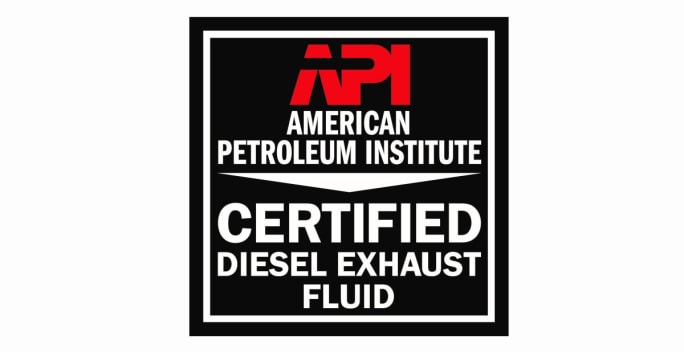
Make sure any diesel exhaust fluid you purchase is certified by the American Petroleum Institute by looking for this logo.
Image courtesy of American Petroleum Institute
Managing DEF in Shops
For shops, the handling, storage and dispensing of DEF is very important so that off-spec DEF doesn’t reach the marketplace. Temperature during transport or at the point of storage or sale can harm the shelf life of DEF sold in containers. Make sure the stock is rotated to use the oldest product first. Proper storage temperatures in a shop is also vital. Storing in temperatures above 86 degrees Fahrenheit will limit the shelf life of the DEF over time. Some additional things to consider in storing and handing DEF include the following:
Bulk storage tanks should be dedicated for DEF. Don’t switch products in the bulk tank without thoroughly rinsing the tank with distilled or de-ionized water or on-spec DEF.
A closed loop system for transferring DEF from a drum or bulk tank is recommended, so contaminants don’t get into the DEF. This is particularly important in a shop or construction site that has dust or dirt in the air.
Use dedicated equipment for dispensing DEF. Don’t use funnels, pitchers, hoses, etc. that are used for other fluids when putting DEF in a tank.
Anything used for dispensing DEF should be cleaned with distilled or de-ionized water and followed by a DEF rinse. Don’t use tap water for cleaning.
For shops and drivers, it’s important to know what you are putting into your DEF tank. The quality of the DEF going into your vehicle is as important as the quality of the engine oils or fuels used in your vehicles. Use of API-licensed Diesel Exhaust Fluid will ensure that the DEF meets the high standards required by engine and vehicle manufacturers.
About the Author: Jeffrey Harmening is the team lead, diesel exhaust fluid, for the American Petroleum Institute.
Topics:Maintenance ManagementDEF StorageEnginesDiesel EnginesDEFAmerican Petroleum InstituteGlobal Fleet
Originally posted on Work Truck Online
Subscribe to Our Newsletter
More Global Fleet

GeoFencing Adds to Your Truck Security Arsenal
Geofencing is a familiar fleet tool today, but its early adoption marked a major shift in vehicle tracking, route monitoring, and the debate over employee privacy.
Read More →
Holman Takes Full Ownership of ARIZA in Mexico
Holman is bringing its Mexican fleet management operation fully under its own brand after more than 30 years as a joint venture. The change gives multinational fleet customers a single Holman operation across the U.S., Canada, and Mexico.
Read More →
5 Tire Maintenance Tips to Help Prevent Work Truck Downtime
Regular tire checks can do more than extend tread life. These five maintenance practices can help work truck fleets catch problems early, reduce costs, and prevent downtime.
Read More →

Proven Ways to Reduce Work Truck Downtime
The age-old problem of downtime will always be a reality, but with new strategies at hand, fleets have more ways to keep trucks on the road longer.
Read More →


Cameras, Safety and Insurance: From Reactive Claims to Real-Time Prevention (Part 2 of 2)
Part Two: Commercial auto remains one of the most challenging and costly lines of coverage for fleet operators and insurers alike. Continue learning more about how to effectively address these issues from Onur Aksan, Enterprise Business Development Executive, Geotab
Read More →
Cameras, Safety and Insurance: From Reactive Claims to Real-time Prevention
Commercial auto remains one of the most challenging and costly lines of coverage for fleet operators and insurers alike. Learn more about how to effectively address these issues from Onur Aksan, Enterprise Business Development Executive, Geotab.
Read More →
Fleet Costs Are Rising: Here’s How Leaders Are Responding
Fleet leaders are under pressure to reduce costs, adapt to economic uncertainty, and make smarter decisions. See how peers across North America are responding with real data, proven strategies, and forward-looking insights. Download the 2026 Market Pulse Report to benchmark your strategy and uncover where you can gain an edge.
Read More →
Enterprise Fleet Management Surpasses 900,000 Vehicles in U.S. & Canada
Enterprise Mobility connects with mobility solutions around the globe
Read More →