




Telematics: Video and Add-on Advancements
With a growing variety of fleet management software and applications, requests for further integrations with video and other services, advancements, and enhancements continue to be in high demand.

Predictive analytics and the much-talked about "integration craze" is finally here.
Photo by alxpin via Getty Images.
Considering the unbridled growth of the fleet-directed software development space, safety- and cost-conscious fleet managers and business owners can finally be assured that predictive analytics and the much-talked about "integration craze" is finally here.
According to the Bureau of Labor Statistics, there were more than 1.2 million software developer jobs in 2016 with 24% growth expected by 2026. Anyone who has tried out "smart" products — be it a fully connected and automated home or a robot vacuum cleaner — knows exactly what we're referring to. The intersection of artificial intelligence and daily tasks has finally arrived.
With cloud-based services, open and secure platforms, and fleet management information systems (FMIS), connected fleets are becoming the norm rather than the unique, and fleets are using them to integrate systems, including telematics paired with fuel cards, video solutions, and much more.
Software Integration: Three Ways
Software integrations are made possible through three main avenues:
An open platform or available add-ons from third-party software providers.
An application programming interface or software development kit.
Custom options for data integration services.
Integrations can mean less time spent crunching numbers, pulling Excel reports, and working with raw data to analyze information from different systems. It also means more opportunities to identify safety and compliance needs.
Without integrations in place, fleets may often find themselves confused about where to get the data they need, whether there will be an increased cost to maintain uncommunicative systems, and whether to add time to an audit to retrieve data from each system as needed.
Onboard Video: What the Systems Provide

Safety-related systems integrations could include alert wearables for employees working in remote locations or hazardous conditions.
Photo by Halfpoint via Getty Images.
The first onboard video systems were VHS-based and initially limited, with some exceptions, to bus fleets. Today's video systems can operate through the cloud, wirelessly, and other flexible systems depending on the fleet's needs and connectivity options.
These video and event-based systems connect with the accelerometer other onboard sensors and provide valuable data before, during, and after driving events. Reconstructing incidents can exonerate or condemn any involved party. Even more important is the information that video tells a fleet about what happened before an accident, including distracted driving. Some can even alert drivers and supervisors when the driver's eyes aren't on the road, addressing drowsy driving as well.
This data can help build highly individualized training to curb risky behaviors. It can also mean more effective new-hire training and policy handbooks specific to the challenges your fleet drivers deal with on a daily basis.
According to the NTSB, fleets should look for onboard video systems that provide:
Visibility of the driver
Visibility of each occupant seating location
Visibility forward of the vehicle
An optimized framerate
A low-light "night vision" setting
What You Can Integrate
With more options come more opportunities to build a management system specific to your fleet's needs, industry type, and services. For example, driver scorecard apps that can integrate with telematics systems can provide choices of data points to customize and compare to make up a driver's safety score. Some scorecards even let you customize the weights of different KPIs to make up the driver scores.
Many fleets report that these more detailed driver scores also help in providing tailored and therefore effective driver training and rewards programs. In turn, drivers today seem to feel less reluctant about the software and are more likely to view it as something that benefits versus monitors them.
With integrations, fleets can go beyond the vehicle. Using safety as an example of this next-level intelligence, near-field communication technology can mean keeping vehicles organized by driver assigned levels, allowing a driver with only a certain security allowance to drive certain vehicles. Fingerprint technology and built-in OEM app integrations for a better view on driver behavior and fuel efficiency are also on the rise. Safety can also mean integrating with mobile workforce alert systems, including emergency alert wearables for employees in dangerous working conditions.
Integrations are not just about creating a connected system within operations. They can empower your workforce, including but not limited to drivers, in the daily decisions they make and their ability to achieve workplace goals.
More Telematics
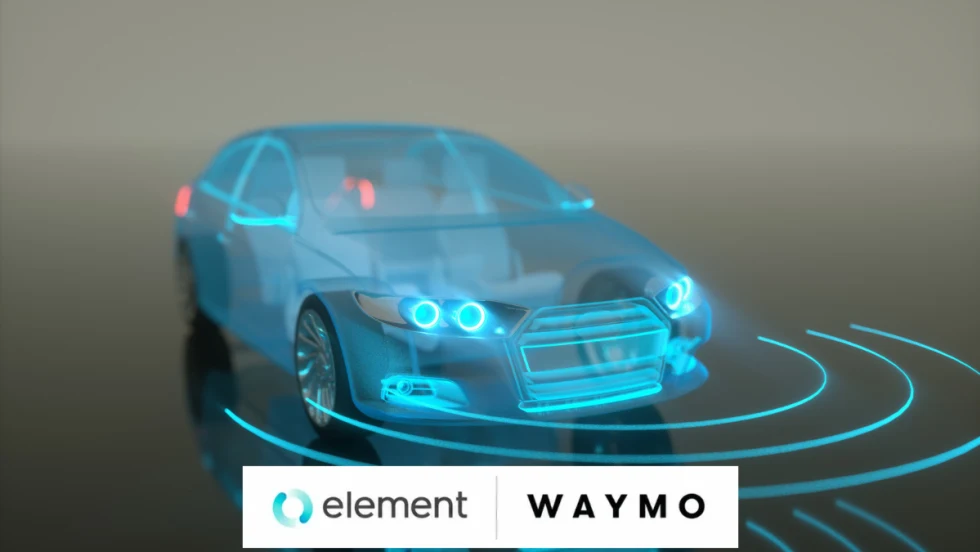
Element Expands Waymo Partnership to Support Toronto Robotaxi Fleet
As Waymo prepares to enter the Canadian market, Element Fleet Management will oversee the fleet operations supporting its planned Toronto launch. The partnership highlights the maintenance, charging, and infrastructure requirements behind operating autonomous vehicles at scale.
Read More →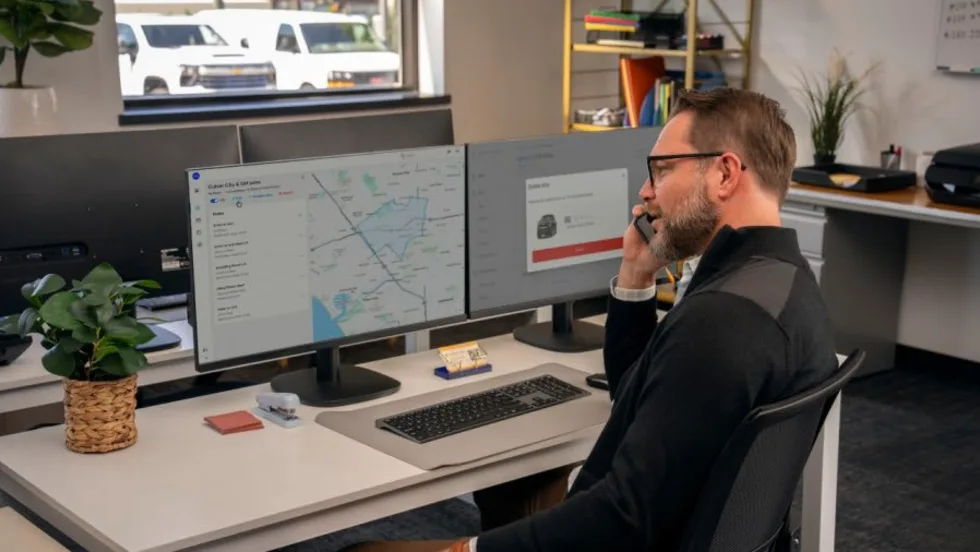
GM Launches OnStar Fleet Intelligence Platform With AI Assistant
The new platform brings vehicle data, order tracking, connected services and fleet analytics into one system, with an AI assistant that can answer fleet questions using natural-language prompts.
Read More →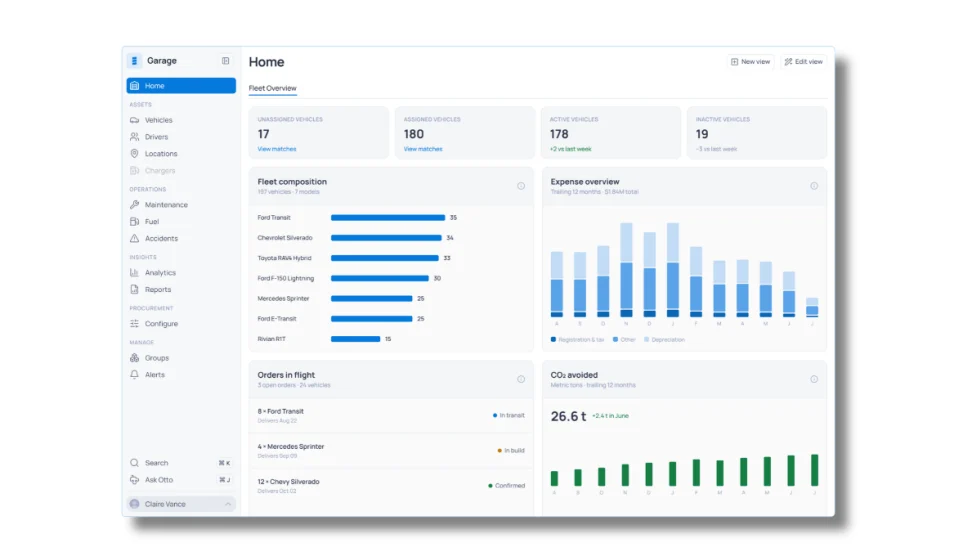
Inspiration Fleet Introduces Garage 2.0 Fleet Intelligence Platform
Fleet managers increasingly have access to data from vehicles, telematics, fuel, charging, and other systems, but those sources don't always communicate with one another. Inspiration Fleet's Garage 2.0 platform brings that information together while letting fleets keep working with different technology and service providers.
Read More →
Inside Inspiration Fleet’s New Platform for Connecting Fleet Data
Inspiration Fleet CTO Chris Getner explains how the new Garage 2.0 platform is designed to connect disparate fleet data and what that could mean for fleet managers in practice.
Read More →
Fleet Manager’s Ultimate Playbook: Navigating the New Standard in OEM Connectivity
Rising operating costs, driver safety concerns, and unplanned downtime are putting unprecedented pressure on modern fleets. Discover how fleet managers use embedded OEM connectivity and real-time vehicle data to cut TCO, prevent downtime, and protect drivers without aftermarket telematics hardware.
Read More →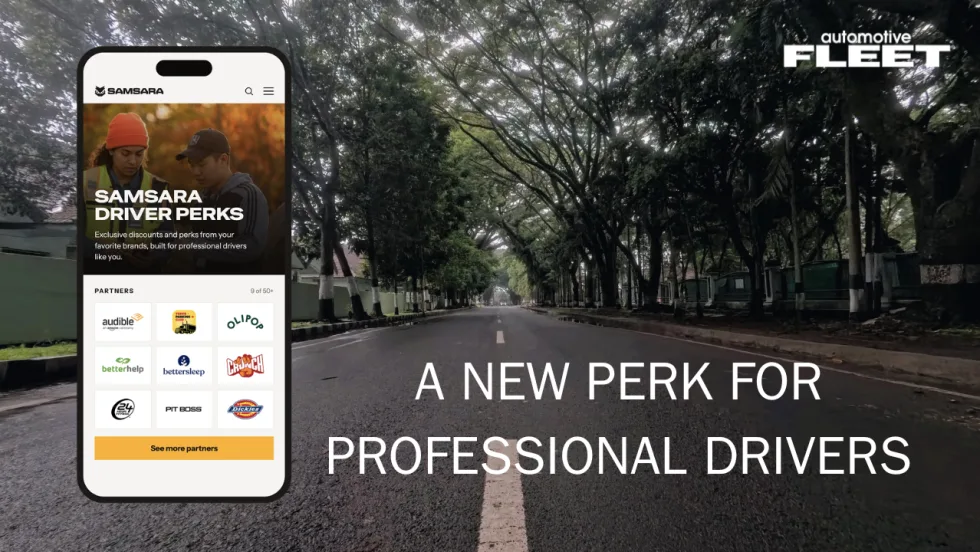
Samsara Driver Perks Adds New Benefit for Corporate Fleet Drivers
The rewards program gives eligible professional drivers access to discounts from more than 50 brands while giving fleets another way to support recruitment, retention, and the driver experience.
Read More →
Inside the Church of Jesus Christ of Latter-day Saints’ Two-Track Telematics Strategy
With 20,000 vehicles and two fundamentally different driver populations, the Church faced a fleet management problem that a single telematics program couldn't solve. How it responded offers a replicable framework for any fleet where one size doesn't fit every driver.
Read More →
How Conversational AI Can Make Fleet Tasks Easier for Drivers
While most generative AI tools help fleet managers interpret data at their desks, Connex2X is applying voice interaction to tasks behind the wheel.
Read More →
Why Fleets Are Creating Dedicated Fleet Analyst Positions
Are fleet analyst positions the new norm? Listen here to find out.
Read More →
Teletrac Navman Begins Next Chapter as Standalone Private Company
What's new with Teletrac Navman and its new owner?
Read More →