




UPS Adds 700+ Natural Gas Vehicles to Fleet
UPS announced plans to build an additional five compressed natural gas (CNG) fueling stations and add more than 700 new CNG vehicles including 400 semi-tractors and 330 terminal trucks.

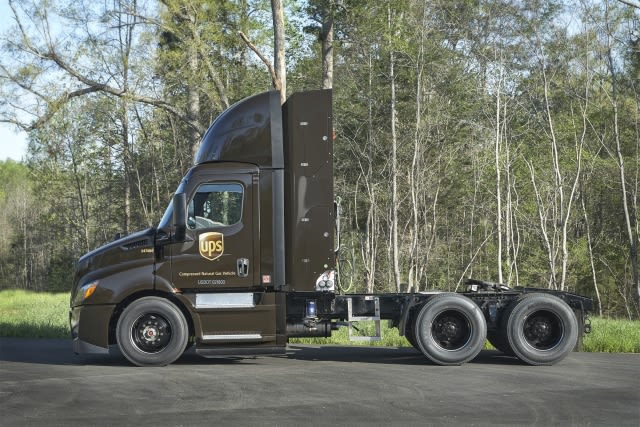
Four hundred semi-tractors will be supplied by Freightliner (like the truck pictured) and Kenworth.
Photo courtesy of UPS
UPS announced plans to build an additional five compressed natural gas (CNG) fueling stations and add more than 700 new CNG vehicles, including 400 semi-tractors and 330 terminal trucks.
This $130 million investment in CNG capacity for 2018 builds on previous UPS investments of $100 million in 2016 and $90 million in 2017. UPS will have invested more than $1 billion in alternative fuel and advanced technology vehicles and fueling stations from 2008 through 2018.
Building CNG and LNG capacity is an important enabler for increasing UPS’s use of renewable natural gas (RNG). RNG yields up to a 90 percent reduction in lifecycle greenhouse gas emissions when compared to conventional diesel. Last year, UPS used 15 million gallon equivalents of RNG. The company is the largest consumer of RNG in the transportation sector.
The five new CNG stations will be in Goodyear, Ariz., Plainfield, Ind., Edgerton, Kan., Fort Worth, Texas, and Arlington, Texas. Four hundred semi-tractors will be supplied by Freightliner and Kenworth and 330 terminal trucks by TICO. UPS will deploy the new CNG vehicles on routes to utilize the new CNG stations as well as adding to existing natural gas fleets in other UPS locations including Atlanta and Salt Lake City.
UPS currently operates more than 50 natural gas fueling stations in the U.S. and several outside the U.S. in Vancouver, Canada, and Tamworth, United Kingdom.
The initiative will help UPS reach its 2020 goal of one in four new vehicles purchased being an alternative fuel or advanced technology vehicle. The company has also set a goal of replacing 40 percent of all ground fuel with sources other than conventional gasoline and diesel. These goals support UPS’s commitment to reduce its GHG emissions from global ground operations 12 percent by 2025.
Using its Rolling Laboratory approach, UPS deploys approximately 9,100 low-emission vehicles to determine which technology works best in each route configuration. This includes battery-electric, gasoline-electric hybrids, hydraulic hybrid, ethanol, compressed natural gas (CNG), liquefied natural gas (LNG) and propane autogas.
Related: Freightliner Custom Chassis Delivers 50,000th Chassis to UPS
Originally posted on Work Truck Online
More Green Fleet
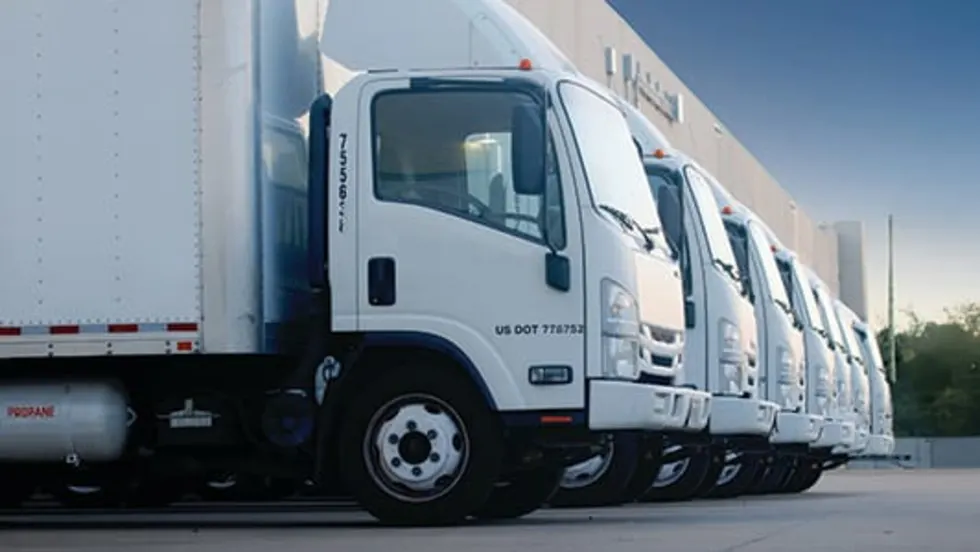
New Propane Autogas Program Offers Fleet Compensation
Qualified commercial fleets can receive $7,500 per eligible propane autogas vehicle and up to $10,000 for new refueling site prep. Learn how the program works and see whether your fleet qualifies.
Read More →
EV Charging Use Is Outpacing Infrastructure Growth
ChargePoint’s 2026 Charging Forward Report points to rising charger use, higher-powered charging, commercial vehicle electrification, and energy-management technology. Here’s what fleets should know.
Read More →
Merchants Fleet Reports 290M EV Miles as Fleets Navigate Changing Electrification Market
From millions in operating savings to hundreds of millions of EV miles, Merchants Fleet’s latest report reveals what’s working and what’s changing in fleet electrification.
Read More →

The EV Breakdown Nobody's Talking About: Why Most Electric Vehicle Roadside Calls Aren't Mechanical Failures
Here's why EV breakdowns are widely misunderstood.
Read More →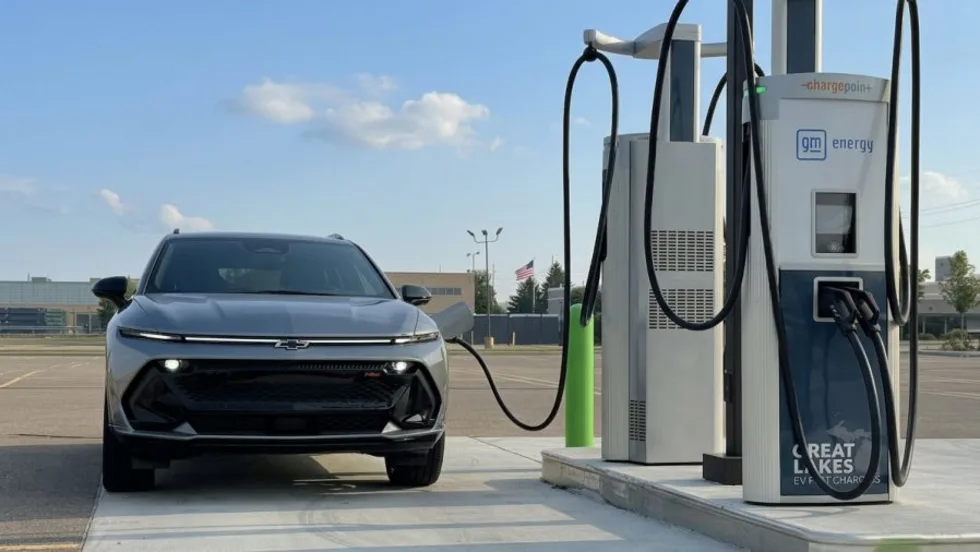
ChargePoint Now Available in Energy Pass
ChargePoint and additional planned charging network integrations were added to GM's Energy Pass.
Read More →

First Look: Slate Auto's Electric Fleet Pickup
Could an affordable, modular EV pickup make electrification more practical for fleets?
Read More →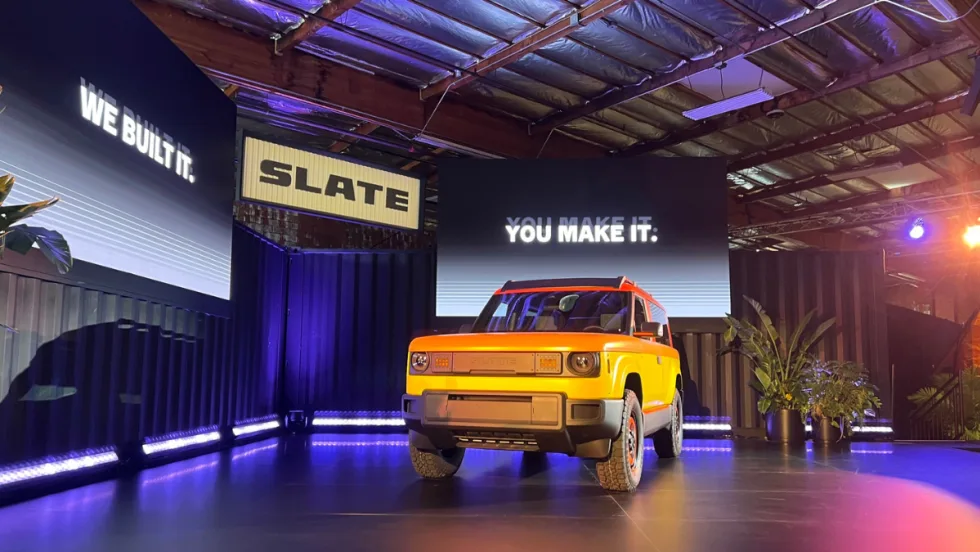
Slate Debuts Colorful, Unique EV Models
A recent media and client event, studded with electric vehicles dressed up on platforms, planted a new position for the manufacturer in the wider EV market. Fleets will find cost-saving advantages.
Read More →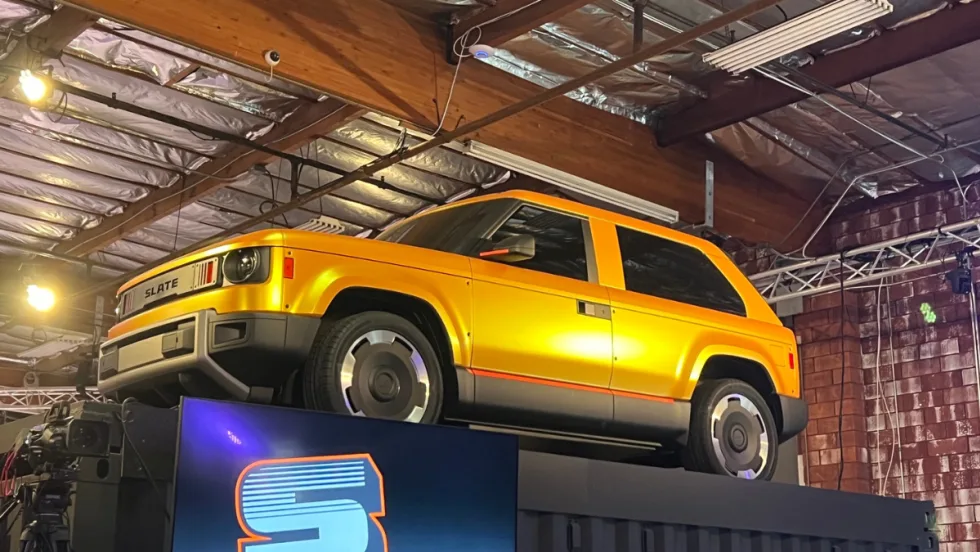
Slate Electric SUV, Pickup Switchable Model Aims For Light-Duty Fleets
Everything about this EV is counterintuitive and understated, making it stand out from the crowd.
Read More →
Inspiration Mobility Acquires Key Electrada Assets
Inspiration Mobility Group has acquired select assets of Electrada, adding the fleet electrification provider's team, technology, and charging infrastructure development capabilities to its energy management business.
Read More →