




The ‘Perfect Storm’ in Rail Congestion Turns Fleet into Collateral Damage
Fleet order-to-delivery (OTD) has been brutal this model-year due to severe weather conditions, which exacerbated rail congestion, creating huge backlogs of vehicles needing to be shipped. However, some are beginning to believe the rail congestion experienced this winter is more of a symptom of a systemic infrastructure weakness and not solely the consequence of severe weather. Here's why they think so.

Fleet order-to-delivery (OTD) has been brutal this model-year due to severe weather conditions, which exacerbated rail congestion, creating huge backlogs of vehicles needing to be shipped. We are still several months away from publishing AF’s annual OTD survey, so we are reliant on anecdotal stories we are hearing from the field. They’re not pretty. Railway backlog is particularly impacting ship-thru units requiring upfitted equipment. Bodies are ordered, but the chassis are delayed, which creates a domino effect where upfitters don’t produce additional bodies until the chassis arrive. These delays shift one fleet’s production into another fleet’s reserved schedule. Now, body production is out of sync with chassis delivery, which means fleets have a depreciating chassis sitting at an upfitter, which is unusable. There are numerous other stories, but the worst part is that some fleets are being warned to anticipate rail delays again this winter.
Freight Volume is Booming
One man’s misfortune is another man’s fortune. Such is the case with the rail transport business in North America, which, although struggling to keep up with demand, is experiencing boom times. However, as all fleet managers are painfully aware, this strong demand to haul freight has created widespread railway congestion. Rail shipment of fleet vehicles is critical to acceptable OTD times. While fleet is important, in the larger scheme of things, fleet vehicle shipments only represent a tiny percentage of overall rail shipments. Fleet represents less than 20 percent of overall automotive shipments, which, in turn, only represents 9 percent of total rail freight. The fastest growth in railroad traffic is in the shipment of crude oil. This has been heaven-sent for railways as it has helped offset declining coal shipments, but this has been the root cause of much railway congestion. The demand on rail assets for oil shipments will only increase. Predictions are that oil production in the Bakken formation in North Dakota and Montana could increase to 2 million barrels per day in the coming years.
In addition, there have also been dramatic increases in the rail shipment of agricultural products. In 2013, record harvest occurred in many states and Canadian provinces, causing delays in getting grain to market, primarily due to the shortage of rail cars and crews, along with increased congestion, especially for freight traveling through the Dakotas to the Pacific Northwest. But, what brought everything to a head was last winter’s severe weather, which created the proverbial “perfect storm” that severely strained the rail network throughout North America. Some are beginning to believe the rail congestion experienced this winter is more of a symptom of a systemic infrastructure weakness and not solely the consequence of severe weather.
The weak link is the looming shortage of locomotives to move this increased freight volume, which some view as the Achilles heel of the rail industry. As rail industry trade publications report, each of the seven North American Class 1 carriers is “power short.” These reports state that putting older locomotives back in service will not work in many cases, due to fuel costs and emissions requirements. Weather and regulatory issues, such as braking, dictate train length, which, in turn, determines overall freight capacity. In addition to a shortage of locomotives, there is also a shortage of crews. As the national economy improves, railroads are ramping up to hire enough new employees, in particular engineers. Most railroads have increased their locomotive orders for 2014. The industry’s locomotive production capacity is approximately one thousand units per year, and reports indicate that the two major manufacturers – EMD and GE – will be sold out in 2014.
One beneficiary of the rail congestion is the vehicle hauling industry, with many OEMs having a positive experience with truck haulers and are considering making some of these switches permanent. While there is an additional cost to move vehicles long distances by truck, it is less expensive than having vehicles sit stranded waiting for rail pickup.
Expanded North American Production Capacity
One factor contributing to rail congestion is the increasing automotive production capacity in North America. With seven new plants forecasted to come online in Mexico between 2013 and 2020, the expected exports to the U.S. will rise substantially. Rail-based vehicle exports from Mexico to the U.S. and Canada will increase from 1.67 million units in 2013 to 2.81 million by 2018.
Over the past 32 years, most global OEMs have built new assembly plants in North America. There are currently 18 transplant assembly plants in the U.S., with the majority of them located in states where, traditionally, there has not been domestic automotive assembly plants. These 18 plants now represent a growing share of automotive rail shipments.
Another example is the Volkswagen Group, with imports from Europe to the U.S. projected increase from 248,500 units to 350,000 units by 2018. In addition, VW will increase the number of vehicles it exports from Mexico to the U.S. from 246,000 in 2013 to 310,000 by 2018. This expansion in production capacity will add further pressure on its rail network, which it uses extensively to ship vehicles assembled in Mexico to the U.S.
Lastly, many people are unaware that the U.S. has become a significant exporter of American-assembled vehicles, which are transported by rail to ports for shipment. For instance, General Motors, Ford, and Chrysler exported over a million cars in 2012, including 740,000 to Canada. Honda exported more than 20 percent more automobiles from the U.S. than it imported from Japan in 2013. Similarly, Toyota exported 130,000 U.S. assembled units in 2013 to 32 countries. Other significant exporters of U.S. assembled products are BMW from its plant in Spartanburg, S.C., and Nissan, which had a 37 percent increase in exports.
Worrisome Clouds on the Horizon
The growing suspicion is that we may experience railway congestion next model-year similar to what we experienced this model-year, with the degree of congestion contingent on the severity of the weather. This is one time where I hope my forecasting intuition is dead-wrong. However, the clouds on the horizon look worrisome.
Let me know what you think.
More Blog Posts

Fleets Want Trust Restored with Suppliers
During this period of ongoing supply constraints, the trust that fleet managers had with OEMs, upfitters, and dealers has been strained. Fleet managers say they have had too many experiences over the past three years coping with erroneous information, adjusting to multiple price increases, and feeling betrayed by inadequate transparency from suppliers.
Read More →
Scheduled Replacement Cycles Are Becoming a Distant Memory
The ongoing difficulty in sourcing replacement vehicles is forcing companies to extend the service lives of vehicles that are unable to be replaced, which, inevitably, increases unscheduled maintenance expenses.
Read More →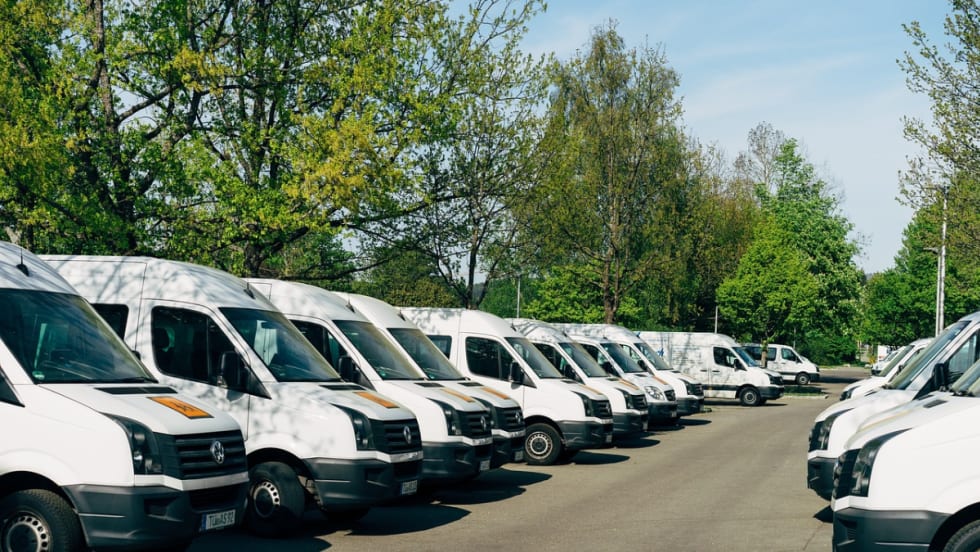
Fleet Simplification is the Antidote to Asset Variability
Fleet simplification identifies asset functions to uncover commonality among the equipment and assets. Simplification increases operational efficiency as end-users become accustomed to the controls, displays, and operation of less diverse units.
Read More →
The Dangers of Static Fleet Policies
A fleet policy is a living document, flexible enough to adapt to evolving business priorities, developing industry trends, and changing industry best practices and standards.
Read More →
Short-Term vs. Long-Term Cost Reductions
Corporate procurement staff are often driven by short-term, immediate cost reductions. However, a longer perspective to soft cost savings is critical because fixating on short-term results will hurt a company in the long run.
Read More →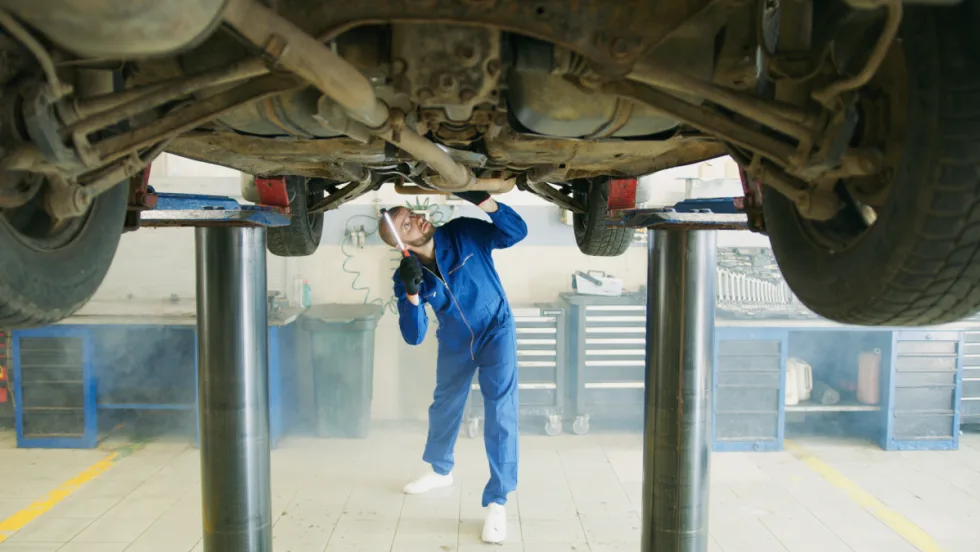
Uptick in Unscheduled Maintenance Increasing Vehicle Downtime
Fleet data analysis can identify recurring downtime issues. It’s important to determine the root causes of downtime so procedures can be developed to minimize such problems.
Read More →
Eliminate Needless Curb Weight to Maximize ICE & EV Efficiencies
Vehicle weight relates directly to fuel economy. In today’s era of electrification, there is also a direct correlation between vehicle weight and battery range.
Read More →
Tech Dependence Risks Dumbing Down Fleet Manager Expertise
The line between creative thinking and problem solving and doing what the data indicates is thin. To lead in fleet management, you need to balance understanding the fundamentals and embracing what smart technology offers.
Read More →
Leverage the Synergy of Safe Driving to Achieve Sustainability and Cost Goals
Safe driving, emission reductions, and cost containment can all be achieved at the same time.
Read More →
The Playbook for Fleet Manager Success
There are many paths to success — most of them involve being flexible, open-minded, and willing to learn.
Read More →