




The Evolution of Fuel Management
Advancements in technology have significantly impacted the ability for fleet managers to track fuel use and spending to make their operations more efficient and cost-effective.

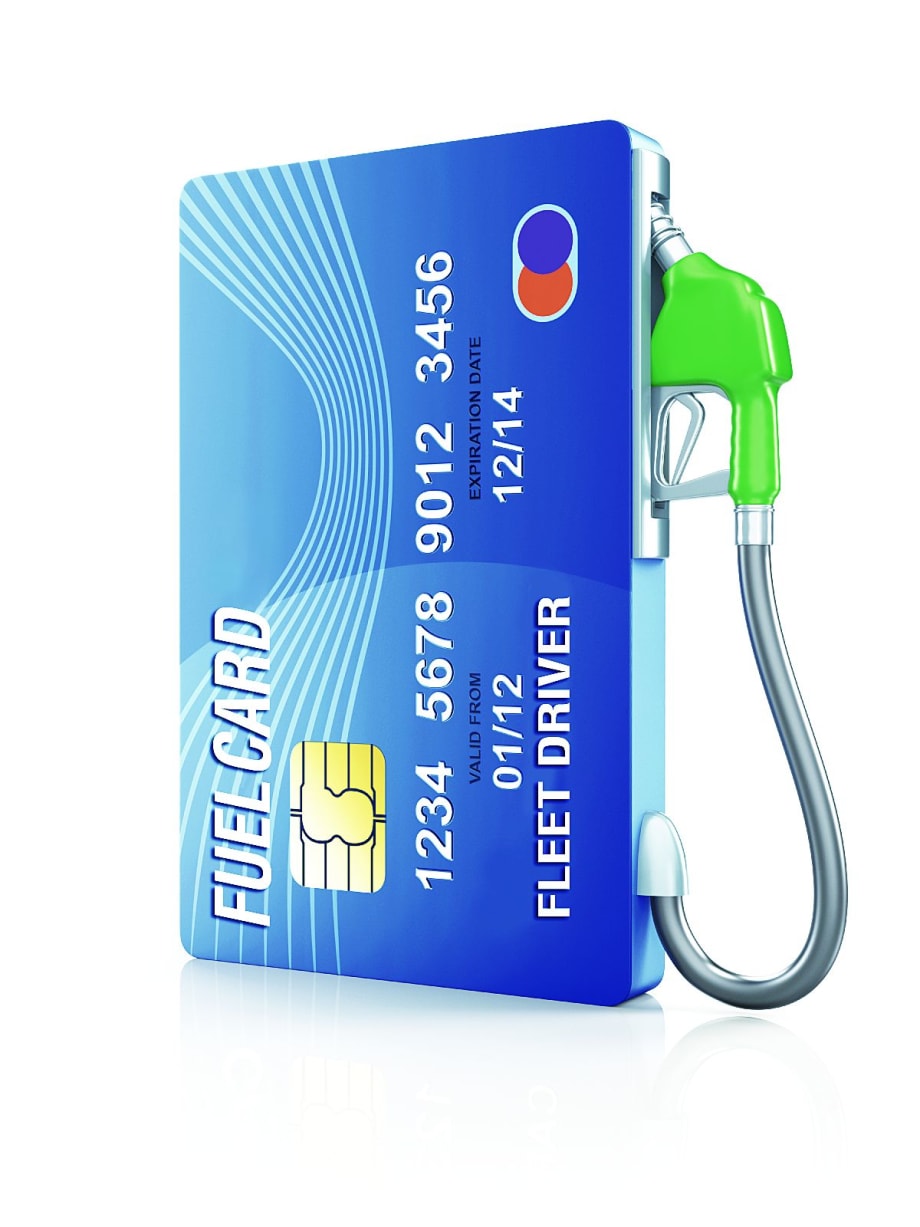
Fleet drivers used general purpose cards to purchase fuel until the early 1980s when the concept of fuel cards came about. These new cards provided much more data that fleet managers could use to track spending, consumption, and efficiency.
Fleet drivers used general purpose cards to purchase fuel until the early 1980s when the concept of fuel cards came about. These new cards provided much more data that fleet managers could use to track spending, consumption, and efficiency.
In this day and age, having to physically go inside a convenience store at a gasoline station would be considered an inconvenience if it were the only option available. But, just a few decades ago, it was the norm.
It wasn’t until the 1980s when electronic banking started taking off in the U.S. that oil companies and gasoline stations started moving to the electronic side of business as well. For WEX Inc.’s founder, A.R. Wright, he saw that as an opportunity, according to Mike Dubyak, WEX president, CEO, and chairman.
“He took an ATM and hooked it up to gasoline pumps on an island where someone could put a card in and activate the pump and pump fuel,” Dubyak said.
Tools used by gasoline stations and oil companies to monitor fuel transactions in those early days were a far cry from technology available today.
“Embossed cards were ‘zip-zapped’ through an imprinter, and then someone would send that ticket off to a processing center where someone else would process it,” Dubyak recalled. Ticket information was limited to location, date, and dollar amount.
This method wasn’t exactly the most effective way to track fuel use — one of today’s largest fleet expenses. During this decade, fuel management and fuel card use started becoming more commonplace.
“Back then, fuel management was really just managing invoices and paying for fuel. Customers were using credit cards, but there really wasn’t any universal card,” explained Randy Morgan, executive VP of sales for Comdata.
Avoiding Lines and Paper
The concept of fuel cards originated in the early 1980s with such pioneers as Comdata, which launched its fuel card in 1981 at approximately 10,000 truck stops.
“The industry adopted it very well. People were just amazed they could see and manage real-time fuel transactions,” Morgan said. “They were using credit cards and cash before, but there really wasn’t a universally accepted card until then. They started to understand what they didn’t know before, which was driven by the real-time data.”
According to Morgan, that was the foundation of Comdata’s MasterCard fleet card. “We gave customers knowledge and tools on how to manage their fuel spend that they didn’t have before,” he said.
The transaction processes were electronic, but reporting was still paper-based back then. “It was a lot of paper; it was a different time back then,” he continued. “Back in the 1980s, we had the availability to connect someone to real-time connectivity. Fax was an important delivery tool back then. Being able to fax someone fueling information on a daily basis was crucial to business.”
Fuel data became much more specific once oil companies started rolling out electronic capabilities in the late 1980s at their gasoline stations, moving away from the paper-based imprinter and rolling out point-of-sale electronic devices inside the store or the kiosk that accepted Visa or MasterCard. The challenge for fleet cards was the fact that there were more than 150,000 gasoline stations.
Companies such as WEX, which introduced its fleet fuel card in 1983, worked with oil companies to embed specifications to capture data elements such as odometer reading; driver ID or pin number; and date, time, and dollar amount of fuel purchased.
“We were part of this electronic movement happening in the country to have gas stations embed an electronic spec that could now provide fleet card fuel management well beyond the general purpose credit card,” Dubyak said. “We also were able to convince fleet leasing companies to become partners of ours, and the fuel card became one of those services provided to fleets by us through the top fleet leasing companies.”
In the mid-1990s, fleets were able to increase driver productivity with pay-at-the-pump services.
“Pay-at-the-pump was great for fuel management,” Dubyak noted. “The driver could drive in, fuel up with a fuel-only card or one restricted to automotive services, and leave the station without ever going inside the convenience store. So, that was a key electronic convenience capability and achievement encompassing all the different data elements that fuel management cards like ours require at the pump.”
Online became the next big technological capability, helping large fleets avoid countless pages of paper.
“They can customize through online capabilities because technology continues to be enhanced. Electronic capabilities made it more efficient for fleet customers to manage their fuel requirements themselves,” Dubyak said.
More Fuel
Fuel Prices Surge in September | September Fuel Update
September brought major fuel price swings, including diesel crossing $6 a gallon. Here’s how gas and diesel prices changed throughout the month, and where they stood heading into October.
Read More →
Turning Fleet Payment Data into Executive Insights
Ramel Lindsay of U.S. Bank Voyager discusses how fleets can transform payment and transaction data into actionable intelligence to reduce costs, improve oversight, and support executive decision-making.
Read More →
Why the IRS Raised Its Mileage Rate in the Middle of 2026
Fuel-price volatility drove the rare increase to 76 cents per mile, the fifth midyear adjustment since 2000.
Read More →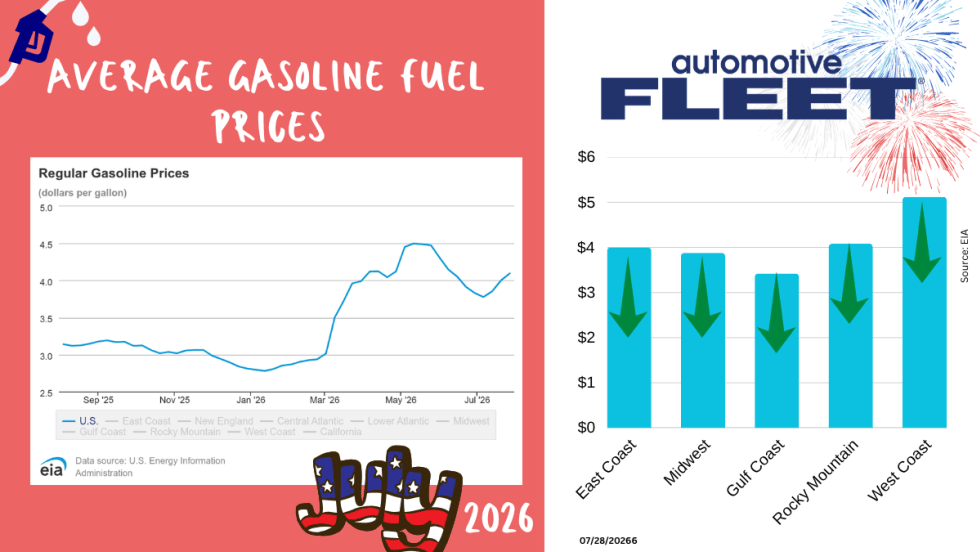
July Fuel Update: Prices Keep Rising in Light of More Conflict
Gas prices continue to rise as more and more conflicts do, too.
Read More →
Bob Adamsky on Fuel Volatility: "Don't Panic, Have a Plan."
When it comes to up and down fuel prices, Adamsky has a message for fleets: “Don’t panic.”
Read More →
How Fleets Can Gain Control of Non-Fuel Spend
Fuel often gets the spotlight, but non-fuel expenses can have a major impact on fleet costs. Ramel Lindsay of U.S. Bank Voyager discusses how fleets can gain better visibility and control over these often-overlooked expenditures.
Read More →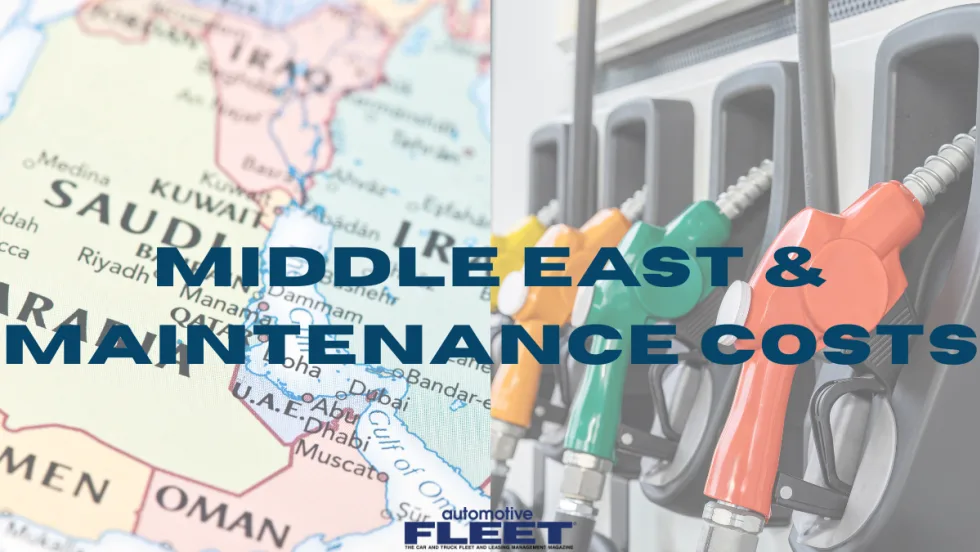
Fuel is Just the Start: How Middle East Tensions are Driving Up Fleet Maintenance Costs
The Middle East conflict is doing more than pushing up fuel prices. It’s also raising the cost of key maintenance products your fleet depends on, from motor oil to tires to windshield wipers. Here’s what you need to know about this budget-busting situation.
Read More →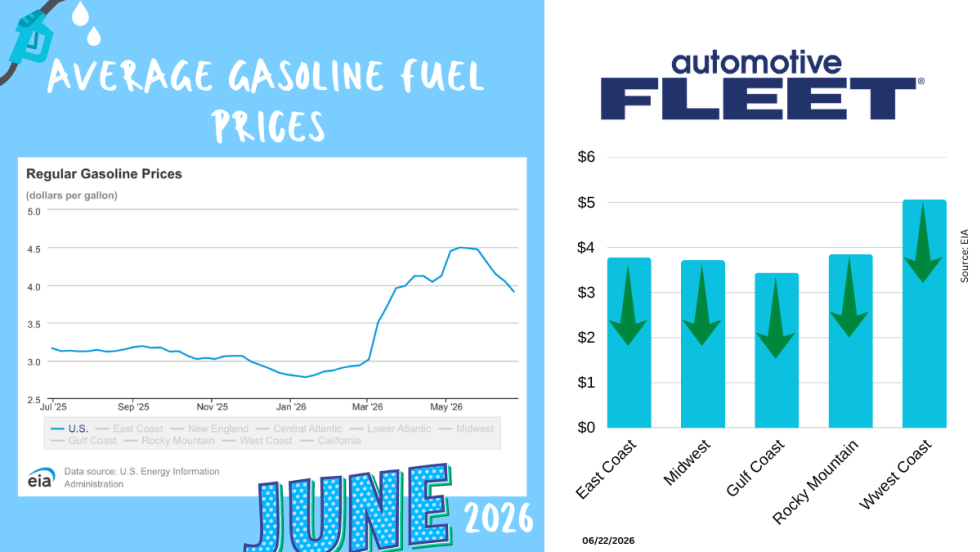
June Fuel Update: Prices Fall Below $4
Drivers are finally getting some relief at the pump. The national average gas price has dropped below $4 a gallon for the first time in months, with prices falling in 47 states as oil markets react to developments in U.S.-Iran negotiations.
Read More →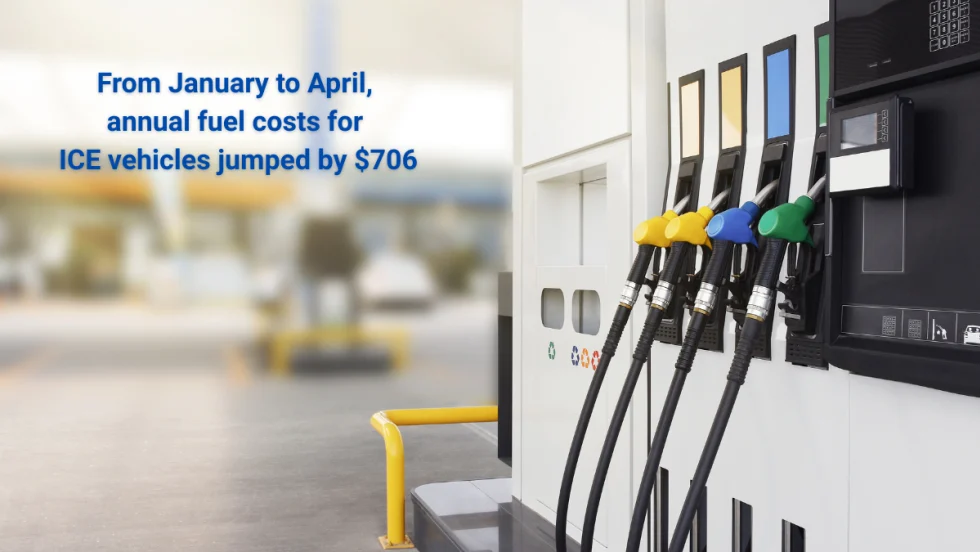
Study: How 2026's Gas Price Hikes Affect Different Vehicle Types
New data from iSeeCars reveals how rising fuel costs have affected different vehicle segments as gasoline prices climbed nearly 46% over the past four months.
Read More →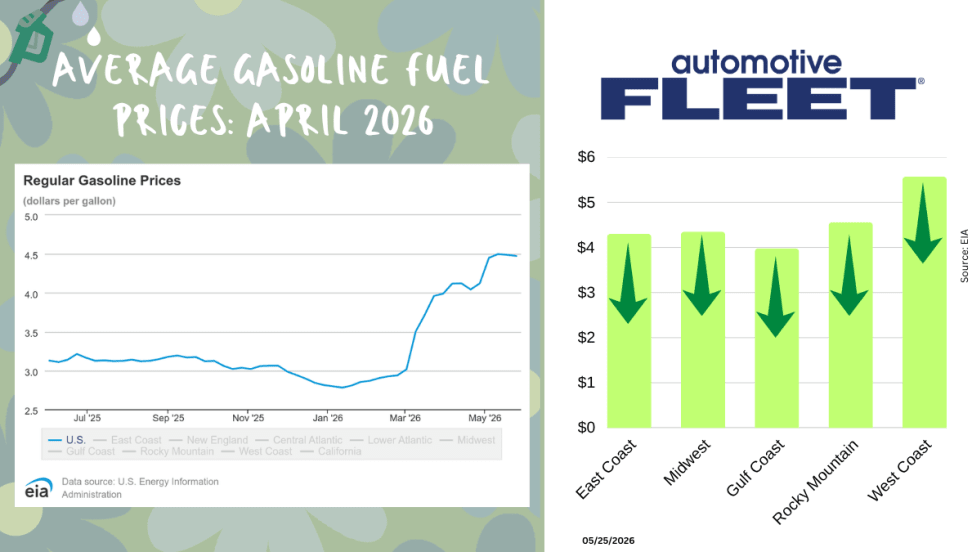
May Fuel Update: All Regions Experience Declines
Gas prices are finally easing in much of the country, but experts warn global tensions could quickly reverse the trend as the national average remains well above last month’s levels.
Read More →