




2011 Duramax 6.6L Turbo Diesel Now Biofuel-Capable
Powering the redesigned 2011 Chevrolet Silverado and GMC Sierra heavy-duty pickups and Chevrolet Express and GMC Savana full-size vans, the revised engine will offer B-20 capability and meet strict ASTM standards.

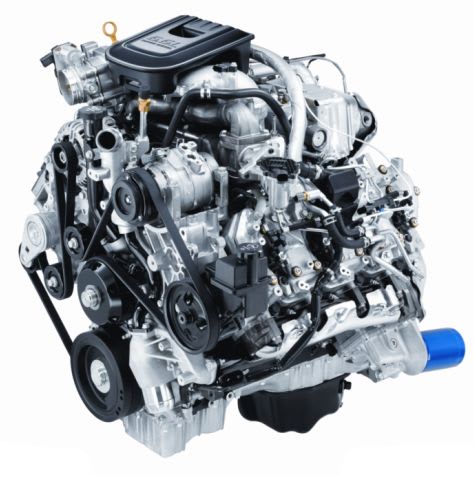
2011 Duramax Diesel 6.6L V-8 Turbo for the Chevrolet Silverado.
Photo: General Motors
General Motor’s 2011 heavy-duty diesel pickups will feature B-20 biodiesel capability. The alternative fuel is a blend of 20-percent biodiesel and 80-percent conventional diesel, which helps lower carbon dioxide emissions and lessens dependence on petroleum, according to GM.
The revised Duramax 6.6L turbo-diesel engine meets strict new emissions standards effective this year. It will power the redesigned 2011 Chevrolet Silverado and GMC Sierra heavy-duty pickups, as well as the Chevrolet Express and GMC Savana full-size vans.
“B-20 capability in our new heavy-duty trucks is the latest addition to a growing number of alternate fuel options offered by GM,” said Mike Robinson, vice president, environment, energy, and safety policy for General Motors.
GM is currently seeking different paths to fuel solutions to maximize efficiency, reduce emissions, and minimize the dependence on petroleum, continued Robinson.
Fuel Validated & Approved
Extensive testing and validation was performed on the Duramax 6.6L, using B-20 that meets American Society for Testing and Materials (ASTM) International standard D7467, which covers biodiesel blends between B-6 and B-20.
“Strict testing and validation was performed to ensure the new engine is B-20-capable; however, approved biodiesel is the only way to guarantee engine performance and longevity,” said Coleman Jones, GM biofuels implementation manager.
To make the Duramax 6.6L and its fuel system compatible with B-20, GM upgraded seal and gasket materials to withstand biodiesel’s ester content and included an upgraded fuel filter that features a coalescing element. According to GM, the filter improves the separation of water that may be present in the fuel, because biodiesel can attract and absorb water. More powerful fuel circuit heating was added to reduce the chance of fuel gelling or waxing that could plug filters.
The Duramax 6.6L’s diesel particulate regeneration system features a downstream injector that supplies fuel for the regeneration process, reducing potential oil dilution.
Biodiesel Use to Grow
Biodiesel is a domestically produced, renewable fuel made primarily of plant matter — mostly soybean oil in the U.S. In pure form, biodiesel lowers carbon dioxide emissions, according to GM.
Estimates by the National Biodiesel Board (NBB) indicate about 700 million gallons of biodiesel were produced in 2008 — up from about 500,000 gallons in 1999. Market fluctuations caused production to decrease in 2009, but it is expected to rise with additional government mandates and the availability of approved vehicles, such as the 2011 Chevrolet Silverado and GMC Sierra heavy-duty trucks.
The new Duramax 6.6L is covered by GM’s 5-year/100,000 mile powertrain warranty.
Originally posted on Work Truck Online
More Operations

Company Vehicle or Reimbursement? How Fleets Are Rethinking Assignments
As fleet costs and insurance pressures rise, fleet managers are taking a closer look at which employees need company-provided vehicles and when a reimbursement program may make more sense.
Read More →
Fleetio, ASE Launch Scholarship Program for Automotive Technicians
The second annual program will award 15 scholarships totaling $35,000 to support ASE certification, testing fees, and equipment costs.
Read More →
Reading the Global Signals: What AI and the Energy Transition Mean for Fleets Now
How can fleet managers navigate a never-ending, changing industry landscape?
Read More →
90% Use Telematics. Are Fleets Getting Safer? | AF News Recap
This week, we're breaking down which industries have the highest rates, how Jamie McKay manages 2,400 vehicles, what's happening with the 2027 fleet awards, and why software-defined vehicles could introduce new costs.
Read More →
What's Best Handled by an FMC, and What's Better Done Directly?
Fleet managers continue to rely on FMCs for essential services but are taking a closer look at where working directly with suppliers can improve efficiency and responsiveness.
Read More →
Fleet Meets: Erin Gilchrist
Meet Erin Gilchrist, the inaugural Mike Antich Spirit of Fleet Award winner, as she shares insights on leadership, mentorship, the power of industry connections, and why people remain at the heart of fleet's future.
Read More →
How 2026 Fleet Visionary Jamie McKay Manages 2,400 Vehicles Across 37 States
How do you keep 2,400 vehicles running across 37 states? Fleet Visionary Award winner Jamie McKay shares how collaboration, flexibility, and a few simple strategies help her tackle fleet management challenges at Aptive Pest Control.
Read More →
Managing Fleet Costs in an Era of Permanent Volatility
Fleet operating costs have risen more than 20% since 2020, raising a key question: When does extending a vehicle's service life stop making financial sense?
Read More →
The Next Evolution of Fleet Management: Autonomous Operations
This opening keynote session at the Fleet Forward Conference highlights the future of autonomous driving for fleets.
Read More →
How to Reduce the Total Cost of Risk From Catalytic Converter Theft
A stolen catalytic converter can cost fleets far more in downtime and lost productivity than in repairs. A total-cost-of-risk approach can help fleet managers quantify their exposure and prioritize theft prevention.
Read More →