




Is Your Personal Use Chargeback Too Low?
More than 91 percent of commercial fleets in the U.S. allow employees personal use of company-provided vehicles, according to a 2004 survey conducted by the National Association of Fleet Administrators (NAFA).


More than 91 percent of commercial fleets in the U.S. allow employees personal use of company-provided vehicles, according to a 2004 survey conducted by the National Association of Fleet Administrators (NAFA). With personal use so prevalent, have you asked yourself how much personal use costs your company? Likewise, ask yourself whether you are charging employees too much or not enough for personal use. Currently, the average monthly charge to employees ranges from $70 to $90 per month. But is this enough?
The reason I ask is that in the past year, the cost of fuel has increased approximately 30 percent and it doesn’t appear to be receding anytime soon. The cost of fuel is a key factor to consider when deciding whether you need to increase your company’s personal-use chargeback. One fleet, that wished to remain anonymous, is increasing its chargeback by 30 percent, primarily because of the increased cost of fuel. Another factor making personal use more costly has been the decline in used-vehicle resale values, which started in 2001 and is only now, four years later, beginning to edge upward. The increased mileage from personal use has a direct impact on resale.
Sixteen percent of an average fleet’s total miles driven are for personal use, according to the NAFA survey. A vehicle depreciates in value for each additional mile driven, particularly those miles exceeding normally accepted non-business annual mileage, which is 12,000 to 15,000 miles. As a result, there is a cost correlation between the number of personal miles driven and the ultimate resale value of the vehicle. A commercial fleet intermediate sedan averages 24,720 miles per year (Nov. 2004 AF operating cost survey). At the average personal-use rate of 16 percent, a typical fleet sedan will average an additional 3,960 miles per year as a result of personal use. In addition, personal mileage shortens the vehicle life by making it reach its optimal mileage for replacement earlier. Commercial fleets, on average, keep intermediate sedans in service for 33 months (68,145 miles). A typical fleet vehicle averages almost 4,000 personal miles per year, which means approximately five months of a vehicle’s 33-month service life have been driven for personal use.
Sharing the Cost
A company’s cost for personal use depends on the method used for charging the employee. If the value of personal use is imputed as income, the employer does not recover any of the cost for personal use. However, if the employer and employee share the cost of personal use under a payment program, a fleet can significantly reduce its vehicle depreciation expense and incremental operating cost. Most fleets (83 percent) charge employees for personal use to help recoup the increased fleet cost. The most common personal-use chargeback method is a single flat monthly fee, followed by a per-mile charge at an average of 32 cents, most often deducted from an employee’s salary.
End-of-the-Year Headache
Personal use occurs when an employee uses a company vehicle for private transportation not associated with authorized company business. The IRS requires every business to measure and report as income the extent of an employee’s compensation associated with the personal use of a company-provided vehicle, including the value of company-paid fuel. The process of calculating personal use taxable benefits is an end-of-the-year headache for most fleet managers. It is also costly for the company’s bottom line by requiring significant program administration. Currently, internal costs for a personal use taxable benefit program ranged from $32 to $70 per year per vehicle. Your company’s policy should comply with all federal tax requirements. This requires that employees report vehicle usage to their employers, properly compute personal use of the company-provided vehicle, and comply with the associated payroll tax requirements.
Your fleet manager’s responsibility is to protect your company from tax problems associated with unreported personal use. What should be done with drivers who don’t report mileage? The most common remedy is to assess a default amount. Some companies use 100 percent of the Annual Lease Value and leave it to the driver to claim a business use deduction on his or her personal income tax return. Should you refund the driver if personal use is underutilized? Likewise, should you charge the driver more if personal use is overutilized? To deal with these issues, some companies use a tiered chargeback system consistent with the value of the vehicle and the typical amount of personal-use mileage. It is important to periodically audit driver statements of personal-use mileage to ensure compliance and that drivers are keeping accurate business records of miles driven. If you haven’t done so recently, now may be the right time to re-examine your chargeback system to determine whether it is adequately recouping your company’s expense for personal use of employer-provided vehicles. You may be in for a surprise.
Let me know what you think. mike.antich@bobit.com
More Operations
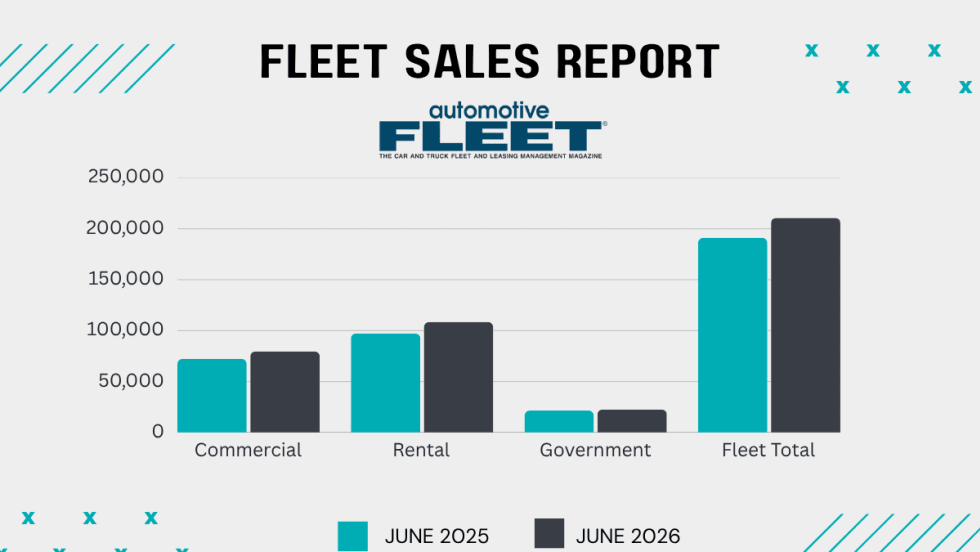
Commercial Fleet Sales Contribute To June, YTD Gains
The fleet sector has boosted its vehicle purchases at a reliable pace in the first half of this year compared with 1H 2025.
Read More →
What Fleet Managers Really Want From Vendors
From customer service frustrations and technology breakdowns to RFQs, change management, and the growing impact of turnover across the industry, this conversation pulls back the curtain on the real operational challenges fleet managers are navigating every day.
Read More →
Fleet Safety Masterclass: Industry Leaders on Storytelling, Strategy & Innovation
In this special masterclass episode, industry leaders break down what it really takes to build safer fleets in today’s increasingly distracted and data-driven world.
Read More →

Integrating Legacy Fleet Systems and Historical Data
In this episode, we bring together fleet and technology leaders to unpack the realities of data integration, system migrations, and the evolving role of AI in fleet management.
Read More →
From Resistance to Results: Change Management Strategies for Fleets
From new technologies and safety programs to evolving regulations, fleets are under constant pressure to adapt. But as Dr. Betz explains, success isn’t about the system you implement—it’s about whether your people actually use it.
Read More →
Where We're Headed: A Practical Look at AI in Fleet
Discover how AI is actually being deployed in fleets, not just marketed, including practical use cases and emerging risks.
Read More →
How Coca-Cola United Protects Its Fleet from Growing Legal Risk
Growing legal exposure can put fleets at risk. Here's one company's approach.
Read More →
Fleet Managers Think They Understand Their Costs. The Data Says Otherwise.
Most fleet managers say they have a strong handle on their costs, but new research from Bobit Business Media tells a different story. A 2026 survey of 190 fleet professionals reveals a widespread "confidence gap" where fragmented systems, disconnected data, and delayed reporting are leaving major blind spots hidden beneath the surface. Find out what the data actually shows.
Read More →
Cameras, Safety and Insurance: From Reactive Claims to Real-Time Prevention (Part 2 of 2)
Part Two: Commercial auto remains one of the most challenging and costly lines of coverage for fleet operators and insurers alike. Continue learning more about how to effectively address these issues from Onur Aksan, Enterprise Business Development Executive, Geotab
Read More →
New Trucks, AI & Summer Downtime | AF News Recap
From new truck updates to AI-powered driver coaching and summer maintenance tips, this week's fleet headlines are all about keeping things moving.
Read More →