




EPA Testing Results on Propane Autogas Ford Transit
In a recent Environmental Protection Agency emissions test, the Ford Transit showed dramatic reductions of harmful emissions while performing on propane autogas when compared to the same engine operating on gasoline.

Photo of Ford Transit courtesy of Ford Motor Co.
In a recent Environmental Protection Agency emissions test, the Ford Transit showed dramatic reductions of harmful emissions while performing on propane autogas when compared to the same engine operating on gasoline.
What is the Significance of EPA Testing?
EPA testing is required for any alternative vehicle fuel system operating in the United States. Without this complex certification process, alternative fuel manufacturers and vehicle operators would be liable for emissions tampering on vehicles, which can result in significant fines. Not only does this process look at tailpipe emissions directly, but also builds in emissions deteriorations factors to 120,000 miles, meaning the emissions standard will be met for the entirety of a typical vehicle’s lifecycle.
The Results
Through this rigorous EPA testing protocol, propane autogas has clear, proven benefits over gasoline:
Reduces carbon monoxide (CO) by 79.45%
Reduces carbon dioxide (CO2) by 22.39%
Reduces nitrogen oxide (NOx) by 42.31%
Reduces non-methane hydrocarbons (NMHC) by 53.97%
Why Should This Matter to Your Fleet?
With more and more companies mandating sustainability goals for their companies, fleets can be confident that propane autogas is a measurable and legal way to comply with these initiatives. This, compiled with the addition cost savings of operating on propane autogas, make it a viable alternative fuel that fleets can take advantage of right now.
As Stuart Weidie, President of Alliance AutoGas, notes, “Propane autogas helps company owners and fleet managers produce immediate results for their sustainability programs – and reduces operating costs at the same time.”
For more about Alliance AutoGas visit www.allianceautogas.com.
* Emissions testing conducted on a 2015 Ford Transit equipped with 3.7L port fuel injected engine. Testing conducted at Roush Laboratories at average temp 76.15 °F, April 2, 2015 with an odometer reading of 2,088 miles.
More Green Fleet
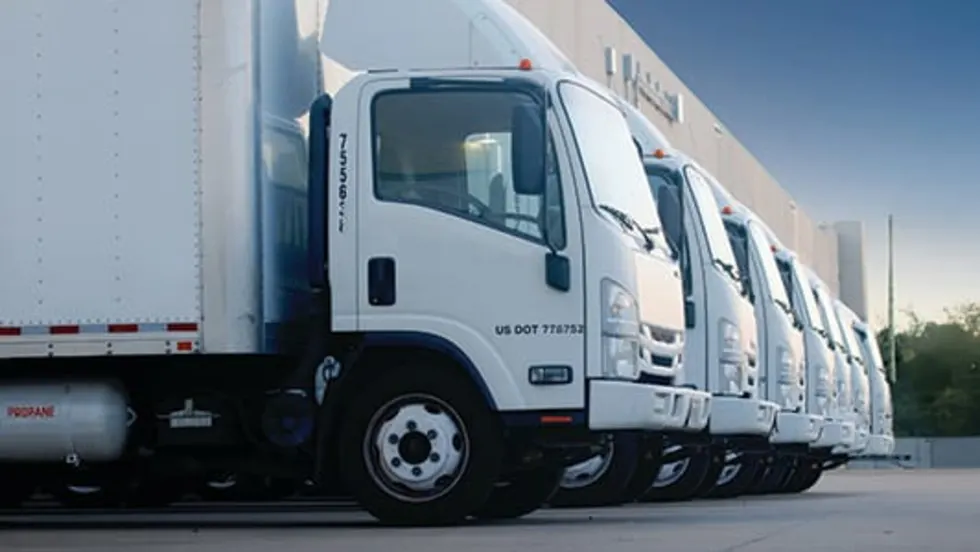
New Propane Autogas Program Offers Fleet Compensation
Qualified commercial fleets can receive $7,500 per eligible propane autogas vehicle and up to $10,000 for new refueling site prep. Learn how the program works and see whether your fleet qualifies.
Read More →
EV Charging Use Is Outpacing Infrastructure Growth
ChargePoint’s 2026 Charging Forward Report points to rising charger use, higher-powered charging, commercial vehicle electrification, and energy-management technology. Here’s what fleets should know.
Read More →
Merchants Fleet Reports 290M EV Miles as Fleets Navigate Changing Electrification Market
From millions in operating savings to hundreds of millions of EV miles, Merchants Fleet’s latest report reveals what’s working and what’s changing in fleet electrification.
Read More →
The EV Breakdown Nobody's Talking About: Why Most Electric Vehicle Roadside Calls Aren't Mechanical Failures
Here's why EV breakdowns are widely misunderstood.
Read More →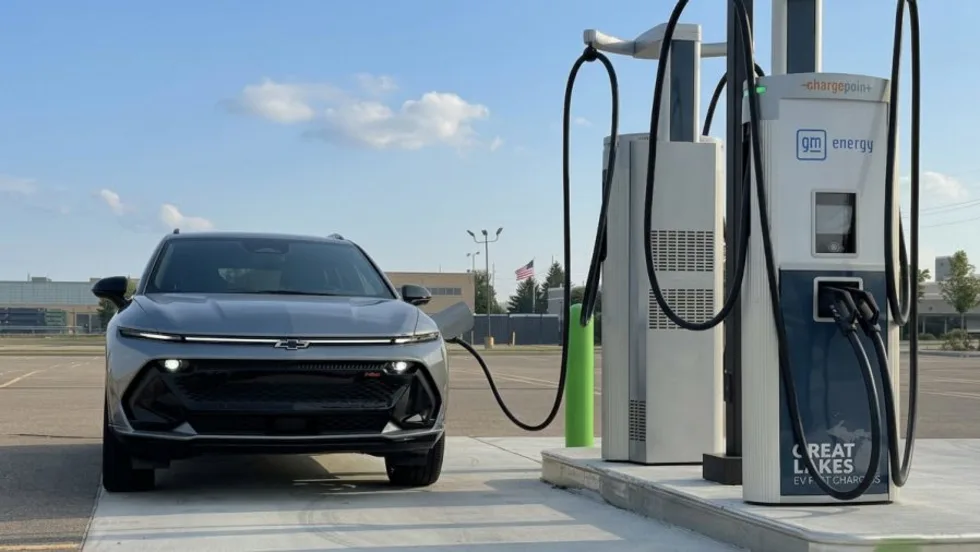
ChargePoint Now Available in Energy Pass
ChargePoint and additional planned charging network integrations were added to GM's Energy Pass.
Read More →

First Look: Slate Auto's Electric Fleet Pickup
Could an affordable, modular EV pickup make electrification more practical for fleets?
Read More →
Slate Debuts Colorful, Unique EV Models
A recent media and client event, studded with electric vehicles dressed up on platforms, planted a new position for the manufacturer in the wider EV market. Fleets will find cost-saving advantages.
Read More →
Slate Electric SUV, Pickup Switchable Model Aims For Light-Duty Fleets
Everything about this EV is counterintuitive and understated, making it stand out from the crowd.
Read More →
Inspiration Mobility Acquires Key Electrada Assets
Inspiration Mobility Group has acquired select assets of Electrada, adding the fleet electrification provider's team, technology, and charging infrastructure development capabilities to its energy management business.
Read More →