




Automatic Braking Cutting Rear-End Crashes
A new IIHS study finds that forward collision warning systems that include automatic emergency braking cut rear-end crash rates by 39%.
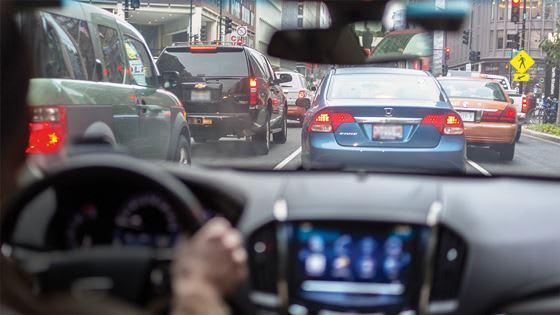
A new IIHS study examines the effectiveness of forward collision warning systems -- with and without automatic emergency braking. Photo courtesy of IIHS.
A new IIHS study examines the effectiveness of forward collision warning systems -- with and without automatic emergency braking. Photo courtesy of IIHS.
Vehicles equipped with both forward collision warning and automatic emergency braking reduce rear-end collision rates by 39% and also reduce rates of rear-end crashes with injuries by 42%, according to a new study from the Insurance Institute for Highway Safety.
Researchers also found that vehicles equipped with forward collision warning alone cut rear-end crash rates by 23%.
The study examines the effectiveness of forward collision warning systems — with and without automatic emergency braking — and relies on 2010-2014 police-reported crash data from 22 states to analyze rear-end crash rates.
“Approximately 700,000 U.S. police-reported rear-end crashes in 2013 and 300,000 injuries in such crashes could have been prevented if all vehicles were equipped with FCW [forward collision warning] with AEB [autonomous or automatic emergency braking] that performs similarly as it did for study vehicles,” the study stated.
Study author Jessica B. Cicchino looked at vehicle models that offered front crash prevention as an optional feature. Included were models from Acura, Honda, Mercedes-Benz, Volvo and Subaru. The crash rates of vehicles equipped with the technology were compared against the crash rates of the same models without the optional front crash prevention.
Additionally, there was a separate analysis of Volvo's City Safety, a standard low-speed autobrake system. City Safety reduces rear-end crash rates by 41% and rates of rear-end crashes with injuries by 47%, the research indicated.
“The success of front crash prevention represents a big step toward safer roads,” said David Zuby, IIHS chief research officer. “As this technology becomes more widespread, we can expect to see noticeably fewer rear-end crashes. The same goes for the whiplash injuries that often result from these crashes and can cause a lot of pain and lost productivity.”
In September, 10 major automakers committed to making automatic emergency braking a standard feature on all new vehicles built. The 10 automakers are Audi, BMW, Ford, General Motors, Mazda, Mercedes-Benz, Tesla, Toyota, Volkswagen and Volvo.
Automatic emergency braking systems use on-vehicle sensors such as radar, cameras or lasers to detect an imminent crash, warn the driver and, if the driver doesn’t take sufficient action, engage the brakes.
To download the study, click here.
More Safety
Geotab Adds AI-Powered Driver Coaching and Fatigue Detection Features
New capabilities include fatigue monitoring, two-way audio, coaching effectiveness analytics and location-based privacy controls for fleet safety management.
AAA Testing Finds Gaps in Intersection AEB Crash Prevention
Testing of four 2026 model-year vehicles found that automatic emergency braking prevented collisions in standardized intersection scenarios, but three vehicles failed to avoid crashes when another vehicle turned into their path.
Which Fleet Types Have the Highest Severe Speeding Rates?
New research from SambaSafety finds significant differences in speeding rates across fleet industries, even as nearly 90% of surveyed fleets report using telematics.

When a Cyberattack Hits Your Fleet: What Happens Next?
“You have two opportunities to test your plans: when you choose or when the threat actor chooses.” A cybersecurity expert reveals what fleet managers need to know before a cyberattack puts their operations at risk — and why the decisions made in the first moments can shape the entire recovery.

Tips for Driving Safely on Halloween Night
This video features a reminder from the Connecticut Department of Transportation (DOT) and the Connecticut Police Chiefs Association, urging drivers to prioritize safety this Halloween.

IIHS Crash Avoidance Tests Reveal Safety Gaps in Cargo Vans and Work Trucks
New IIHS crash avoidance ratings show uneven performance among cargo vans and heavy-duty pickups, with most struggling to avoid vehicle-to-vehicle collisions.

What’s Next for Fleet? Safety, AI & Industry Recognition | AF News Recap
Could your company's culture be encouraging distracted driving? This week, we're exploring how workplace expectations affect driver safety, what AI, EVs, and autonomous vehicles could mean for the future of fleet management, and how fleet professionals can strengthen their award nominations.

Does Your Fleet's Culture Encourage Distracted Driving?
What happens when the people responsible for enforcing safety rules are the ones setting the wrong example? The answer may reveal why some of the biggest risks to fleet drivers have little to do with what's written in the employee handbook.

Fleet Manager’s Ultimate Playbook: Navigating the New Standard in OEM Connectivity
Rising operating costs, driver safety concerns, and unplanned downtime are putting unprecedented pressure on modern fleets. Discover how fleet managers use embedded OEM connectivity and real-time vehicle data to cut TCO, prevent downtime, and protect drivers without aftermarket telematics hardware.

From Driver Well-Being to EV Charging | AF News Recap
Mental health belongs in the fleet safety conversation. This week, we’re looking at five ways fleets can support employee well-being before a crisis, plus Holman’s expansion in Mexico, new one-day Fleet Forward passes, and why EV charging demand is outpacing infrastructure growth.