




Video: Calif. Moving to Ban Driverless Cars
California's Department of Motor Vehicles has proposed tough new rules governing self-driving vehicles, including a proposed ban on driverless cars.
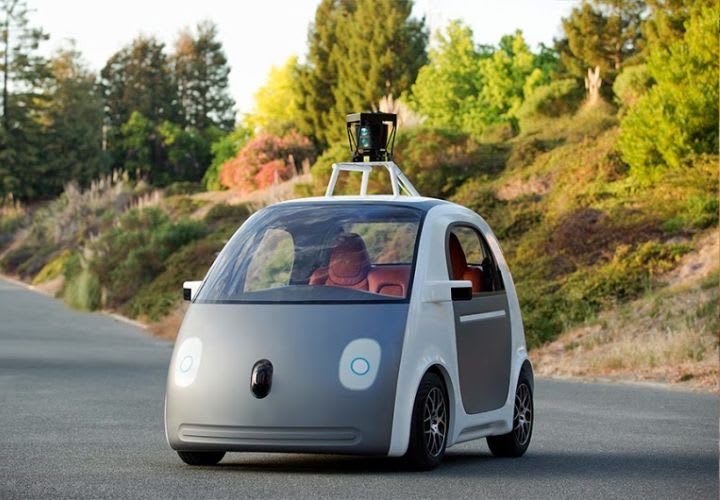
Photo of Google's self-driving car courtesy of Google.
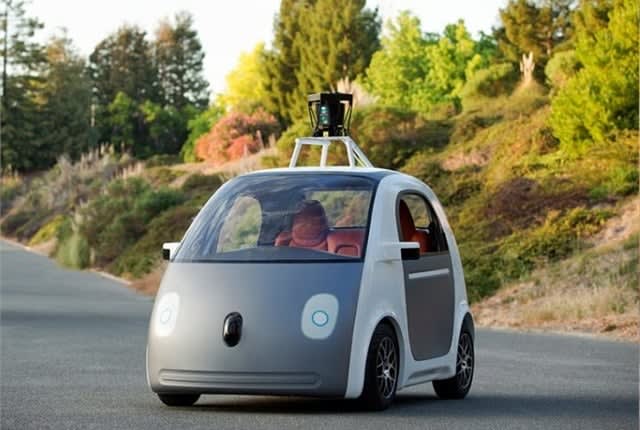
Photo of Google's self-driving car courtesy of Google.
VIDEO: Calif. Drafts Autonomous Car Rules
California's Department of Motor Vehicles has proposed tough new rules governing self-driving vehicles, including a proposed ban on driverless cars, reports the Sacramento Bee.
The DMV unveiled its draft of the proposed rules on Dec. 16 that will be finalized over the coming months. (To view a USA Today video about the draft regulations, click on the photo or link below the headline.)
The regulations would most impact Google's self-driving prototype that doesn't have a steering wheel or pedals by preventing its sale in the state. Traditional automakers have yet to unveil a fully autonomous car.
Tesla Motors and Volvo have rolled out autopilot modes on the Model S and 2016 XC90 that allow a driver to take hands and feet off the wheel and pedals and allow the vehicle to steer and modulate acceleration.
More Safety

NETS Sets 2026 Fleet Safety Benchmark Conference for Indianapolis
The Sept. 15–17 program will feature fleet benchmarking data, case studies, emerging technologies, and implementation strategies while running alongside the NSC Safety Congress & Expo.
Read More →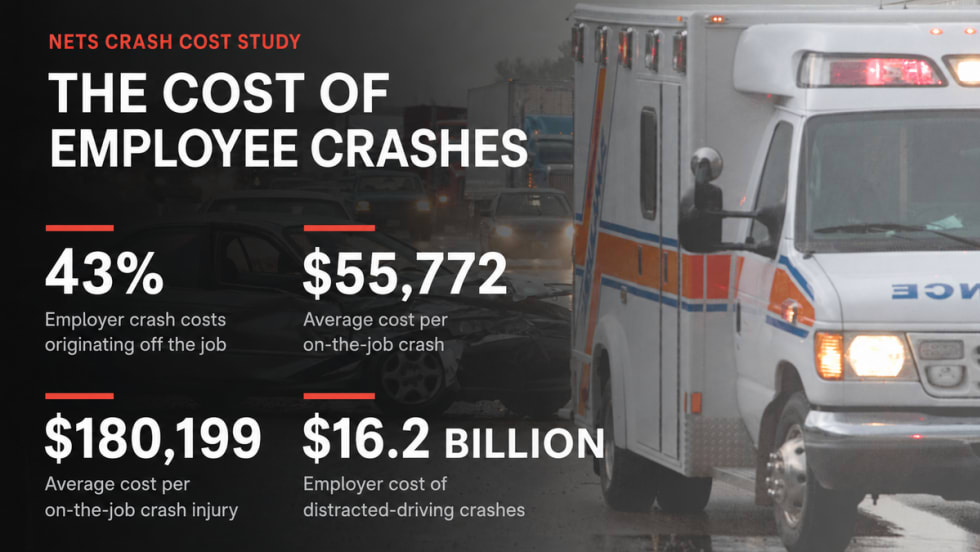
Off-the-Job Crashes Account for 43% of Employers’ $61.7 Billion Crash Burden
NETS quantifies costs dispersed across fleet, risk, HR, and other departments while providing new per-crash benchmarks for employers.
Read More →
Ram Recalls More Than 1.27 Million 1500 Pickups for Seat Belt Anchor Issue
The recall affects certain 2019-2026 Ram 1500 pickups that may have improperly attached second-row seat belt buckle anchors.
Read More →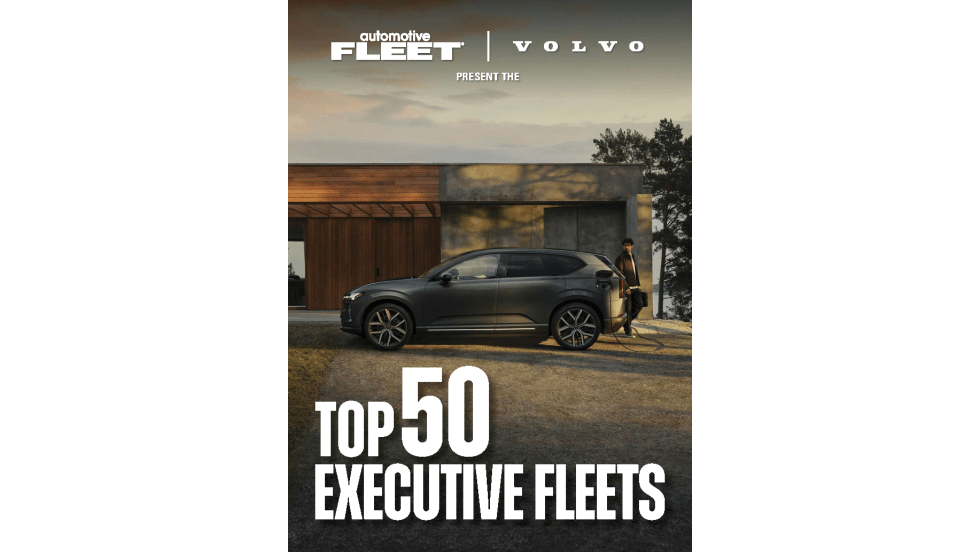
Top 50 Executive Fleets
It is that time of year again! Time for the 2026 list of the Top 50 Executive Fleets, presented by Automotive Fleet and Volvo as part of its annual Fleet 500. Download now to see this year's list of companies!
Read More →
How Better Visibility Cut Speeding Violations by 48%
Fleet leaders don't need more data, they need clearer visibility into what the data is saying. This case study explores how one utility replaced speeding-event counts with a single metric — miles driven in violation — to strengthen safety and significantly reduce speeding violations.
Read More →
Operation Safe Driver Week: Why the Industry's Oldest Safety Campaign Still Matters to Fleets
A look at how a 2007 enforcement initiative became one of the most consequential weeks on the fleet safety calendar, and what it means for your drivers in 2026.
Read More →
Nexar-Nauto Merger Aims to Give Fleets Better Safety Intelligence Through Larger Driving Dataset
Stefan Heck tells Automotive Fleet that combining more than 10 billion miles of driving history with Nexar's AI models will give fleets deeper insights into driver risk and roadway conditions than either company could provide independently.
Read More →
From Silos to Solutions: Relationship Management for Safer Fleets
From telematics adoption and driver accountability to policy consistency and risk mitigation, this episode breaks down what it really takes to build a safer fleet culture without slowing business down.
Read More →
IIHS Launches First Commercial Vehicle Safety Evaluations
The Insurance Institute for Highway Safety has begun evaluating heavy-duty pickups and cargo vans for driver protection. Which models earned top marks?
Read More →
Reducing Risk by Eliminating Phone Use Behind the Wheel
Hosted with the cofounder of Lifesaver Mobile, this episode addresses phone use behind the wheel and how to design a driving environment that actually helps prevents accidents.
Read More →