




Video: 7 Tips for Curbing Distracted Driving
Farmers Insurance offers seven ways drivers can help curb distractions that can compromise driving safety.
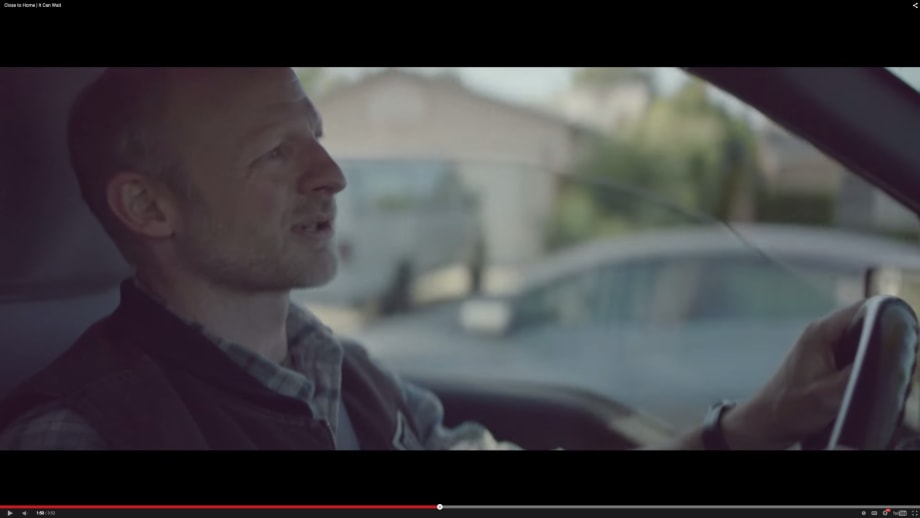
Farmers Insurance offers these seven ways drivers can curb distractions that can take their attention off the road:
1. Don’t be afraid to just turn off your phone.
The text you just received can wait. Try putting your phone in the backseat out of reach, or just turn it off. When you get to your destination, you can read your messages and respond.
2. Organize your stuff and avoid multitasking.
Know where your important stuff is before beginning your drive, so you’re not searching for something while driving. Program your navigation system, get the EZ-Pass out, have your toll money ready, etc., in advance. Multi-tasking while driving takes your eyes and attention off the road.
3. Let your passengers do some of the work.
Taking a road trip with a coworker? Ask your passenger to program the navigation system, find a decent radio station, or text the boss an update.
4. Save the serious discussions for later.
Don’t use a road trip to engage in a conversation likely to cause conflict or stress. That's a recipe for major cognitive distraction. Save the “we need to talk” moments for later, whether the context is personal or professional.
5. Use voice commands and Bluetooth sparringly.
They’re great technologies, but hands-free texting and talking are still pretty distracting, Farmers advises. Your hands may be on the wheel, but your mind and attention are off the road. So use them only when you absolutely must.
6. Use your smartphone to drive safer.
Some people need to use their smartphone’s GPS app in the car, so they can’t just switch the phone off completely. But when you’re driving, try putting your phone on silent. Actually, a lot of modern phones even have a programmable feature that turns off other functions when the GPS is on, Farmers points out. Also, plenty of apps these days can disable texting, send an automated text response, and hold calls while you’re driving. “So poke around your safety settings and app store to maximize your phone’s safety capabilities,” Farmers advises.
7. Make your drive time, quiet time.
“We all need our little Zen moments of the day,” Farmers says. “And while most of us don’t think of drive time as relaxing, remember that it’s OK to turn off the radio, pause the iPod, or ask your passengers to shut it. It can be pretty nice to collect your thoughts and focus on the single task at hand.”
To watch the latest AT&T video in the company's "It Can Wait" campaign, click on the photo or link below the headline. You may want to pass this along to fleet drivers as a friendly reminder.
More Safety

What’s Next for Fleet? Safety, AI & Industry Recognition | AF News Recap
Could your company's culture be encouraging distracted driving? This week, we're exploring how workplace expectations affect driver safety, what AI, EVs, and autonomous vehicles could mean for the future of fleet management, and how fleet professionals can strengthen their award nominations.
Read More →
Does Your Fleet's Culture Encourage Distracted Driving?
What happens when the people responsible for enforcing safety rules are the ones setting the wrong example? The answer may reveal why some of the biggest risks to fleet drivers have little to do with what's written in the employee handbook.
Read More →
Fleet Manager’s Ultimate Playbook: Navigating the New Standard in OEM Connectivity
Rising operating costs, driver safety concerns, and unplanned downtime are putting unprecedented pressure on modern fleets. Discover how fleet managers use embedded OEM connectivity and real-time vehicle data to cut TCO, prevent downtime, and protect drivers without aftermarket telematics hardware.
Read More →
From Driver Well-Being to EV Charging | AF News Recap
Mental health belongs in the fleet safety conversation. This week, we’re looking at five ways fleets can support employee well-being before a crisis, plus Holman’s expansion in Mexico, new one-day Fleet Forward passes, and why EV charging demand is outpacing infrastructure growth.
Read More →
Nexar-Nauto Merger Aims to Give Fleets Better Safety Intelligence Through Larger Driving Dataset
Stefan Heck tells Automotive Fleet that combining more than 10 billion miles of driving history with Nexar's AI models will give fleets deeper insights into driver risk and roadway conditions than either company could provide independently.
Read More →
Don't Wait for a Crisis: 5 Ways to Build Mental Health Into Your Fleet Safety Program
For Suicide Prevention Month, fleet and safety leaders have an opportunity to put mental health where it belongs: at the center of workplace safety.
Read More →
How Camera Data Can Strengthen a Fleet’s Insurance Renewal
Insights from a commercial insurance carrier and a broker show how fleets can turn video telematic data, driver coaching, and improved claims results into a stronger case at insurance renewal.
Read More →
The Safest Fleets Aren’t the Ones with the Most Technology
You’ve made the telematics investment. Here’s how to capture the other half of its value and build the safest fleet on the road.
Read More →
Hidden in Plain Sight: Fleet Compliance Risks
Fleet compliance isn't just about having policies — it's about consistently enforcing them. This practical guide reveals six hidden compliance risks common in public sector and shared fleet operations and outlines proven strategies to improve visibility, accountability, and audit readiness
Read More →
NETS Sets 2026 Fleet Safety Benchmark Conference for Indianapolis
The Sept. 15–17 program will feature fleet benchmarking data, case studies, emerging technologies, and implementation strategies while running alongside the NSC Safety Congress & Expo.
Read More →