




Porsche Becomes First OEM to Use Magnesium Body Panel
Porsche has broken new ground as the first vehicle manufacturer to use a magnesium outer body panel with the roof of its 911 GT3 RS that debuted at the Geneva International Motor Show in March.

Photo of 911 GT3 RS courtesy of Porsche.

Photo of 911 GT3 RS courtesy of Porsche.
Porsche has broken new ground as the first vehicle manufacturer to use a magnesium outer body panel with the roof of its 911 GT3 RS that debuted at the Geneva International Motor Show in March.
The vehicle will include a magnesium roof and carbon-fiber reinforced plastic hood. Porsche has incorporated carbon fiber in the engine and luggage compartment lids. As a result, the RS model is 22 pounds lighter than the 911 GT3.
The 911 GT3 RS is a performance-oriented sports car powered by a 4.0L six-cylinder engine that makes 500 hp and 338 lb.-ft. of torque. The engine has the largest displacement and most power of any naturally aspirated engine with direct fuel injection in the 911 family. The car can accelerate from zero to 60 mph in 3.1 seconds and record 11.2 seconds in the quarter mile on a track.
The 911 GT3 RS will launch in the U.S. in early July. It will retail for $175,900 plus a $995 destination charge.
More Maintenance

When an AI Agent Calls the Repair Shop for Your Fleet
A vehicle’s repair is overdue. An AI voice agent calls the shop for an update and adds the answer to the repair record. ServiceUp’s Brett Dashe explains how it works and where fleet managers retain control.

How Rising Collision Costs Are Complicating Fleet Repair Decisions
When a single replacement part costs 60% more, repairing an aging fleet is a tougher calculation. Robert Martines of Corporate Claims Management explains what's changing.

Fleet Manager’s Ultimate Playbook: Navigating the New Standard in OEM Connectivity
Rising operating costs, driver safety concerns, and unplanned downtime are putting unprecedented pressure on modern fleets. Discover how fleet managers use embedded OEM connectivity and real-time vehicle data to cut TCO, prevent downtime, and protect drivers without aftermarket telematics hardware.

How Can Fleet Managers Tell Which Repairs Require Closer Review?
Fleetio’s Brianna Perry demonstrates how Service Advisor evaluates maintenance requests, identifies pricing anomalies, and provides the context fleet managers need to focus their attention on potential problems.

Why Roadside Assistance Belongs in a Fleet Risk Strategy
Roadside assistance is more than a tow. See how the right partner can protect drivers, uncover fleet trends, and strengthen your risk strategy.

Hidden in Plain Sight: Fleet Compliance Risks
Fleet compliance isn't just about having policies — it's about consistently enforcing them. This practical guide reveals six hidden compliance risks common in public sector and shared fleet operations and outlines proven strategies to improve visibility, accountability, and audit readiness

How Maintenance Costs Compare Across 27 Fleet Vehicles
Vincentric’s three-year, 60,000-mile projections reveal wide differences for both scheduled and unscheduled maintenance among selected vehicle categories. Projected maintenance visits also play a factor.

The EV Breakdown Nobody's Talking About: Why Most Electric Vehicle Roadside Calls Aren't Mechanical Failures
Here's why EV breakdowns are widely misunderstood.

How Stellantis Plans to Get Ahead of Fleet Downtime
Keeping fleet vehicles on the road has become as important as buying them. Darren Bradshaw of Mopar North America explains how connected vehicle data, AI, and proactive service strategies are helping Stellantis reduce downtime and move closer to predictive maintenance.
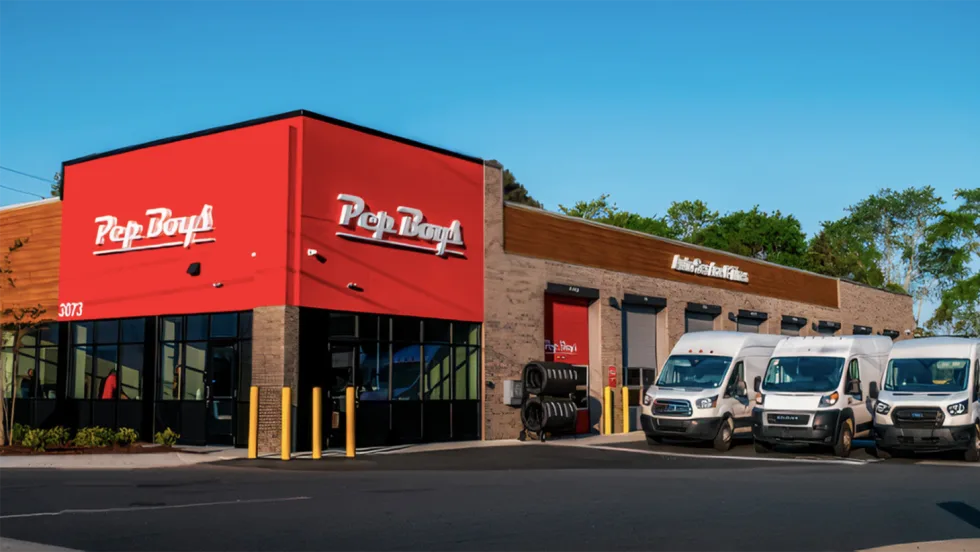
Merchants Fleet Expands Maintenance Network with Pep Boys
Merchants Fleet has expanded its relationship with Pep Boys, increasing the service provider's role within its national maintenance network. The move is intended to enhance maintenance coordination and support commercial fleets through Pep Boys' nationwide footprint.