




DHL Adds Telematics to U.S. Fleet
DHL pick-up and delivery vehicles in the U.S. recently got a technological upgrade. Telematics is rolling out throughout DHL's U.S. fleet of trucks and vans.

DHL is rolling out telematics to its U.S. fleet to help improve its operations and drivers' behavior. Photo: DHL

DHL is rolling out telematics to its U.S. fleet to help improve its operations and drivers' behavior. Photo: DHL
DHL pick-up and delivery vehicles in the U.S. recently got a technological upgrade. Telematics is rolling out throughout DHL's 1,400 U.S. fleet, which is comprised of a variety of models, including Step Vans, Mercedes-Benz Sprinters, Ram ProMasters, and Ford Transit Connects.
The new technology uses a combination of GPS satellite location data and information from the vehicle’s onboard systems to report extremely accurate vehicle activity and performance. According to Greg Miller, director of Fleet for DHL Express U.S., the system captures speed, direction, braking, performance of specific parts as well as components of the engine and drive train are among the systems and operations being measured.
The telematics system, which involved specific customization to fit DHL's needs, was rolled out about six months ago.
The system has "exceeded our expectations," according to Miller. "I predicted that there would be a one-year incubation period, but we've made those goals in the first six months."
Initially, the technology platform will be used to focus on the areas of: fleet utilization to ensure the right vehicle is used for the right route; fleet performance to capture fuel economy and maintenance related information; monitoring of driving habits to promote safe driving behaviors, as well as dispatch and route management to better understand our unique route dynamics and improve dispatch responses.
The two main components of the telematics system include a device that is wired to the vehicle and transmits, in near real-time, 100s of data elements related to vehicle location, performance, and driver behaviors. The other component is a software application that continually analyzes the data to provide meaningful reporting and actionable alerts, according to the company.
While the telematics platform DHL is using has helped the company improve safety, fuel economy, productivity, and customer service, Miller noted that the technology itself isn't a panacea. "Our miles and fuel is down, but it's not telematics doing that; it's because the system is getting management information that it can act on quickly," he said.
Updated: 8/14/2014
More Telematics
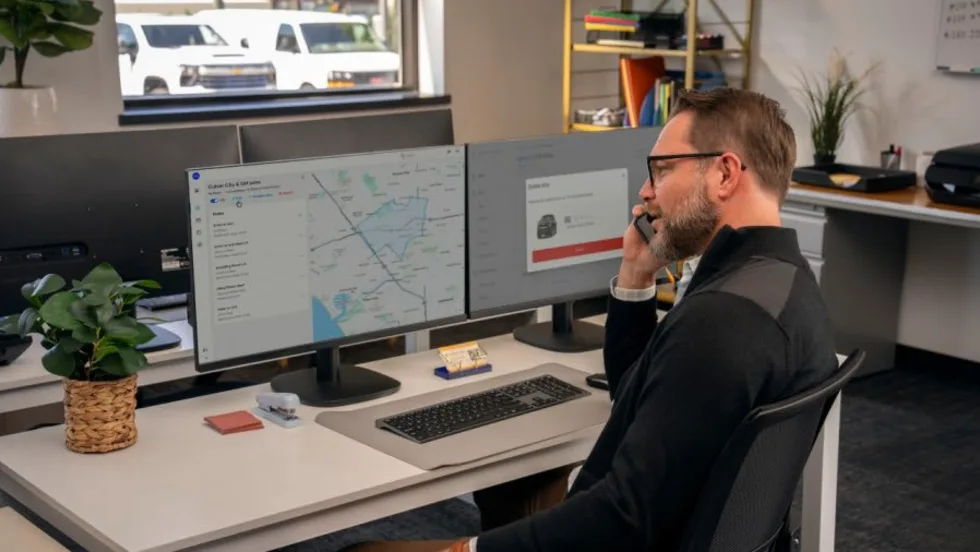
GM Launches OnStar Fleet Intelligence Platform With AI Assistant
The new platform brings vehicle data, order tracking, connected services and fleet analytics into one system, with an AI assistant that can answer fleet questions using natural-language prompts.
Read More →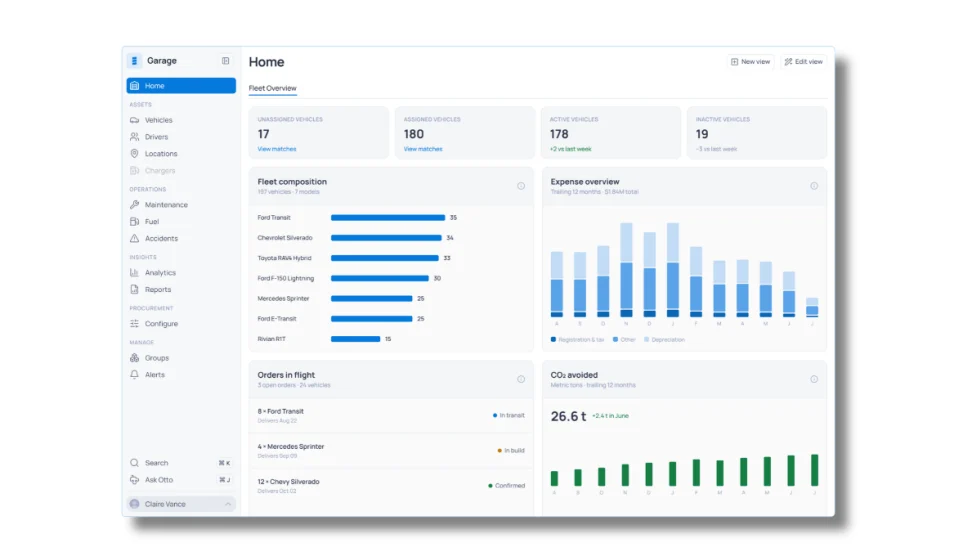
Inspiration Fleet Introduces Garage 2.0 Fleet Intelligence Platform
Fleet managers increasingly have access to data from vehicles, telematics, fuel, charging, and other systems, but those sources don't always communicate with one another. Inspiration Fleet's Garage 2.0 platform brings that information together while letting fleets keep working with different technology and service providers.
Read More →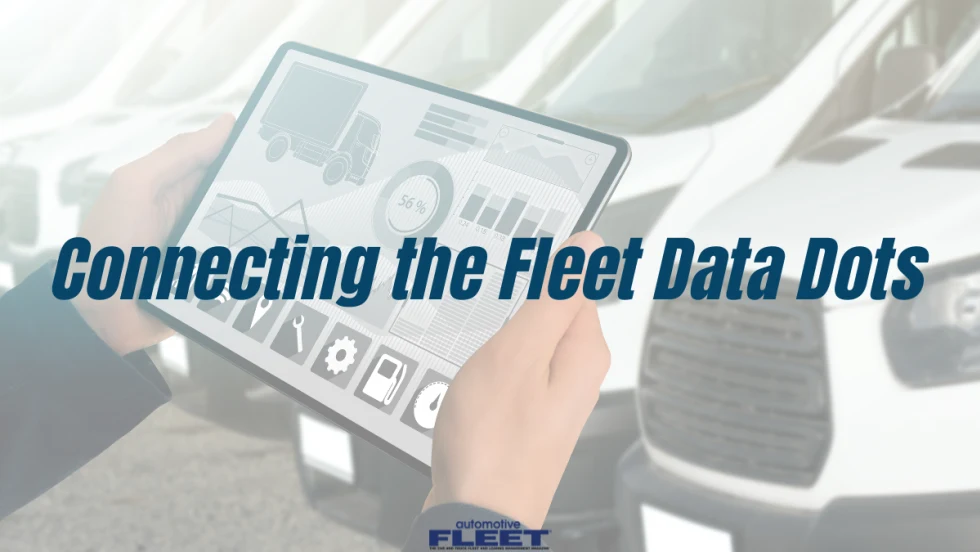
Inside Inspiration Fleet’s New Platform for Connecting Fleet Data
Inspiration Fleet CTO Chris Getner explains how the new Garage 2.0 platform is designed to connect disparate fleet data and what that could mean for fleet managers in practice.
Read More →
Fleet Manager’s Ultimate Playbook: Navigating the New Standard in OEM Connectivity
Rising operating costs, driver safety concerns, and unplanned downtime are putting unprecedented pressure on modern fleets. Discover how fleet managers use embedded OEM connectivity and real-time vehicle data to cut TCO, prevent downtime, and protect drivers without aftermarket telematics hardware.
Read More →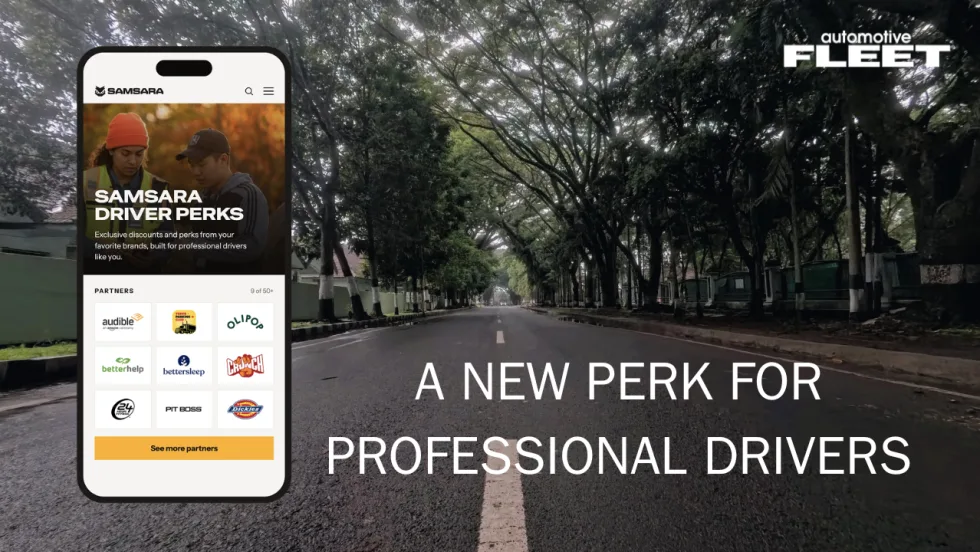
Samsara Driver Perks Adds New Benefit for Corporate Fleet Drivers
The rewards program gives eligible professional drivers access to discounts from more than 50 brands while giving fleets another way to support recruitment, retention, and the driver experience.
Read More →
Inside the Church of Jesus Christ of Latter-day Saints’ Two-Track Telematics Strategy
With 20,000 vehicles and two fundamentally different driver populations, the Church faced a fleet management problem that a single telematics program couldn't solve. How it responded offers a replicable framework for any fleet where one size doesn't fit every driver.
Read More →
How Conversational AI Can Make Fleet Tasks Easier for Drivers
While most generative AI tools help fleet managers interpret data at their desks, Connex2X is applying voice interaction to tasks behind the wheel.
Read More →
Why Fleets Are Creating Dedicated Fleet Analyst Positions
Are fleet analyst positions the new norm? Listen here to find out.
Read More →
Teletrac Navman Begins Next Chapter as Standalone Private Company
What's new with Teletrac Navman and its new owner?
Read More →
Why Fleets Are Creating Dedicated Fleet Analyst Positions
Telematics, AI, EVs, and connected technologies are generating more fleet data than traditional teams can effectively manage. Reed Jackson explains why dedicated fleet analytics roles are emerging to turn that information into better operational decisions.
Read More →