





Related News:Used Vehicles Inventory Mostly Flat As Sales Slow
Tariffs Not Raising New Vehicle Prices So Far
Enough vehicles are sitting on lots as vehicle days’ supply hovers above last year’s levels, and sales volume lingers well below available inventory.
July 11, 2025
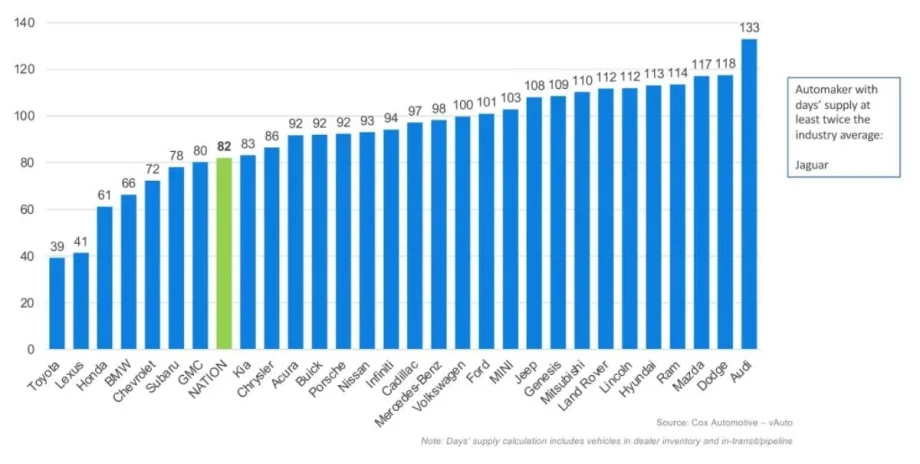
New-vehicle days’ supply reached 82 at the start of July, 12 days higher than the month-earlier measure.
Graphic: Cox Automotive
3 min to read
Everyone is hunting for clear evidence of higher prices on new vehicles driven by tariffs, yet the story hasn’t materialized.
Automakers continue to resist raising the manufacturer’s suggested retail prices (MSRPs) as demand remains tepid and policy has yet to solidify.
Vehicle Inventory Up
New-vehicle inventory has started to grow as next-model-year vehicles (MY2026) appear on dealer lots. However, the volume of these vehicles is still down more than 20% from last year, according to the Cox Automotive analysis of vAuto Live Market View data released July 10.
July opened with 2.83 million new vehicles available on dealer lots across the U.S., representing a 14.5% increase from 2.47 million units measured at the beginning of June, but still 1.4% lower than last year. The supply increase was generally observed across all automakers, with none significantly contributing to the overall rise. Despite this, sales have not kept pace with the increased supply, resulting in new-vehicle days’ supply reaching 82 at the start of July, which is 12 days higher than the month-earlier measure.
Cox Automotive’s vAuto Live Market View days’ supply is based on the estimated daily retail sales pace for the most recent 30-day period. The 30-day sales pace measured at the end of June was mostly flat compared to the previous month — up about 0.5% month over month — but is notably lower than the pace in April and May. Year over year, the June sales pace rose 2.2% from June 2024.
Next-model-year inventory has increased to over 7% of the total, a jump of 95% month-over-month, but is still about 21% lower than what was reported at the same time last year. As tariffs particularly impact luxury makes from Europe, a careful look at those brands suggests BMW continues to differ from its German compatriots in growing its MY 2026 vehicle inventory to over a third of available inventory, while Mercedes-Benz shows under 2% and Audi shows none. The latter two are likely carefully managing shipments of tariffed vehicles.
However, when reviewing the mix of models being replenished on showroom floors, imports of some of the most affordable products seem to have been mostly uninterrupted despite tariff challenges. Some of the biggest increases in stock have been in volume models coming out of South Korea, such as the Buick Encore GX, Chevrolet Trax, and Chevrolet Trailblazer, as well as from Mexico, including the Chevrolet Equinox, Ford Maverick, and Honda HR-V.
New-Vehicle Listing Prices Flat in June
The average new vehicle listing price at the end of June remained flat month over month, down by only $84 to $48,749. Compared to last year, average listing prices were 3.1% higher. Nearly every automaker’s average listing price swung less than 2% higher or lower than the previous month. Interestingly, with new model year inventory, both BMW and Mercedes-Benz show a month-over-month decrease in average listing price. At the same time, Audi has increased despite holding back on the fresher metal.
According to Kelley Blue Book, a new vehicle’s average transaction price (ATP) was $48,907 in June, representing a month-over-month increase of $108. In other words, flat. New-vehicle sales incentives are mainly steady, increasing month over month in June by just 0.1 percentage point to 6.9% of ATP. [The full ATP report will be published on July 14.]
As inventory levels rise and new model year vehicles populate dealer lots, the automotive market finds itself in a delicate balance. Demand has not matched supply growth, pushing days’ supply higher, and average listing prices have mostly plateaued.
With incentives holding relatively firm as well, shoppers can expect a market marked by incremental change rather than dramatic shifts. Tariff negotiations have been kicked down the road for another three weeks, which means it could be the fourth quarter before any sizable increase in overall consumer prices.
For now, patience remains a virtue, and attentive consumers may find value by tracking nuanced movements in pricing and inventory as the year progresses.
More Vehicle Research
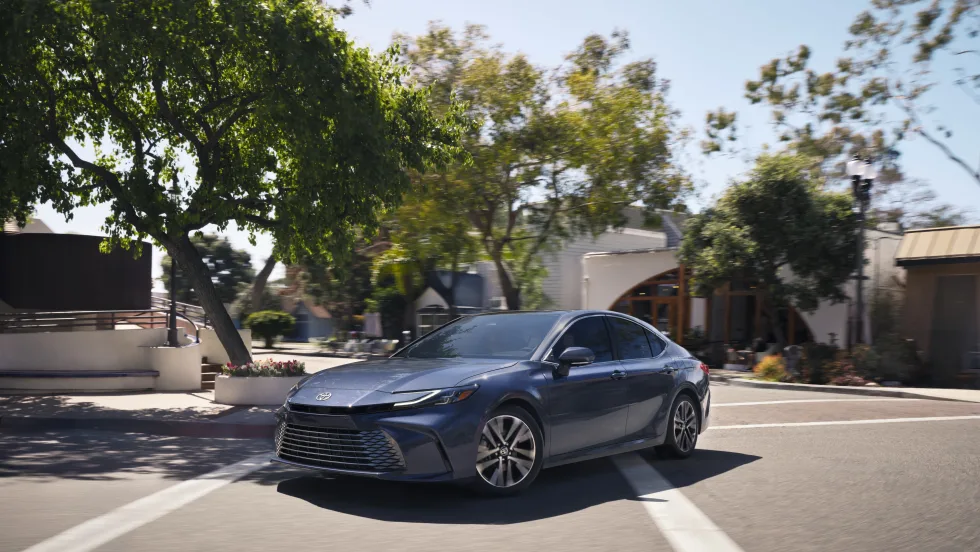
2027 Toyota Camry Offers Hybrid Powertrain Across Five Grades
The 2027 Toyota Camry is a carryover with new pricing.
Read More →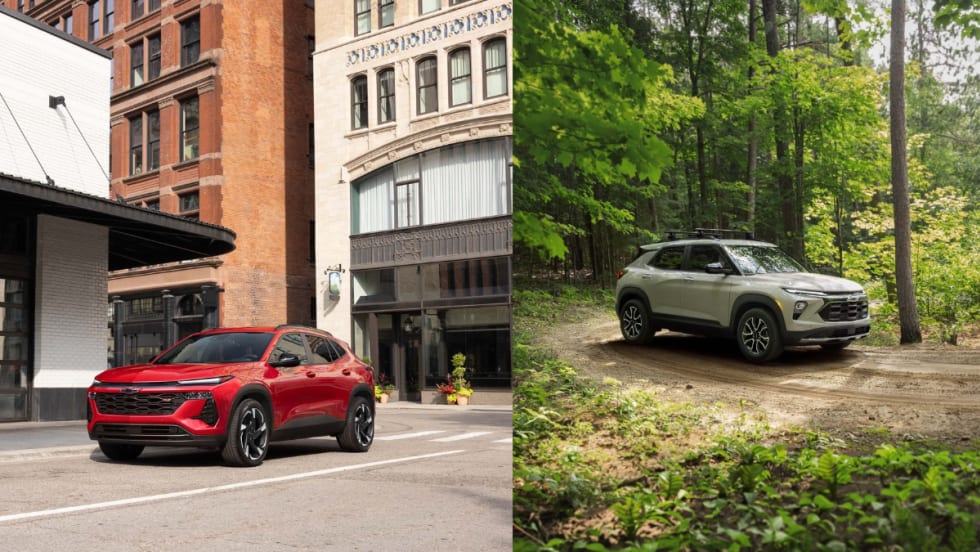
Chevrolet Updates 2027 Trax and Trailblazer with More Standard Safety Features
Chevrolet is updating two of its smallest SUVs with added driver-assistance technology, redesigned interiors, and revised trim options. The changes could add more safety equipment as standard for commercial fleets, while a new Trailblazer configuration adds another all-wheel-drive option.
Read More →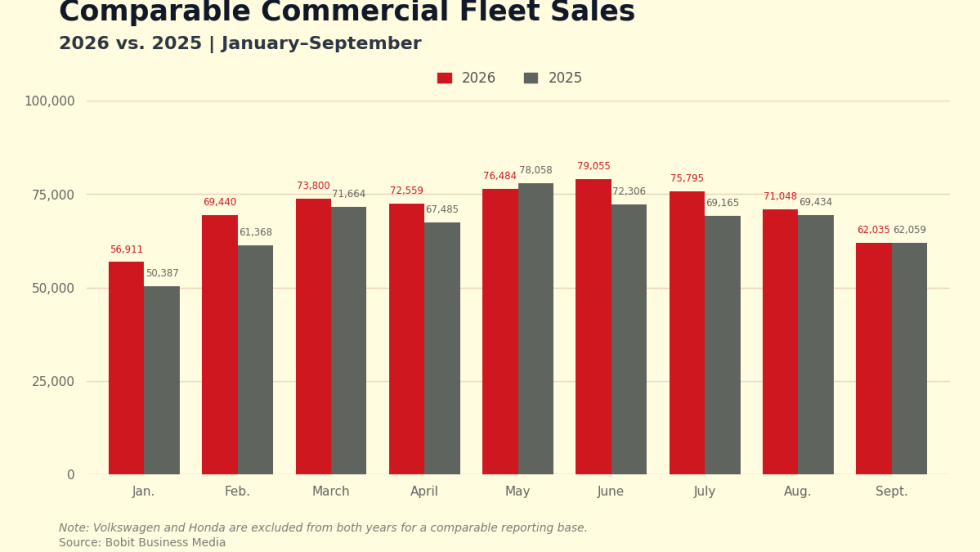
Commercial Fleet Sales Rise 5.8% Through September 2026
September commercial fleet sales were essentially unchanged from a year earlier, slowing year-to-date growth while keeping volume ahead of 2025.
Read More →
Hall of Fame Inductee: John Dmochowsky
The longtime Mondelēz International fleet executive joins the Automotive Fleet Hall of Fame.
Read More →
Hall of Fame Inductee: Lee Miller
After more than four decades at Boehringer Ingelheim, Lee Miller leaves a legacy built on fleet expertise.
Read More →
Hall of Fame Inductee: Mark F. Petersen
From managing fleets of thousands of vehicles to advancing safety and mentoring fellow professionals, Mark F. Petersen made his mark across both the corporate and supplier sides of fleet.
Read More →
When Charger Downtime Becomes a Fleet Availability Problem
As EV deployments move beyond pilot programs, charger reliability can directly affect vehicle readiness, driver productivity and route scheduling.
Read More →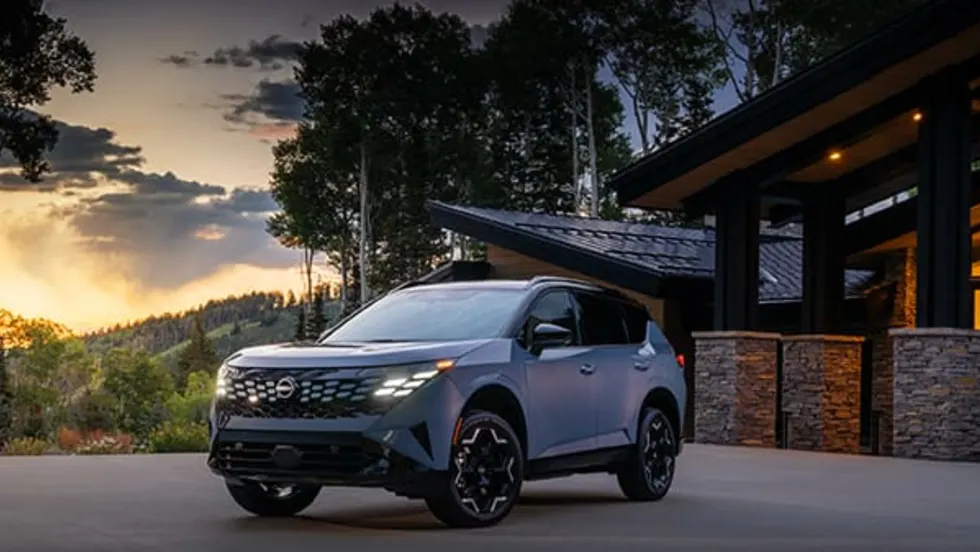
2027 Nissan Rogue Hybrid Adds e-POWER, Standard AWD
The new Rogue Hybrid uses Nissan’s e-POWER system with dual electric motors, offers an estimated 40 mpg and starts at $35,490.
Read More →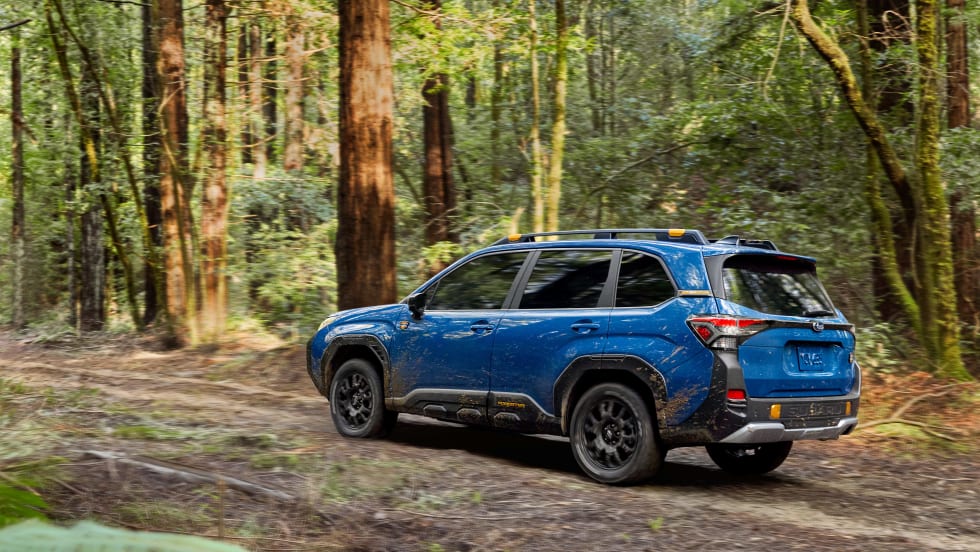
2027 Subaru Forester Adds First Wilderness Hybrid
The 2027 Forester lineup starts at $29,995 and adds a Wilderness Hybrid with 194 combined horsepower and 9.3 inches of ground clearance.
Read More →
EV Realty Names Henrik Holland President as Charging Platform Expands
The former Prologis Mobility and Shell executive will help expand EV Realty’s truck charging business and move its power-first infrastructure model into autonomous vehicle depots and other fleet sectors.
Read More →