




Ford Pro Reveals New Series 2 AC Charger for EVs
Accessible to Ford and other electric vehicles, the new Series 2 AC charging station delivers 80 amps and is available to DC fast charger options in 180kW and 240kW.

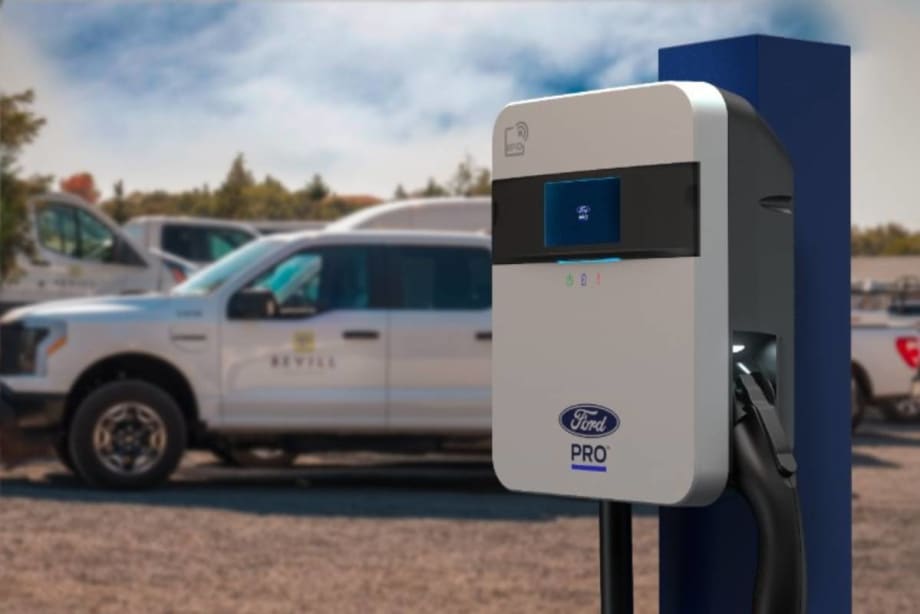
Coupled with Ford Pro’s charging management software, the Series 2 AC station provides a fully integrated solution that simplifies EV charging for both Ford and non-Ford electric vehicles.
Photo: Ford
Ford Pro, the commercial division within Ford Motor Company, on Aug. 29 revealed a new charging hardware to help make it easier for commercial customers to transition to electric fleets.
The new Series 2 AC charging station 80 amp, and expanded DC fast charger options, are designed for commercial vehicle use. Coupled with Ford Pro’s charging management software, the station provides an integrated option that simplifies EV charging for Ford and non-Ford electric vehicles.
With our tailored EV consulting and portfolio of charging hardware and software solutions, we can design, implement and operate solutions for Ford and other brands that will last for many years to come,” said Ted Cannis, Ford Pro CEO in a recent news release.
Ford Pro’s BEV Fit team offers consulting to customers to help identify available incentives, advise on charging site design and construction, and collaborate with local utilities on energy needs.
EV Charging Features
Now available for pre-order, the Series 2 AC charging station 80 amp comes with features that simplify and help improve the charging experience at the workplace for fleet operators and their drivers including:
Enhanced security with RFID that limits unwanted charger access. Fleet operators can issue a unique Ford Pro RFID card to control access to chargers enabling charging sessions to be limited to specific individuals or vehicles, by specifying day and times for access. The new RFID software also supports non-Ford vehicles.
Improved detachable cable and connector reduces time and expense of charger repairs avoiding replacement of the entire charging station if a cable or connector is damaged.
Wide range of connectivity options with cellular pre-configured and optional Wi-Fi and Ethernet connectivity for locations with restricted cellular coverage.
The station will be ISO-15118 ready and equipped to enable future functionality over the air such as advanced vehicle to charger communications that can identify and log when a specific vehicle connects.
New LCD screen on the Series 2 displays step-by-step instructions to initiate charging and important information including charge duration, fault alerts, energy usage, and more.
Temperature sensors to monitor and alert for overheating by derating the charger automatically.
Extended operating temperature range of -40C (-40F) to 50C (122F) and operating altitude of up to 3500m to serve the needs of customers in more places.
The new Ford Pro charging hardware is backed by a 3-year warranty on charger parts and labor and continues to provide around-the-clock tech support to help increase uptime and productivity for customers.
Ford Pro telematics, chargers, software, and service work seamlessly to provide fleet operators and managers with a single solution to monitor their vehicle network 24/7.
Charging Versions for Fleets
Ford Pro is also revealing extended DC fast charger options in 180kW and 240kW giving fleet operators and their drivers more versatility at their workplace with more power and shortened charge times. Aluminum pedestals feature an improved cable retractor and a sleeker look.
Ford Pro chargers work with Ford Pro’s smart charging software to help ensure vehicles are charged when customers need them. The integrated software and hardware solution helps fleet managers optimize how, when and where EVs are charged along with utility reimbursement reporting, important for home-based drivers.
Using Ford Pro charging solutions can also allow customers to charge more vehicles at a given time. Customers can deploy more EVs without needing to wait for an infrastructure upgrade. The software also tracks performance and provides fleet managers with insights like kWh consumption, charge speed and distance to empty, and helps optimize total cost of ownership.
Businesses can also help lower their total cost of ownership through understanding the various incentives available to them. The company launched a program with professional services firm Ernst & Young LLP (EY US) to help give customers no-cost information to learn about IRA tax credits for which they may qualify.
Available incentives include:
Up to a 30% federal tax credit on charging and installation costs.
Up to $7,500 back on each new qualified EV purchased in 2023.
Hundreds of federal, state, and local EV incentives and rebates.
More Green Fleet
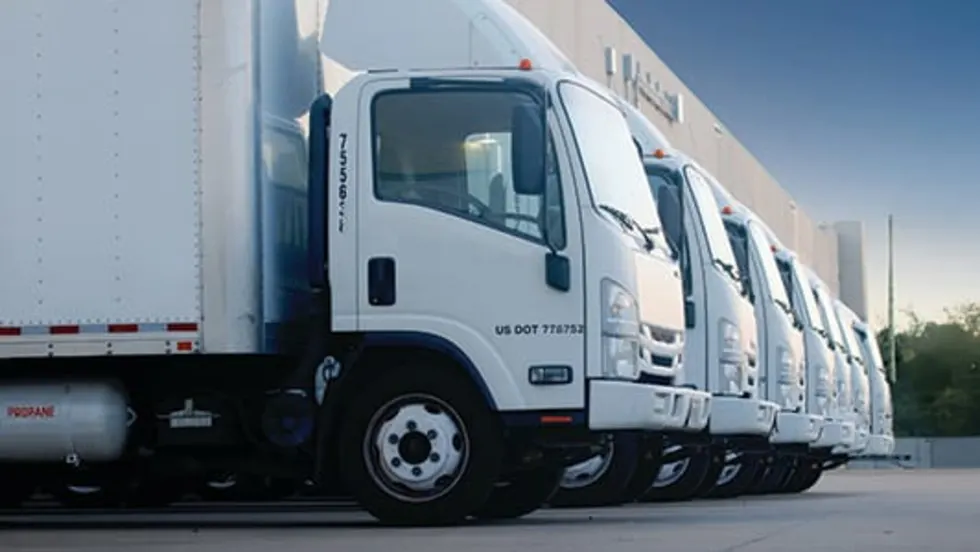
New Propane Autogas Program Offers Fleet Compensation
Qualified commercial fleets can receive $7,500 per eligible propane autogas vehicle and up to $10,000 for new refueling site prep. Learn how the program works and see whether your fleet qualifies.
Read More →
EV Charging Use Is Outpacing Infrastructure Growth
ChargePoint’s 2026 Charging Forward Report points to rising charger use, higher-powered charging, commercial vehicle electrification, and energy-management technology. Here’s what fleets should know.
Read More →
Merchants Fleet Reports 290M EV Miles as Fleets Navigate Changing Electrification Market
From millions in operating savings to hundreds of millions of EV miles, Merchants Fleet’s latest report reveals what’s working and what’s changing in fleet electrification.
Read More →
The EV Breakdown Nobody's Talking About: Why Most Electric Vehicle Roadside Calls Aren't Mechanical Failures
Here's why EV breakdowns are widely misunderstood.
Read More →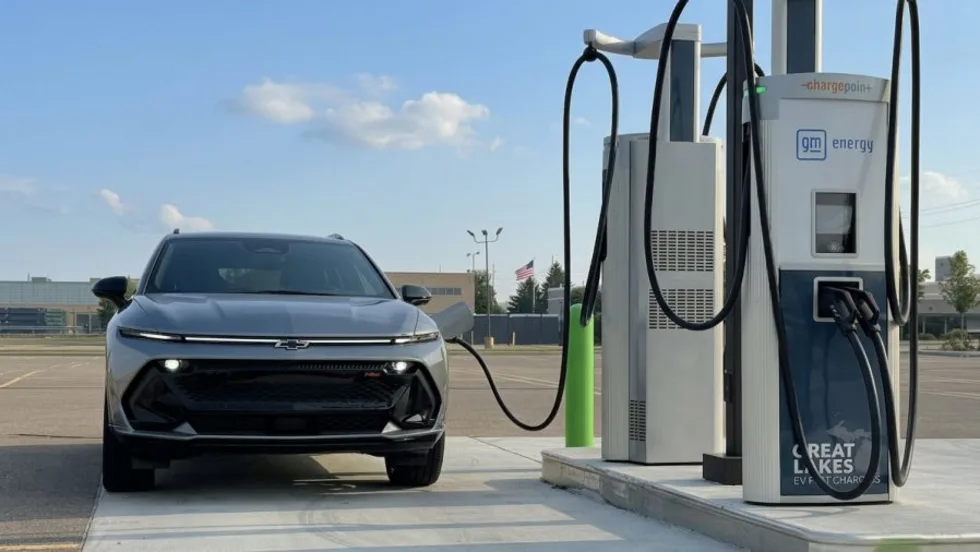
ChargePoint Now Available in Energy Pass
ChargePoint and additional planned charging network integrations were added to GM's Energy Pass.
Read More →

First Look: Slate Auto's Electric Fleet Pickup
Could an affordable, modular EV pickup make electrification more practical for fleets?
Read More →
Slate Debuts Colorful, Unique EV Models
A recent media and client event, studded with electric vehicles dressed up on platforms, planted a new position for the manufacturer in the wider EV market. Fleets will find cost-saving advantages.
Read More →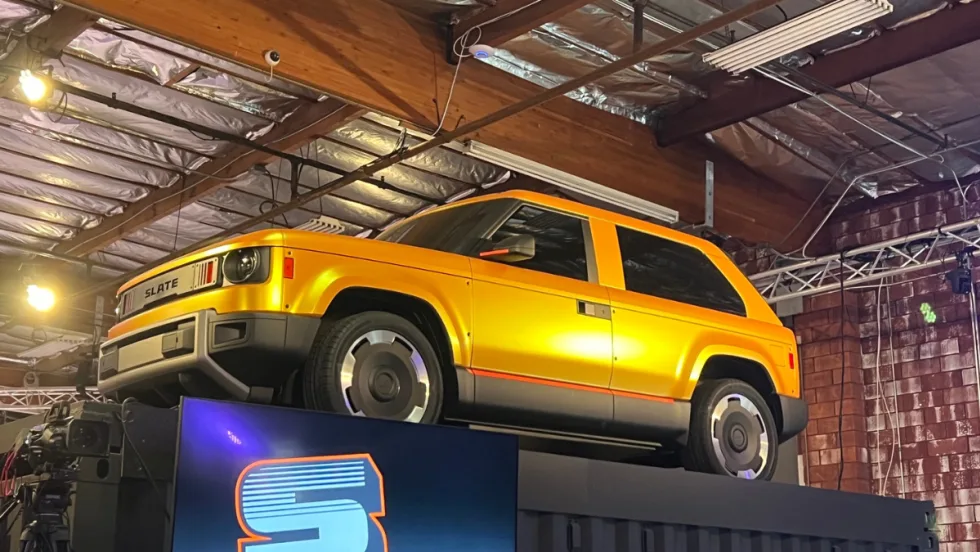
Slate Electric SUV, Pickup Switchable Model Aims For Light-Duty Fleets
Everything about this EV is counterintuitive and understated, making it stand out from the crowd.
Read More →
Inspiration Mobility Acquires Key Electrada Assets
Inspiration Mobility Group has acquired select assets of Electrada, adding the fleet electrification provider's team, technology, and charging infrastructure development capabilities to its energy management business.
Read More →