





Ford F-150 Lightning Owners to Gain Access to Tesla Superchargers
Ford F-150 Lightning Production Capacity Set To Triple
The Rogue Electric Vehicle Center, after a six-week expansion and retooling shutdown, has resumed production on the F-150 Lightning and the projected numbers have soared.
August 1, 2023
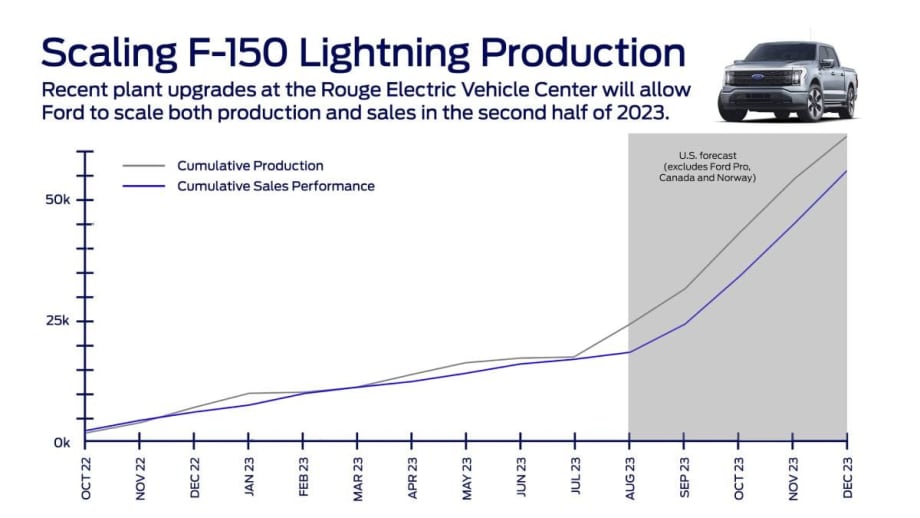
The Rouge Electric Vehicle Center is scheduled to build more than 70,000 F-150 Lightning trucks in calendar year 2023 with production for U.S. customers expected to ramp in the fall.
Photo: Ford
3 min to read
Ford Motor Company announced that it has resumed production of the F-150 Lightning following a six-week shutdown to expand and retool the Rouge Electric Vehicle Center plant to triple the manufacturing capacity of the electric truck.
With the expansion, Ford will have the ability to produce the F-150 Lightning at an annualized rate of 150,000 units by this fall.
While the temporary shutdown of the Rouge Electric Vehicle Center limited customer deliveries this summer, the facility is now ready to accelerate the ramp-up process to help meet the demand for the truck.
The Rouge Electric Vehicle Center is scheduled to build more than 70,000 F-150 Lightning trucks in calendar year 2023 with production for U.S. customers expected to ramp in the fall.
“We are all looking forward to getting these F-150 Lightning trucks into the hands of our customers – from the U.S. to Norway,” said Debbie Manzano, director of Manufacturing at Ford. “This milestone is the result of a lot of hard work and collaboration.”
The Rouge Electric Vehicle Center now uses equipment to automatically measure and validate exterior body fit for margin and flushness precision. A third station was added to validate wheel alignment and headlamp aim for driver assist technology.
Training for 1,200 additional manufacturing employees will continue for three weeks. Incoming operators are shadowing experienced employees in a buddy system for onboarding.
Battery pack production is also ramping up at the Rawsonville (Mich.) Components Plant and the Van Dyke (Mich.) Electric Powertrain Center is increasing the production of EV power units to match the scale of the F-150 Lightning assembly at the Rouge Electric Vehicle Center.
Meeting Customer Demand
The capacity increase at the Rouge Electric Vehicle Center supports shorter order-to-delivery times for customers with a focus on building trim levels like XLT, which accounts for over 50% of new orders.
Lightning Pro units are now available for retail customers in limited quantities, with these units allocated for loyal reservation holders who have been waiting to order since launch.
Recently adjusted pricing, while still above launch pricing, has helped to drive an increase in web traffic and an increase in customer orders. The increased capacity also opens up the opportunity to broaden the number of trim levels offered across the lineup, addressing customer wants since the reveal.
“We have learned a lot from our first-ever EV truck customers, including a preference for technology and visual differentiation,” said Marin Gjaja, chief customer officer for the Ford Model e. “We continue to refine the F-150 Lightning lineup to make the jump to an EV truck an easy choice for customers.”
Ford is engineering its second generation of electric vehicles, which includes the F-150 Lightning, Mustang Mach-E, and E-Transit.
More Green Fleet
Sponsored•October 1, 2026
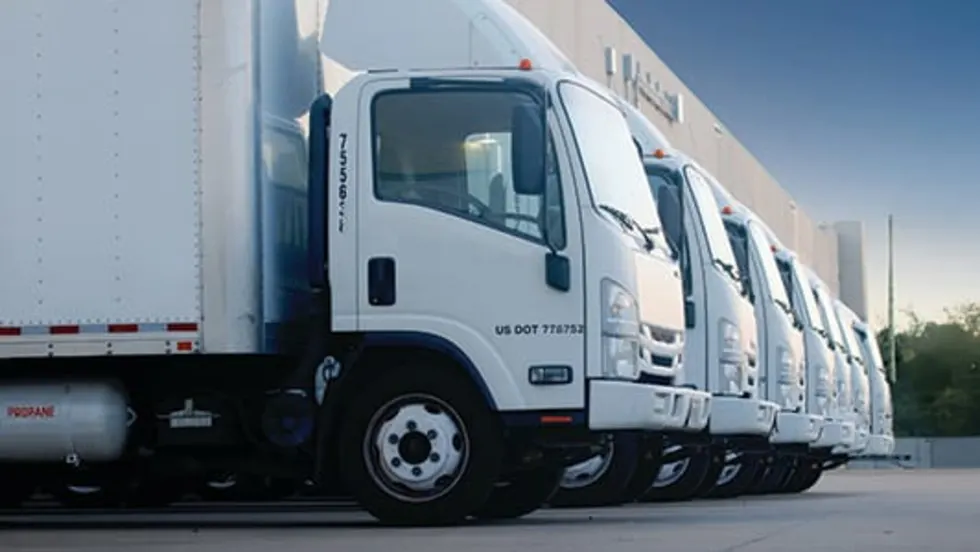
New Propane Autogas Program Offers Fleet Compensation
Qualified commercial fleets can receive $7,500 per eligible propane autogas vehicle and up to $10,000 for new refueling site prep. Learn how the program works and see whether your fleet qualifies.
Read More →
EV Charging Use Is Outpacing Infrastructure Growth
ChargePoint’s 2026 Charging Forward Report points to rising charger use, higher-powered charging, commercial vehicle electrification, and energy-management technology. Here’s what fleets should know.
Read More →
Merchants Fleet Reports 290M EV Miles as Fleets Navigate Changing Electrification Market
From millions in operating savings to hundreds of millions of EV miles, Merchants Fleet’s latest report reveals what’s working and what’s changing in fleet electrification.
Read More →
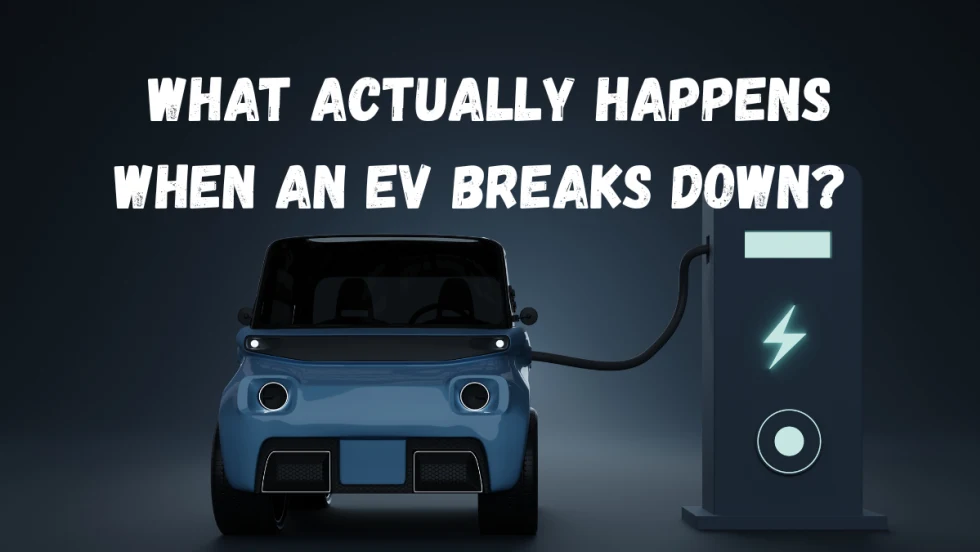
The EV Breakdown Nobody's Talking About: Why Most Electric Vehicle Roadside Calls Aren't Mechanical Failures
Here's why EV breakdowns are widely misunderstood.
Read More →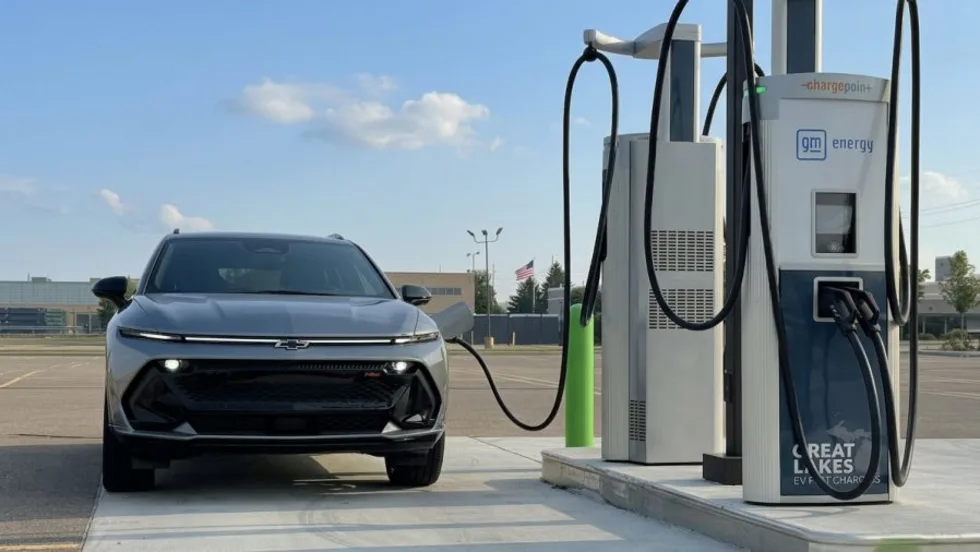
ChargePoint Now Available in Energy Pass
ChargePoint and additional planned charging network integrations were added to GM's Energy Pass.
Read More →
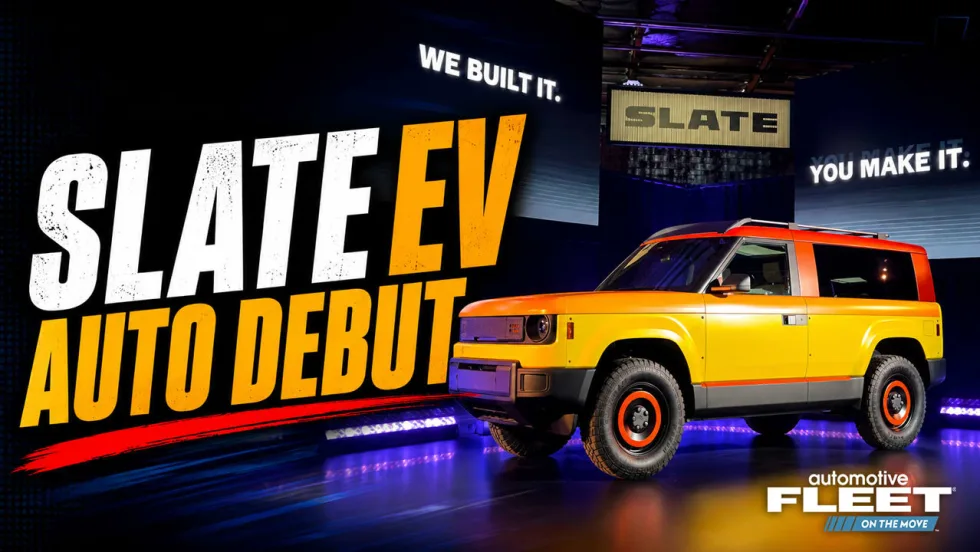
First Look: Slate Auto's Electric Fleet Pickup
Could an affordable, modular EV pickup make electrification more practical for fleets?
Read More →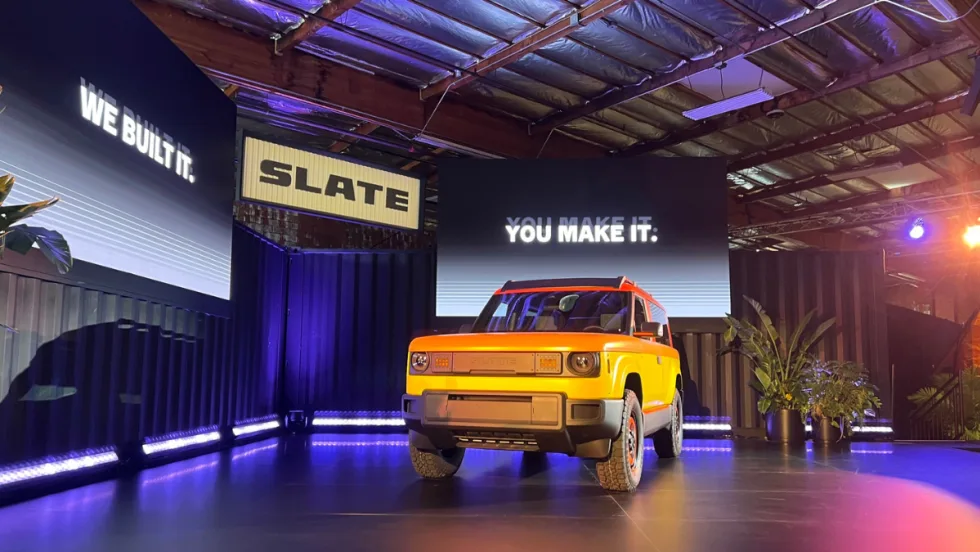
Slate Debuts Colorful, Unique EV Models
A recent media and client event, studded with electric vehicles dressed up on platforms, planted a new position for the manufacturer in the wider EV market. Fleets will find cost-saving advantages.
Read More →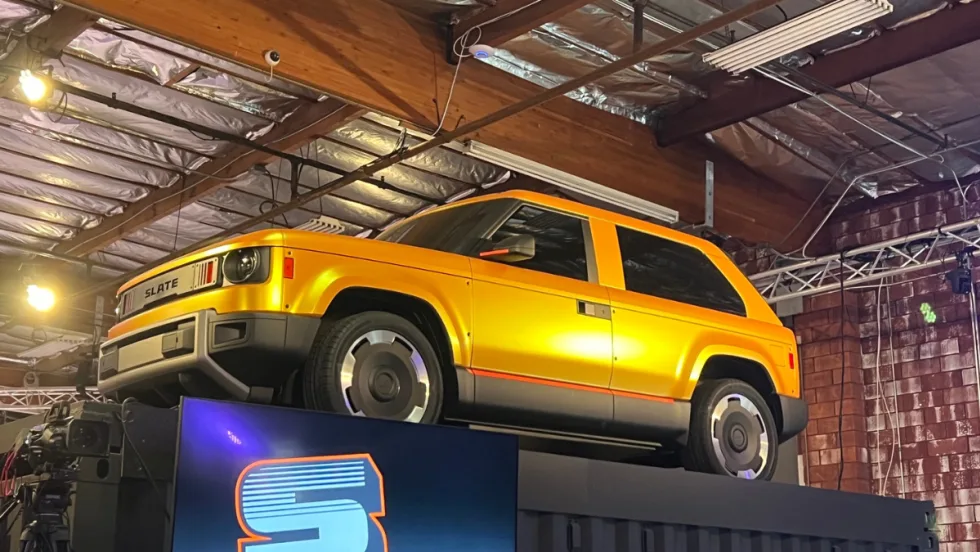
Slate Electric SUV, Pickup Switchable Model Aims For Light-Duty Fleets
Everything about this EV is counterintuitive and understated, making it stand out from the crowd.
Read More →
Inspiration Mobility Acquires Key Electrada Assets
Inspiration Mobility Group has acquired select assets of Electrada, adding the fleet electrification provider's team, technology, and charging infrastructure development capabilities to its energy management business.
Read More →