




Survey: 76% of Americans Have Driven Through Black Ice
A new survey from The Zebra explores how astute Americans are when it comes to proper safety procedures when driving in wintry conditions.


Approximately 70% of roads in the U.S. are in snowy areas, which increases the threat of an accident significantly, according to the Federal Highway Administration.
Photo via unsplash.com/Wesley Tingey
Some 35% of Americans identified the ice scraper as the most important tool to have in your car during winter, according to a 2021 survey by The Zebra. That was followed by gloves or mittens, which ranked as the second most important item (28%), and sand or kitty litter, which came in third (25%).
Other safety items that respondents believed were important to keep in their winter driving kit included a flashlight (25%), traction mats (15%), and a disposable cellphone (12%).
Nearly 2,000 people die and over 135,000 people are injured each year due to car accidents on icy and snowy roads. With that in mind, The Zebra set out to assess how well prepared drivers are when it comes to winter driving.
Survey respondents certainly seemed familiar with winter driving conditions, with nearly 76% saying they have driven through black ice.
Surprisingly, the West as a geographic region claimed to have the most experience, with nearly 83% noting that they have encountered black ice while behind the wheel. Yet only 68% of respondents from the South experienced black ice at least once in their lives.
Despite most respondents having encountered black ice, an alarming 58% of respondents admit to never having used snow tires in the winter.
On the upside, The Zebra conducted a similar survey in 2020 and found that most Americans are aware of proper safety procedures when driving during winter. For example, 93% of people correctly identified that you should not use cruise control or traction control on icy roads.
Moreover, 96% of respondents correctly identified that if you begin to skid on icy roads, the driver should never slam on the brake pedal to regain control of the vehicle.
Approximately 70% of roads in the U.S. are in snowy areas, which increases the threat of an accident significantly, according to the Federal Highway Administration.
More Safety
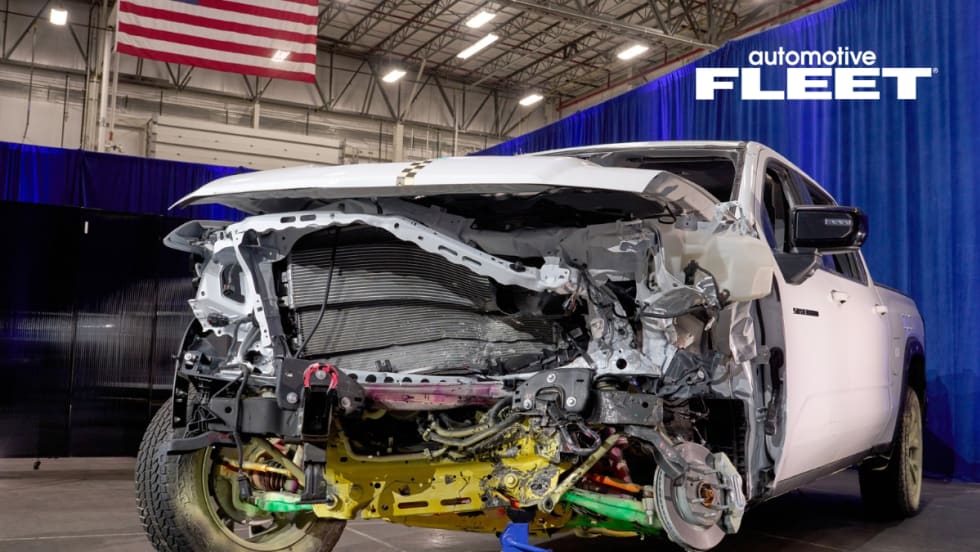
GM Conducts 92,000 Virtual Crash Tests for 2027 Chevrolet Silverado 1500
General Motors used computer simulations to evaluate crash scenarios, occupant protection and vehicle design variations before conducting physical crash tests.
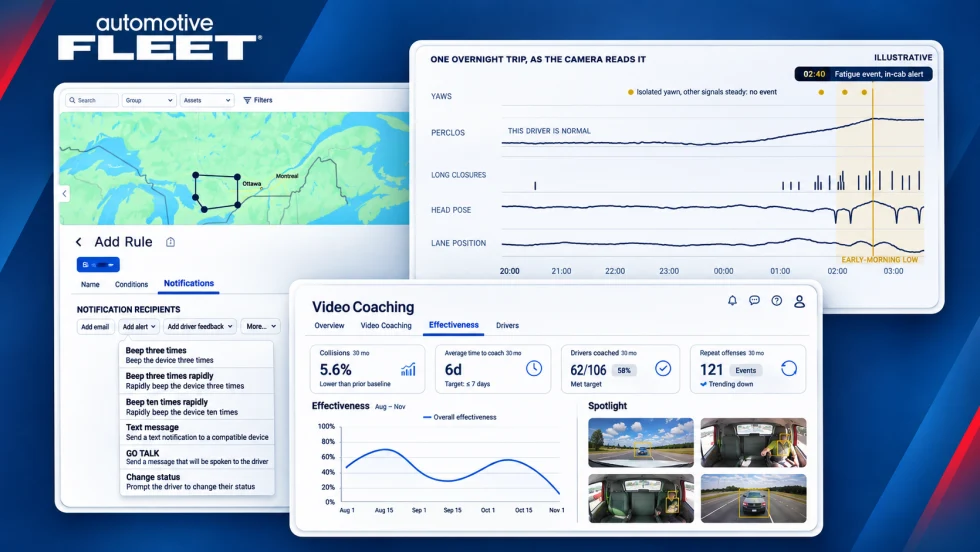
Geotab Adds AI-Powered Driver Coaching and Fatigue Detection Features
New capabilities include fatigue monitoring, two-way audio, coaching effectiveness analytics and location-based privacy controls for fleet safety management.
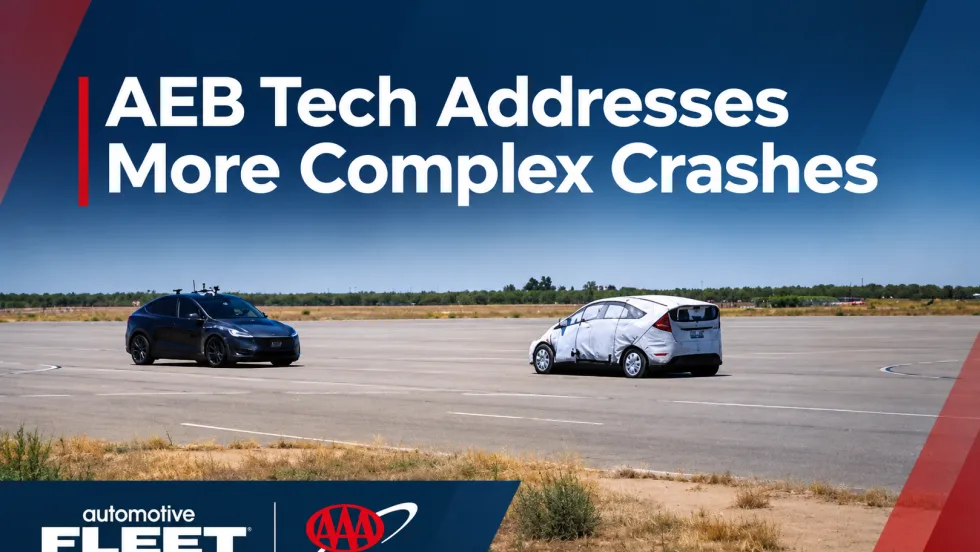
AAA Testing Finds Gaps in Intersection AEB Crash Prevention
Testing of four 2026 model-year vehicles found that automatic emergency braking prevented collisions in standardized intersection scenarios, but three vehicles failed to avoid crashes when another vehicle turned into their path.
Which Fleet Types Have the Highest Severe Speeding Rates?
New research from SambaSafety finds significant differences in speeding rates across fleet industries, even as nearly 90% of surveyed fleets report using telematics.
When a Cyberattack Hits Your Fleet: What Happens Next?
“You have two opportunities to test your plans: when you choose or when the threat actor chooses.” A cybersecurity expert reveals what fleet managers need to know before a cyberattack puts their operations at risk — and why the decisions made in the first moments can shape the entire recovery.
Tips for Driving Safely on Halloween Night
This video features a reminder from the Connecticut Department of Transportation (DOT) and the Connecticut Police Chiefs Association, urging drivers to prioritize safety this Halloween.
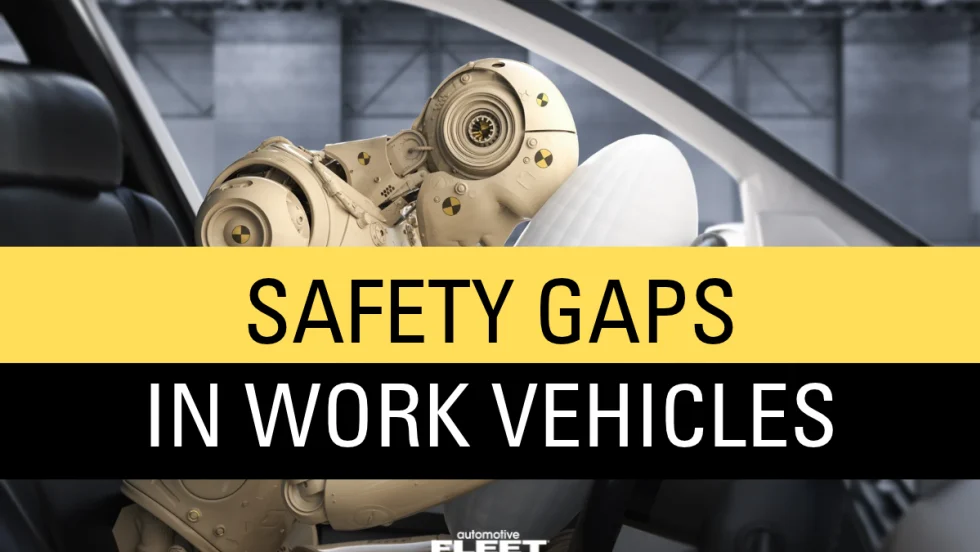
IIHS Crash Avoidance Tests Reveal Safety Gaps in Cargo Vans and Work Trucks
New IIHS crash avoidance ratings show uneven performance among cargo vans and heavy-duty pickups, with most struggling to avoid vehicle-to-vehicle collisions.
What’s Next for Fleet? Safety, AI & Industry Recognition | AF News Recap
Could your company's culture be encouraging distracted driving? This week, we're exploring how workplace expectations affect driver safety, what AI, EVs, and autonomous vehicles could mean for the future of fleet management, and how fleet professionals can strengthen their award nominations.
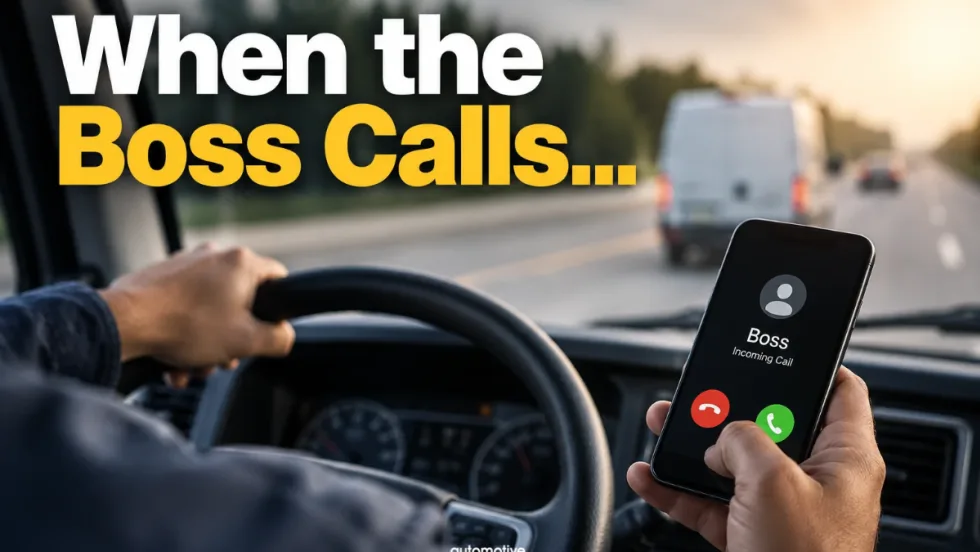
Does Your Fleet's Culture Encourage Distracted Driving?
What happens when the people responsible for enforcing safety rules are the ones setting the wrong example? The answer may reveal why some of the biggest risks to fleet drivers have little to do with what's written in the employee handbook.
Fleet Manager’s Ultimate Playbook: Navigating the New Standard in OEM Connectivity
Rising operating costs, driver safety concerns, and unplanned downtime are putting unprecedented pressure on modern fleets. Discover how fleet managers use embedded OEM connectivity and real-time vehicle data to cut TCO, prevent downtime, and protect drivers without aftermarket telematics hardware.