




450 Roadway Deaths Estimated for Memorial Day Weekend
The National Safety Council’s fatality estimate for the 2022 Memorial holiday period includes 35 more deaths than its 2021 estimate.


Memorial Day is one of the most dangerous driving weekends of the year.
Photo: Unsplash.com/Aaron Burden
This year, some 450 people may be killed on U.S. highways and byways during the Memorial Day weekend, according to National Safety Council (NSC) estimates. That’s up from the 415 deaths the NSC estimated for the 2021 Memorial Day holiday period.
Moreover, for 2020, the NSC estimated 366 roadway fatalities, but actual deaths for Memorial Weekend turned out to be significantly higher with 397 lost lives.
The nation’s roads are getting more dangerous by the day. Over 100 people are killed in motor vehicle crashes every day. Moreover, the National Traffic Safety Administration just released the latest fatality estimates for 2021 and the picture is dire. Some 42,915 people lost their lives in collisions in 2021 — the highest number since 2005.
Memorial Day, the official kick-off of summer, extends from 6 p.m. Friday, May 27 to 11:59 p.m. Monday, May 30 and is one of the most dangerous driving weekends of the year. Yet many fleet drivers will be behind the wheel doing their jobs.
Now is a good time to for fleet operators to remind their drivers to be especially vigilant and to practice defensive driving strategies. Here is some advice to share with your drivers.
Avoid hostile drivers. As families hit the road for beaches and backyard barbeques, there is bound to be plenty of traffic. Congestion can make tempers flare, so expect to encounter some aggressive drivers. Fleet drivers should remember to keep their cool. Never engage with hostile drivers who tailgate, continually honk horns, yell out the window, or make aggressive gestures. Do not react and do not make eye contact.
Spot the signs of impairment. Memorial Day means there will be plenty of celebrations involving alcohol. If you encounter a driver that constantly swerves out of his lane or hits the brakes too often, there is a good chance that driver is impaired. Move as far away from impaired drivers as possible. You can also pull over and report the problem driver to the police.
Drive distraction-free. As always, stay focused on the road. Don't eat, fiddle with the radio, or use your cell phone while behind the wheel. Distracted driving claimed the lives of 3,142 people in 2020 alone. On a holiday weekend, the roads will be busier than ever, which means it is more important than ever to avoid all distractions.
Buckle up. Before you hit the road, make sure you buckle up. Seat belts save lives.
More Safety
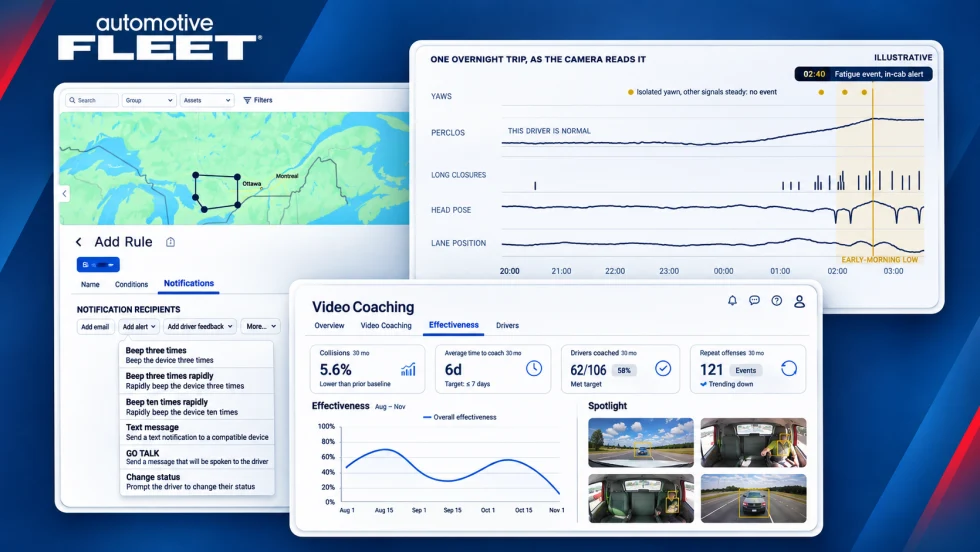
Geotab Adds AI-Powered Driver Coaching and Fatigue Detection Features
New capabilities include fatigue monitoring, two-way audio, coaching effectiveness analytics and location-based privacy controls for fleet safety management.

AAA Testing Finds Gaps in Intersection AEB Crash Prevention
Testing of four 2026 model-year vehicles found that automatic emergency braking prevented collisions in standardized intersection scenarios, but three vehicles failed to avoid crashes when another vehicle turned into their path.
Which Fleet Types Have the Highest Severe Speeding Rates?
New research from SambaSafety finds significant differences in speeding rates across fleet industries, even as nearly 90% of surveyed fleets report using telematics.
When a Cyberattack Hits Your Fleet: What Happens Next?
“You have two opportunities to test your plans: when you choose or when the threat actor chooses.” A cybersecurity expert reveals what fleet managers need to know before a cyberattack puts their operations at risk — and why the decisions made in the first moments can shape the entire recovery.

Tips for Driving Safely on Halloween Night
This video features a reminder from the Connecticut Department of Transportation (DOT) and the Connecticut Police Chiefs Association, urging drivers to prioritize safety this Halloween.

IIHS Crash Avoidance Tests Reveal Safety Gaps in Cargo Vans and Work Trucks
New IIHS crash avoidance ratings show uneven performance among cargo vans and heavy-duty pickups, with most struggling to avoid vehicle-to-vehicle collisions.

What’s Next for Fleet? Safety, AI & Industry Recognition | AF News Recap
Could your company's culture be encouraging distracted driving? This week, we're exploring how workplace expectations affect driver safety, what AI, EVs, and autonomous vehicles could mean for the future of fleet management, and how fleet professionals can strengthen their award nominations.

Does Your Fleet's Culture Encourage Distracted Driving?
What happens when the people responsible for enforcing safety rules are the ones setting the wrong example? The answer may reveal why some of the biggest risks to fleet drivers have little to do with what's written in the employee handbook.

Fleet Manager’s Ultimate Playbook: Navigating the New Standard in OEM Connectivity
Rising operating costs, driver safety concerns, and unplanned downtime are putting unprecedented pressure on modern fleets. Discover how fleet managers use embedded OEM connectivity and real-time vehicle data to cut TCO, prevent downtime, and protect drivers without aftermarket telematics hardware.

From Driver Well-Being to EV Charging | AF News Recap
Mental health belongs in the fleet safety conversation. This week, we’re looking at five ways fleets can support employee well-being before a crisis, plus Holman’s expansion in Mexico, new one-day Fleet Forward passes, and why EV charging demand is outpacing infrastructure growth.