





Related news:GM Confirms Electric Chevrolet Silverado Pickup Truck
GM to Source U.S.-Based Lithium for Next-Gen EV Batteries
Through an agreement with Controlled Thermal Resources, lithium will be sourced in part from California from a more environmentally friendly process than traditional lithium production.
July 6, 2021
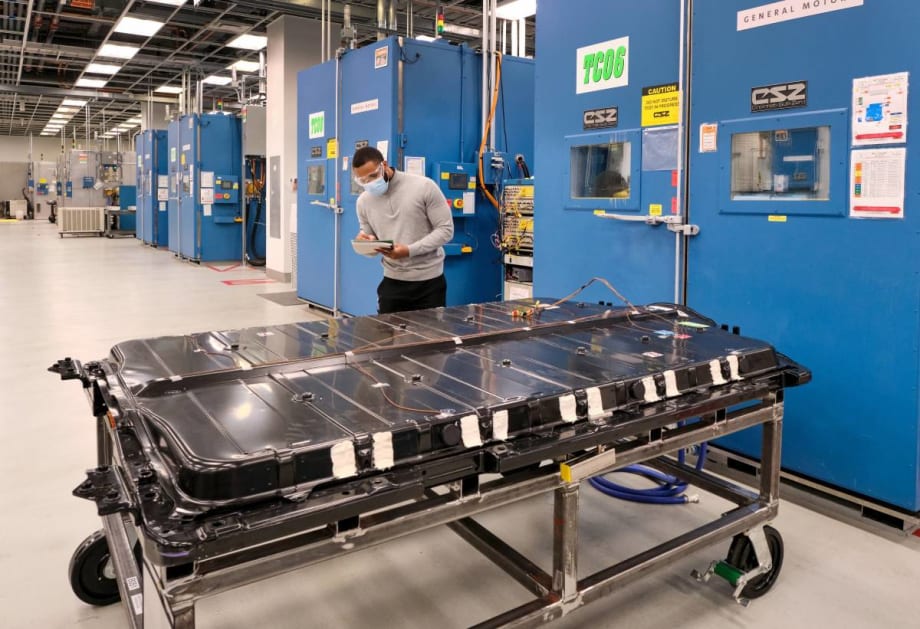
Lithium is a key ingredient in General Motors’ Ultium battery packs, like this one being tested by GM Validation Engineer Andre Brown at the GM Global Battery Systems Lab Monday, June 28, 2021 on the campus of the GM Tech Center in Warren, Mich.
Photo: Steve Fecht for General Motors
2 min to read
General Motors has agreed to form a strategic investment and commercial collaboration with Controlled Thermal Resources to secure local and low-cost lithium, the company announced in a press release on July 2.
This lithium will be produced through a closed-loop, direct extraction process that results in a smaller physical footprint, no production tailing and lower carbon dioxide emissions when compared to traditional processes like pit mining or evaporation ponds.
Lithium is a metal crucial to GM's plans to make more affordable, higher mileage electric vehicles.
The relationship between GM and CTR is expected to accelerate the adoption of lithium extraction methods that cause less effects on the environment. Much of GM's future battery-grade lithium hydroxide and carbonate could come from CTR's Hell's Kitchen Lithium and Power development in the Salton Sea Geothermal Field, in Imperial, Calif. With the help of GM's investment, CTR's closed-loop, direct extraction process will recover lithium from geothermal brine.
As an anticipated part of its $35 billion global commitment to EVs and autonomous vehicles, GM will be the first company to make a multi-million dollar investment in CTR's Hell's Kitchen project. As the first investor, GM will have first rights on lithium produced by the first stage of the Hell's Kitchen project, including an option for a multi-year relationship.
"Lithium is critical to battery production today and will only become more important as consumer adoption of EVs increases, and we accelerate towards our all-electric future," said Doug Parks, GM executive vice president of global product development, purchasing and supply chain. "By securing and localizing the lithium supply chain in the U.S., we're helping ensure our ability to make powerful, affordable, high mileage EVs while also helping to mitigate environmental impact and bring more low-cost lithium to the market as a whole. GM looks forward to working with CTR, in addition to state and local leaders, in achieving these goals."
Batteries are and will remain one of the largest cost drivers of EVs. Lithium is a key battery material used in the cathodes and electrolytes of GM EVs like the Chevrolet Bolt EV and Bolt EUV. Lithium will become even more important in battery use as GM explores lithium metal batteries with a protected anode.
Most lithium used in lithium-ion batteries is mined and processed outside of the U.S.
The first stage of the Hell's Kitchen project is expected to begin yielding lithium in 2024, helping GM to meet its aspiration of eliminating tailpipe emissions from light-duty vehicles by 2035.
Originally posted on Charged Fleet
More Green Fleet
Sponsored•October 1, 2026
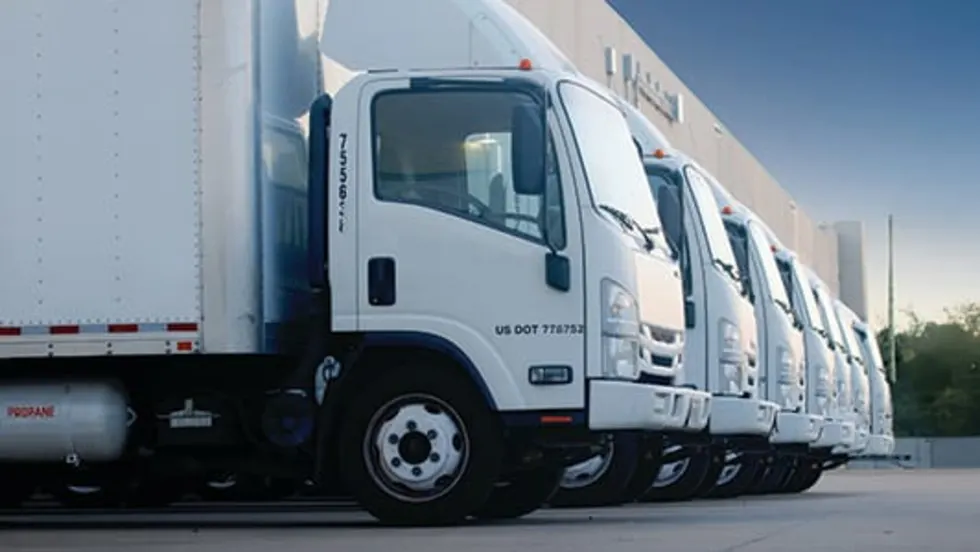
New Propane Autogas Program Offers Fleet Compensation
Qualified commercial fleets can receive $7,500 per eligible propane autogas vehicle and up to $10,000 for new refueling site prep. Learn how the program works and see whether your fleet qualifies.
Read More →
EV Charging Use Is Outpacing Infrastructure Growth
ChargePoint’s 2026 Charging Forward Report points to rising charger use, higher-powered charging, commercial vehicle electrification, and energy-management technology. Here’s what fleets should know.
Read More →
Merchants Fleet Reports 290M EV Miles as Fleets Navigate Changing Electrification Market
From millions in operating savings to hundreds of millions of EV miles, Merchants Fleet’s latest report reveals what’s working and what’s changing in fleet electrification.
Read More →
The EV Breakdown Nobody's Talking About: Why Most Electric Vehicle Roadside Calls Aren't Mechanical Failures
Here's why EV breakdowns are widely misunderstood.
Read More →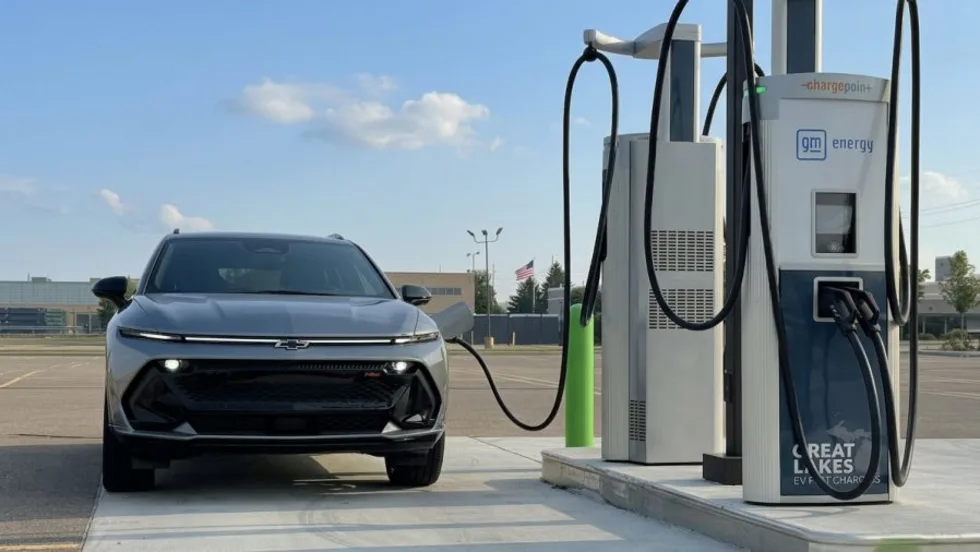
ChargePoint Now Available in Energy Pass
ChargePoint and additional planned charging network integrations were added to GM's Energy Pass.
Read More →
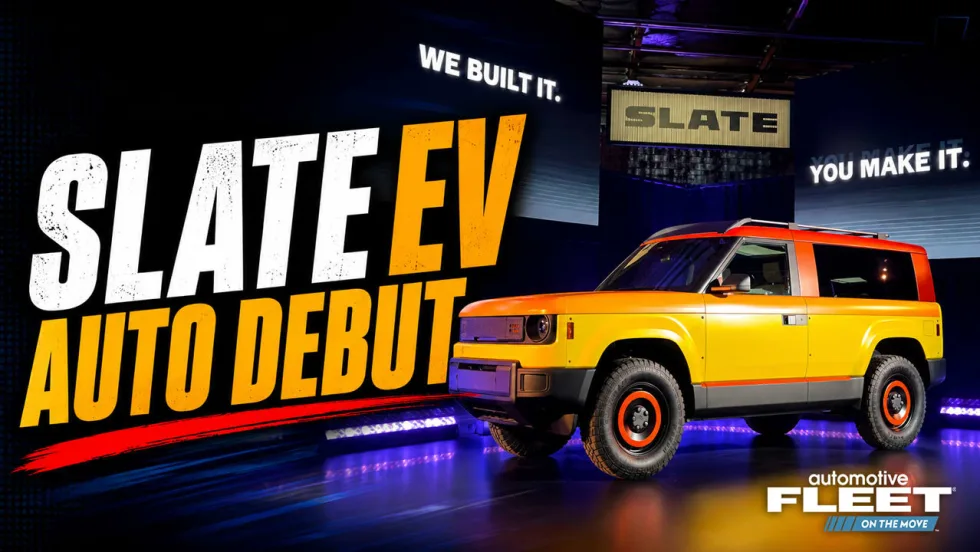
First Look: Slate Auto's Electric Fleet Pickup
Could an affordable, modular EV pickup make electrification more practical for fleets?
Read More →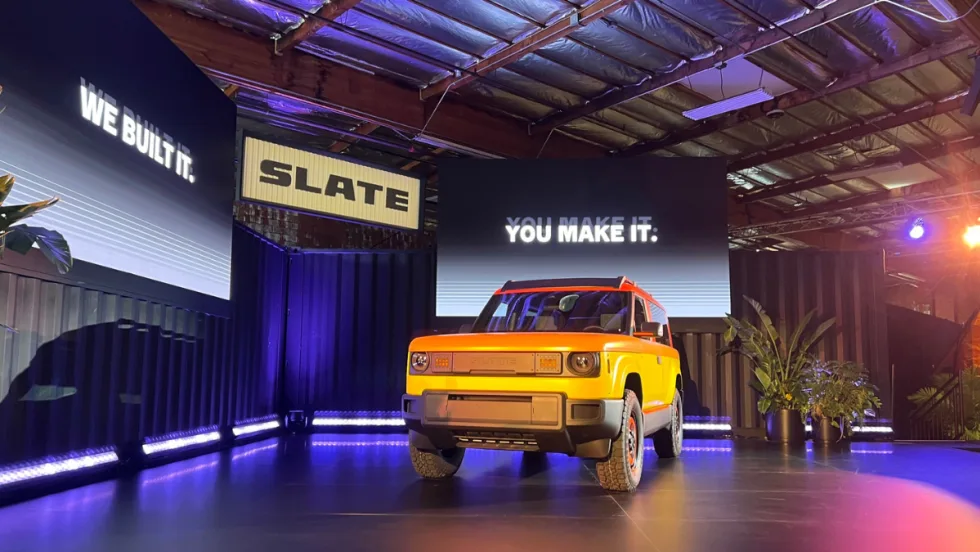
Slate Debuts Colorful, Unique EV Models
A recent media and client event, studded with electric vehicles dressed up on platforms, planted a new position for the manufacturer in the wider EV market. Fleets will find cost-saving advantages.
Read More →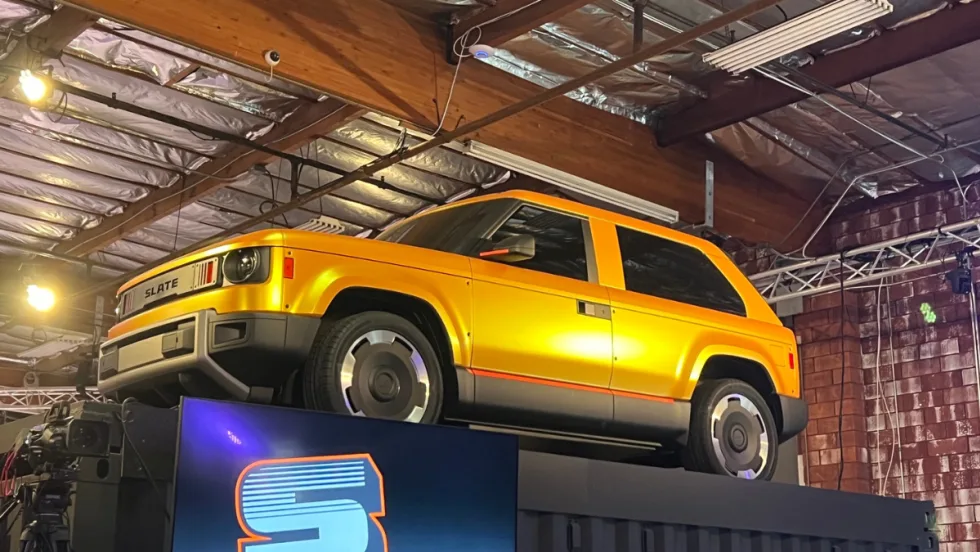
Slate Electric SUV, Pickup Switchable Model Aims For Light-Duty Fleets
Everything about this EV is counterintuitive and understated, making it stand out from the crowd.
Read More →
Inspiration Mobility Acquires Key Electrada Assets
Inspiration Mobility Group has acquired select assets of Electrada, adding the fleet electrification provider's team, technology, and charging infrastructure development capabilities to its energy management business.
Read More →