




10 Ways to Reduce Fuel Spend
Since fuel is a fleet’s largest operating expense, it catches the attention of senior management when fuel prices start to rise as they are today. Here are 10 fuel reduction strategies that you a implement to make a dent in your fuel spend.

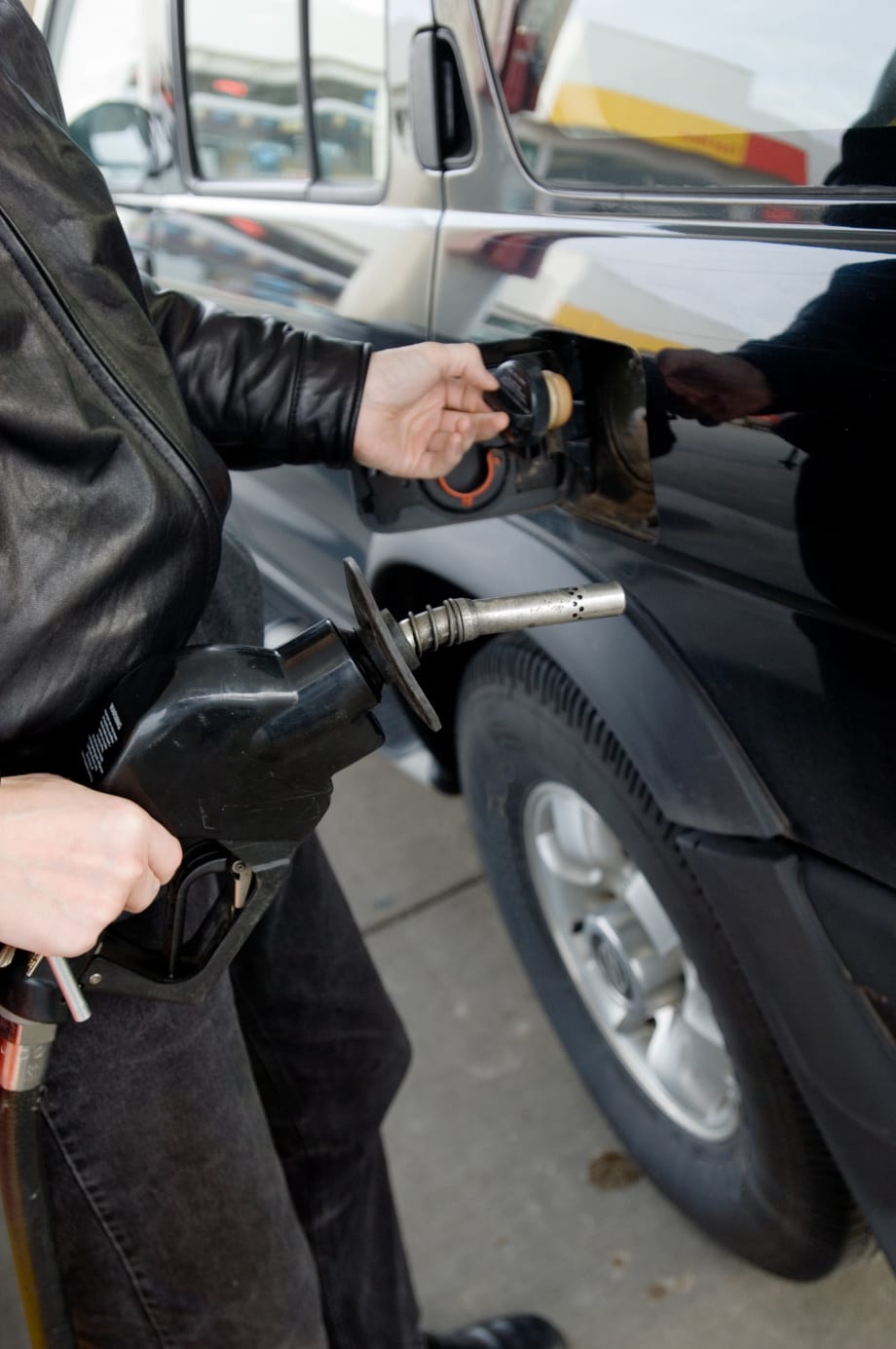
Since fuel is a fleet’s largest operating expense, it catches the attention of senior management when fuel prices start to rise as they are today. Here are 10 fuel reduction strategies that you a implement to make a dent in your fuel spend.
Minimize Unnecessary Idling: Reducing unnecessary idling is the simplest and easiest way for a fleet to cut fuel costs and unnecessary emissions. In addition, excess idling also causes needless engine wear-and-tear and unnecessary noise pollution. Instruct drivers to turn off the engine whenever possible and avoid long idling periods. An idling engine gets zero miles per gallon. Also, excessive engine idling doesn’t just consume fuel, it also creates engine hours, which depending on the OEM, are used to determine when the powertrain warranty expires.
Create a Fuel Policy: The basics behind effective fuel cost management remain relatively the same regardless of the price of fuel or the size of your fleet. Organizations should prioritize a well-communicated, written fuel management policy to ensure drivers and fuel card users understand the expectations around card usage and fuel conservation. The policy should be supported by consistent monitoring of mpg performance across asset types along with a focused effort on creating as much visibility as possible around transactions and spending trends at the driver level.
Modifying Driver Behavior: The way employees drive their company vehicles can either increase or decrease fuel economy and greenhouse gas (GHG) emissions. If you change the driving behavior of employees, you have a direct impact on the amount of fuel consumed and the amount of emissions emitted. Even small increases in mpg can result in substantial savings when extrapolated across the entire fleet. Fleet managers, who have implemented eco-driving training programs, report a 5% to 30%reduction in annual fuel consumption by changing driver behavior. The challenge is to make this a permanent mindset of all your drivers. Unless you have an enforcement program, the danger is that drivers will drift back to old behaviors.
Leverage Fuel Card Controls: Companies should leverage fuel card controls, setting parameters to help prevent excessive or unauthorized spending. Fuel cards often include controls that allow you to set daily, weekly, or monthly transaction limits and place restrictions on the types of purchases and the time of day the card can be used. Controls are available to allow you to cue the fuel pump to shut off after a certain dollar amount.
Minimize Fuel Card Fraud: There are a variety of controls fleet managers can implement to enforce proper fuel-card usage and prevent employee theft. When fleet managers establish controls across the fleet and for individual drivers, they can restrict the types of purchases, number of transactions, dollar limits, frequency per day or per cycle, and even the hours of purchase. These proactively help to prevent fraud and misuse, but also protect the bottom line.
Monitor Fuel Exception Reports: Exception reporting including tank capacity violations, fuel type mismatch, non-fuel purchases, and other exceptions must be paired with an active driver for accountability. Fleets can successfully drive fuel savings by keep drivers accountable for how their fuel cards are used. The opportunity to conserve fuel should also be reinforced via safety training; many of the same behaviors that are taught as safe driving techniques, such as obeying the speed limit, also support fuel conservation efforts.
Encourage Drivers to be Price Conscious when Refueling: Fleets need to encourage drivers to continue to be “price sensitive” when refueling, even if prices are lower than normal. Encourage drivers to look for the best net fuel pricing to maximize the benefits of today’s lower fuel prices.
Optimizing Territories and Routes: We continue to see customers introduce more fuel-efficient vehicles to their fleet along with optimizing territories and routes, which have a direct impact on overall miles driven.
Maintain Proper Tire Inflation: One underinflated tire can cut fuel economy by 2% per pound of pressure below the proper inflation level. One out of four drivers, on average, drive vehicles with one or more underinflated tires. When a tire is underinflated by 4 to 5 psi below the manufacturer’s recommended tire pressure, vehicle fuel consumption increases by 10% and, over time, causes a 15% reduction in tire tread life.
Keep Trunks Clean: Company vehicles get better mileage when not loaded with unnecessary weight. Every 200 pounds of additional weight trims one mile off fuel efficiency. Most drivers accumulate material in their trunks, much of it unnecessary. Instruct drivers to remove all unnecessary items, such as unneeded tools or materials.
More Fuel
Fuel Prices Surge in September | September Fuel Update
September brought major fuel price swings, including diesel crossing $6 a gallon. Here’s how gas and diesel prices changed throughout the month, and where they stood heading into October.
Read More →
Turning Fleet Payment Data into Executive Insights
Ramel Lindsay of U.S. Bank Voyager discusses how fleets can transform payment and transaction data into actionable intelligence to reduce costs, improve oversight, and support executive decision-making.
Read More →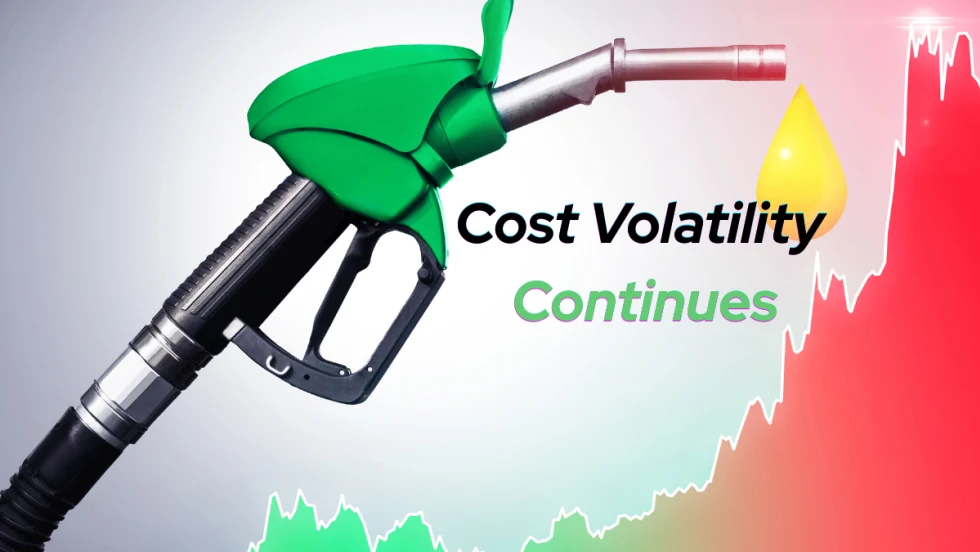
Why the IRS Raised Its Mileage Rate in the Middle of 2026
Fuel-price volatility drove the rare increase to 76 cents per mile, the fifth midyear adjustment since 2000.
Read More →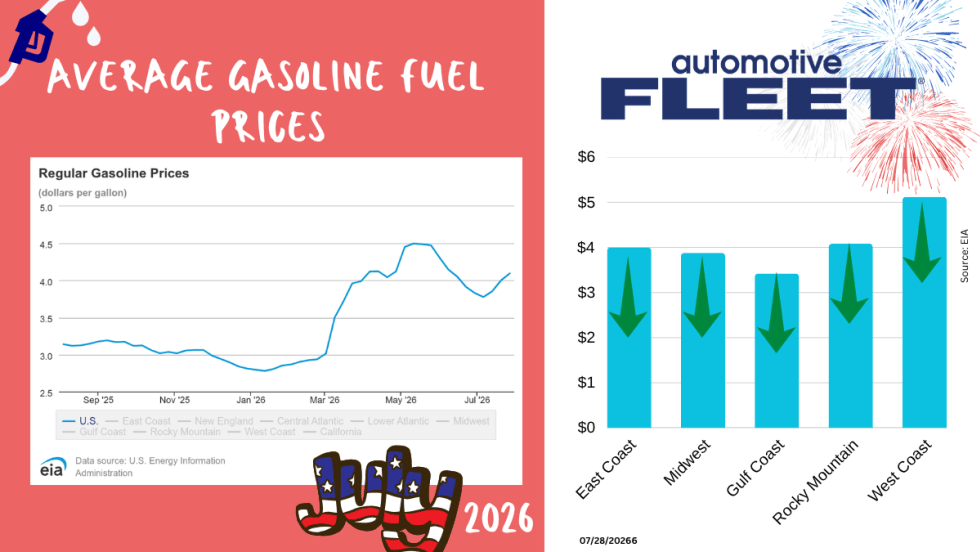
July Fuel Update: Prices Keep Rising in Light of More Conflict
Gas prices continue to rise as more and more conflicts do, too.
Read More →
Bob Adamsky on Fuel Volatility: "Don't Panic, Have a Plan."
When it comes to up and down fuel prices, Adamsky has a message for fleets: “Don’t panic.”
Read More →
How Fleets Can Gain Control of Non-Fuel Spend
Fuel often gets the spotlight, but non-fuel expenses can have a major impact on fleet costs. Ramel Lindsay of U.S. Bank Voyager discusses how fleets can gain better visibility and control over these often-overlooked expenditures.
Read More →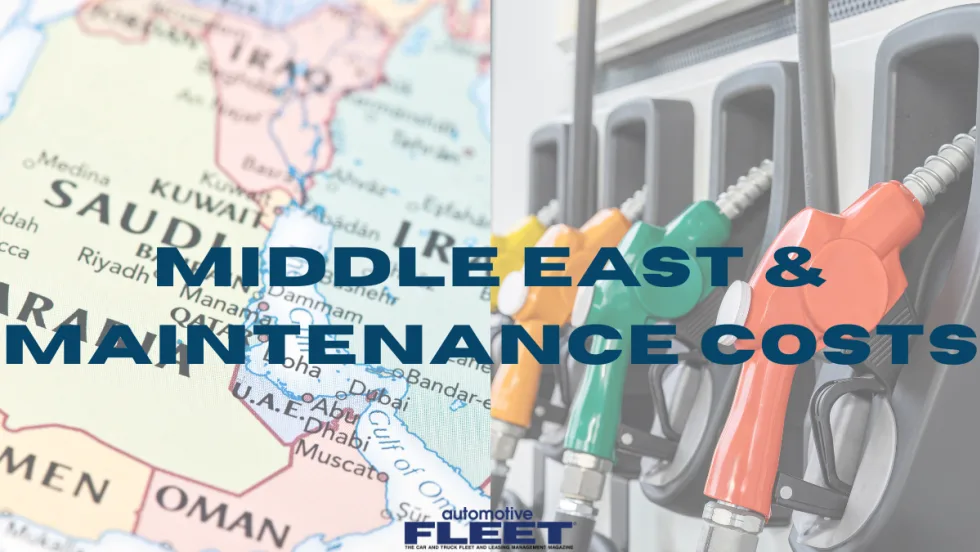
Fuel is Just the Start: How Middle East Tensions are Driving Up Fleet Maintenance Costs
The Middle East conflict is doing more than pushing up fuel prices. It’s also raising the cost of key maintenance products your fleet depends on, from motor oil to tires to windshield wipers. Here’s what you need to know about this budget-busting situation.
Read More →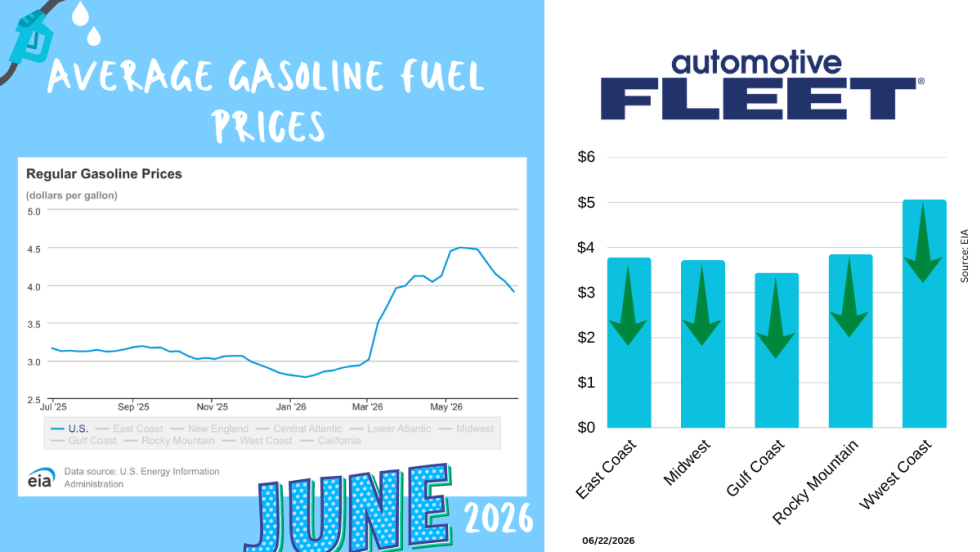
June Fuel Update: Prices Fall Below $4
Drivers are finally getting some relief at the pump. The national average gas price has dropped below $4 a gallon for the first time in months, with prices falling in 47 states as oil markets react to developments in U.S.-Iran negotiations.
Read More →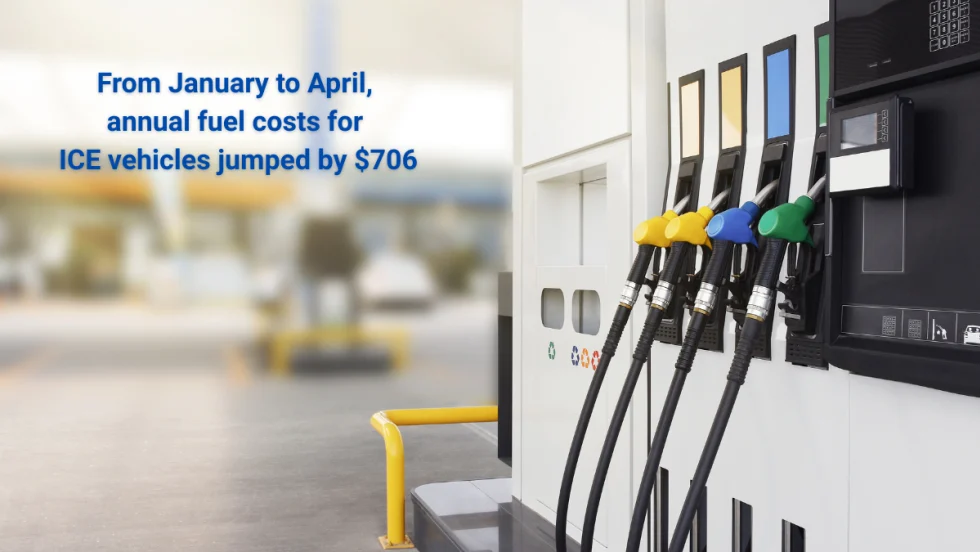
Study: How 2026's Gas Price Hikes Affect Different Vehicle Types
New data from iSeeCars reveals how rising fuel costs have affected different vehicle segments as gasoline prices climbed nearly 46% over the past four months.
Read More →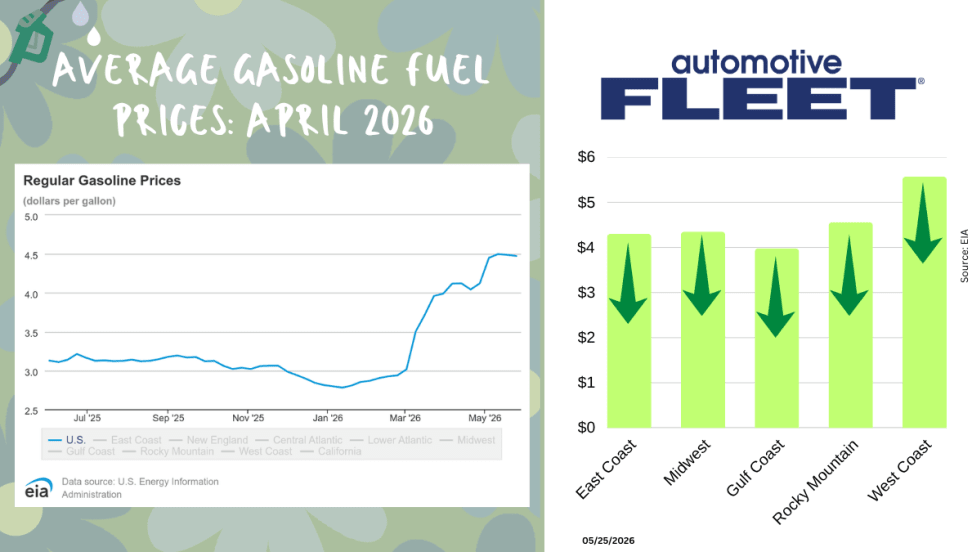
May Fuel Update: All Regions Experience Declines
Gas prices are finally easing in much of the country, but experts warn global tensions could quickly reverse the trend as the national average remains well above last month’s levels.
Read More →